

When you purchase through links on our site, we may earn an affiliate commission. Here's how it works. |
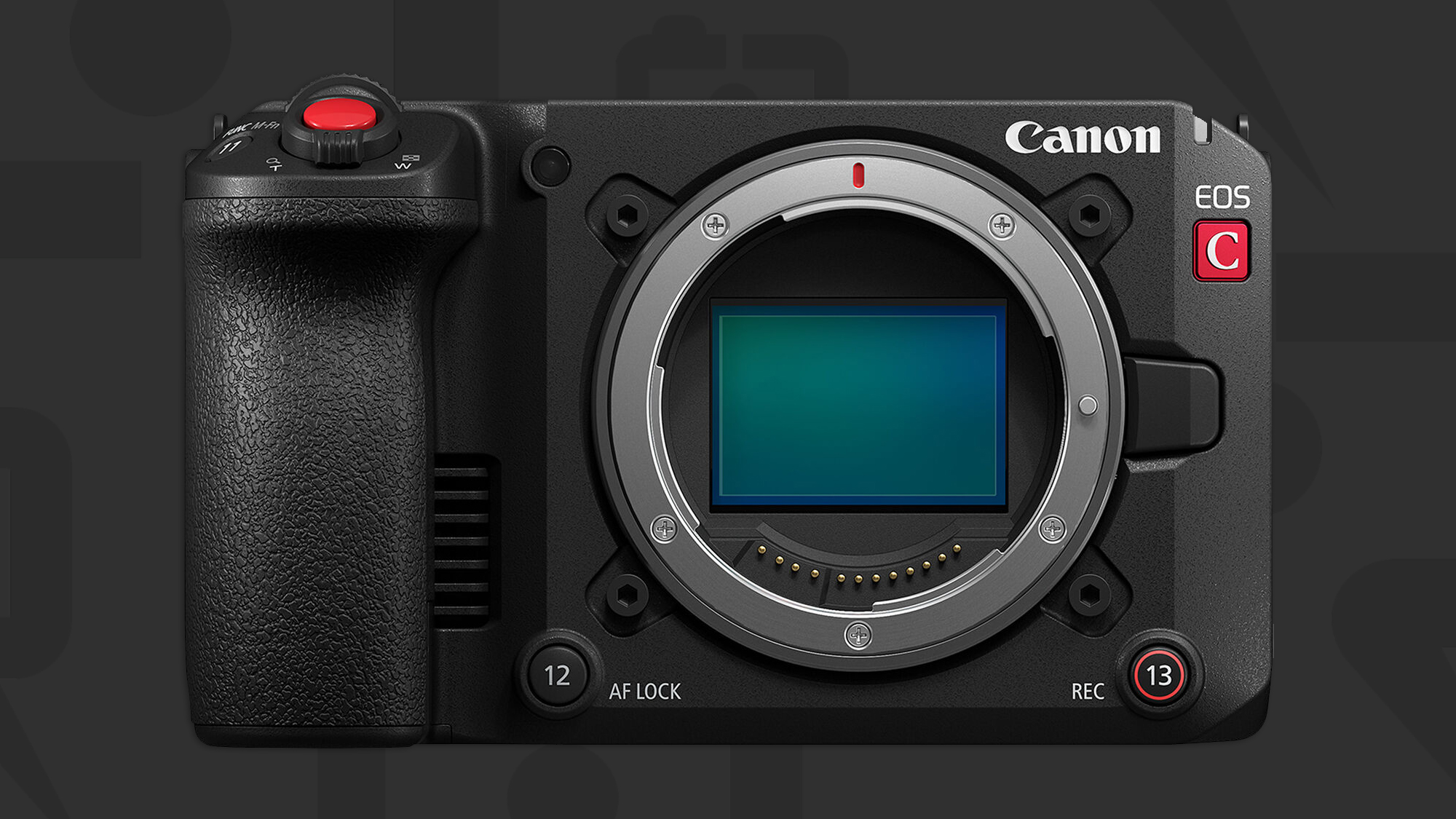
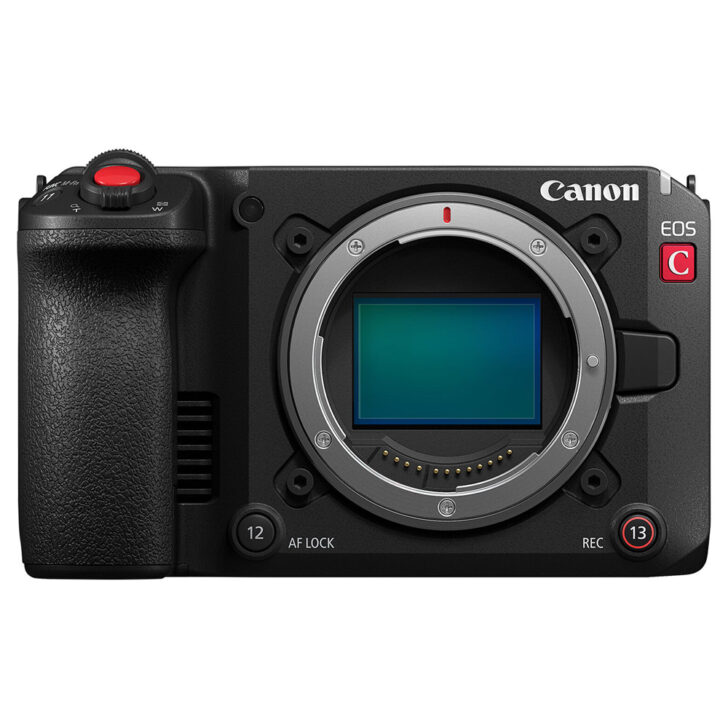
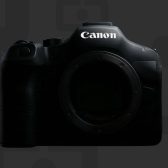
CineD, the people that I trust the most for testing things like rolling shutter and dynamic range in cameras, have released their results for the Canon Cinema EOS C50. It appears to be a mixed bag as far as the results go.
C50 First Impressions
Rolling Shutter
CineD uses a 300Hz strobe light to look at the patterns of black and white to give them an accurate measurement of rolling shutter in various resolutions and recording formats
In 7K 3:2 open gate using CRAW at 25fps, the rolling shutter was 18.1 seconds, which is good, but not exactly top end performance. Using different resolutions shows a much quicker rolling shutter result.
For 4K120, you get a nice 7.1ms, which is definitely useable. In all the other 17:9 modes, whether it's CRAW or compressed, full frame or S35, they had a result of 14.3ms.
Dyanamic Range
The other measurement a lot of filmmakers care about is dynamic range. Photographers do too, but I think it's more relevant to video.
In 12-bit CRAW, the C50 dynamic range measurement isn't a class leader and sits in the middle of lot. At the native ISO 800, the C50 looks to have 9.98 stops at SNR 2, and 11.2 stops when SNR 1. The image is also quite noisy, but CineD notes that this is normal for CRAW recording from q Canon cinema camera. They use little to no noise reduction in the camera.
The second base ISO of 6400 CRAW of 8.7stops at SNR 2, and 10.1 stops at SNR 1.
R6 Mark III Review
In Closing
You should head over to CineD for the testing methodology, full results, and insight into what the results show. The C50 isn't a class leading camera and shows performance below the EOS R5 Mark II, C80 and C400.
THe C50 is still a good value camera, just don't expect performance miracles.
Canon Cinema EOS Key Features
[affiliatable id='309850′]



This was such a lazy test.
Gerald Undone's review is so much better.
- - - - - - - -
It’s interesting that they’re almost criticizing the camera’s rolling-shutter performance in open gate - while failing to mention that it’s actually the fastest hybrid camera rolling shutter they’ve tested in open gate. Just…interesting.
Dynamic range is another curious interpretation of the data. The results line up almost perfectly with the FX3’s dynamic range numbers, yet that context somehow never makes it into the discussion. It also beats the XF-AVC performance of the Nikon ZR, Sony FX2, Lumix S5II and S1II...oh, and the Sony BURANO - again, interesting that this camera isn't impressive. Perhaps because the sensor doesn't stand out as remarkable in any category?
The Nikon ZR "RED Raw" (*the only recording mode the camera will grade in RED color science) is measured to reproduce a maximum of 13.8 stops of total dynamic range, with a median of 10.2 stops, and a suspiciously clean noise floor in RAW. This strongly suggests noise processing is taking place in RAW and many users have noticed the digital splotchy noise. Meanwhile, the Canon is delivering over 15 stops of total dynamic range and “only” 9.98 stops at the median - without any noise reduction applied at all. Once noise reduction is added, you’ll easily exceed 12 or even 13 stops of clean dynamic range, because Canon isn’t baking noise reduction into its RAW footage in the first place. There is certainly noise on this sensor when recording in 7K, but it was incredibly easy to clean up 7K open gate and then downsample to 4K output and look truly spectacular. Normalizing the footage or in the oversampled 4K 24/30/60P is about as good as it gets.
Every head-to-head test I’ve seen of the Nikon ZR shows worse low-light performance than the C50. (The FX3 is still to this day, the king of low light.)
Gerald Undone ran the exact same tests using the exact same charts and recorded 15.1 stops of total DR with a 10.1 median at ISO 800, and 14.7 / 8.9 at ISO 6400 in RAW. In XF-AVC, the camera measures 15.1 total and 12.8 clean. Those numbers are widely regarded as good-to-great, and I’m perfectly happy with them. This article, however, leans toward being unimpressed - borderline disappointed - by performance that is better than or competitive with virtually every camera on the market. Apparently landing within 0.2–0.5 stops of the C400 means that camera is a world-beater while this one is somehow disappointing.
- - - - - - - -
Our time with the C50 is still early. I’ve got roughly 20 hours on mine, and a friend has 7–10 hours on his. I’ve already shot two large projects and multiple days at a trade show, primarily using open-gate 7K in Long-GOP (the lowest bitrate available in Open Gate), and the footage has been STELLAR. There is one clip in particular that we shot wide in 7K open gate at ISO 800 Long-GOP and we had to crop in beyond APS-C and still had 4K information and noise was inperceptable - even after the crop! I've only needed to shoot RAW video on one job ever and that was only because my camera at the time (the R3) didn't have CLOG2 like the rest of the cameras on the project. Some people exclusively shoot RAW and I would be more curious to see how the THREE options for RAW handle noise in a studio environment, sharpness and dynamic range. Because RAW LT is available in a very manageable bit rate. Maybe I'll mess around one day in my backyard and office when I have some downtime.
Which really just reinforces the obvious: you need to actually use a camera and form your own conclusions. Framing results a certain way can mislead readers, as it appears this article wants to do. The reality is, this camera absolutely holds its own against the C80, C400, R1, R5 II, R5C, S5II, S1II, FX2 and FX3.
Just kidding, it swept the Emmys and is one of the best shows on Netflix: Adolescence.
When it comes to video, the rolling shutter chatter really needs to end. If your intended audience/client is distracted by rolling shutter then the problem is whoever is behind the camera.
Gerald is a whole lot less lazy with his tests.
Rolling shutter can be a major problem.
For most things, the C50 is more than fast enough.
Happy shooting.