

When you purchase through links on our site, we may earn an affiliate commission. Here's how it works. |
Words and Images: Joshua Holko www.jholko.com
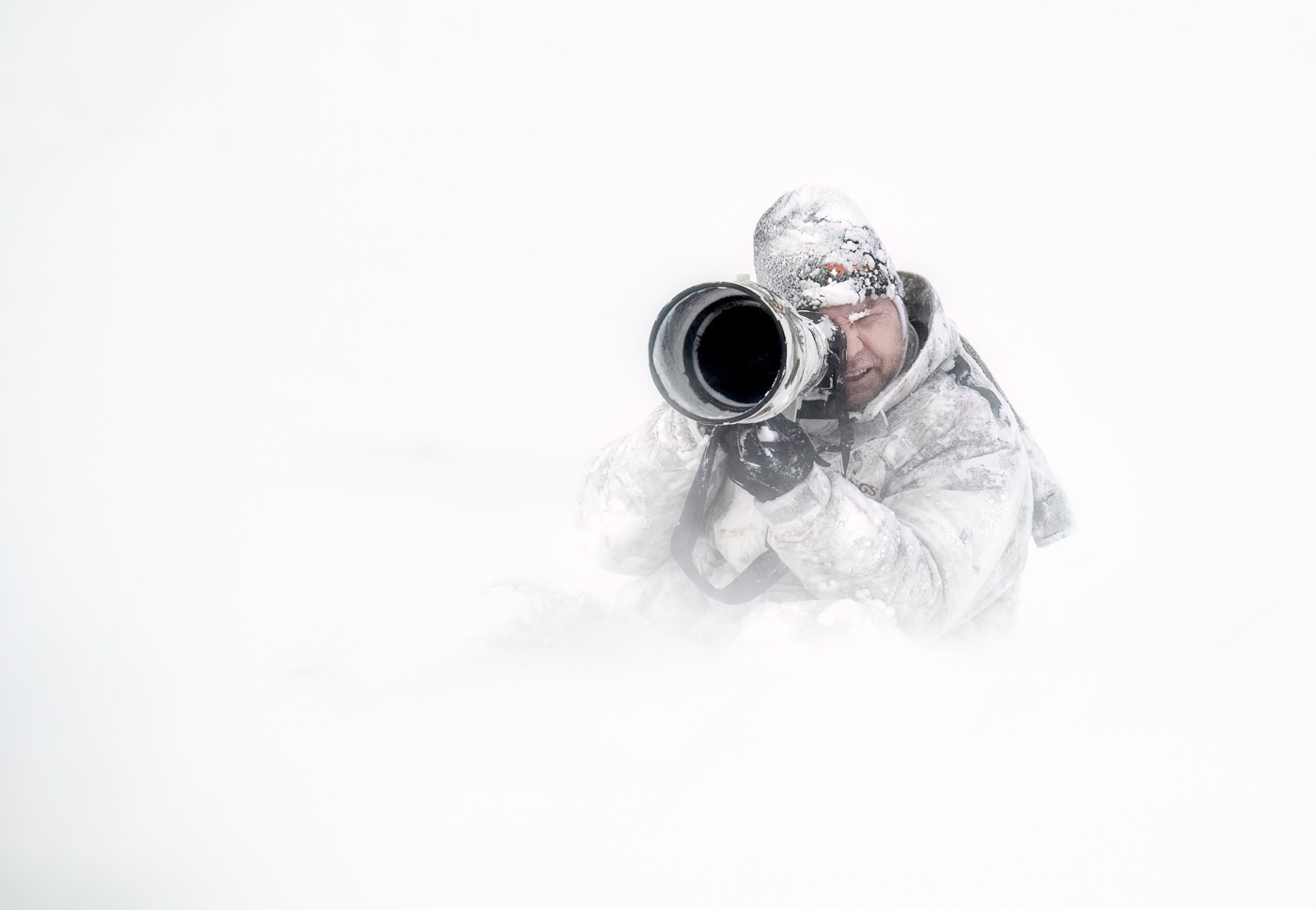
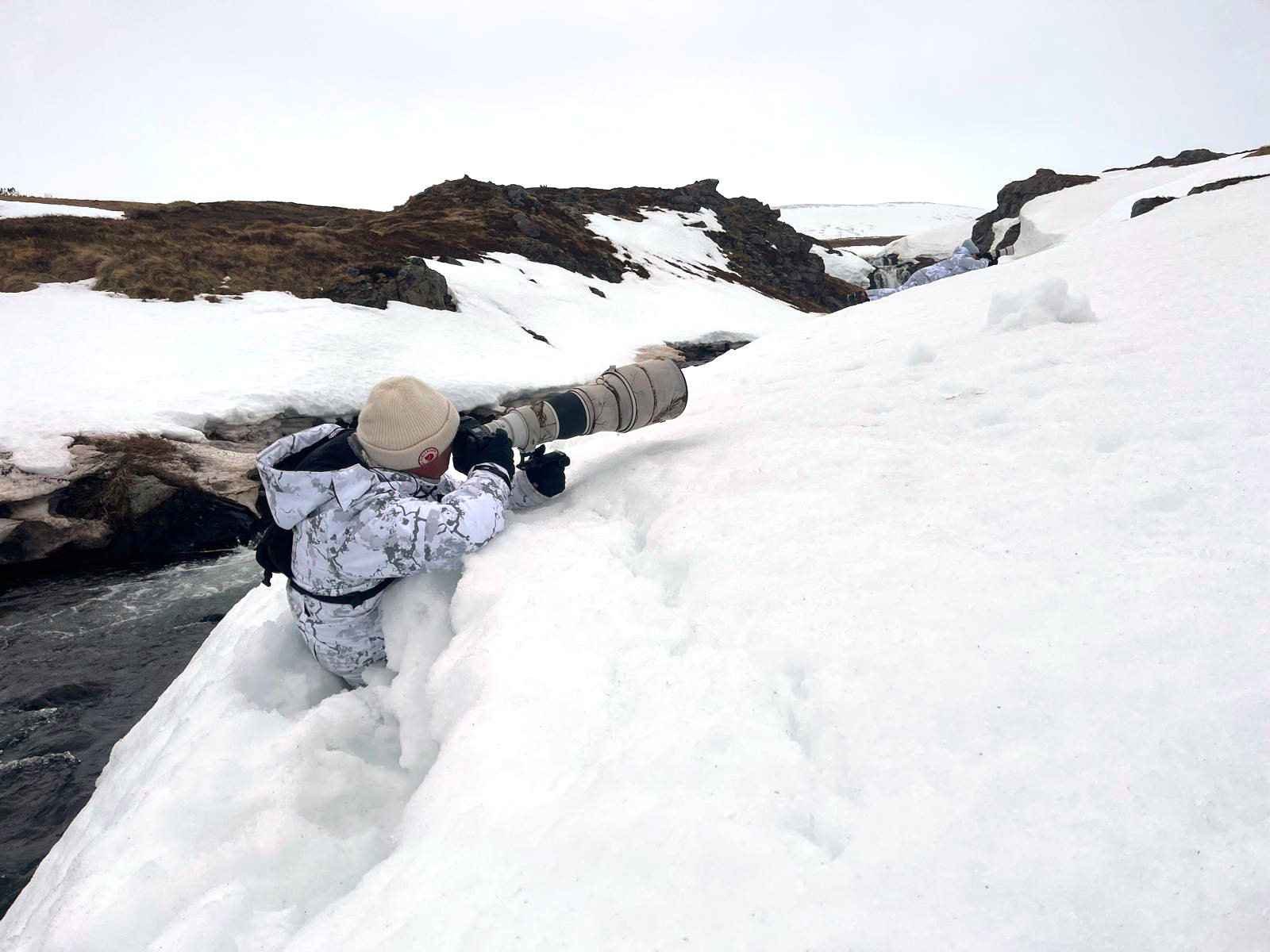
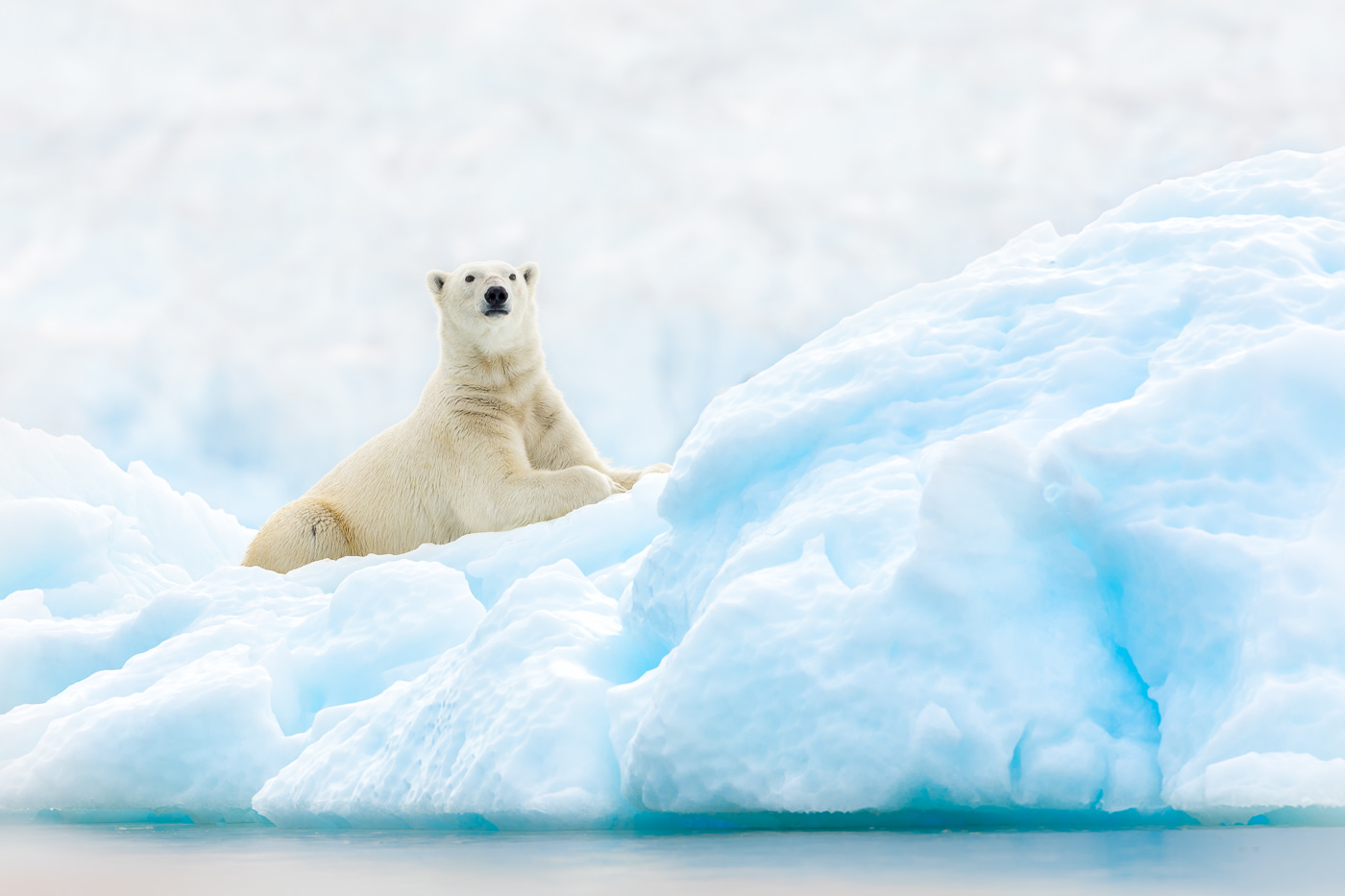
For the past eight months, I’ve been working extensively with two of Canon’s EOS R1’s—Canon’s long-awaited flagship mirrorless body—in some of the harshest and most remote environments on the planet. From the snow-blasted cliffs of Hornstrandir to the sea ice of Svalbard, the windswept Arctic Circle island of Grimsey, to the frozen sea ice deep in the Weddel sea region of Antarctica, the R1 has been at my side through thick and thin, shooting everything from high-speed Arctic foxes to cliff-dancing puffins, charging walrus bulls, stoic polar bears in whiteout conditions and majestic Emperor Penguins.
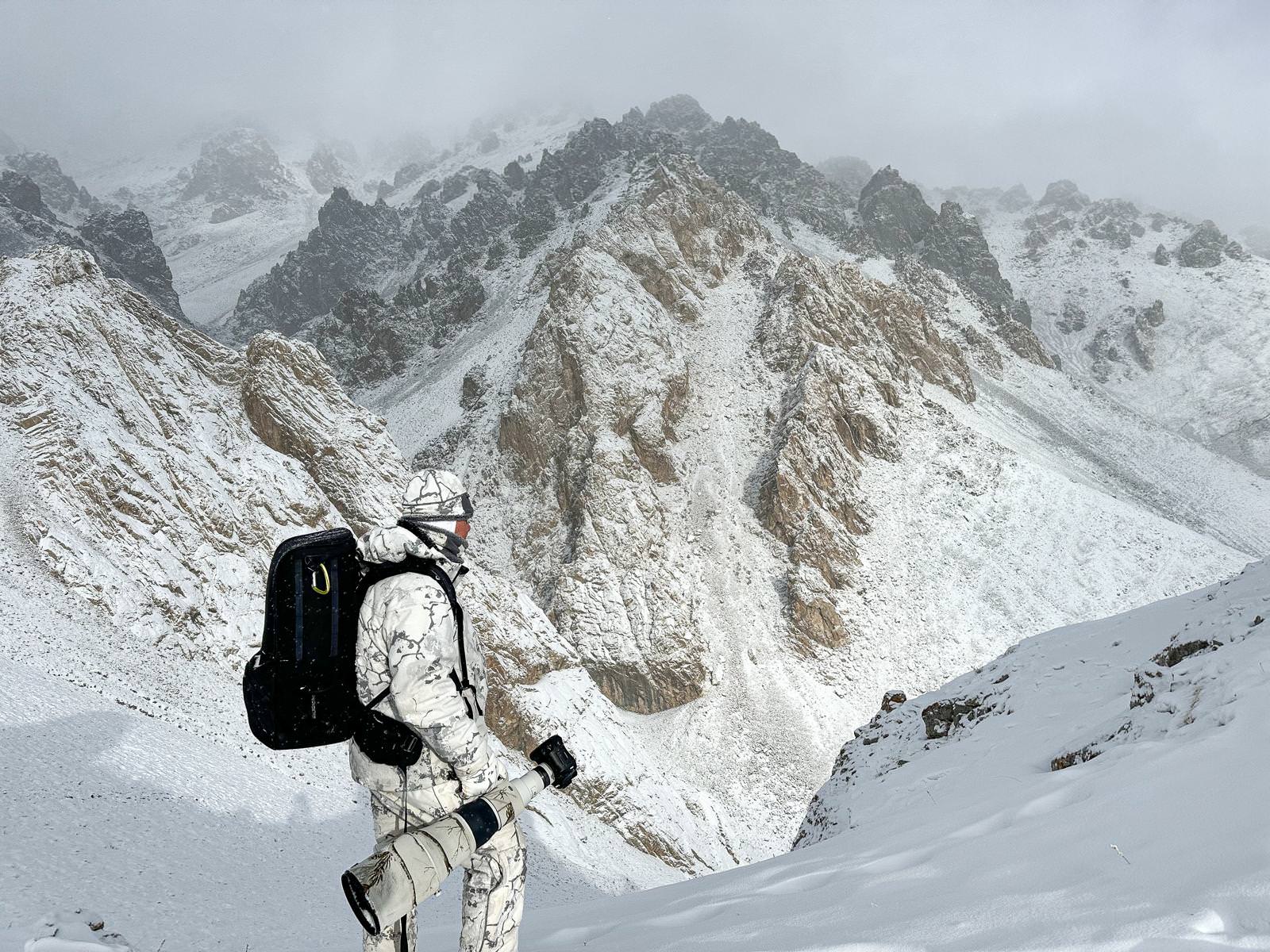
This isn’t a review based on lab tests or YouTube comparisons. This is the perspective of a full-time working wildlife and nature photographer who relies on his gear not only to create imagery but to function flawlessly in environments where failure is not an option.
Initial Expectations
When Canon announced the EOS R1, the bar and expectations were set sky-high. The promise was of a no-compromise, professional mirrorless body designed to finally go toe-to-toe with the competition in the high-speed, high-performance segment, but with Canon’s colour science, ergonomics, and reliability.
After moving to the EOS R5 for lighter-weight expeditions, I found myself constantly pushing against its limitations—buffer depth, tracking inconsistencies, and durability being the most significant. The EOS R3 helped bridge that gap, but I still longed for a body that felt as bulletproof as the 1DX Mark III, with the speed and accuracy needed for unpredictable Arctic wildlife and landscapes.
The EOS R1 promised that convergence. It was a long wait – And it was worth it.
In the Hand
From the first time I picked it up, the R1 felt like an old friend. The ergonomics are classic Canon—refined, intuitive, and completely muscle-memory driven for anyone coming from the 1D or R-series. The integrated vertical grip is beautifully balanced. The magnesium alloy body is solid but not excessively heavy, and most importantly, every button is exactly where it should be—even when wearing thick gloves in -40°C temperatures.
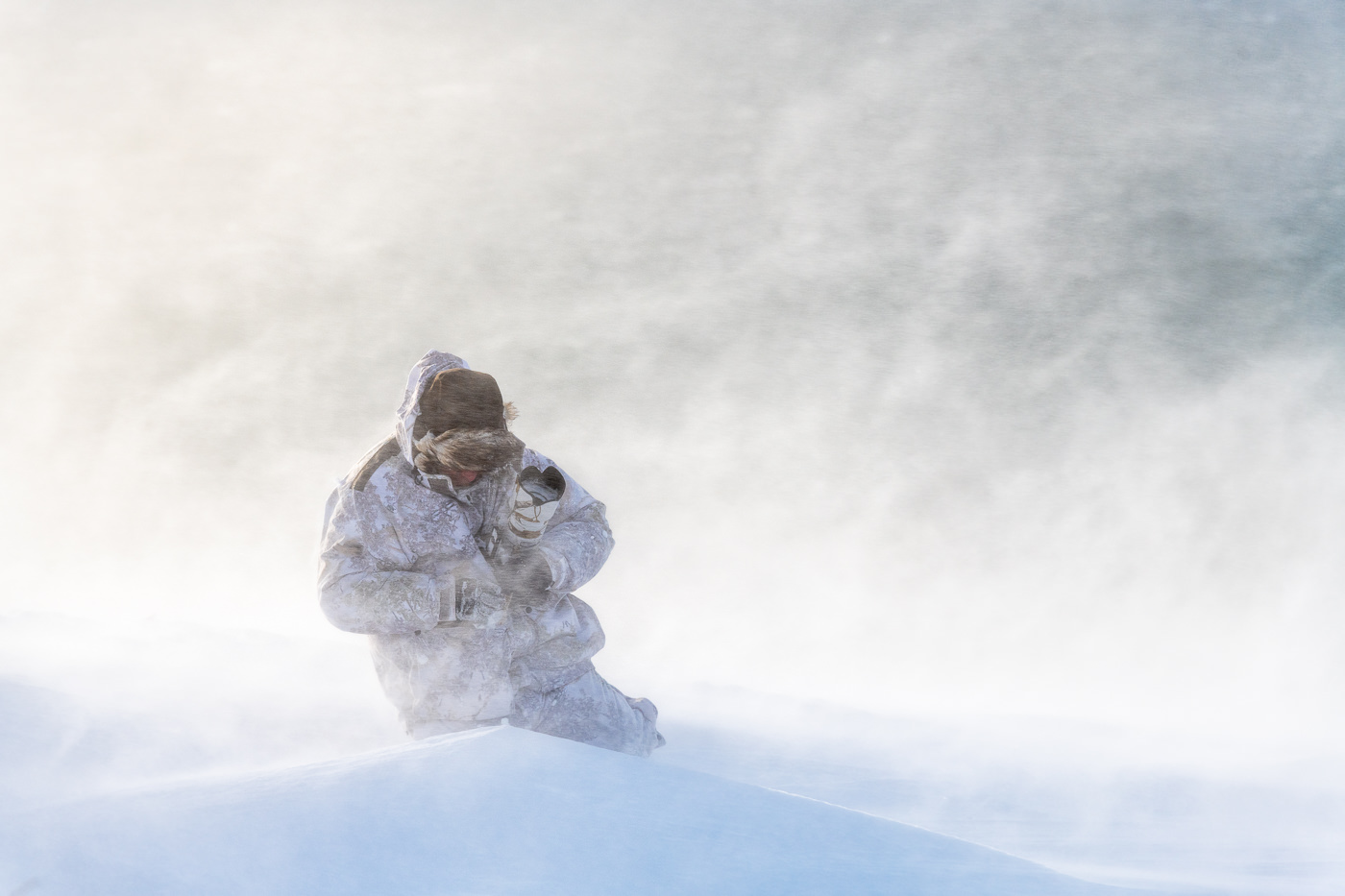
The R1 has survived rain, snow, salt spray, sub-zero wind chill, and even a minor fall onto sea ice without missing a beat. It’s weather-sealed to a degree that gave me absolute confidence in the field—something I can’t say for all mirrorless systems.
Autofocus – A New Benchmark
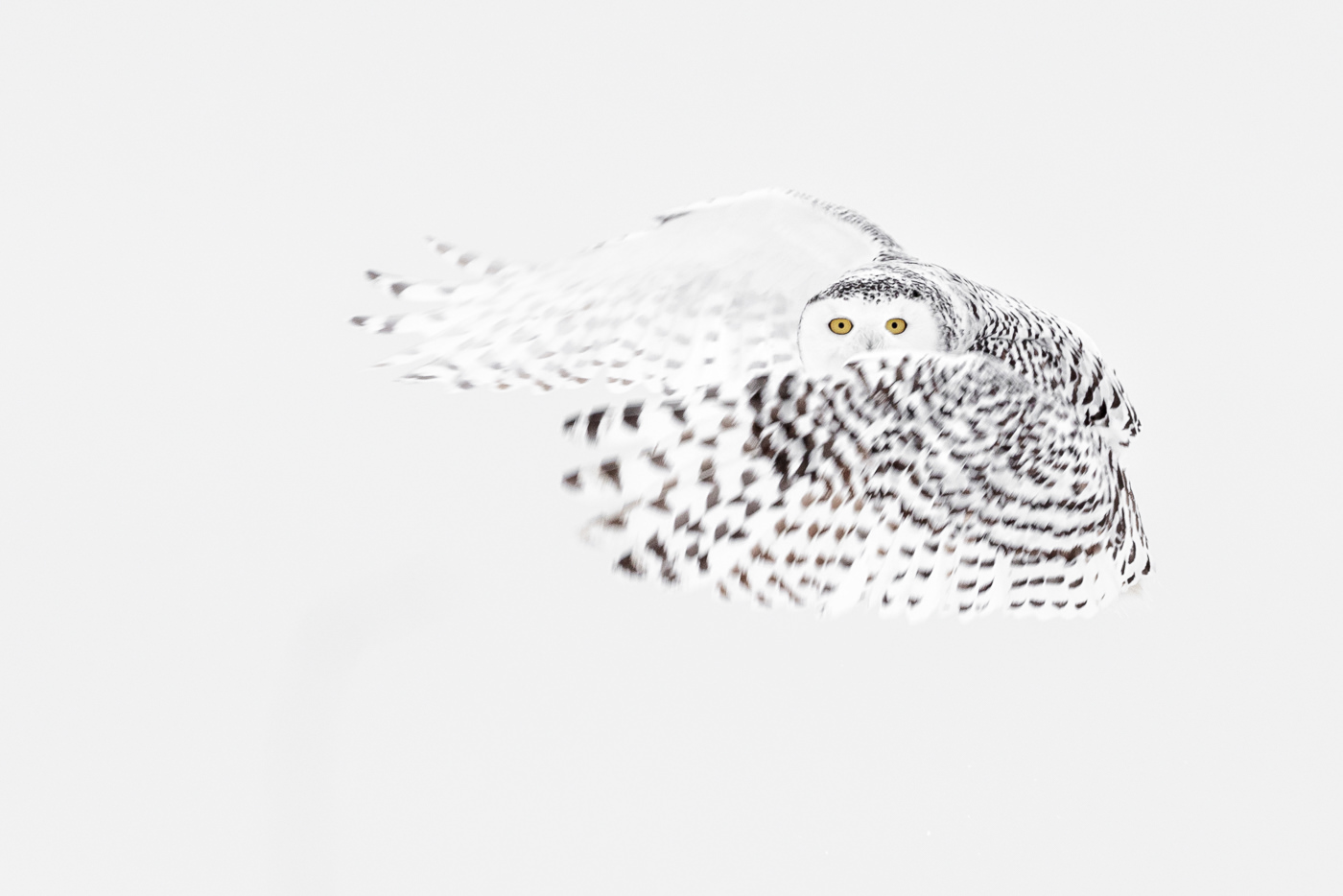
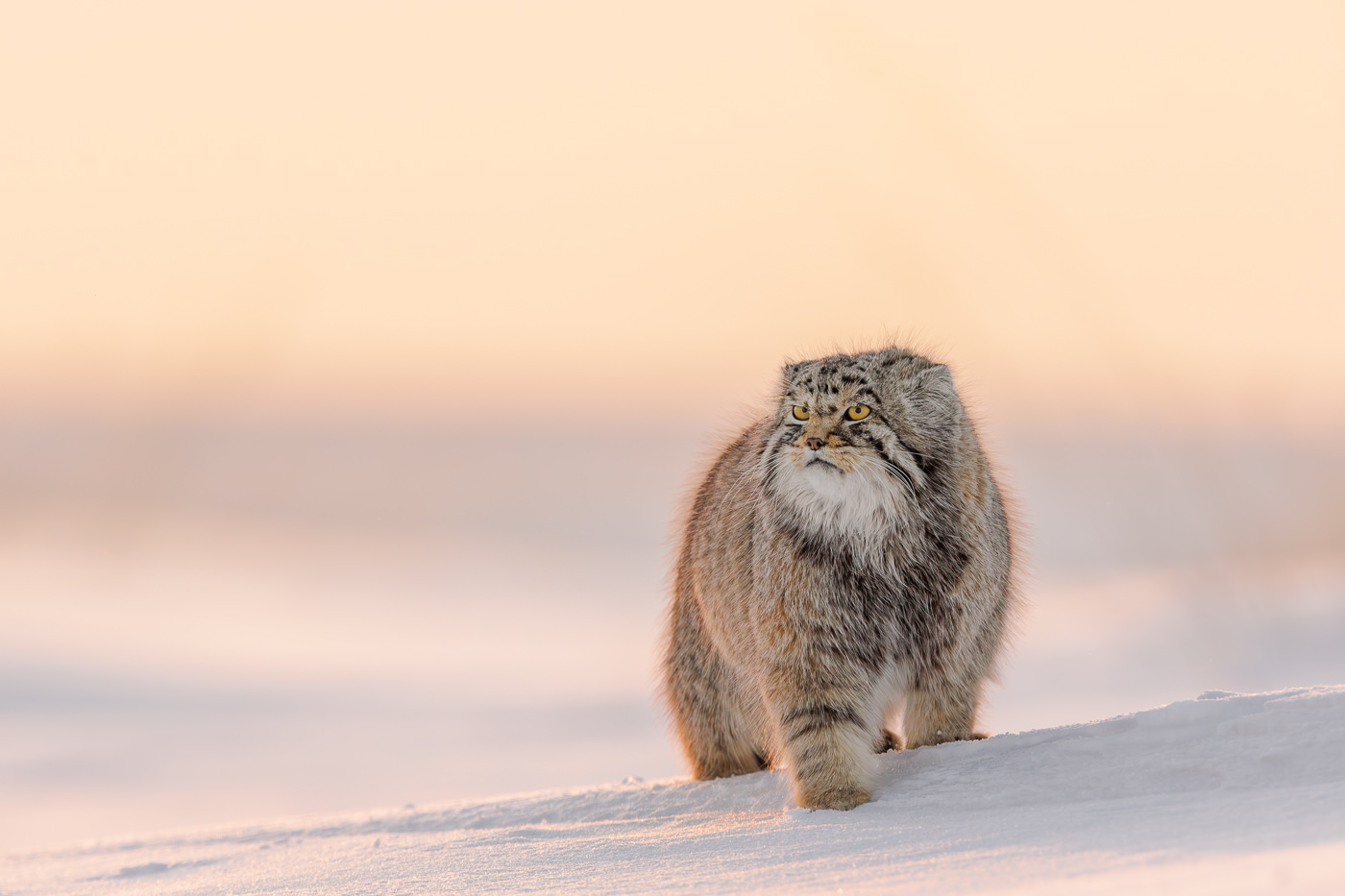
If there’s one area where the R1 has fundamentally changed how I work in the field, it’s autofocus. Simply put, the AF system in this camera is astonishing. I can lock onto an Arctic fox sprinting across a windswept snowfield at 40km/h and trust the R1 to not only find the eye, but to maintain critical focus through erratic movements—even when the subject disappears briefly behind foreground grasses or snowdrifts.
The deep-learning-based subject recognition has expanded dramatically. Eye tracking works almost flawlessly on mammals and birds, even in backlit or low-contrast conditions. The system now recognizes a broader set of body shapes and head angles. In real-world terms, this means fewer missed frames, more keepers, and less need to second-guess the AF system.
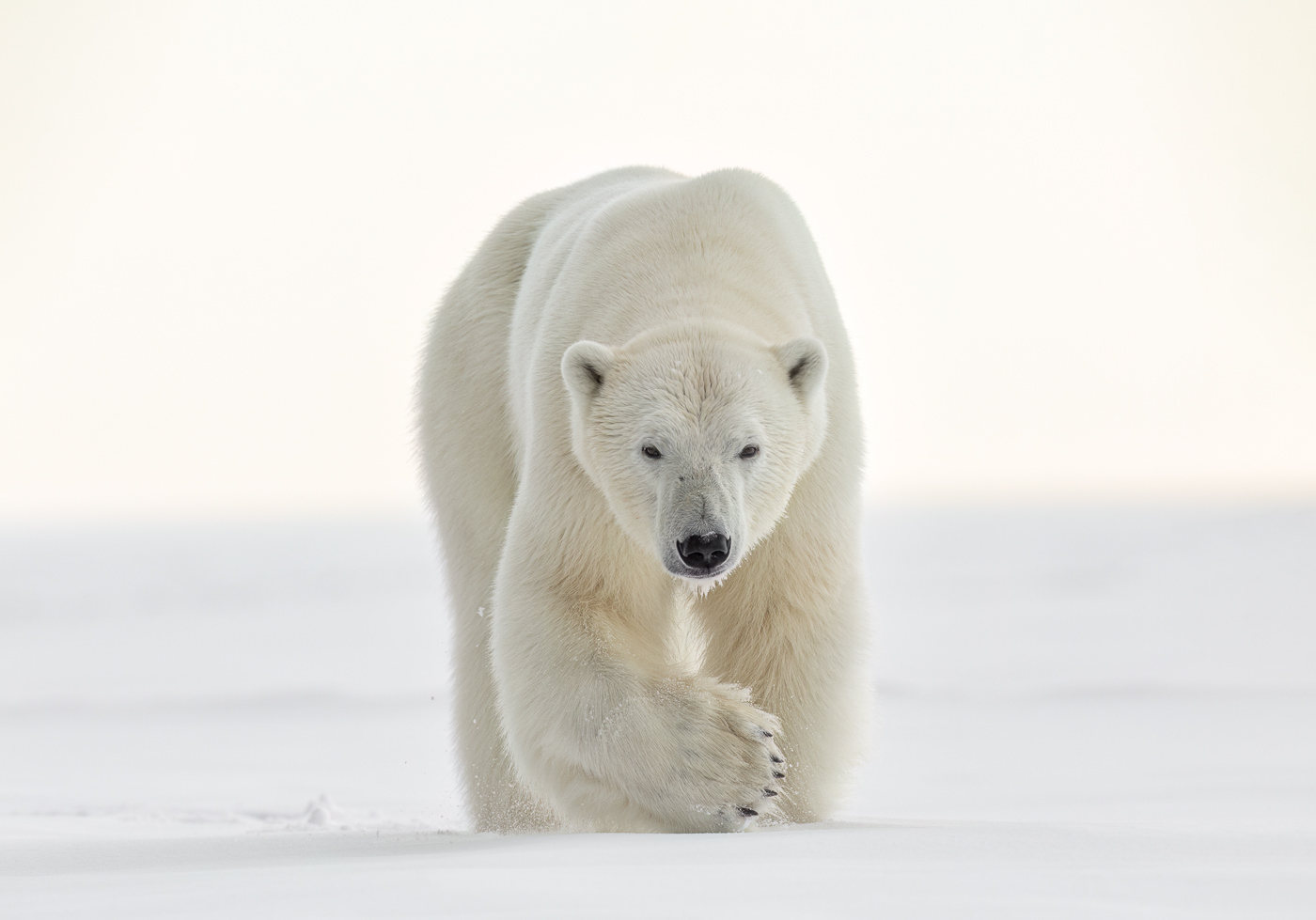
I’ve used the R1 to track puffins flying straight at me in gusting winds, razorbills launching from cliff edges, and polar bears moving through layers of blowing snow. In all these scenarios, the camera performed like a seasoned field partner—silent, responsive, and ruthlessly efficient.
There is still room for improvement though. When shooting wildlife in falling snow with the Canon EOS R1, one of the more frustrating quirks that has emerged is the camera’s occasional difficulty in ignoring snowflakes (big or small) that pass between the subject and the lens.
While the R1’s autofocus system is astonishingly fast and sticky in many conditions, its subject detection algorithms can sometimes momentarily latch onto a bright, high-contrast snowflake, especially in backlit or low-contrast scenes where the subject blends into the background (regardless of case setting).
This can cause brief focus hunting or a shift away from the intended target—particularly problematic when photographing fast-moving animals like Arctic foxes or polar bears in a blizzard, where every fraction of a second counts. In heavy snowfall, the effect can compound, forcing the photographer to adjust AF case sensitivity, reduce tracking responsiveness, or switch to a smaller AF zone to help the camera “tunnel vision” on the subject.
Antarctica Field Test
It’s not an insurmountable flaw, but in the right (or wrong) conditions, it’s enough to cost you the critical sharp frame.
The R1, as incredible as it is, cannot as yet ignore falling snow with the same ruthless efficiency that the 1DXMK2 and 3 could. The R1 will stubbornly grab falling snow in lieu of the wildlife to the point that it has on occasion forced me to switch to manual focus. Falling snow, is quite honestly, the current Achilles heel of the EOS R1.
Frame Rate, Buffer, and Workflow
The EOS R1’s blackout-free electronic shutter and lightning-fast readout speed make it a dream for tracking fast action. I often shoot at 40fps in full RAW, which feels like wielding a high-speed cinema camera with stills precision. 40fps might seem excessive to some, but when you are searching for that perfect wing or paw position it is frequently the difference between getting the shot or missing it.
Critically, the buffer performance has improved dramatically over previous models. Even at full 40fps in RAW, I can shoot long sequences without any slowdown. This has been essential for capturing behaviour sequences—foxes leaping, puffins mid-flight, walruses rearing up from the surf—where timing and rhythm are everything.
Canon’s RAW format has continually proven to be the perfect balance between file size and post-processing flexibility. I’ve had no issues pushing shadows, recovering highlights, or making large exhibition prints from these files. My Lightroom workflow has remained fluid even when dealing with thousands of frames per day.
Image Quality
Resolution-wise, the R1 hits a sweet spot. At 24 megapixels, it provides the detail and dynamic range necessary for large-format fine art prints without ballooning file sizes.
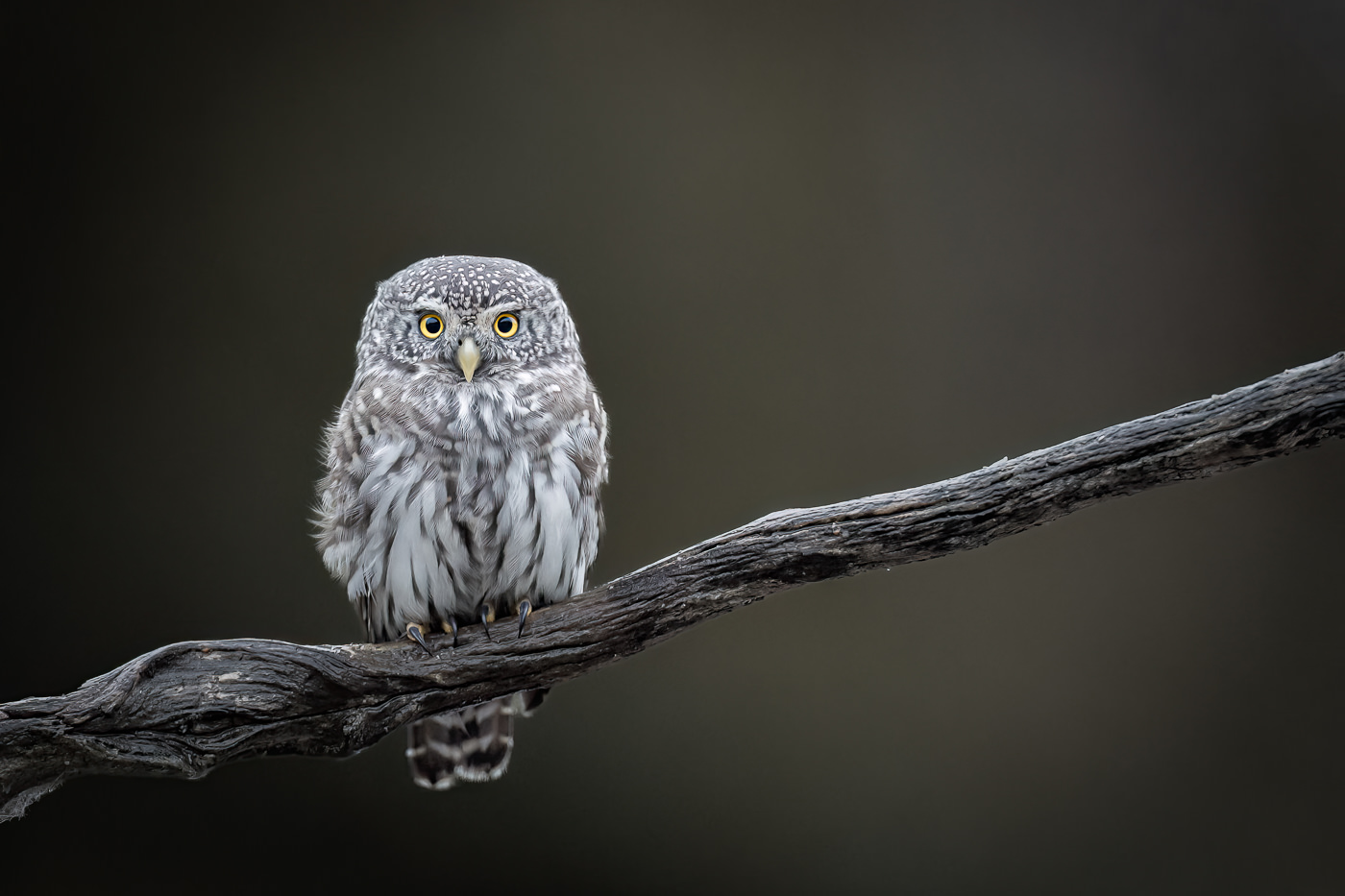
Color rendering is signature Canon—neutral, nuanced, and skin tones (or fur tones, in my case) are beautifully rendered. The sensors performance in low light is game-changing. I’ve comfortably shot Arctic foxes in fading twilight and seabirds at ISO 25,600 with minimal noise and excellent detail retention.
EOS R1 Lightroom ISO Specific Noise Reduction Pre-Sets

I frequently shoot in high-contrast snow conditions, and the R1 allows me to retain texture in both highlights and shadows, giving more flexibility in post and fewer blown exposures in the field.
Electronic Viewfinder and LCD
One of the biggest shifts from DSLRs to mirrorless was learning to trust the EVF. On the R1, Canon has finally nailed it. The EVF is large, crisp, and incredibly responsive, with no perceptible lag even at high frame rates. Exposure and colour previews are accurate enough that I’ve stopped chimping almost entirely—I can make confident exposure decisions without pulling my eye from the viewfinder.
The rear LCD is sharp and usable even in bright daylight. I especially appreciate the ability to zoom quickly for focus checking, something essential when reviewing sharpness on Arctic fox whiskers or avian feathers in the field. I admit though, with my vision not what it used to be close up (I am 51) I almost never use the LCD screen anymore and prefer the EVF.
Silent Shooting and Minimal Disturbance
For wildlife photography—especially with sensitive species—the ability to shoot silently and discreetly is priceless. The R1’s electronic shutter is truly silent, allowing me to photograph close-range birds and mammals without introducing sound that might alter their behaviour.
On Grimsey Island, I was able to work within feet of nesting puffins and razorbills without so much as a click. The impact on both the animal’s comfort and my ability to capture natural behaviour was profound.
Battery Life and Power Management
Battery life is excellent (although not as good as the Nikon Z9). Using the LP-E19 battery, I routinely get 4000+ frames per charge, even in cold conditions. With power-saving settings enabled and the EVF auto-switching intelligently, I rarely have to change batteries during a full shooting session.
I carry three batteries for redundancy, but rarely needed more than one and a half per day—even when shooting thousands of images in a 14-hour Arctic summer day.
Lenses and Native Support
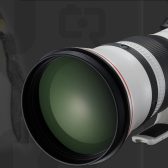
The R1’s performance is complemented by Canon’s growing lineup of RF glass. The RF 400mm f2.8 has been a mainstay for my Grimsey Island bird photography, while the RF 600mm f/4 remains my go-to lens for polar bear and fox work. I always keep an RF 70-200 or 100-500 handy on a second body for those close encounters.
The IBIS (in-body image stabilization) combined with RF lens IS gives handheld stability that’s frankly absurd. I’ve made sharp images at 1/20th of a second with the 600mm handheld—something that would have been impossible just a few years ago.
Lens performance is consistent across the board, and the EOS R1 brings out the best in these optics. I’ve seen a noticeable improvement in AF speed and accuracy compared to using these same lenses on the R5 or R3.
Video Capabilities
While I am a stills photographer first, the R1’s video features have not gone unnoticed. I’ve used the R1 to capture atmospheric B-roll—snow swirling across fox tracks, slow-motion footage of terns hovering in a gale—which has integrated beautifully into my expedition film work.
Durability and Trust
Ultimately, the most important quality in a camera for me is trust. I need to know that it will work in blowing snow, freezing wind, salt spray, and rough handling. The EOS R1 has proven itself beyond doubt.
During one Svalbard expedition, I shot for more than six hours in -30°C with intermittent snow squalls and howling wind. The camera remained responsive, the battery held strong, and the sensor never failed to deliver. Another day, I took a spill on sea ice with the R1 slung at my side. It came away with a cosmetic scuff—and nothing more.
That kind of reliability builds confidence. And confidence allows creativity.
What Could Be Improved
No camera is perfect. Here are a few areas where I think Canon could continue to evolve:
- Custom Mode Settings: More flexibility in assigning custom button layouts per mode would be helpful. Specifically the ability to assign pre-capture to a multi function button.
- Pricing: The R1 is a serious investment. While justified for professionals, it’s less accessible for serious enthusiasts.
- The Auto Focus algorithms need to do better with falling snow.
But these are quibbles, not deal-breakers. Canon has clearly built this camera with professionals in mind—and it shows.
Conclusion
After eight months of intense field use, I can say with complete confidence that the Canon EOS R1 is the most capable and reliable camera I’ve ever used. It is also the most complicated in terms of customing the set up. Whilst not necessarily a bad thing, (as it allows you to set up the camera to your personal preferences and shooting style) it does mean a step learning curve.
It allows me to focus on my craft rather than my gear. It adapts to the unpredictable rhythm of wildlife. It empowers me to create in silence and solitude. It endures what I endure—and then some.
Whether lying prone on frozen tundra waiting for a fox to approach, hanging off a cliff edge as puffins rocket past in golden light, or tracking a walrus bull charging through ice-laden surf, the R1 has delivered—frame after frame, moment after moment.
It doesn’t get in the way. It just works. And when you’re working on the edge of the world, that’s everything.
Stay wild,
Joshua Holko

- 24MP Full-Frame Stacked BSI CMOS
- DIGIC Accelerator + DIGIC X Processing
- Dual Pixel AF with Action Priority
- Improved Eye Control AF
- 6K 60 Raw & 4K 120 10-Bit
- Up to 40 fps
- Pre-Continuous Shoot Mode
- 9.44m-Dot 0.9x EVF, OVF Sim.
- 3.0" 2.1m-Dot Vari-Angle Touch LCD
- Vertical Grip, 2x CFexpress Type B Slots
- Wi-Fi 6E, 2.5G Base-T Wired Ethernet



Thanks for publishing! 😍
And kudos to you, Joshua, for the article and the beautiful pictures!
Thanks to Joshua Holko for giving us such insights.
I believe his cameras are stuck on 40fps, it happens.
The day it came out. Started using it at events 2 weeks later.
Yes, 40fps helps. When using Servo AF on a moving subject, I don't get the rated fps. Focusing takes time in the image capture cycle. I estimate the R1 is giving me 10 to 20 fps max (depending on lighting, subject, and composition.) With the R3 bodies I was getting 15,000 images per day. With the R1 I've been limiting myself to 30,000 images per day. These bodies can easily capture more photos with high sales potential. But I sell images next day and can't handle more than 30,000 during the evening, post event work flow. Going from a 30fps body to a 40fps body more than double my image capture, probably tripled it. The biggest factor is the improved autofocus in the R1. It's not perfect and has some serious focus traps, but overall its a big improvement that has opened new compositions that I could only dream about trying just a few years ago.
ChatGPT wrote much of this article. The cadence and punctuation (23 em-dashes) are unmistakable.
I don't want to read what a computer wrote, I want to read what a person wrote. As such, I will stop reading articles on Canon Rumors.
I’ve read through your text closely, and here’s my breakdown.
1. Stylistic similarity to my own writing
Your excerpt does not strongly resemble my default style.
Key differences:
That said, certain parts (like the Autofocus – A New Benchmark section) have a clarity and organizational style that is slightly closer to my approach—clear subheadings, specific examples, and evaluative language—but the personality and descriptive flourish are far beyond what I’d usually include without prompting.
Conclusion: This reads far more like the work of a professional human photojournalist or gear reviewer than my own default “ChatGPT” style.
2. Likelihood of AI-generation
Indicators it’s likely human-written:
Indicators it could be AI-assisted:
Overall assessment:
If I had to assign a probability, I’d say ~80% likely human-written, possibly with light AI assistance for editing or tightening structure. It doesn’t match the stylistic “fingerprint” of my own default writing.
To the question of Canon users defending 24MPX as a plus. I am not sure if brand matters here in this question, and the individual's mileage may vary based on what they shoot. But I have to shoot a lot at high ISO with wildlife, and the difference between an R1 file at ISO25600 and ANY 45 MPX file at the same ISO is night and day. If you side by side an R1 ISO 25,600 with a Canon R5MKII at the same ISO then you would have to quite litterally be blind not to see the marked difference. You don't even have to worry about brand - the same applies wether its Sony, Nikon or whatever. Physics is awesome like that. High pixel density = higher noise.