


|
When you purchase through links on our site, we may earn an affiliate commission. Here’s how it works. |
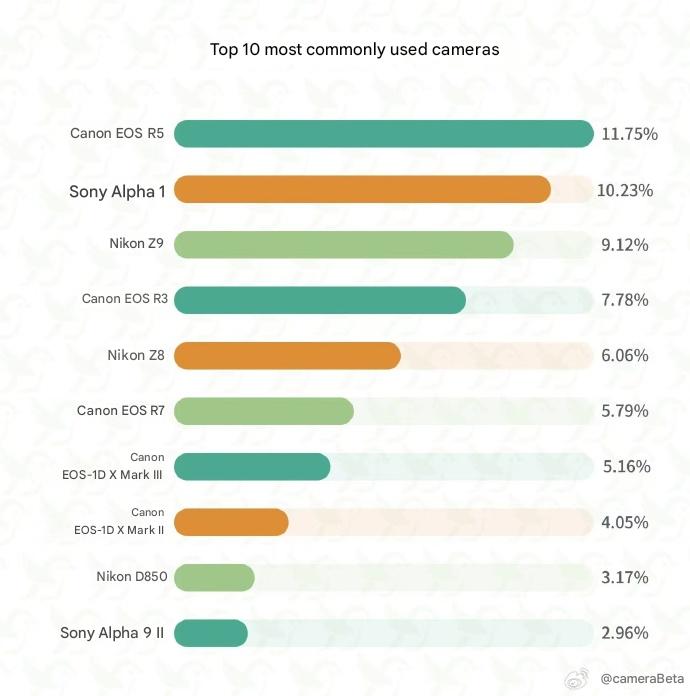
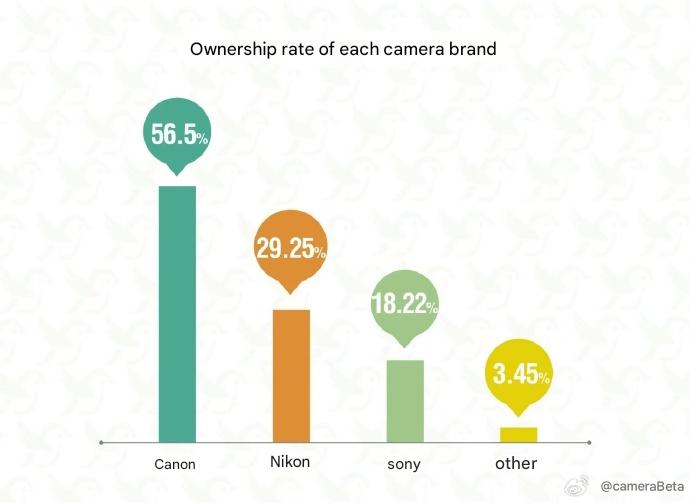
In the last couple of months, we have seen Canon claim #1 in ILC camera sales in various markets including the US, Europe and most of Asia. There are always different metrics used for this sort of stuff, so don’t take it to the bank.
Canon EOS R5
The Canon EOS R5 is still a brilliant camera and should be on everyone’s shortlist, it has become a great value camera. I’m sure the EOS R5 Mark II will work its way up the list.
People do like the 45mp for potential cropping and still getting a good resolution print. At the end of the day, for most people, a 10mp will work just fine for a “normal” sized print.
The Top Cameras
Canon for Birding
China, along with India have become big growth markets for camera manufacturers, and it looks like Canon is doing quite well in China.
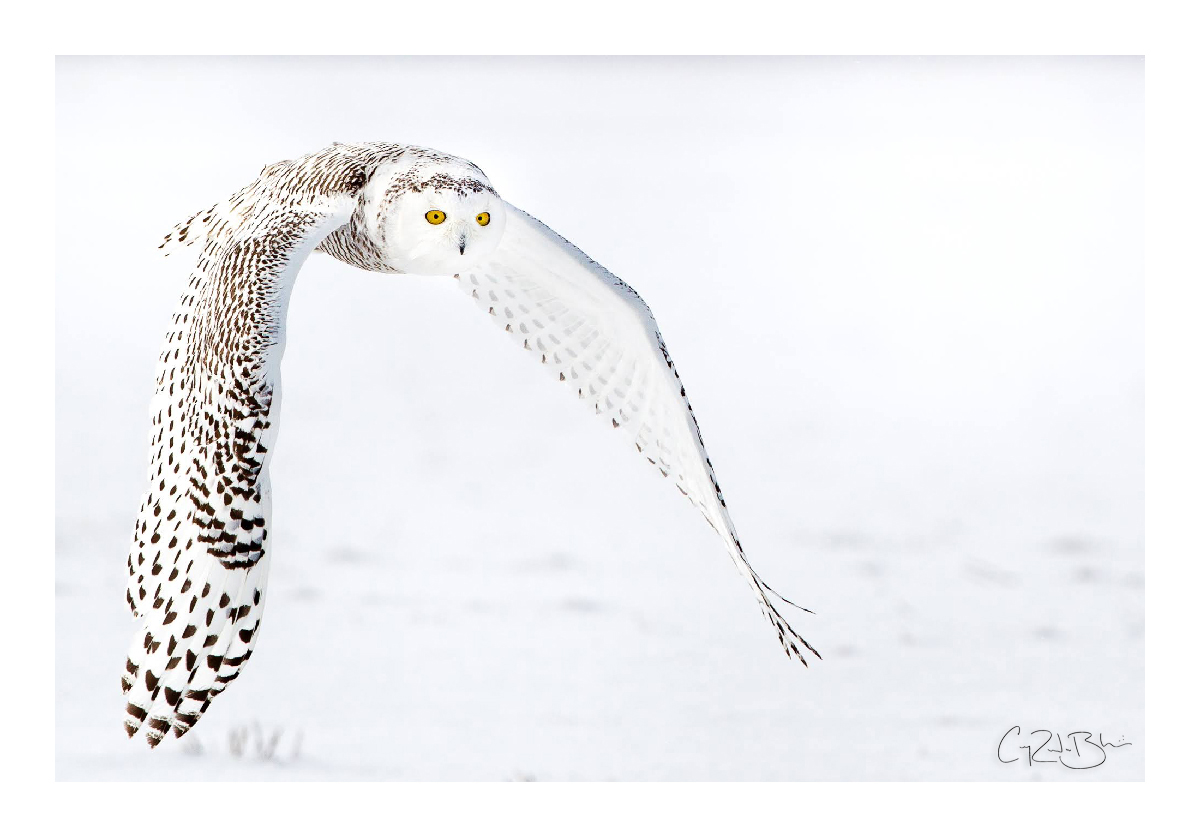
Bird photographers are everywhere on earth, and it looks like Canon is dominating the segment in China. When it comes to birding, I usually see more Canon gear than anything else.
The Top Brands
Canon’s Super Telephoto Advantage
Canon has such a great legacy lineup of EF and RF super telephoto lenses for every budget. I think that goes a long way with bird photographers. Super telephoto lenses have always been 2nd tier to buying OEM lenses.
That may change with the recently announced Sigma 300-600mm f/4 DG OS Sports. As you know, we won’t be seeing it for the RF mount at this time. Canon will want to charge twice as much for a similar lens.
I see a lot of adapted Super Telephoto lenses. Canon had the brilliant EF 400 f/5.6L USM that sold extremely well for birders on a budget. You can also get EF “Big White” lenses for very affordable prices.
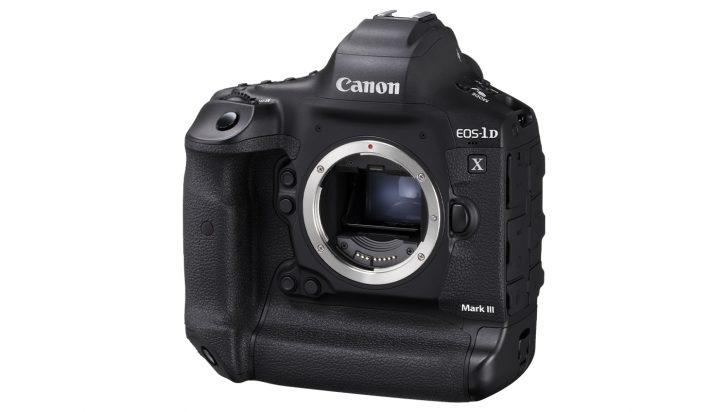
Canon DSLRs
Canon also scored rankings with the awesome EOS R3 along with the EOS R7, a camera we don’t love, but consumers do!
The top DSLRs on the list are the Canon EOS-1D X Mark II and the best DSLR ever made, the Canon EOS-1D X Mark III. There’s nothing wrong with these pro DSLR bodies to save money and still get top end performance for stills photography.
You can grab a Canon EOS-1D X Mark II on the used market for less than $800.
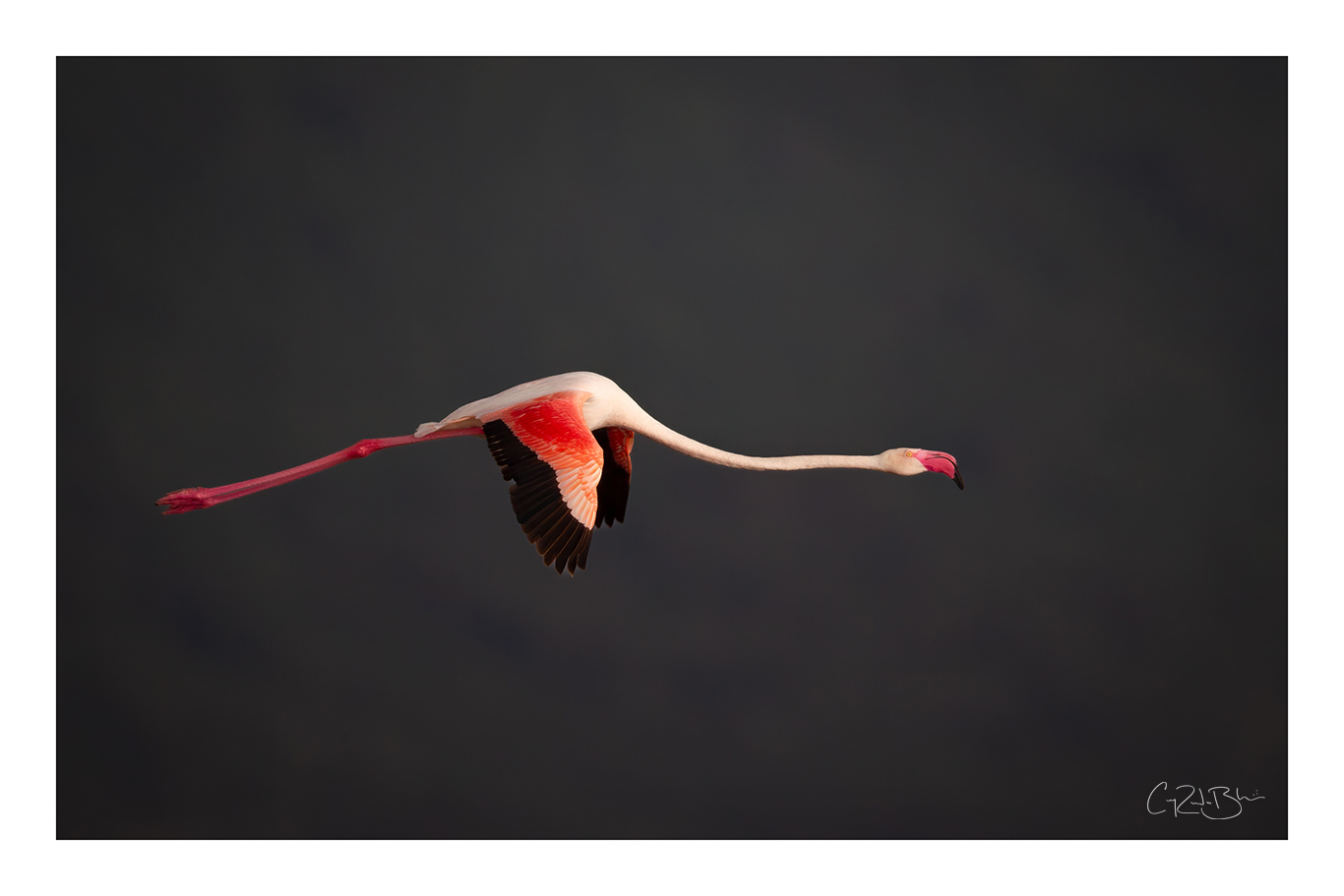
Birding Doesn’t Have to Be Expensive
Bird photography usually leads to expensive kits, but you don’t have to drop $15,000 to get a great set up. I think a full-frame camera is the way to go, DSLR or mirrorless.
Adapting EF “Big Whites” to the RF mount gives terrific performance. Canon does say cameras like the EOS R3 will drive autofocus quicker with RF mount super telephotos. In the real world? You won’t notice and you shouldn’t be afraid of going the EF route for great value.
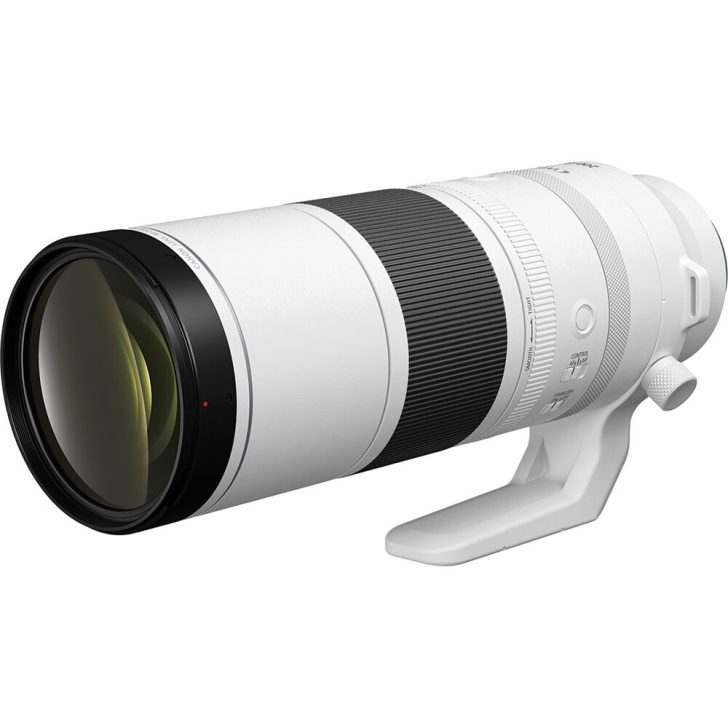
Affordable Canon Lenses for Birding
- Canon EF 400mm f/2.8L IS USM $2849
- Canon EF 400mm f/5.6L USM $684
- Canon EF 500mm f/4L IS USM $1809
- Canon EF 600mm f/4L IS USM $2349
- Canon EF 800mm f/5.6L IS USM $4349
- Canon RF 200-800mm f/6.3-9 IS USM $1899
The slower lenses do provide additional challenges, as you have to pay more attention to your backgrounds to keep things clean, but there’s no reason that you can’t. The RF 200-800 f/6.3-9 IS USM is great for birds in flight if you’re on a budget and need reach.
Summary
The older “Big White” lenses are a fair bit heavier than the latest and great RF mount versions, but if you’re using gimbals or bean bags, the weight won’t be too much of an issue for most people. If you plan to do some birds in flight with the big lenses, it could get tiring pretty quickly.
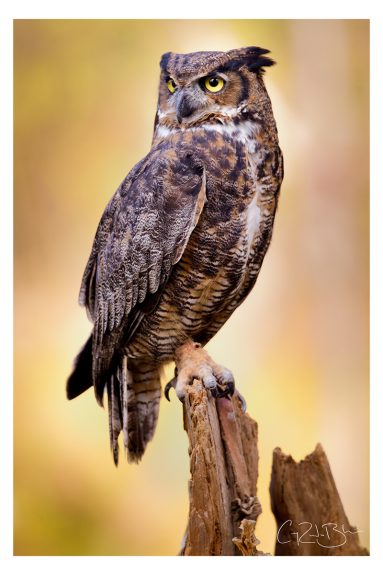
The EF 500mm f/4L IS USM is a great balance of reach and weight. It takes teleconverters extremely well and that’s probably the way I’d go if I was choosing a budget big white.
The EF 800mm f/5.6L IS USM is a terrific lens, it vignettes wide open, but that doesn’t really matter anymore. If you’re into shooting smaller birds like warblers, the added length will be appreciated, but I think that sort of thing has to be your focus for an EF 800mm f/5.6L IS USM to be the right choice.
Also don’t be afraid to buy well loved pro gear, the paint doesn’t matter. You can put a nice coat on it anyway. You can save a lot of money going that route as well.
There are so many options available, and that’s why shooting Canon for bird photography is never a bad choice.
Source: Camera Beta






The 100-500 is such a brilliant lens.
I'm not a birder, but somehow have some nice shots of birds. 90% of them are with lenses in the 300mm-400mm range. Right place, right time sort of thing I guess.
I use the 200-400 primarily for larger animals like wolves, lynx, bears, etc., and I love it for its light intensity and image quality.
For birds, I only use it when I'm shooting from a hide and have scouted the birds beforehand and know I can get very close.
I bought the 200-800 specifically for birds, so I can use it when hiking or when shooting small birds from a hide.
The image quality is very good, but of course, it doesn't come close to the 200-400.
* Why do you bother with AI-written rumors ?
* Several rumors says "0 comments" because they don't have threads attached.
The R5 and R5 Mark II are expensive.