


When you purchase through links on our site, we may earn an affiliate commission. Here's how it works. |
I read a report on DCLife, which highlighted an interview in the Nikkei newspaper with Canon's Canon's Chief Financial Officer (CFO) Toshizo Tanak. Canon's CFO said Canon is thinking about outsourcing camera and printer for more production for some lower‑end cameras and printers. The main goal of the outsource is to boost the Return on Equity (ROE). As DCLilfe explains;
Also known as return on shareholders' equity, ROE is a financial indicator that quantifies how efficiently a company is using its capital to generate profits, and is one of the financial indicators that investors view as important.
The change is expected to start next fiscal year. The whole effort connects to finishing the medium-term plan, Phase VI, which runs through 2025, and to gearing up for the next plan. I suspect the models would be entry-level gear, such as beginner mirrorless bodies, or compact point-and-shoot cameras, as this is what Canon has traditionally outsourced outside of Japan.
I can certainly see why Canon would be looking to outsource these products to cheaper labor countries, as these items are not high-value items, and it becomes more difficult to maintain a good operating income.
Background
Canon's stock fell 5 percent year-to-date as of early December 2025. This really stands to reason, as I saw that U.S. Tariffs hit the imaging side of Canon's business fairly hard, but not only that, but the tariffs also hit printers and medical gear.
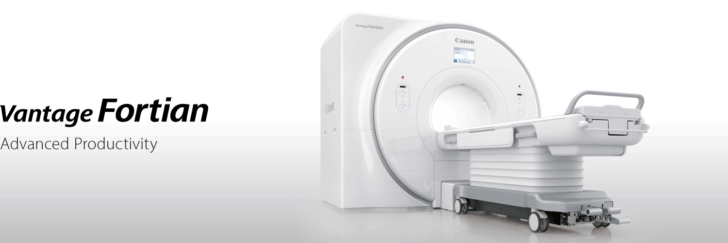
Canon manufactures a lot of products that aren't camera-related, including its diverse medical imaging equipment, including MRI machines. These are large, complex, and the price can reach over 1 million USD for a unit.
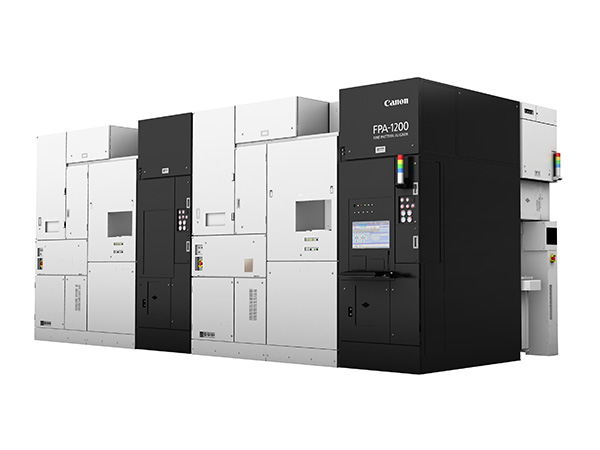
Canon's nanoimprint lithography technology is still getting some excitement. The nanoimprint lithography tech is challenging the players in the semiconductor market, as it provides a more cost-effective method of producing small design rule semiconductors. Even Canon's other lithography equipment is still being developed as Canon expands its market. Not the entire world's supply of semiconductors requires sub-10 nm production, and that's where Canon, Nikon, and others deliver solutions.
Outsourcing is not new in the industry. Many camera brands use outsourcing without losing manufacturing quality (For instance, Nikon, for the longest time, has manufactured their cameras in Thailand). Canon used to manufacture in Thailand, Taiwan, China, Malaysia, and other countries. Outsourcing development isn't new to the major Japanese camera manufacturers.
Canon still outsources quite a bit, but it’s a confusing mess on the camera front, with the R100 manufactured in Japan, while the R50 is manufactured in Taiwan. My theory is that Taiwan didn't want to be associated with the R100, and Canon had to force Japan factories to make it. Canon still manufactures many of its cheaper STM lenses in Malaysia.
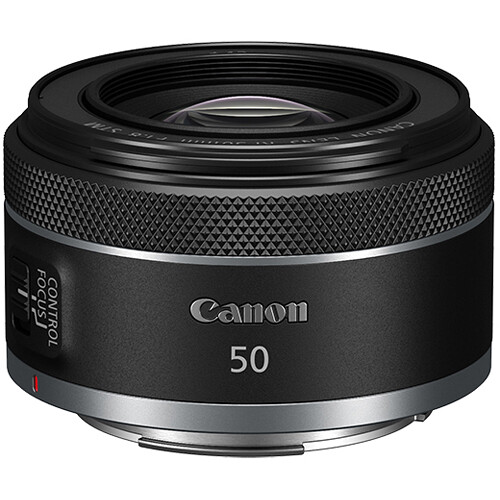
Most of Canon’s cameras and all of Canon’s L-series lenses are manufactured in various locations in Japan.
The Benefits
Having flexible manufacturing outside of Japan could help ease the conflict with the ongoing trade issues and tariffs, and give Canon more options if the tariff situation changes. This could be strategic because it's anyone's guess who's going to have the higher tariffs tomorrow or next year.
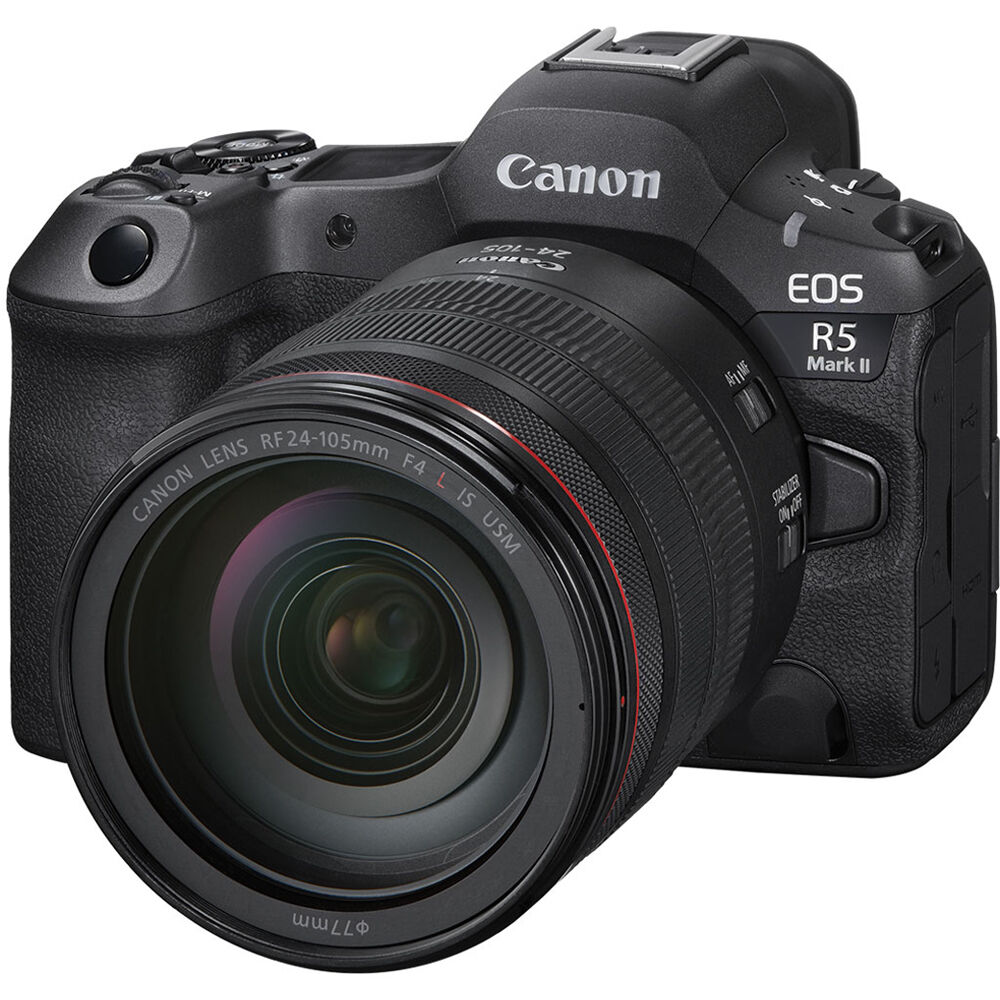
Outsourcing would let Canon focus local manufacturing resources on Canon's high-end models, such as the R1 or the R5 series. This may perhaps help eliminate some of the back orders and supply chain issues that have plagued almost every single Canon camera release since 2020.
Canon has been pretty reluctant to do a lot of the lower-end mirrorless cameras that they used to do, for instance, with the EOS-M series, and also the PowerShot lineup. Outsourcing could give Canon a means to deliver the lower end of the market competitively, but also with decent margins to satisfy shareholders.
Closing Thoughts
The question is whether the smaller margins on the budget gear will bring the features later or whether the change is pure cost-cutting. Canon doesn’t need more R100’s, but they do need some really good R200’s like the M200, and cameras that are small and cheap like Canon’s EOS-M once delivered.
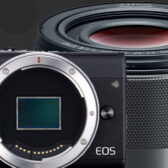
Overall, I think it’s a good thing, as it provides many more options for Canon to deliver cost-effective cameras and yet still have the margins they need for shareholders. As long as they don’t clone the R100.




I thought much of it was as well.
See: https://www.dpreview.com/news/1370528730/canon-shutting-down-zhuhai-factory-in-south-china
and
Why Canon Is Closing Its China Factory and What It Means for the Industry
Besides, logistics, packaging, testing cannot be fully automated.
And yes, my initial post (meanwhile corrected) could lead to such a treacherous attack. 😡