

When you purchase through links on our site, we may earn an affiliate commission. Here's how it works. |
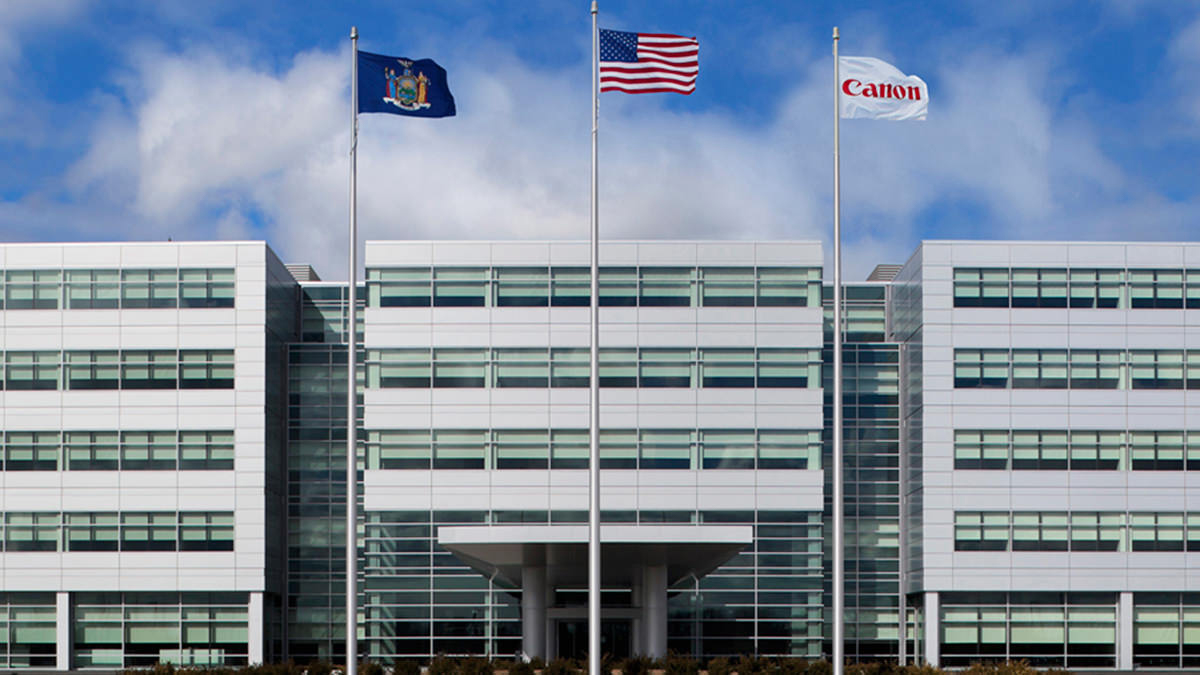
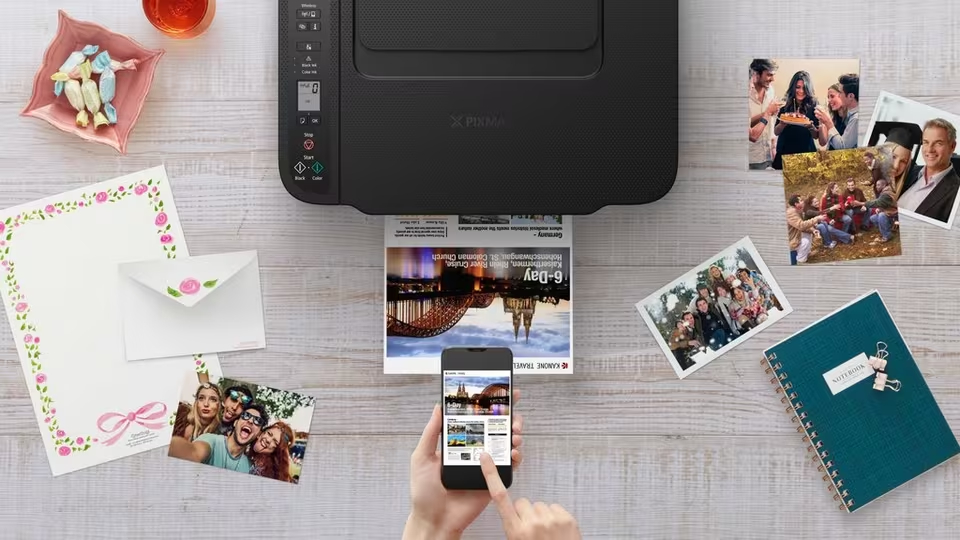
Canon Inc. and its subsidiary in the U.S. (Canon USA) are being sued by an Irish company named Malikie Innovations Ltd. They claim that Canon's digital cameras, printers, and mobile app use Wi-Fi technology that infringes six of Malikie's patents. These patents are related to how devices wirelessly connect to either a network or an app for purposes like sharing photos or printing.
The lawsuit was filed on November 12, 2025, in a Texas-based court with case number 1:25-cv-01826. Malikie, together with its investment partner Key Patent Innovations Ltd., is pursuing a remedy for Canon's use of the patented technology without a license.

How it started
The initiation of this dispute began back in March 2024 when Malikie attempted to have Canon enter a licensing agreement for its patents. Malikie sent a letter, multiple emails, and requested meetings with representatives from Canon to resolve the matter amicably, but Canon failed to proceed with the transaction. After six months, Malikie filed their infringement claims with the U.S. federal court. The patents in question are U.S. Patent Nos. 7,747,934, 9,218,434, 10,484,870, 10,003,730, 9,143,323, and one other. The patents describe the functionality of Wi-Fi in Canon's devices (for example, a camera sending images to a phone, or a Wi-Fi printer enabled as a client connected to a network indicative of protocol).
This isn't the First Time for Malikie
Malikie Innovations is not a newcomer to this type of confrontation. They possess ownership of patents from BlackBerry, primarily in wireless technology, and their partner, Key Patent Innovations Ltd., assists in managing the patents. They have sued several large companies, such as Nintendo and Acer, for employing a similar type of technology in their products. They are now bringing a suit against Canon for the Wi-Fi found in cameras and printers, which they have identified as popular multi-function devices used by photographers and consumers alike.
Thus far, Canon has merely issued the original press announcement, indicating that they had no public reaction regarding the lawsuit. Canon has been the defendant in patent lawsuits previously. Canon may decide to litigate this proceeding or ultimately decide to settle it more discreetly. It is far too early to determine what will result from this case.
Closing Thoughts
For those of us who use Canon products, at this point, nothing will change; you can still purchase cameras and printers, and the mobile app will still perform as designed. But in the future, if the suit continues to progress or if Canon loses, the situation may change. Canon may have to make a payment to Malikie, which would escalate costs. Canon may also find itself having to redesign some function of Wi-Fi capability to modify future products or significantly reduce available options for multi-functional devices.
It's too soon to know what will happen, but we will wait and see what Canon does in this case.





I think we all can agree on this.