
When you purchase through links on our site, we may earn an affiliate commission. Here’s how it works. |
CIPA has released the numbers for 2025, and they show an interesting trend that we’ve talked about here for quite some time now, which is the interest in compact cameras, especially in Asia.
But first, about CIPA. CIPA stands for Camera & Imaging Products Association and they set various camera, testing, and specification standards that the camera companies all conform to (ever wonder where the shots per battery charge testing strategies come from? That is defined by CIPA standards).
As well, all the camera companies in Japan pass in their raw data, which CIPA then reports on. This gives us an excellent view of the industry, but we have to mention that this does not cover China, South Korea, and other manufacturers of note. This may not be important for cameras, but it is important when you consider the lens reports.
Overall, the breakdown by camera type and also by region, gives us the most detailed look at the camera industry market that we have available.
Interchangeable Lens Cameras
DSLR shipments over the year have continued to fall, and are now almost a rounding error on the CIPA charts as the camera companies still making DSLRs only shipped out 6 thousand DSLR cameras that had an average value of around 44,000 yen or $283 per unit (this is the export value, the retail price may be 2 times this or more). Comparatively, the mirrorless manufacturers shipped out 6.311 million cameras with an average value of 110 thousand Yen or $712 USD.
What this means is that what DSLRs are being sold are mostly the lower end DSLR’s as shelf stuffers, and any prosumer or professional cameras are now firmly in the mirrorless world. This is the course that should surprise absolutely no one at this time.
Interestingly, the mirrorless value per unit has dropped this last year, as the number of units shipped is up 12.5% from 2024, while the value has only increased by 3.4%. There could be several reasons; the Japanese companies are eating some of the tariffs, and also the Japanese manufacturers are decreasing prices as competition heats up in the industry.
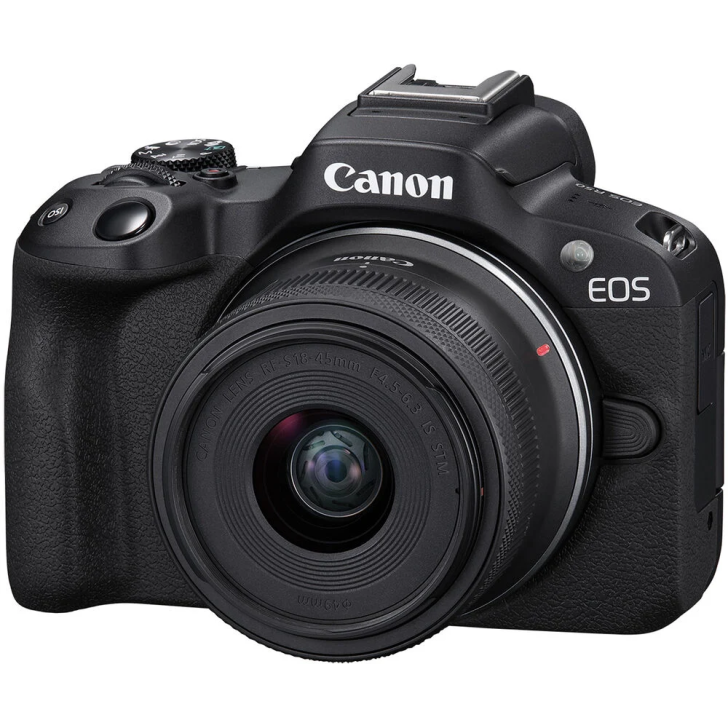
Overall, the market increased for interchangeable lens cameras, which should be welcomed news to the camera companies, as the total number of units shipped in 2025 was 5.9% more at 7 million cameras than in 2024.
Compact (Built-in Lens) Cameras
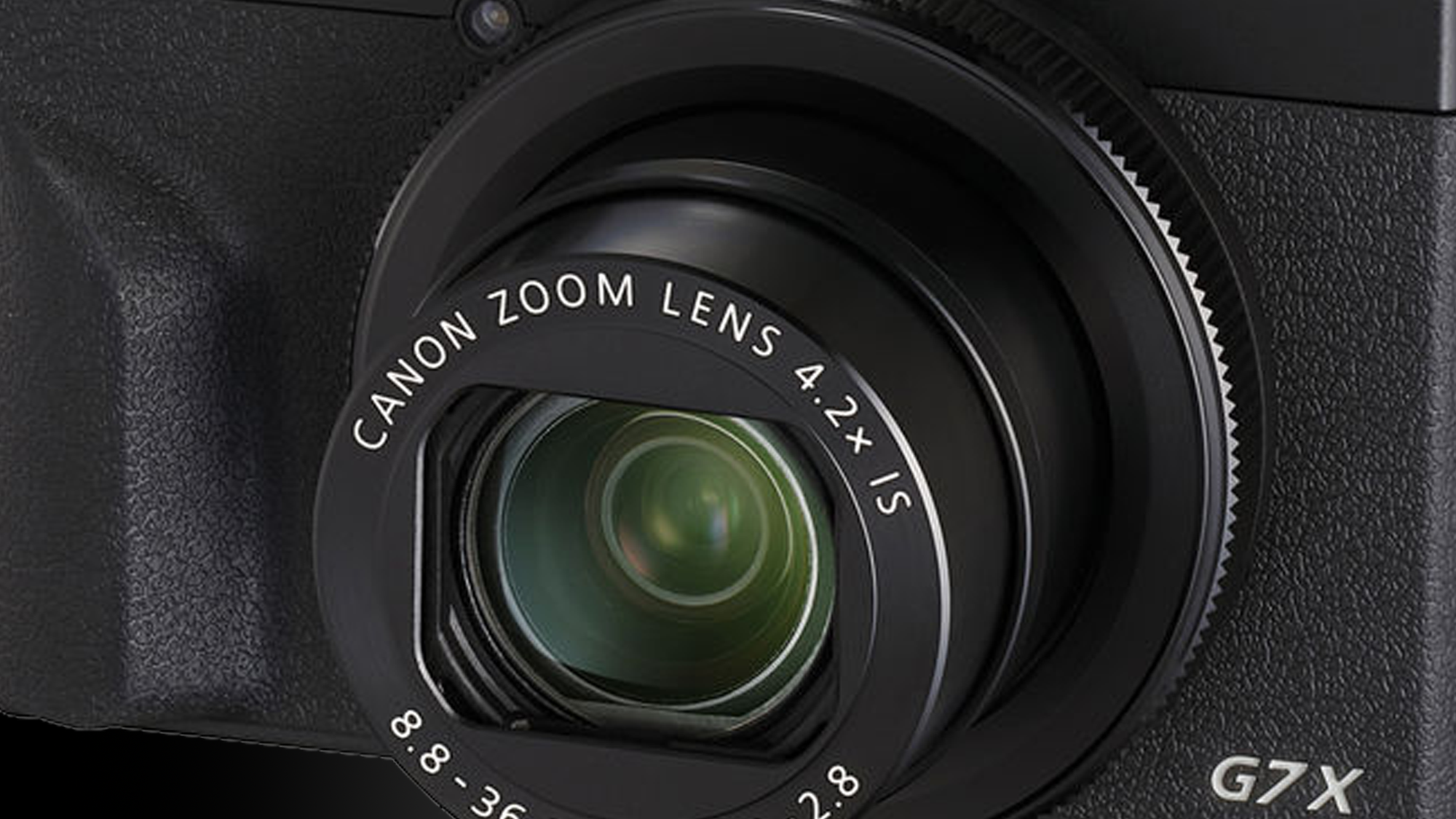
I realize that calling this segment “compact” cameras is a bit misleading, because some of the cameras in this segment are certainly not what you’d think of when you consider a compact camera. Of course, some are, such as Canon’s hugely still popular G7X Mark III.
But there are others in this segment that are so popular that when a new version comes out, expect long wait times and months of backorders. The Fujifilm X100 series is a good example of a built-in camera with a huge following, and is certainly not “compact”.

Compact cameras had an amazing year, showing a 48.9% growth in value shipped and 29.6% increase in the number of units. Basically, the Japanese camera companies are selling more compacts at ever-increasing prices. As we have been saying for a long time now, there’s money to be made in this segment, and hopefully the camera companies will respond with some true innovation, and not just “limited editions” of a nearly 6-year-old camera.

While the average value of the cameras is lower than that of mirrorless cameras at 62 thousand yen or 400 USD, it’s actually not as low as one may think when you consider how expensive the professional mirrorless cameras are.
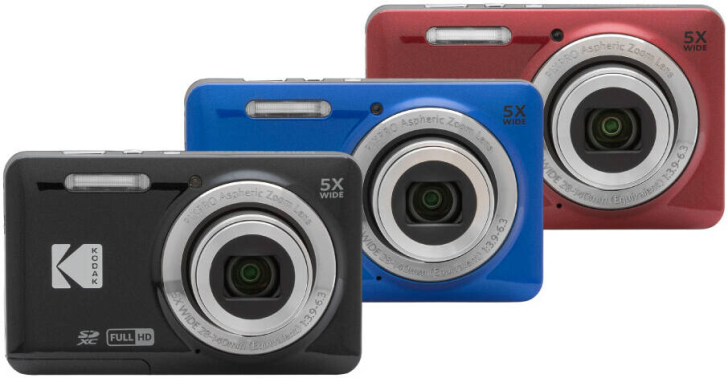
Now, to be fair here, much of the value comes from only a handful of compact cameras, and the rest of the units are extremely inexpensive and almost marketed as consumer gadgets. A good example is the top-selling compact camera in Japan, the Kodak FZ55, with a retail price of under $200.
Regional Look
We’ve usually focused more on the regional aspect of the market and how that has shifted from the traditional markets of the Americas and Europe to more Asia, led by the significant market growth in China, and that really hasn’t changed much.
China
When it comes to interchangeable lens cameras and is important to the Japanese camera companies; mirrorless compares the overwhelmingly largest region is China, with nearly 2 million cameras shipped to China in 2025. This region was also one of the largest mirrorless growth market by number of units and value gains over 2024 of any major region globally (15.9% and 4.8% respectively).
China has lagged when it comes to compact cameras, though, but even there, they had the strongest growth in the overall market with 50% more units and 67.2% more value shipped in compacts in 2025 as compared to 2024. Interestingly, the average value of those compacts was 74 thousand yen, which seems to indicate that high-value compacts are moving into China. Which makes sense, one looks through aliexpress and you can see thousands of cheap consumer compact cameras flooding the Chinese market. They certainly don’t need those.
Americas
The Americas market is dominated by the United States, but still consists of all of north, south and Central America which is a very large and diverse market. It would be interesting to see this broken out a little more in finer detail.
The Americas is still the largest DSLR market in the world – perhaps all those Amazon sellers have something to do with it. The Americas also had impressively growth in mirrorless cameras showing the best gains of 2025 with a 16.1% growth in units and a 2.1% growth in value.
As well, the Americas were the largest market for compact cameras and showed an excellent 25.6% growth in number of units and a very impressive 40.7% growth in overall value, which indicates that more expensive compacts are entering in the Americas market than in 2024.
Japan
Japan per capita gets more cameras than any other region. Even with a much smaller population, they almost match the Americas in terms of number of compacts shipped (525 thousand versus 590 thousand) which shows just how popular compact cameras are in that market. Japan also shipped far more compacts than in 2024, showing growth of 19.7% in units and an impressive 62.7% increase in value.
The same can’t be said for the interchangable lens market which is down for both mirrorless and DSLR’s and overall the market is down 17.8% from 2024 in units and 13.6% by value. Something I’m sure the Japanese manufacturers are paying attention to.
Europe
Europe is the third most important camera region in the world with a strong number of interchangable cameras, and also compacts shipped to this region.
Overall those, unlike the other regions, interchangable lens units and value has remained flat, this accounted by a steep drop in DSLR shipments. So even though the mirrorless cameras segement shipped more into Europe, overall, the numbers are flat. To be honest, I doubt any of the manufacturers (even Canon) cares much about that, and are extremely pleased with the 14.8% growth in mirrorless units and the 4.2% growth in value of the European Market.
The compact camera segment also showed excellent growth with a 24.8% growth in untis and a 36.4% growth in value.
Closing Thoughts
Compact cameras are a thing, and becoming very important to the bottom line of the large camera manufacturers in Japan. With the increase of the average value per unit, it should mean that unlike the usual race to the bottom we see in the industry, we make get more prosumer grade compact cameras in the future. Hopefully not just from Fujifilm, here’s looking at you, Canon.