

When you purchase through links on our site, we may earn an affiliate commission. Here’s how it works. |
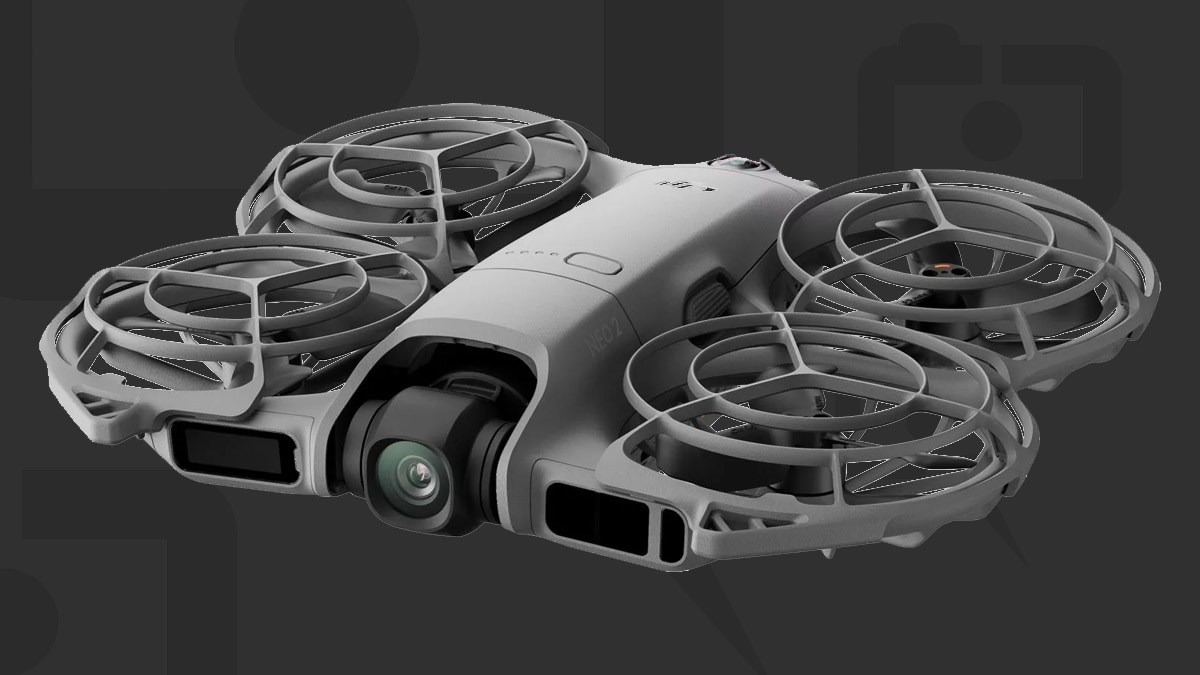
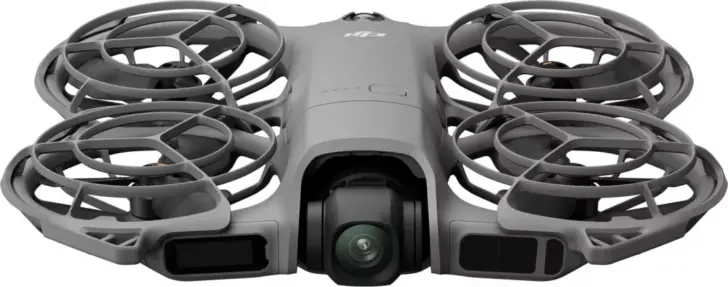
DJI has just introduced the Neo 2, a new model of its compact Neo 2 drone designed for beginners that is targeted at making aerial videography more mainstream. Weighing in at 151g, the Neo 2 is DJI’s lightest model equipped with omnidirectional obstacle detection. The Neo 2 is also equipped with video features, improved wind resistance, plus enhanced controls such as gesture recognition and voice commands.
Key Upgrades for Safety and Stability
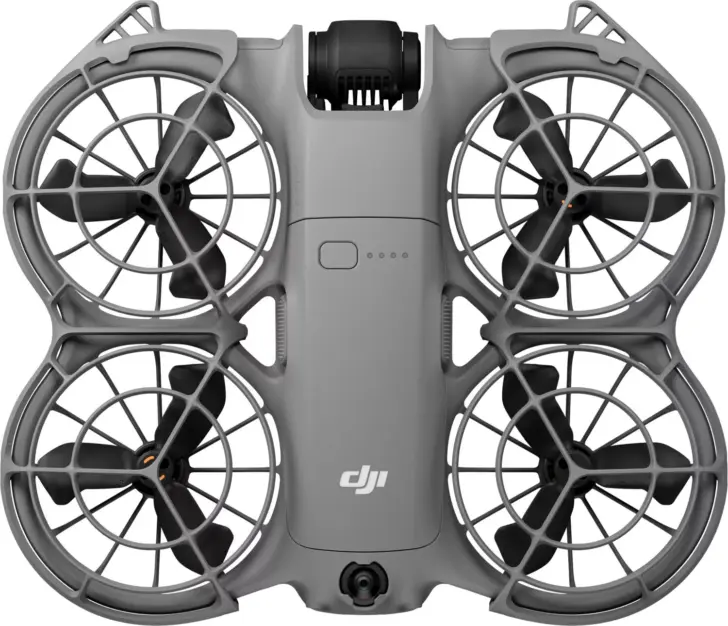
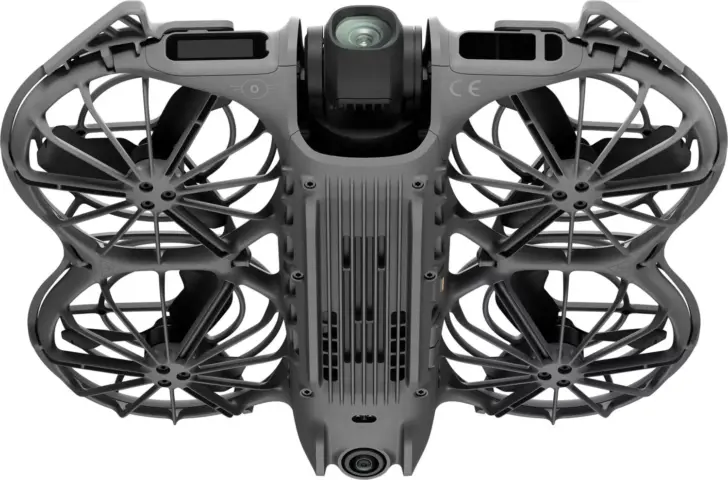
The first-generation Neo struggled with collisions due to its limited downward-sensing abilities. The Neo 2 addressed this by integrating a new vision system along with forward-facing LiDAR and downward infrared sensors. This allowed real-time detection of obstacles coming from anywhere. And, of course, prop guards enhance safety quite a lot, especially for pilots like myself.
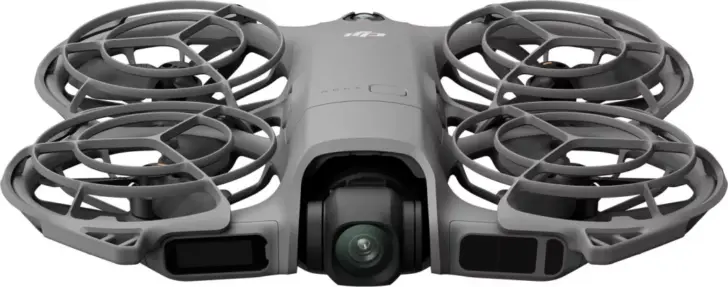
The Neo 2 has seen significant improvements in wind resistance, being able to withstand gusts between 29 and 38 kph (19 to 24 mph) compared to the range of 20 to 28 kph (13 to 18 mph) on its predecessor, so it should offer a smoother flying experience even in non-perfect weather. The drone is now equipped with a two-axis gimbal that improves stabilization over the earlier single-axis version.
Enhanced Video and Tracking
The Neo 2 uses the same 12MP 1/2-inch CMOS sensor as its predecessor but ups the ante in terms of video creation. The New 2 does 4K recording at up to 100fps from a previous maximum of 30fps; it also does vertical video recording at 2.7K resolution, instead of being limited to just 1080p. The lens aperture has also been improved upon, moving from f/2.8 to f/2.2. RAW file support is still not part of the Neo series’ feature list.
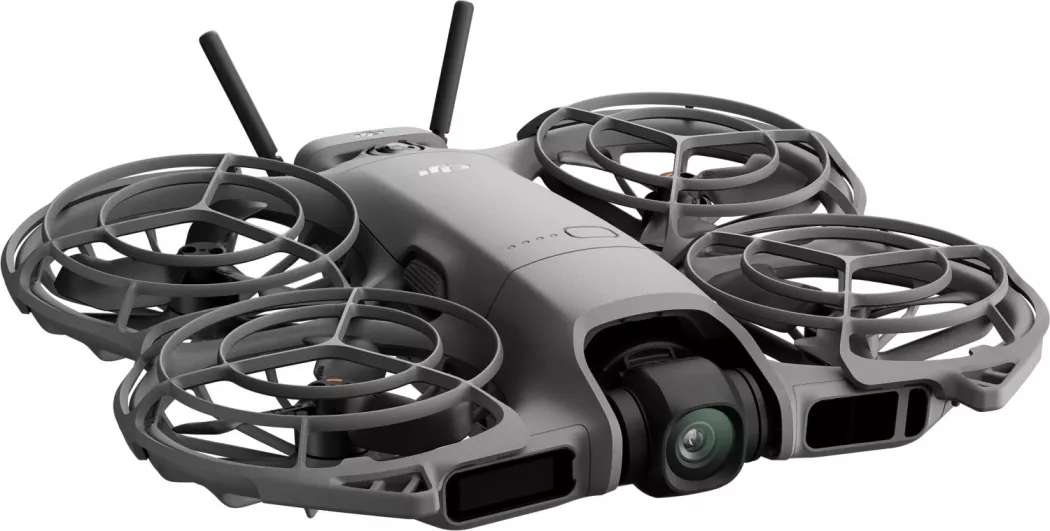
Tracking features have been upgraded with quicker tracking and increased stability, even while moving at speeds of up to 12 m/s. The new SelfieShot mode makes the process of capturing hands-free photos easier by auto-adjusting framing.
Practical Design
The Neo 2 offers 49GB of internal storage compared to the previous model’s 22GB. Wi-Fi transfers to the DJI Fly App are also supported, boasting a theoretical speed of up to 80 MB/s. The Neo 2 weighs 151g – heavier than its predecessor. Unfortunately, it is not currently available in the United States because of potential restrictions on DJI products. Pricing for international buyers starts at €239 or £209 for just the drone unit alone.
Purchase from Foto Erhardt
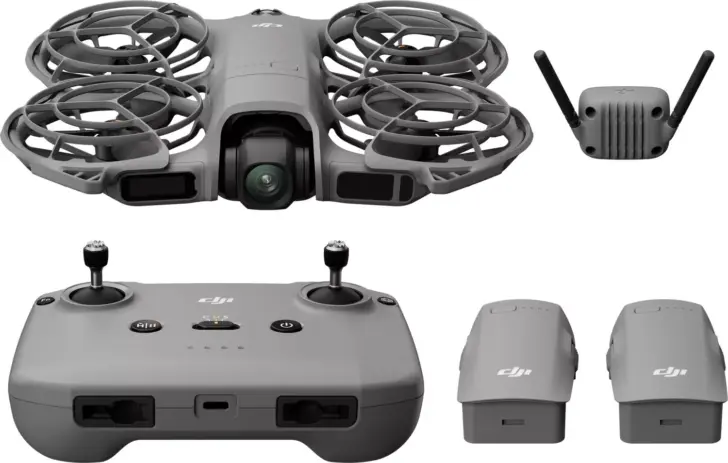
DJI Neo 2 Fly More Combo 399,00 €
DJI Neo 2 + Intelligent Flight Battery – 269,00 €
Press Release
DJI Launches Neo 2: Follow-Me Camera Drone Returns Safer with More Creative Ways to Fly
Omnidirectional Obstacle Sensing, Palm Take-off & Landing and Gesture Control combine for the ultimate beginner drone
13th November, 2025 – DJI, the global leader in civilian drones and creative camera technology, today launches the Neo 2. At just 151g1, Neo 2 is DJI’s lightest and most compact drone1 equipped with omnidirectional obstacle sensing1 to date. It features gesture control1, allowing complete operation by hand, SelfieShot for capturing moments with minimum effort and improved ActiveTrack1 to make low-altitude, follow-shooting during activities such as running or cycling even easier. Easy to fly for beginners, Neo 2 is ideal for family outings, outdoor sports, travel and FPV experience, always capturing best moments as a personal follow-me camera drone.
Master Content Capture in a Couple of Clicks
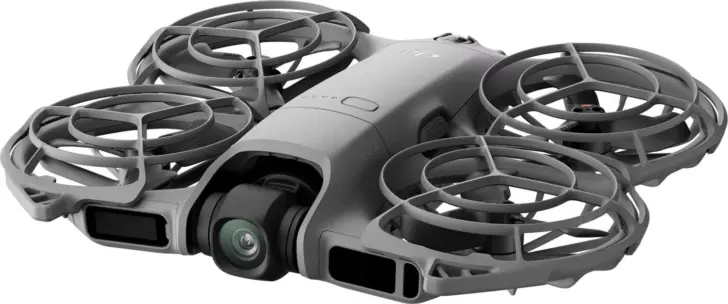
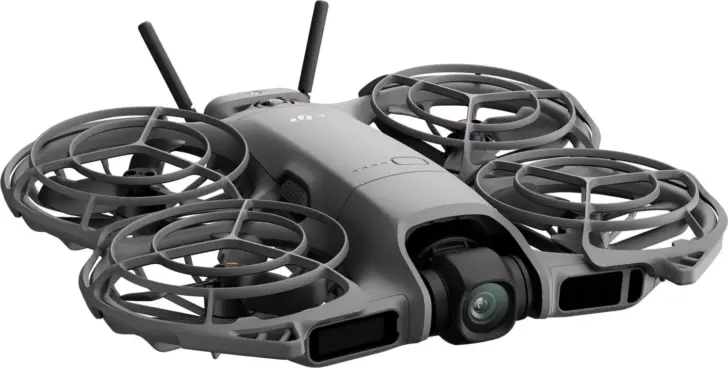
The Neo 2 features a new small onboard display to the left of the camera when facing the drone, which clearly shows the selected shooting mode. The drone can be launched from the palm1 by the user pointing it at themselves and pressing the take-off button. After completing the desired content capture, the innovative Return-to-Palm feature1 allows Neo 2 to precisely locate the user’s palm, return safely and land steadily, making flights easier than ever.
Gesture Control and Multiple Ways to Fly
When using Gesture Control, its direction and proximity can be controlled by using one palm or both. With a single palm, the drone’s left/right movement and altitude can be controlled; users just need to face the drone and raise hand with the palm directed toward the drone. With both palms facing the drone, users can move the hands apart to make the drone fly away, while bringing the hands together to make it approach. No remote controller is needed for camera angle adjustment.
The Neo 2 also supports voice control1, allowing flying commands to be sent by smartphone or Bluetooth headphones during any sporting or other activity. For those looking for a longer transmission range, Neo 2 can be paired with the DJI RC-N3 remote controller to achieve a maximum video transmission distance of 10 km1.
Whether the user is using the drone without a remote controller1 or is pairing the drone with a motion controller1 and goggles for an exciting FPV1 (first-person view) immersive experience, there are multiple ways to control Neo 2.
Smart Capture, Sharp Results
Neo 2 features a 12MP, 1/2-inch CMOS sensor with an f/2.2 aperture and high-performance image processor for clearer, low-noise footage stabilized by a new 2-axis gimbal. When combined with DJI’s signature ActiveTrack and new SelfieShot, subjects are automatically framed for smooth, hands-free shooting from start to finish. With multiple intelligent shooting modes unlocking fresh perspectives and with 4K video recording1 at up to 100fps1 for slow motion1 or 2.7K vertical video, Neo 2 delivers crisp, detailed and cinematic-quality footage.
The Neo 2’s enhanced tracking performance offers faster response and improved stability, enabling smooth and steady tracking for running, cycling and more. In open areas, it can track at speeds of up to 12 m/s1. Eight-direction tracking (forward, backward, left, right and four diagonals) produces more natural follow shots and expands creative possibilities. In complex environments, the drone can switch to rear tracking mode, steadily keeping the subject in focus and providing confident creative freedom.
When it comes to capturing solo or group moments hands-free, Neo 2’s new SelfieShot allows the user to effortlessly switch between waist-up, full-body and long shots without a tripod or any extra assistance. Whether it’s birthday parties, weekend picnics or family outings, Neo 2 automatically composes every scene and maneuvers the camera as needed to capture cherished moments with just a tap.
Intelligent Shooting Modes, Stunning Shots
Neo 2 supports intelligent shooting modes, such as Dolly Zoom, QuickShots and MasterShots, offering diverse perspectives and making standout footage simple to create.
Dolly Zoom: Supports Hitchcock effect and enables users to create stunning videos for social media.
QuickShots: DJI’s signature QuickShots includes Dronie, Circle, Rocket, Spotlight, Helix and Boomerang, allowing captivating cycling, skateboarding or any other activity follow shots to be created with ease.
MasterShots: Automatically captures diverse shots with creative camera movements, and intelligently edits with music to produce high-quality videos.
Triple Protection for Beginner Confidence
The Neo 2’s omnidirectional monocular vision system, combined with forward-facing LiDAR and a downward infrared sensing system, detects obstacles in real time for safe, confident flying. Coupled with an integrated propeller guard design, which provides all-around protection, beginners are given peace of mind when operating the drone. Furthermore, Neo 2 supports versatile flight1 with enhanced hovering and positioning capabilities over Neo, making it easier to navigate challenging environments such as indoor, close to buildings and over water or snow.
Create with Ease and Efficiency
With level 5 wind resistance, up to 19 minute1 flight time and 49GB internal storage, Neo 2 can save up to 105 minutes of 4K/60fps video, up to 175 minutes of 4K/30fps video or 241 minutes of 1080p/60fps video. Once saved, no extra data cables are needed to transfer the footage; connecting to a phone by Wi-Fi will quickly transfer it to the DJI Fly App at up to 80 MB/s1 enabling smooth post production and sharing.
1For more information, please refer to https://www.dji.com/neo2. All data was measured using a production model of DJI Neo 2 in a controlled environment, actual experience may vary.
Image Gallery



0 comments