
When you purchase through links on our site, we may earn an affiliate commission. Here's how it works. |
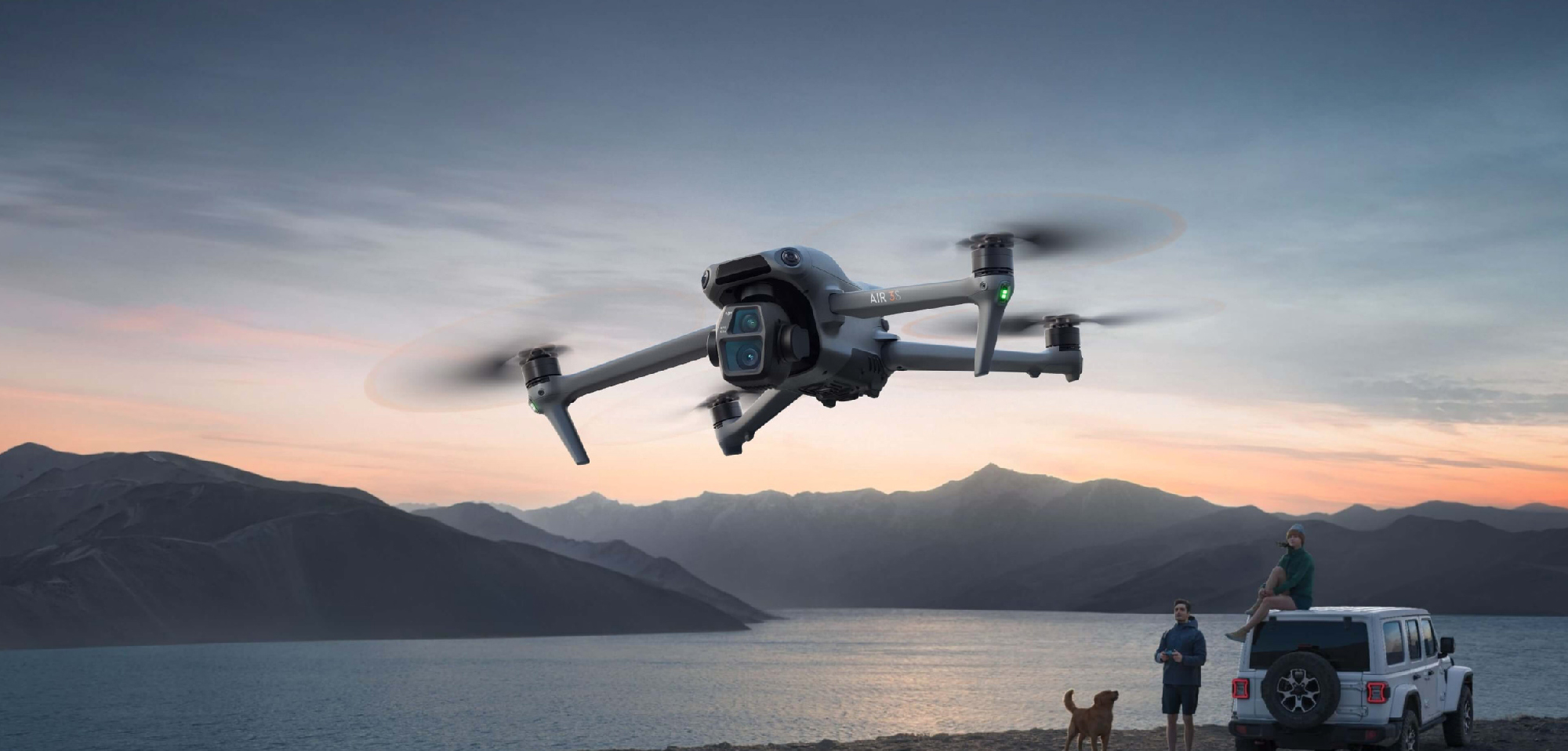
From January 13th, DJI has changed geofencing on its DJI Fly and DJI Pilot flight applications.
As DJI had mentioned in their blog post when geofencing was added to the applications to prevent drone pilots from flying in more restrictive areas, the pilot training and understanding level was more limited, and there were fewer (or none) formal rules around drone flights. Geofencing was a means to prevent accidental and unintended flying in restricted airspace.
But that was in 2013, and times have changed, as DJI mentions
Since then, global regulations and user awareness have evolved significantly, with a greater focus on geo-awareness and Remote ID solutions which makes detection and enforcement much easier. National aviation authorities, including the European Aviation Safety Authority (EASA) in the EU, the UK Civil Aviation Authority (CAA), and the FAA in the U.S., have established comprehensive geographical zones for unmanned aircraft systems (UAS) and enforce drone regulations.
DJI has already, in early 2024, updated its applications for Europe, and now has moved to set up the same applications rules for operating in the USA. So, for now, the apps will alert you if you are flying close to FAA-designated zones, placing full control back in the drone operator's hands. This is now more in line with regulatory principles as the operator bears the responsibility to know where they are flying.
DJI reminds pilots to always ensure flights are conducted safely and comply with local laws and regulations, not to mention use some common sense.
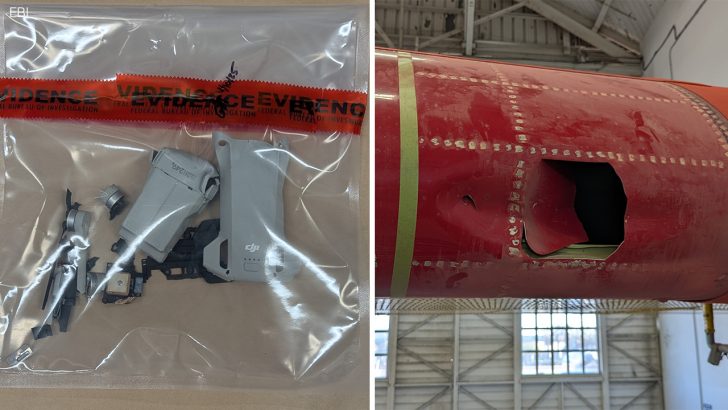
I did have a much stronger description of the drone pilot in the caption. I think you can all guess where I'm going with that and use your own choice of words.
Not even media, etc are allowed to fly drones where TFR (temporary flight restrictions) are in place by the FAA. This is usually due to emergencies or special events, and as the FAA has publically stated;
“Even if a TFR is not in place, drone pilots should avoid flying near wildfires,” the FAA states. “It's a federal crime to interfere with firefighting aircraft regardless of whether restrictions are established, and violators can face stiff penalties.”
https://www.faa.gov/sites/faa.gov/files/uas/resources/community_engagement/FAA_drones_wildfires_toolkit.pdfIf you are caught doing something like this drone operator, the punishments can be severe. The penalities can range up to 12 months in prison and up to $20,000 in fines. I would imagine that the FAA will take a very dim view to that drone that crashed into the Quebec super scooper.
If you are unsure about where you can fly, you can check the following FAA web application at FAA USA Data.
Drone Accident Image Source: ABC News