

When you purchase through links on our site, we may earn an affiliate commission. Here’s how it works. |
Now, I have personally been one to want an ultra-portable camera system and have whined about it continually. Now that Canon has finally listened to me and released the R50 V, I have to find something else to complain about.
Therefore, this topic is of great interest to me, but not only did I want a small camera system; I also wanted something practical.
The GF and GM series of Panasonic has intrigued me for a while. However, Panasonic, after transitioning to full frame, has essentially been ignoring its legacy m43 mount, having released a total of five cameras and two lenses since 2019. This left really only Olympus as the sole manufacturer going full out on the Micro Four Thirds mount.
There is a case for a small camera; we have discussed the growth in the compact camera market in Asia over the past two years. Generally speaking, carry-on luggage restrictions are now prevalent everywhere, with the notable exception of the United States (although it’s also being implemented there now as well). 7 Kilograms or 15 pounds doesn’t go that far these days, especially if you have a laptop, batteries, and other electronics you don’t want to pack in your checked luggage. It’s even tighter if you don’t want to check anything and are only bringing carry-on. In many instances, you may not have the budget for an extensive full-frame camera system that major manufacturers are urging you to purchase.
Esquisse
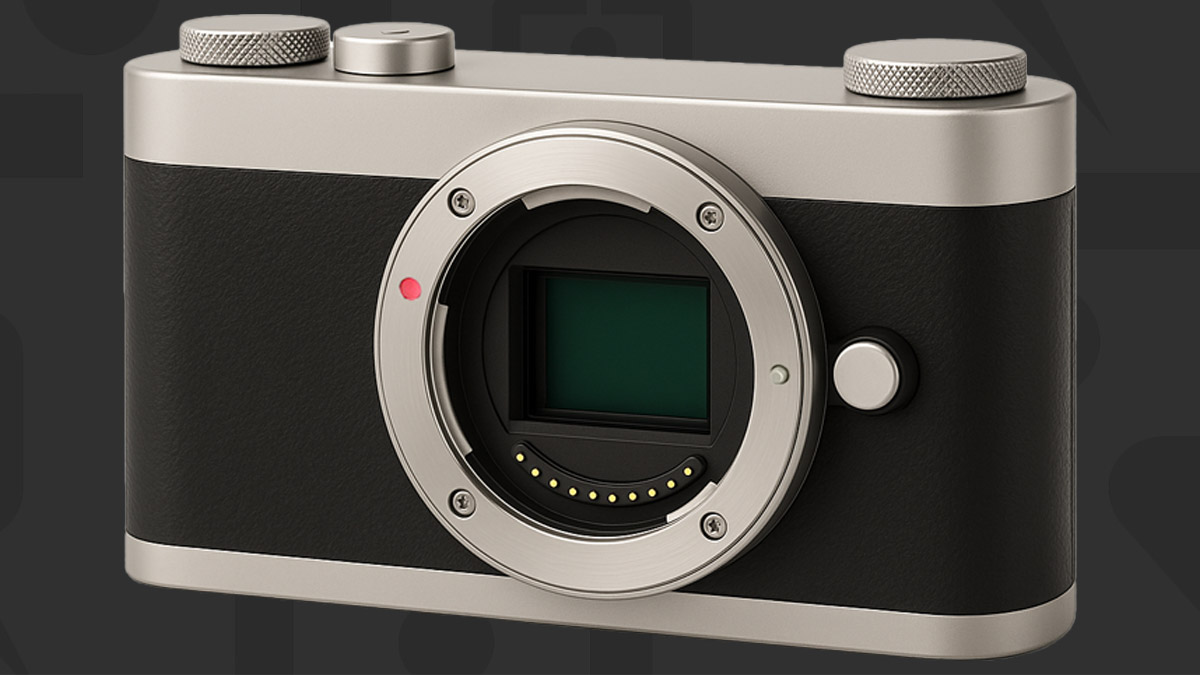
Esquisse is a new French manufacturer introducing a new M43 camera to the market. At first glance, it appears to draw design inspiration from Leica, incorporating the straight lines, minimalist design, and compact M43 size into a single package.
Their website reminds me of a hybrid between Leica and Apple marketing, but I do appreciate the design goal.
Every curve, every dial, every surface is crafted to be not just functional, but genuinely beautiful. This isn’t just a camera, it’s a piece of art that happens to take extraordinary photographs.
We’ve included the basic specifications below. Please note that these specifications are subject to change as the group continues to develop the camera actively.
Equisse Camera Design
DPreview sat down with them and discussed this camera and its design ethos, which is an interesting interview. I find it interesting that the people in the company are all amateur photographers who are frustrated with the current gear being offered by large camera manufacturers.
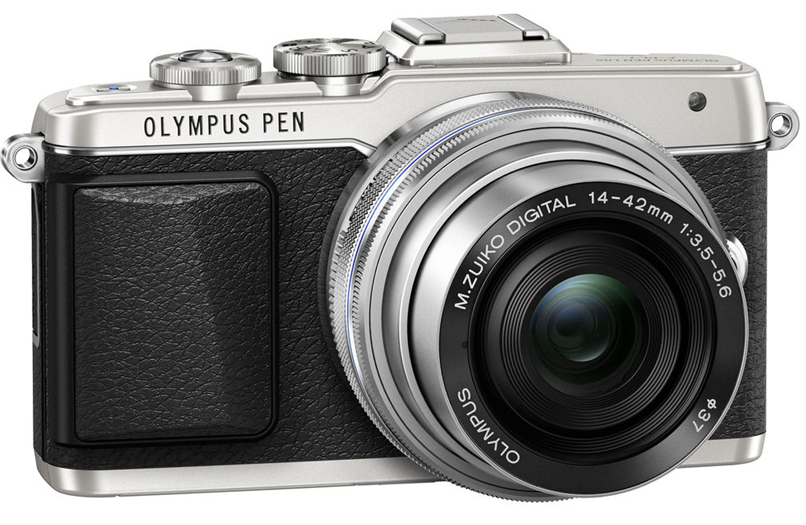
This, I think, is interesting because, at one time or another, most camera manufacturers have tried to enter this market, only to retreat. Canon had the EOS-M system, Nikon had the 1 system, Panasonic had a variety of smaller cameras, such as the GF and GM series, Olympus had the PEN series, and so on.
The Esquisse camera will be priced considerably higher than any of the smaller M43 models available, at around $1,500 to $2,000, which is even approaching the price of Olympus’s own professional-grade camera, the E-1.
Perhaps Some Missed Opportunities?
The specifications of the Equisse Camera seem decent, but a lot is missing, and it’s the devil in the details that will decide whether it’s a success or a failure. One exception is that this camera does not shoot video, despite being a mirrorless camera with a video feed. I can appreciate leaving it off for the sake of simplicity and getting a camera to market, but if you already have a video feed internally to drive the rear EVF and LCD, not including even the basics of video recording seems like a missed opportunity that is an easy target to hit. Obviously, you don’t need 8K60p RAW video with waveforms from the camera, but having basic 1080p would be beneficial.
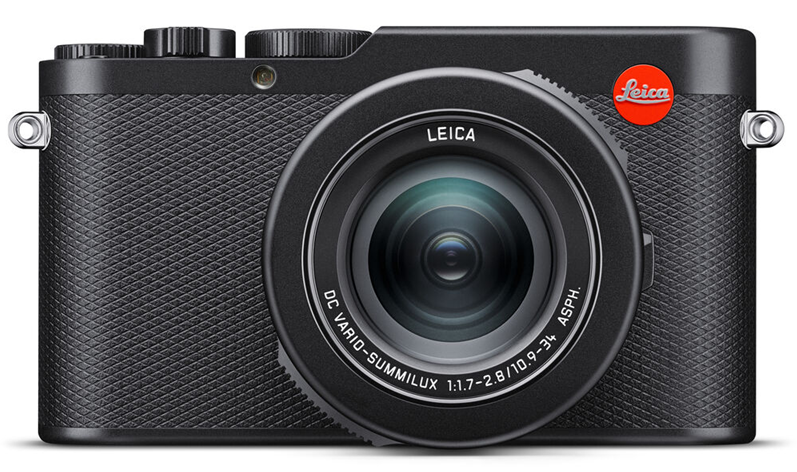
How much of a market is there for a minimalist M43 camera without any video options at a price point that will be around twice as much as any other offering? There’s a difference when you pay a premium for a Leica – you are paying for the Leica experience, both in using the camera and the knowledge that went into building it. There’s a history there. However, when you are a new brand that is getting uncomfortably close to the price of a Leica D-Lux 8, you also include a lens in the purchase.
Another notable omission appears to be the absence of a hot shoe. Flash photography is complicated; I don’t think Canon has ever achieved perfection, and they’ve been trying since the 1970s. I understand that simplicity is the nature of the camera. Still, a small compact flash can be helpful – especially one like the Viltrox Spark Z3. This omission is even more puzzling when you consider that you are working with a much smaller sensor than a full-frame or APS-C sensor, thus lacking the light-gathering capabilities of its larger counterparts. While your camera should get out of your way to take photographs, limiting your choices and options for taking those photos can be just as frustrating an experience. I can appreciate that their goal is to create a small, compact street shooting camera, but for $2000, I would expect it to be able to take a photo of Thanksgiving dinner with a small, bounced flash head as well.
The Market Segment
It’s not a new segment by any stretch of the imagination, but one thing that Esquisse seems to be doing, though, is charging a premium price on the experience. The problem I think that most outside of Leica had was that they equated small with also being inexpensive, and really didn’t leave much in terms of profit margin on the table and limited the market for them.
I appreciate that they are not doing the race to the bottom with the pricing, especially on their first camera, as that will give them room to potentially grow a product line in the future without being gimped by bringing a product in at an inexpensive price and then not having as many options to lower or raise prices in the future but the price will bring about expectations that I’m not sure they are anticipating right now
Then we have the small form factor, which will only last if you are willing to accept the compromise of a lens. Any good lens will undoubtedly fail to meet the design goal of being small and compact, and would you want to put a small, consumer-grade compact zoom lens on a $2000 camera body? Yes, there are some small primes available that would fit the bill, but then you would be competing against the Fuji X100 series or the Ricoh GR series, which have already been established and are dominant in the market.
My Closing Thoughts
Esquisse has stated that the overall design and specifications of the camera are indeed subject to change based on what feedback they hear from interested photographers, so if you are interested in such a project, reach out to them and share what you like, don’t like, and what you’d like to see from such a product. I’ll be watching them and seeing what they come out with in 2026, and I hope they get the standard camera manufacturers to rethink their compact system cameras and re-enter the market.
I have to cut the big manufacturers some slack as well. Many of the camera systems disappeared during the COVID-19 period and the related parts and supply chain crisis, and they never returned, partly due to the shock it gave almost every electronic manufacturer on the planet. It’s entirely possible that if COVID-19 had never happened, the camera landscape would look very different from what it does today.
I personally love small compact ILC cameras. I loved the EOS-M and EF-M 22mm package, but I wouldn’t have loved it at over $ 1,500 for the camera body only and probably around $2000 for simply the camera and a Micro Four Thirds prime. Do give Esquisse a read on their website, and let’s hope they come up with something good and we’re still talking about them 10 years from now.
Currently Suggested Specifications
| Sensor & Image Quality | |
| Sensor Type | 20MP+ Four Thirds CMOS |
| ISO Range | 200 – 25,600 |
| Autofocus | Multi-point AF System |
| Dynamic Range | 13 stops |
| Physical & Connectivity | |
| Dimensions | 105 × 70 × 35 mm |
| Weight | 350g (body only) |
| Battery Life | 300+ shots |
| Connectivity | Wi-Fi, Bluetooth, USB-C |
| Display & Controls | |
| Rear Screen | 3″ touchscreen |
| Viewfinder | 3.69M-dot OLED EVF |
| Control Layout | ISO and exposure compensation dials, clickable wheel at the back, 2 function buttons |
| Weather Sealing | Dust and splash resistant |
| Storage & Mount | |
| Storage | 256 GB Internal Storage |
| Lens Mount | Micro Four Thirds |
| Lens Compatibility | All MFT lenses with full AF support |
| Body Material | All aluminum unibody |


I believe the lack of flash might be caused by design choice of electronic shutter ... Like Pixii and Lumix S9 sensor readout is too long to support flash. But on m43 world, the OM-1 and E-M5 III have sensor readout rated 1/125s and 1/62s respectively. Flash is possible here but with limited syncing.