
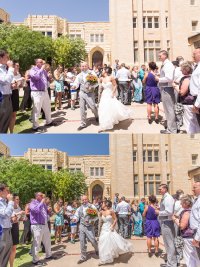
I really promise I am not trying to start an argument, I am just curious from those folks who have enjoyed cameras with high dynamic range what they think about this image. I took this at a recent wedding with my 5D3 and it was overexposed because I didn't get the settings dialed in just right from when they came out of a much darker church. So with my limited DR capabilities of my 5D3 I was able to recover everything in the photograph to the point that it looks kinda bad. Much like a bad HDR. So with more DR would the image have looked better (less HDR like and more natural) or would I have just been able to overexpose it more and still be able to recover the details in the highlights? The top is straight out of the camera and the bottom is with the highlight recover slider maxed out and the shadows bumped up.
You are using an out of date browser. It may not display this or other websites correctly.
You should upgrade or use an alternative browser.
You should upgrade or use an alternative browser.
Dynamic Range Question
- Thread starter jaayres20
- Start date

This is one area where DXO seems to work well, download it and try it on the same image. I did it to a image that was extremely difficult, and it amazed me. It would have taken a lot of work to do it in lightroom.
Upvote
0

Try setting the highlight slider to -100 then slowly move the exposure slider + way, watching the histogram as you go to bring the shadows back up. Once the histo reaches the right edge stop. This work for me and gives a more natural look. Avoid increasing the shadow slider too much. Also drop the clarity on this to -10 which gives a little more of a natural look.
If this was a landscape shot you might be OK but I think with people in the shot I process my shots with less clarity.
If this was a landscape shot you might be OK but I think with people in the shot I process my shots with less clarity.
Upvote
0

Your result is from bad post processing and has nothing to do with DR. It looks like you have held highlights despite direct sunlight and slight overexposure and shooting in jpeg.
The slight increase in latitude of the exmor type sensor allows for a little more extreme shadow recovery with less noise. When it comes to the highlight end there is little practical difference.
The slight increase in latitude of the exmor type sensor allows for a little more extreme shadow recovery with less noise. When it comes to the highlight end there is little practical difference.
Upvote
0


In cases like this I pull the exposure down to get the midtones and if the highlights are stil to bright I pull down a little, and then push the shadows up a tad. That way the noise is kept to a minimum but still with detail all over.
Remember to use the blacks and whites slider to finish it off (in LR)
Remember to use the blacks and whites slider to finish it off (in LR)
Upvote
0
The reason its looks HDRish is because you essentially flattened the highlights and upped the shadows, "tone mapping" the image, I suggest giving them a little more shadow and highlight to the point of detail.
Upvote
0
Looking back I didn't ask my question very well. This is definitely not the way I would process the image. The only reason why I did for this example is to show that the tonal information was in the image, an overexposed image. If that is the case then what would more dynamic range in a camera sensor do for me in this case? Would having more make the image better if there is already too much?
Upvote
0

jaayres20 said:Looking back I didn't ask my question very well. This is definitely not the way I would process the image. The only reason why I did for this example is to show that the tonal information was in the image, an overexposed image. If that is the case then what would more dynamic range in a camera sensor do for me in this case? Would having more make the image better if there is already too much?
At some point, you do hit the limits of the sensor. Try shooting a high school stage play if you want to really ache for more dynamic range.

Upvote
0
I guess the real question you are asking is how much of a difference in DR is needed to see a real difference in a final image.
The debate seems a little misguided to me in that the quoted DR figures for cameras do not seem to be from a single objective standard for starters.
Second, when we do see differences in the DR ratings it is often quite small, on the order of a stop or so. This then raises the question as to whether this real difference in DR measurement results in real visible difference in a final image.
While many salivate over the purported DR of MF backs, I have yet to see a demonstration where the vaunted advantage is discernible over a well processed Nikon or Canon RAW file.
IMO the bulk of perceived advantage that is reported anecdotally about this camera vs. that camera comes from default rendering decisions embedded in the RAW files as they are imported into RAW processors.
As Dgatwood noted, try theater photography for a real test of DR. Then you will bump into the limitations of any sensor on the market. After PP the image quality will be far more about initial exposure and PP rather than the camera chosen.
The debate seems a little misguided to me in that the quoted DR figures for cameras do not seem to be from a single objective standard for starters.
Second, when we do see differences in the DR ratings it is often quite small, on the order of a stop or so. This then raises the question as to whether this real difference in DR measurement results in real visible difference in a final image.
While many salivate over the purported DR of MF backs, I have yet to see a demonstration where the vaunted advantage is discernible over a well processed Nikon or Canon RAW file.
IMO the bulk of perceived advantage that is reported anecdotally about this camera vs. that camera comes from default rendering decisions embedded in the RAW files as they are imported into RAW processors.
As Dgatwood noted, try theater photography for a real test of DR. Then you will bump into the limitations of any sensor on the market. After PP the image quality will be far more about initial exposure and PP rather than the camera chosen.
Upvote
0
Normalnorm said:..After PP the image quality will be far more about initial exposure and PP rather than the camera chosen.
Agreed except for that last bit...
The camera chosen may determine the character of noise visible and how you may need to handle it during PP. Some camera choices may limit your PP options in some areas of the image, all else (e.g. exposure) being equal.
Upvote
0
I didn't find the image as fixed objectionable. It may not be a style you like. There were some good ideas in people's responses. Clarity down a bit, for example. "Natural" ain't all it's cracked up to be... <grin>
Upvote
0
Zv said:Try setting the highlight slider to -100 then slowly move the exposure slider + way, watching the histogram as you go to bring the shadows back up. Once the histo reaches the right edge stop. This work for me and gives a more natural look. Avoid increasing the shadow slider too much. Also drop the clarity on this to -10 which gives a little more of a natural look.
If this was a landscape shot you might be OK but I think with people in the shot I process my shots with less clarity.
too much clarity does horrific things to skin i agree dial in some minus globaly and then if needed for tight portraits add some back into eyes etc with the brush
Upvote
0
Similar threads

- Replies
- 2
- Views
- 632
- Replies
- 13
- Views
- 2K


- Replies
- 31
- Views
- 6K
D
- Replies
- 32
- Views
- 5K
