
When you purchase through links on our site, we may earn an affiliate commission. Here's how it works. |
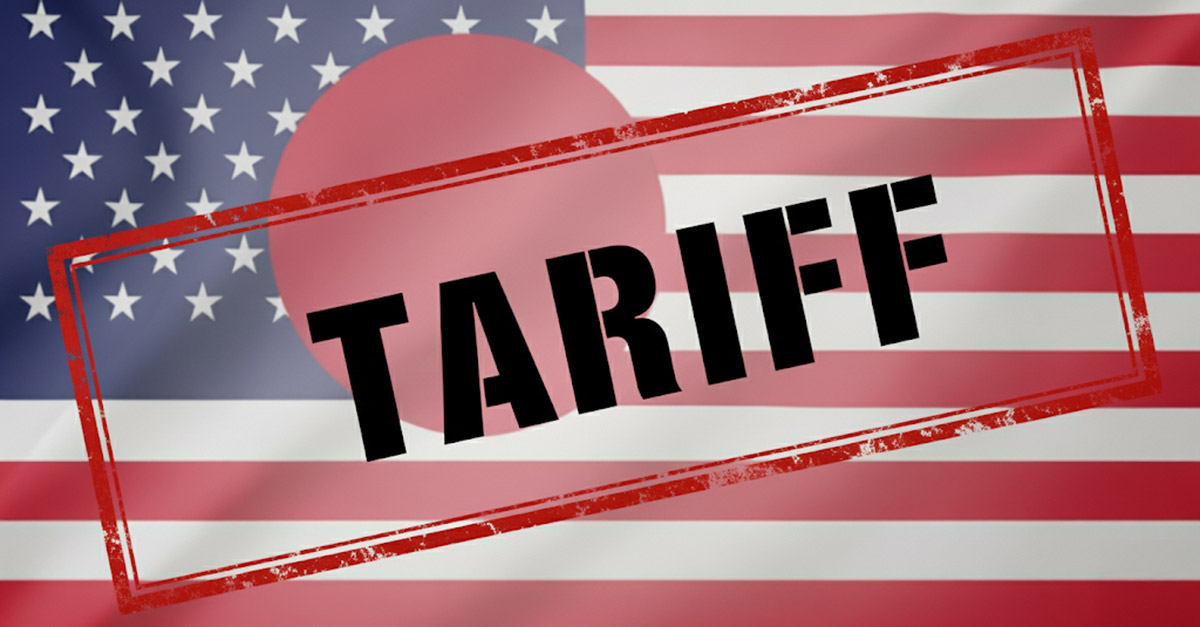
The camera companies are starting to run out of the inventory that they stocked in advance of various tariffs on incoming goods to the United States. Recently, both Fujifilm and Nikon have increased their prices.
Nikon
Nikon has recently announced that it was increasing prices across the board on all its items in the United States. These price increases went into effect on September 1, and your favourite Nikon camera is now around 7.5 to 11% more expensive today. This is the second time this year that Nikon has increased its pricing in the United States, and I’m not sure it will be the last.
Nikon is going through things. It's no longer the enormous juggernaut it once was in the camera industry, when it was neck and neck with Canon, and each company pushed the other. This is no longer the case, and I'm sure the tariffs are a wrinkle that Nikon didn't anticipate at the start of the year. So, respect to Nikon, and let's face it, Nikon hasn't made a camera nearly as bad as the R100 lately.
At Nikon, we remain committed to providing the highest quality imaging products and value to our customers. As we continue to navigate the impact of tariffs, a further price adjustment will take effect September 1, 2025. We are closely monitoring tariff developments and the evolving market conditions and are taking every possible step to minimize the impact on our community. We wish to thank our customers for their understanding. Customers with order inquiries should contact their authorized retailer for support.
Fujifilm
Fujifilm has also recently increased its US pricing as of August 18th, but the amount of the increase seemed to be less than what Nikon had set for their increases. I’m wondering if Fujifilm will adjust its prices up for a third time this year. It could be that Fujifilm baked in the price increases and had enough breathing room to handle the increases; we don't know. Fujifilm did state this.
The global marketplace continues to present business challenges, driven by the volatile market conditions facing manufacturers, retailers, and consumers alike. With these changes and the instability of the marketplace, we have made the business decision to further adjust prices to accommodate for these global changes. As we navigate the current market situation, Fujifilm is doing all we can to work with our retailers and consumers to weather this storm together. We appreciate your continued support.
The Others
Canon has come out and stated that a second increase is not out of the question, as they came right out and said they might. So while we haven't heard anything concrete, Canon may still adjust the prices of its gear further in the United States once all inventory pre-tariffs is depleted. When they were asked directly, they were pretty forthright about it.
From August 1, if we apply the latest tariff rates, such as 15% on Japan and 20% on Vietnam, based on our current supply chain assumption, the impact of increased costs would roughly be between 15 and 16 billion yen at most. We are currently considering how to respond to this cost increase, including passing this on through price increases. Rather than applying price increases evenly, we will consider this on an individual product basis, taking into account product competitiveness.
Olympus had increased its prices around July 1st across the board for all countries. Olympus may be raising the floor price and hoping to set a smaller increase for the United States, absorbing the difference from sales elsewhere.
Sony and the other camera companies haven't said much about increases lately, but don't be surprised if all the camera companies start to raise the prices either just in the United States, or elsewhere as well.