

When you purchase through links on our site, we may earn an affiliate commission. Here's how it works. |
Eastman Kodak Company released its financial reports for Q2 2025, and the results were fairly gloomy. They warn that they may reach a point where they cannot pay down existing debt and be forced to close down operations.
Kodak’s plans to adequately fund its preferred stock and debt obligations when they become due are to use the proceeds from the expected reversion of cash to the Company upon settlement of obligations under the Kodak Retirement Income Plan to reduce the amount of term debt and to amend, extend or refinance its remaining debt and preferred stock obligations. These plans are not solely within Kodak’s control and therefore are not deemed “probable” under U.S. GAAP accounting rules. As a result, these conditions raise substantial doubt about the Company’s ability to continue as a going concern as of the issuance date of the Company’s second quarter financials. ”
Kodak's financial difficulties are nothing new, as it has bounced around after the fall of film and struggled to gain a clear vision and replace the products that made it a dominant force in the camera market during the film days. Kodak filed for bankruptcy in 2021, and at the time of its Chapter 11 filing, it had over 100,000 creditors and debts of $6.75 billion. And you thought your credit card debt was bad.
A Kodak spokesperson talked to CNN, and was pretty confident that they will find the fiancing to continue its operations, as they said to CNN, that Kodak is “confident it will be able to pay off a significant portion of its term loan well before it becomes due, and amend, extend or refinance our remaining debt and/or preferred stock obligations.”
Kodak's 2025 Q2 Results
Eastman Kodak Company's Q2 2025 financial results, released August 11, 2025, included consolidated revenues of $263 million, which were 1% lower than Q2 2024 revenues of $267 million and 3% lower when excluding the effects of foreign exchange rates. Gross profit decreased 12% from $58 million (Q2 2024) to $51 million (Q2 2025), and the gross profit margin decreased from 22% to 19%.
The company reported a General Accepted Accounting Principles (GAAP) net loss of $26 million, versus a GAAP net income of $26 million in Q2 2024, resulting in a drop of $52 million. Earnings Before Interest, Taxes, Depreciation, and Amortization (EBITDA) from operations was $9 million (Q2 2025), down 25% from $12 million (Q2 2024), caused by decreased volumes and higher costs of aluminum and manufacturing (offset by increased prices and reductions in information technology and trade shows).
Kodak is Bullish on US Tariffs
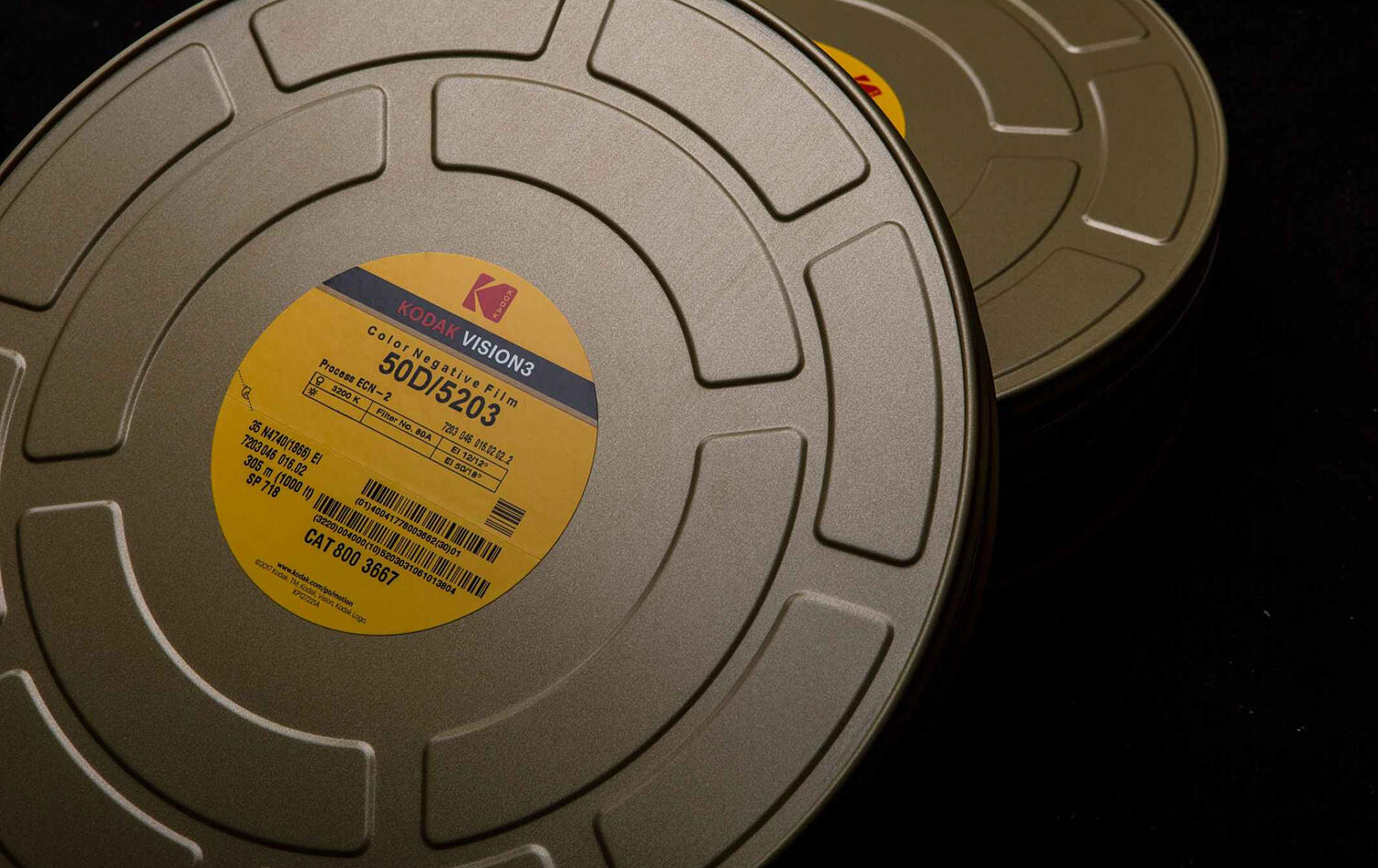
Kodak has a vast manufacturing base in the United States, so they are less concerned with the impact of foreign tariffs and seems to be supportive of the increase in tariffs. What they don't mention is whether it will affect any export from Kodak operations in the US to other countries, and what the importing of materials would do to the profit margins that were already shrinking.
Jim Continenza, Kodak’s Executive Chairman and CEO, stated, “In the second quarter, Kodak continued to make progress against our long-term plan despite the challenges of an uncertain business environment. While tariffs did not have a material impact on our business in Q2, we are assessing the potential impact of new tariffs going forward. It’s important to note that Kodak is committed to U.S. manufacturing — in fact, we manufacture a wide range of products in the U.S., including lithographic printing plates, photographic and industrial films, inkjet presses and inks, and pharmaceutical key starting ingredients — and our expectation is that tariffs instituted by the U.S. government are designed to protect American businesses like ours.”
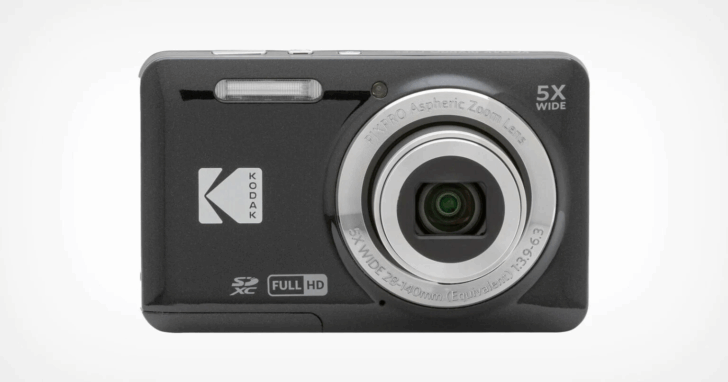
Kodak has shown a renaissance in Japan in terms of compact cameras (No, I'm not joking here), but it's certainly not a big piece of the overall operations, and not part of Eastman Kodak. Eastman Kodak now primarily is a B2B business and deals mainly in chemicals and industrial printing. Films and cameras are distributed and sold by other companies.
Kodak cameras, such as the PixPro will remain the darlings of Japanese cameras. I have no idea why, maybe it's because they are just “that bad” that the images look unique.
Don't get me started on the weirdness of Japan and even just the Asia camera markets. That's a topic for another day.
Here's hoping that Kodak manages to pull some financial trickery and stay afloat; otherwise, the industry would be made less if Kodak were to cease operations.