

When you purchase through links on our site, we may earn an affiliate commission. Here’s how it works. |
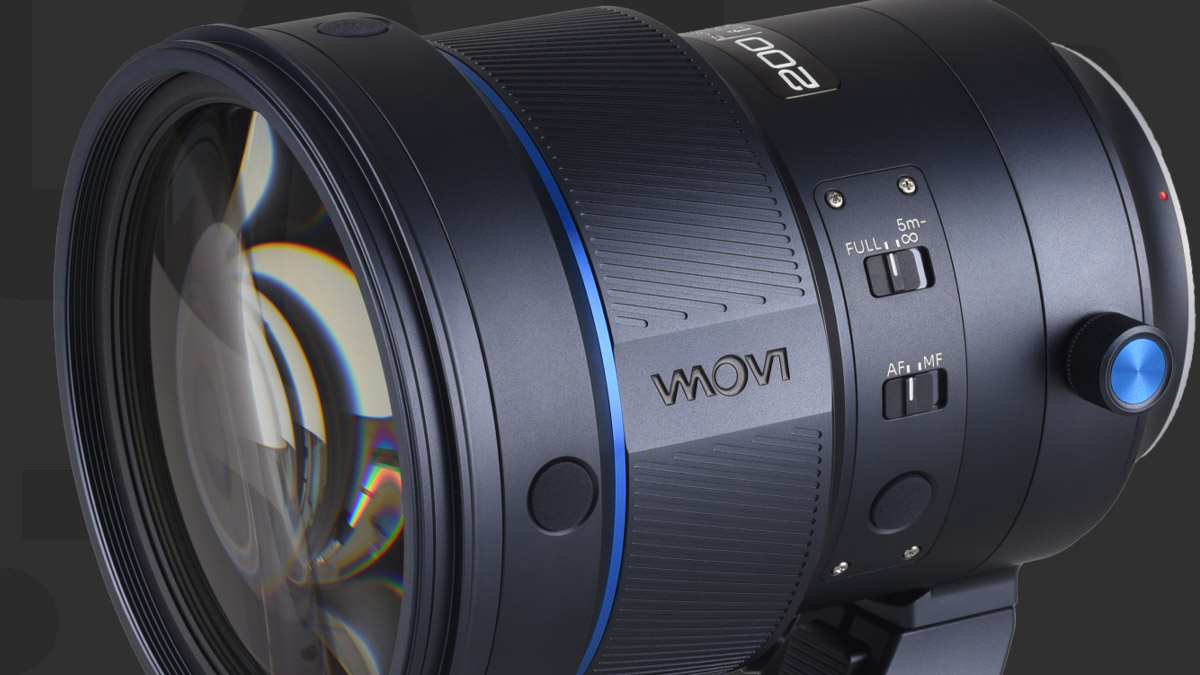
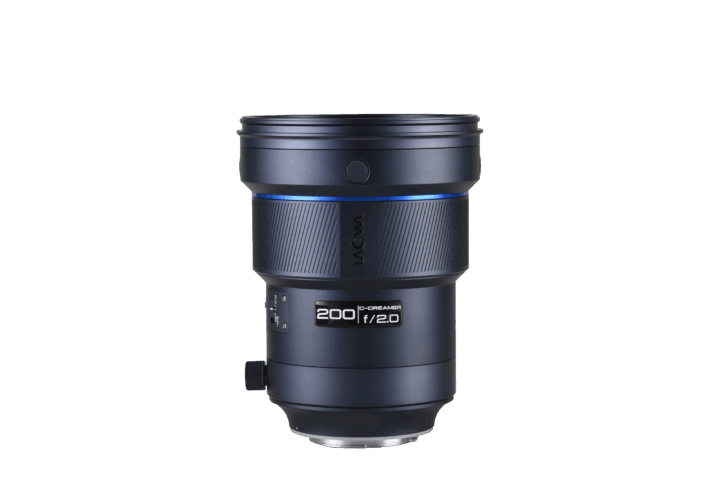
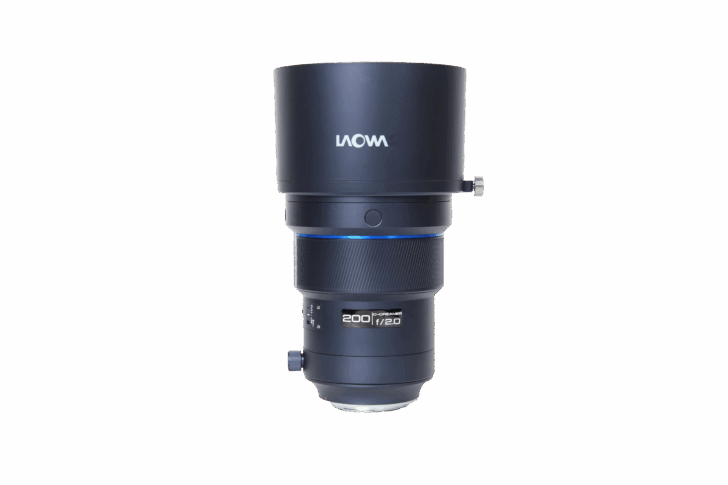
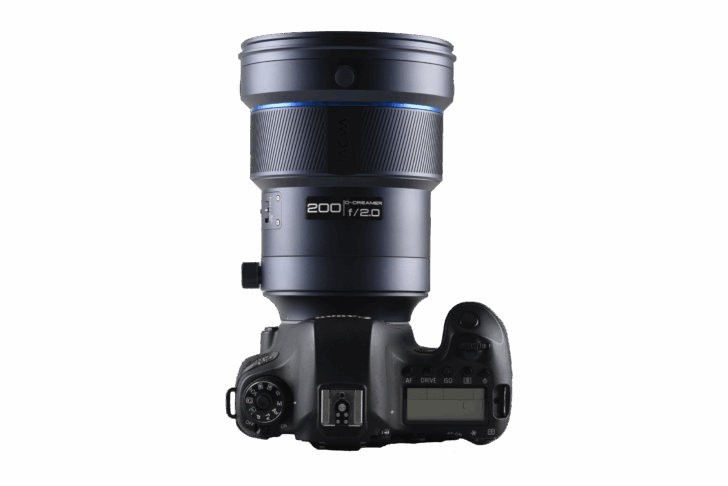
Laowa today has officially announced the Laowa AF 200mm FF 200m F2.0 C-Dreamer lens, the first Chinese manufacturer to make one of the big and fast halo lenses. Laowa touts several key advantages over its OEM and Sigma competition, including the size, weight, and price of the telephoto prime, with the Laowa lens being smaller, lighter, and considerably cheaper than any other 200mm F2.0 – especially for us Canon users. There is a downside, though, as Canon users do not get the rear drop-in filter holder that exists for the Sony and Nikon mounts. But Canon also has the excellent RF to EF lens adapter that has a drop-in filter as well, so that would be your obvious choice to augment this lens for the RF mount.
Now Laowa did something interesting for Canon users: they cut down the lens so that it would fit on the EF mount, and very clearly advertised they wanted to do that for RF users, as they even sell their own RF to EF adapter. If that’s not telling Canon to go pound sand, I’m not sure what else it could be. The lens has an ArcaSwiss-compatible support bracket, also something that Canon, in its billions of dollars in research and development, remains stumped on to this very day.
Laowa shows an example diagram showing the size difference, and I’m not sure if this is slightly exaggerated, but they are right, though, the Laowa, even for Sony and Nikon, is nearly 30mm shorter than the native mount 200mm F2.0. That’s an impressive stat.
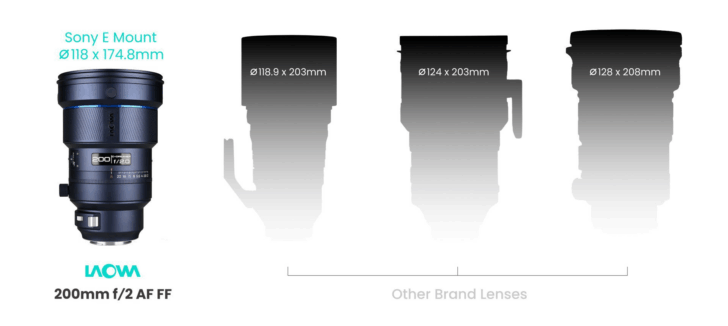
At the same time, Laowa shows that not only is the lens smaller, it’s also lighter. The Laowa 200mm F2.0 EF version comes in at 1kg (2.5lbs) lighter than the Canon EF 200mm F2.0.
One thing that struck me was that Laowa has accomplished this all with 11 elements and seven groups, which is far under what both Sigma and Canon implemented in their 200mm lens designs. Laowa also has the shortest minimum focus distance, which doesn’t give it anywhere close to macro magnification, but .19x for a 200mm prime isn’t that bad either.
| Laowa 200mm F2.0 | Sigma 200mm F2.0 | Canon 200mm F2.0L | |
|---|---|---|---|
| Lens Length | 175mm / 148mm | 201mm | 208mm |
| Lens Diameter | 118mm | 118.9mm | 128mm |
| Weight | 1588g / 1764g | 1800g / 1820g | 2520g |
| Elements / Groups | 11 / 7 | 19 / 14 | 17/12 |
| Minimum Focus Distance | 1.5m | 1.7m | 1.9m |
Lens Construction and MTF
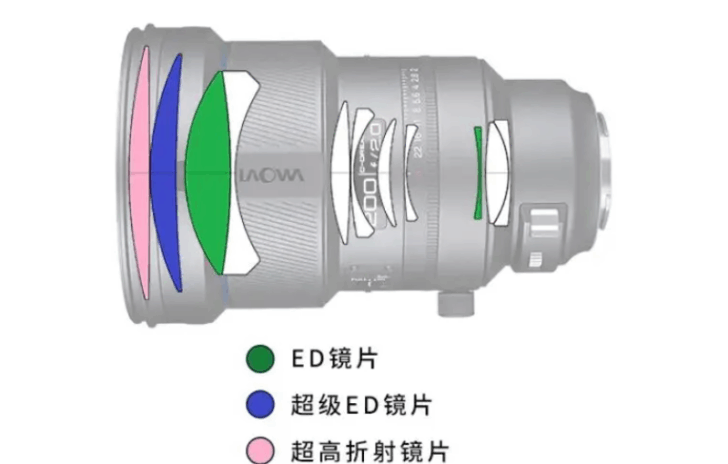
We previously mentioned the elements and groups before, and now we’ll get into a bit more. According to the translated text on the image, the pink element is the ultra-high refractive index element, the blue element is the Super ED (Extra-low Dispersion) element, and the green elements are ED (Extra-low Dispersion) elements. So, all in total, the Laowa lens has 4 out of 11 of its elements as being special glass.
Now this leaves me in a bit of a shock because, as you see below, the MTF is pretty impressive for this lens, especially when you consider they had to design the lens not to take advantage of a mirrorless mount, but instead had to create it for the EF mount first. So if anything, I would have expected to see the MTF suffer if they kept the element count low to save on costs and perhaps weight, but that doesn’t seem to be the case.
While the MTF isn’t as good as the Sigma 200mm F2.0, the Laowa 200mm F2.0 is no slouch. When you factor in its advantages of being significantly less expensive than any other 200mm F2.0 lens that you can put on a Canon RF camera these days, it’s as good as we’ve got.
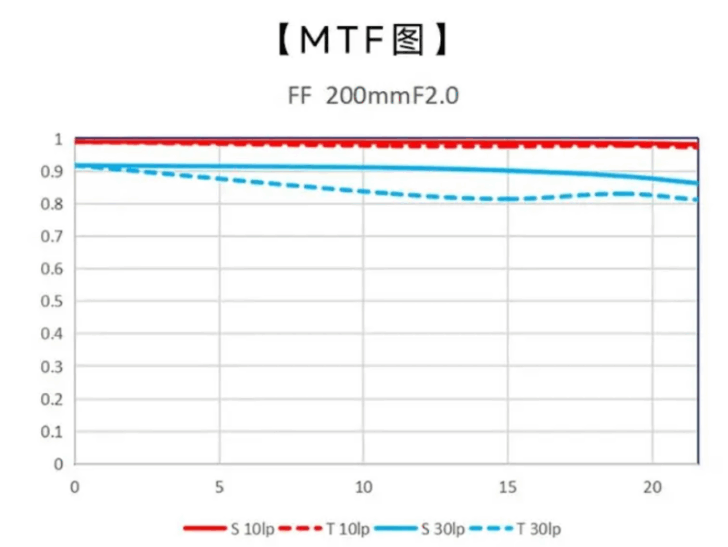
This MTF is especially impressive if we compare it against the Canon EF 200mm F2.0L IS USM, which this lens effectively replaces.
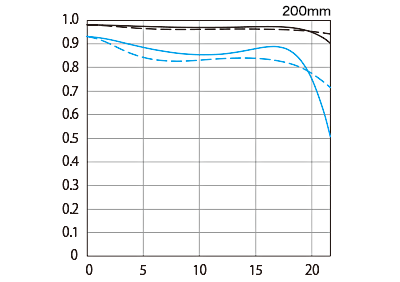
Without sounding like a broken record when it comes to Chinese lens manufacturer releases these past few months, if Laowa can meet the MTF in production and with QA, this will be an incredibly good lens for the price.
Specifications
| Principal specifications | |
| Lens type | Prime lens |
| Max Format size | 35mm FF |
| Focal length | 200 mm |
| Image stabilization | No |
| Lens mount | Canon EF, Canon EF-S, Nikon Z, Sony E, Sony FE |
| Aperture | |
| Maximum aperture | F2 |
| Minimum aperture | F22 |
| Aperture ring | No |
| Number of diaphragm blades | 9 |
| Optics | |
| Elements | 11 |
| Groups | 9 |
| Special elements / coatings | 2 ED, 1 AD, 1 UHR |
| Focus | |
| Minimum focus | 1.50 m (59.06″) |
| Maximum magnification | 0.15× |
| Autofocus | Yes |
| Focus method | Internal |
| Distance scale | No |
| DoF scale | No |
| Physical | |
| Weight | 1588 g (3.50 lb) |
| Diameter | 118 mm (4.65″) |
| Length | 175 mm (6.89″) |
| Sealing | Yes |
| Colour | Black |
| Filter thread | 105 mm |
| Filter notes | 105mm front filter, 43mm rear filter |
| Hood supplied | Yes |
| Tripod collar | Yes |
Preorder
The Laowa 200mm F2.0 AF FF is expected to be released in November. You can preorder from Laowa directly for $1799 for the Canon EF version, and hopefully soon from B&H Photo.
Gallery
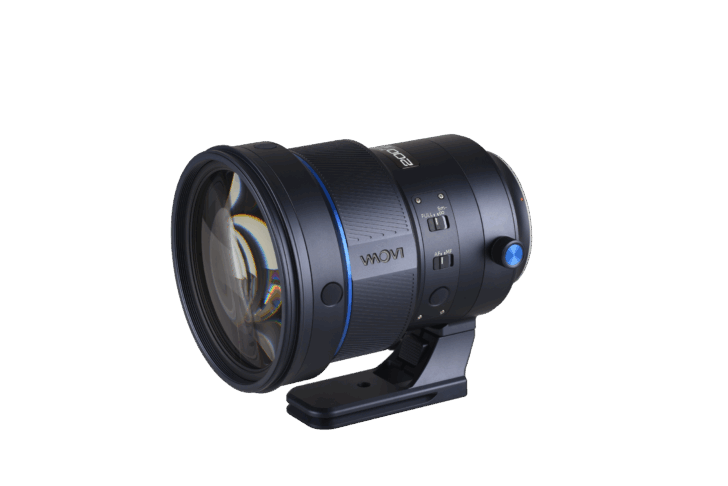
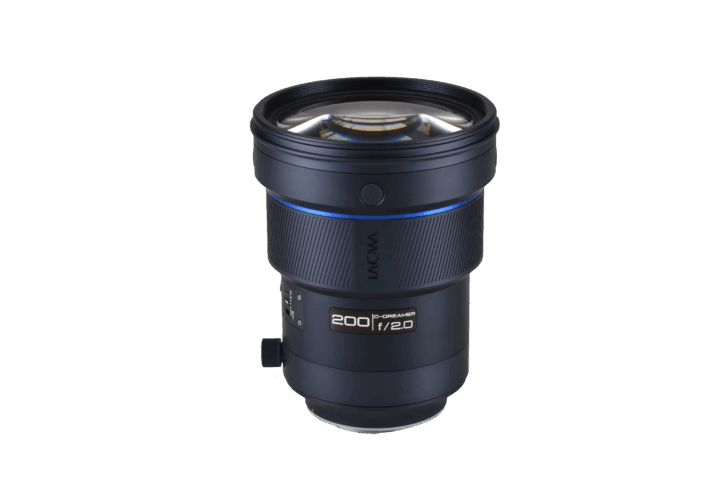
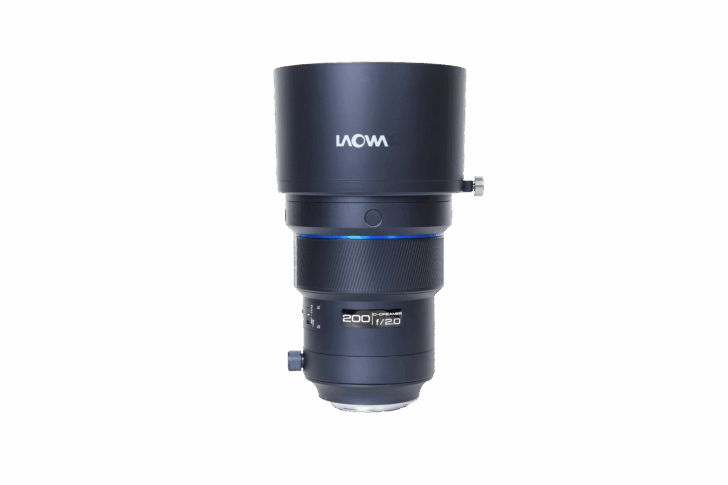
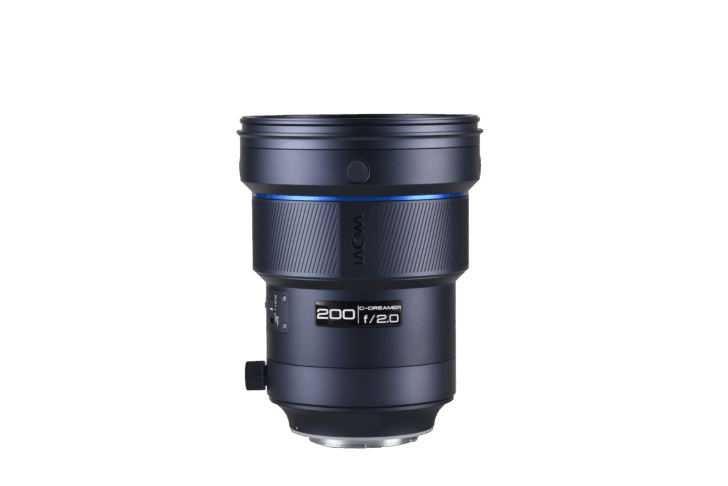





EF is great because I have mostly EF glass and a single VND filter adapter can be used for video.
The low number of elements helps to have enough space to focus down to 1.5 m - maybe this is a feasible compromise in terms of not absolutely excellent IQ at f/2 but give this lens a better width of applications.
I will use my EF 2.8/200 to check if a prime at this focal length will serve my needs well ...
See: https://petapixel.com/2025/10/14/laowa-200mm-f-2-c-dreamer-review-ambitious-and-affordable/
Pity though: I liked the EF 200 f/2 a lot and I could use a new one... the price is great, and it could have made me overlook the need for an adapter... but the softness fully open is a big no-no for me
See: https://www.digitalcameraworld.com/cameras/lenses/laowa-200mm-f-2-af-ff-review
They tested it on a Nikon which may change things a bit
- YouTube
The original Canon EF 200mm f/1.8 only used one more element than the Laowa.
Maybe that lens has issues with Sony's AF? No idea.
I'll have to check Gordon L's later as YT is not allowed at work
- YouTube
Is it really an apples-to-apples comparison especially when the Sigma is not available for EF/RF anyway?
What other options exist for RF users besides the 70-200/2,8 zooms?