
When you purchase through links on our site, we may earn an affiliate commission. Here's how it works. |
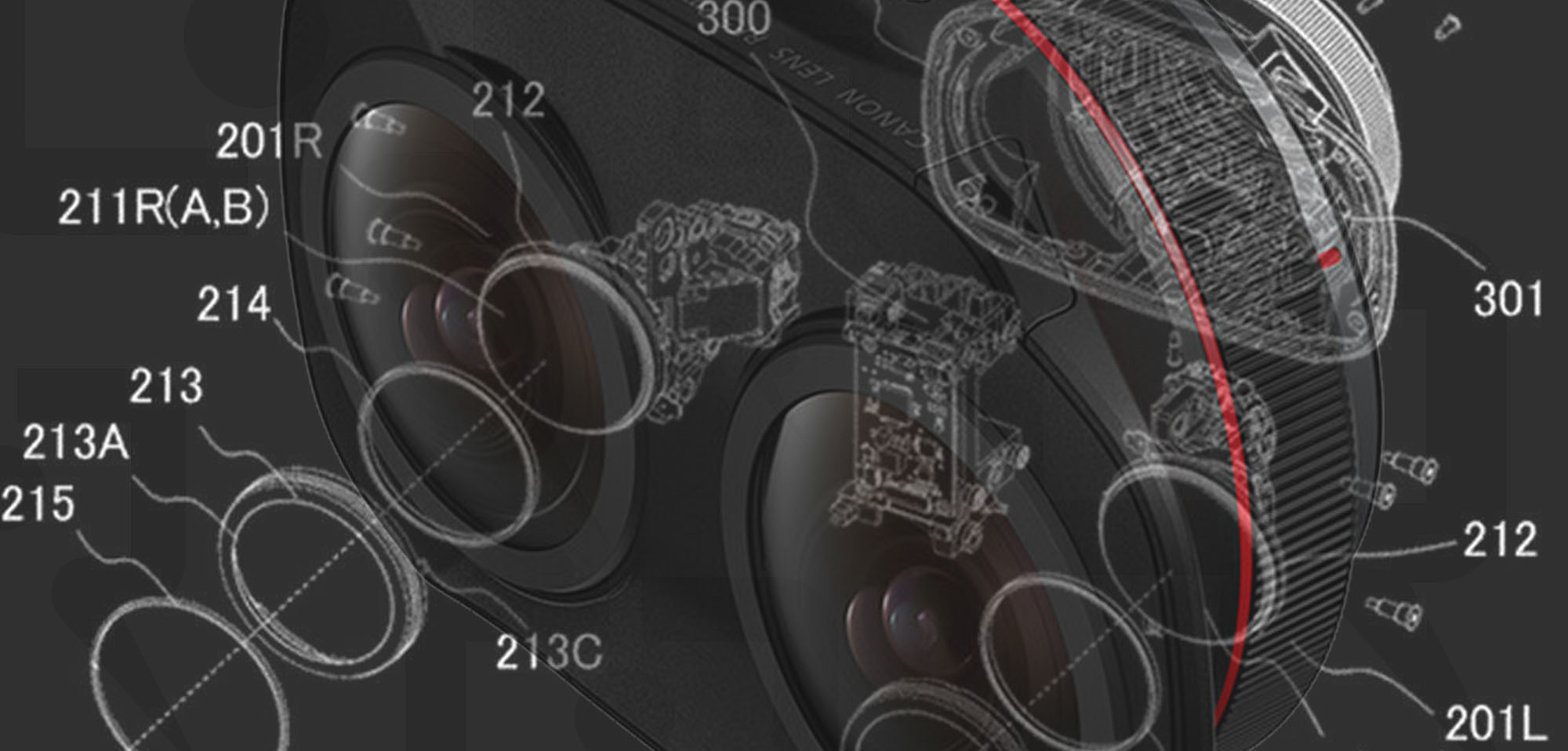
In this patent application (2025-001041), Canon describes improvements to how dual lens VR lenses focus and calibrate the focus across both lenses.
This series of patents (there have been a few) made me marvel at how much we take for granted with our stereoscopic lenses – our eyes- and how seamlessly they adjust independently without as much as any conscious thought needed.
An object of the present invention is to provide a lens device and an imaging device that can perform appropriate focus adjustment of multiple optical systems with simple operations.
The diagrams are quite detailed and this shows that Canon feels that VR is here to stay, and that they want to throw a fair amount of time and effort into it's solutions.
In case you weren't aware, these lenses have two lenses similar to binocoulars that project two image circles onto the camera's sensor. Then with special software that is developed into 3D video.
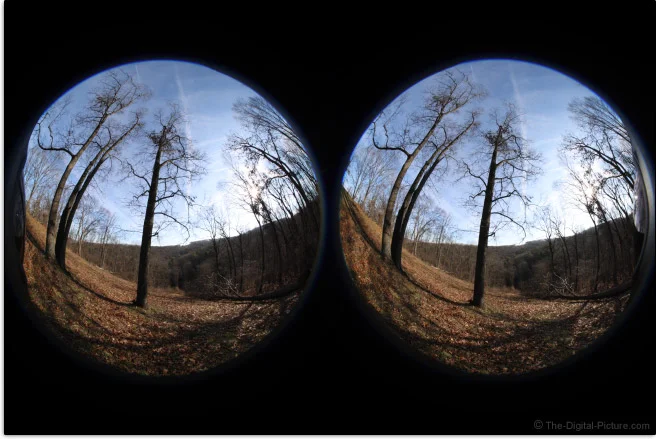
As it stands right now, Canon has two VR Dual Lenses, one for APS-C and the other for full frame cameras.
Canon RF 5.2mm f/2.8 L Dual Fisheye 3D VR Lens
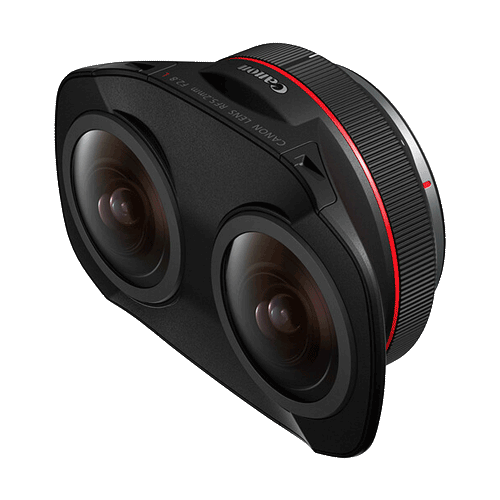
- RF-Mount Lens/Full-Frame Format
- Aperture Range: f/2.8 to f/16
- Captures Stereoscopic 3D 180° VR imagery
- Two Ultra-Low Dispersion Elements
- Super-Spectra & Sub-Wavelength Coatings
- Fluorine Coating
- Weather-Sealed Construction
- 7-Blade Diaphragm
Canon RF-S 3.9mm f/3.5 STM Dual Fisheye Lens
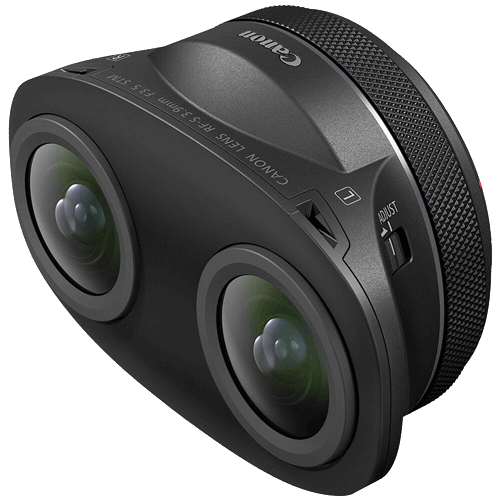
- Compatible with EOS R7 Mirrorless Camera
- APS-C | f/3.5 to f/16
- High-Quality VR Content Creation
- 6.2mm (Full-Frame Equivalent)
- Captures Stereoscopic 3D 180° VR Imagery
- STM Stepping Autofocus Motor
- 144° Field of View
- Air Sphere Coating
- 7-Blade Diaphragm
- 30.5mm Rear Filter Thread
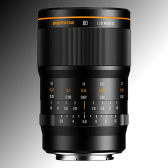
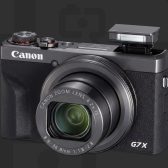
Even from the two images shown above you can see that Canon has gone through an evolutionary step with the adjust now situated on the left hand side on the newer RF-S 3.9mm.
I think it's safe to say that the virtual reality 3D Dual lenses are here to stay and that Canon feels they are an important part of thier ecosystem going forward. Time will tell if Canon was ahead of the curve, or simply out to lunch.
As with all patent applications, this is a look into Canon's research.