

When you purchase through links on our site, we may earn an affiliate commission. Here's how it works. |
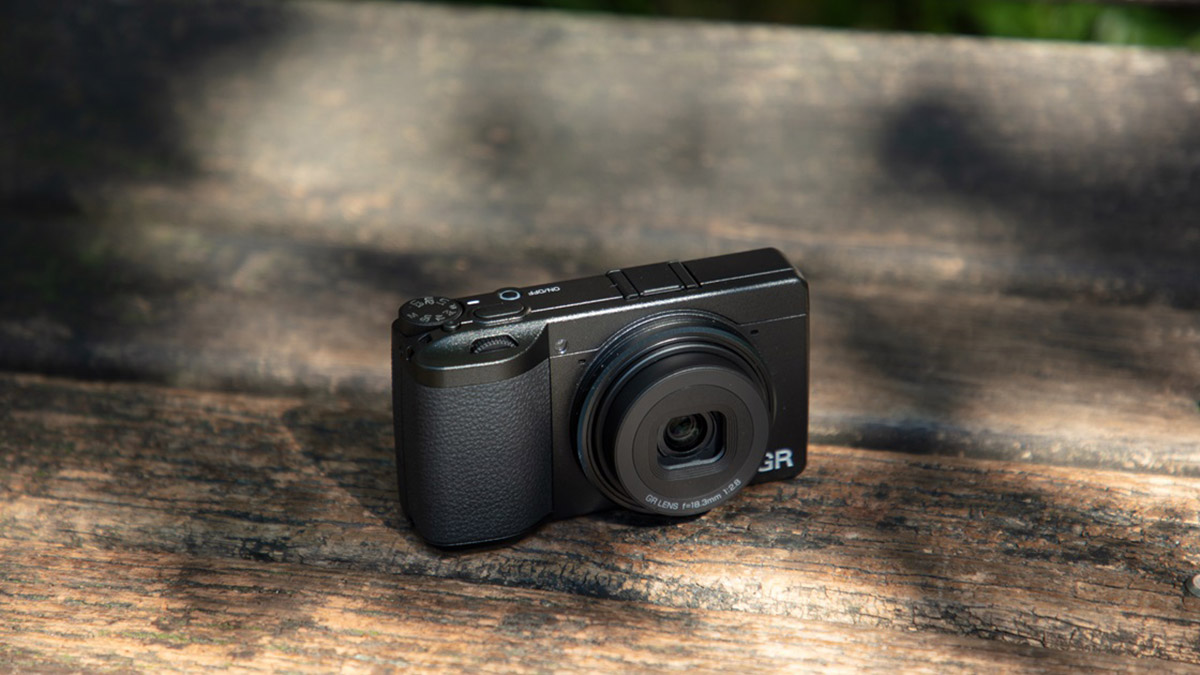
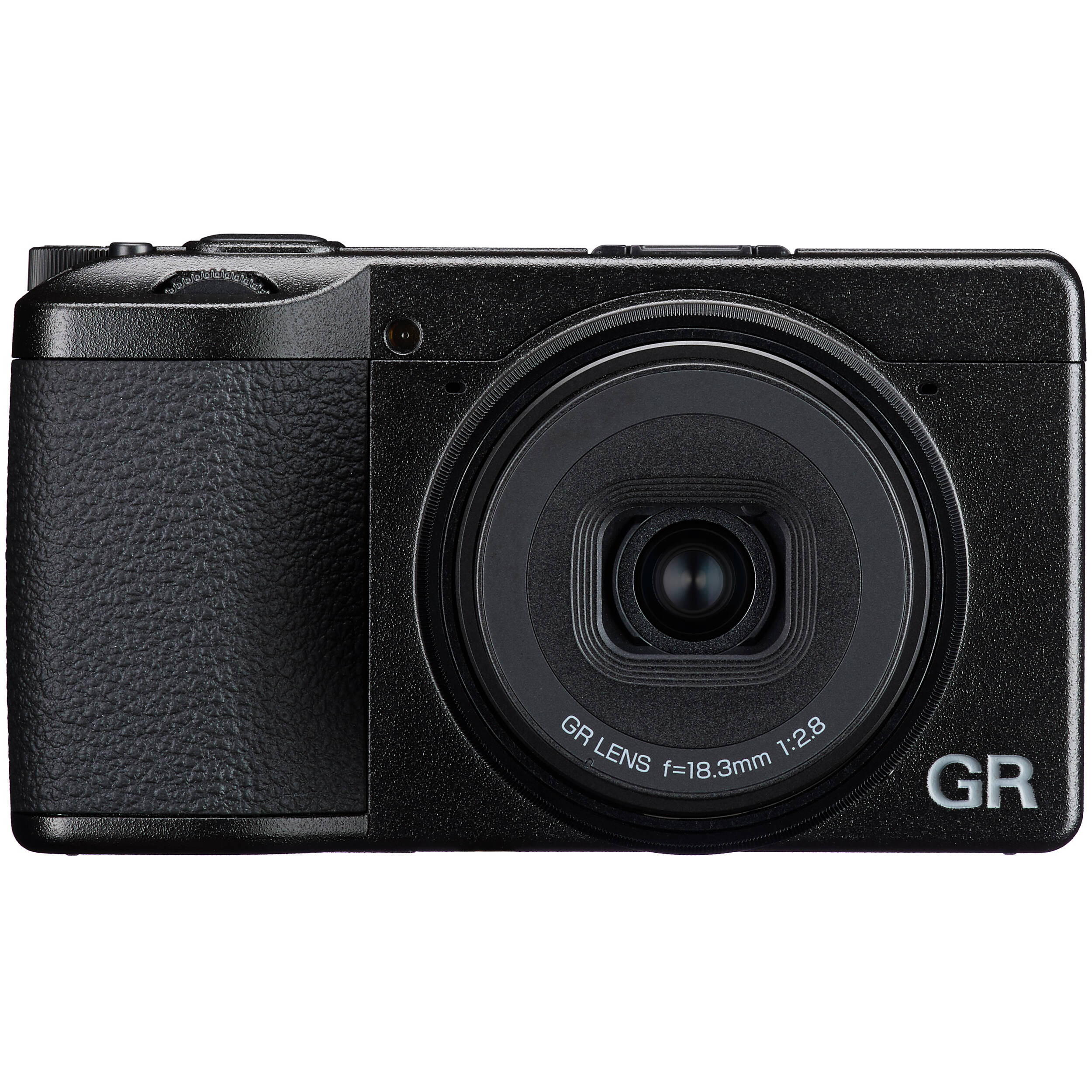
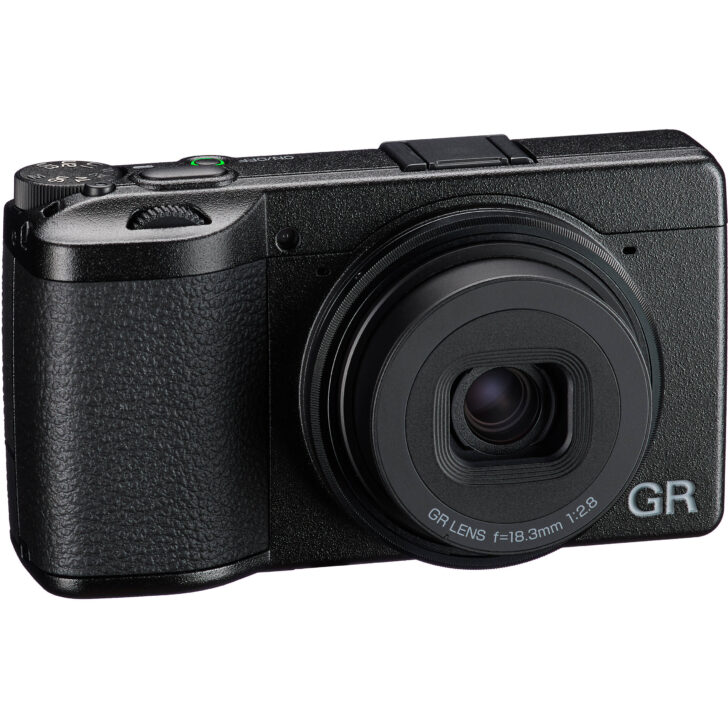
There's a new APS-C compact on the streets, as Ricoh has announced the GR IV. It's the fourth camera in the series and has now circled back and included some elements from prior GR cameras that were excluded from the third model, making this perhaps the most complete model to date.
Ricoh GR IV Key Features
- 25.74MP APS-C sensor
- 18.3mm F2.8 lens (28mm equiv)
- Built-in 2EV ND
- 5-axis image stabilization
- 53GB internal storage and UHS-I Micro SD slot
- 3.0″ 1.04M dot LCD (720 x 480 px)
- FullHD (1080) video up to 60p
- 262g with memory card and battery
The camera will be available around the middle of September for an estimated MSRP of $1499. This is an eye-watering increase in price from $899 for the GR III.
The GR IV uses a brand new backside illuminated 26MP (25.74MP) sensor, essentially the same as the GR III's 24MP sensor. Ricoh also claims that the IV has a redesigned lens, adding another aspherical element, and this is expected to increase resolution in the corners as well as reduce aberrations.
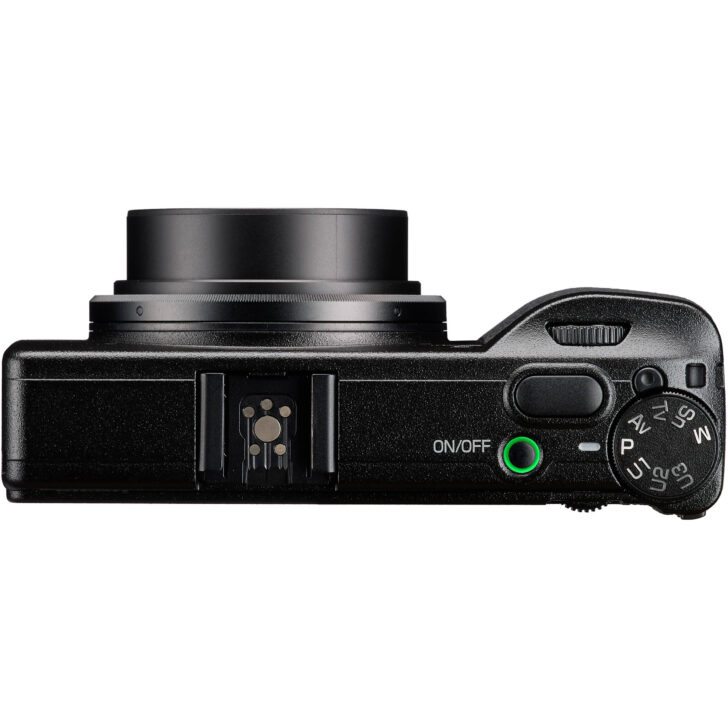
Combine that with a new control layout, new battery, and new camera body, it's a complete refresh of the iconic APS-C street shooting camera.
What has Changed from the Ricoh GR III?
Quite a bit, you are getting some value for almost $700 increase in price. Not sure how much of that is baked into the price because of tariff increases as well.
Here's a summary of the significant changes between the GR III and the GR IV.
| Row 0 – Cell 0 | Ricoh GR III | Ricoh GR IV |
| Sensor | 24.2MP APS-C | 25.4MP APS-C |
| Lens | 18.3mm f/2.8 (28mm equivalent) – 6 elements in 4 groups (2 aspherical lens elements) | 18.3mm f/2.8 (28mm equivalent) – 7 elements in 5 groups (3 aspherical lens elements) |
| Image stabilization | 3-axis sensor shift | 5-axis sensor shift |
| ISO | ISO100-102400 | ISO100-204800 |
| Battery life | 200 images | 250 images |
| Memory | UHS-I SD card • 2GB internal storage | UHS-I microSD card • 53GB internal storage |
| Dimensions | 109.4 x 61.9 x 33.2mm | 109.4 x 61.1 x 32.7mm |
| Weight | 257g with battery and SD card (227g body only) | 262g with battery and microSD card (228g body only) |
My thoughts
The differences between the GR III and the GR IV seem to be more inclined with a modest price increase because of a backside illuminated sensor and more complex IBIS, but I do wonder if Ricoh looked at what Fuji's compact was listed for and realized they were leaving a lot of profit on the table.
Part of the charm of the GR series was its APS-C sensor, decent performance, and decent price. Now one of those factors is no longer there. Fuji has the “look” going for it, which they feel means they can change whatever they feel like – and they are mostly right. Fujifilm can't make the X100VI fast enough to meet demand.
It'll be interesting to see if the popularity of the GR series is maintained, or if people decide that the Fujifilm X100VI isn't that expensive after all.
Preorder

- 25.7MP APS-C BSI CMOS Sensor
- New 28mm f/2.8 Lens (Full-Frame Equiv.)
- Improved AF and Low-Light Focusing
- 5-Axis 6-Stop Shake Reduction System
- 3.0" 1.04m-Dot Touchscreen LCD
- 53GB Built-In Memory & microSD Card Slot
- Full HD 1080/60p Video Recording
- Snap Distance Priority & Focus Limiter
- 35mm and 50mm Focal Length Crop Modes
- GR WORLD App for Updates and Control
Ricoh GR IV Gallery
Press Release
TOKYO August 21, 2025 — RICOH IMAGING COMPANY, LTD. is pleased to announce the release of the RICOH GR IV, the latest model of the high-end GR-series of compact cameras. Within a compact, lightweight body, the camera harmonizes high-quality, high-resolution images with intuitive, responsive snapshot operations, making it an excellent choice in snapshot photography, even for professional photographers.
To further enhance the essential values of the GR-series — optimizing image quality, responsiveness and portability — this latest member of the series is equipped with a complete range of newly developed main components, including lens, image sensor and imaging engine. It features a newly developed APS-C-size image sensor and a newly designed lens to improve image quality while reducing overall body depth — a new GR-series concept implemented from its predecessor, the RICOH GR III. The newly installed battery also helps improve battery life.
For greater operability and usability, the connectivity of this latest, top-performing model has also been upgraded due to enhanced interface with communication devices and new applications.
Main features
1. Newly designed, super-slim, high-performance GR lens
The GR IV incorporates a newly designed GR LENS 18.3mm F2.8, which harmonizes exceptional imaging performance with a slim design, while retaining the 28mm angle of view (equivalent in the 35mm format) and the large F2.8 maximum aperture of its predecessor. Consisting of seven optical elements in five groups, the latest optics incorporate glass-molded aspherical lens elements — including a large-diameter element used as a final lens — and high-refraction, low-dispersion glass elements to deliver high-contrast, high-resolution images with edge-to-edge sharpness, while minimizing distortion and chromatic aberration.
2. High-quality, high-resolution images
To enhance image resolving power, reproduce rich gradation and upgrade sensitivity, the GR IV harmonizes a newly designed, back-illuminated APS-C-size CMOS image sensor for higher sensitivity and reduced noise with an upgraded GR ENGINE 7 imaging engine. Thanks to super-high-resolution images assured by approximately 25.74 effective megapixels and improved image processing performance, the GR IV has been designed to produce exceptionally high-quality images rich in resolution and gradation. The camera also features the RICOH-original accelerator unit, designed to optimize the high signal-to-noise ratio image data captured by the image sensor and deliver it to the imaging engine, making it possible to assure top sensitivity of ISO 204800 for super-high-sensitivity photography.
3. More advanced original SR mechanism
Thanks to the originally developed SR (Shake Reduction) mechanism built into the camera body, the GR IV effectively compensates for camera shake at the time of shutter release. Assisted by the much-improved compensation algorithm, this five-axis mechanism minimizes adverse effects caused by pitch, yaw and roll during normal shooting, as well as shift shake during macro photography, by as much as six shutter steps.*
* The compensation effect of pitch, yaw and roll: six shutter steps in the middle of a image, or four steps at edges, measured in conformity with 2024 CIPA standards.
4. Advanced AF system with minimized start-up time and high-speed autofocus operation
The GR- IV's newly designed lens barrel and optimized start-up sequence reduce the start-up time to approximately 0.6 seconds — the shortest in GR-series history. This combination also reduces the time required for switching to the Macro shooting mode and during lens storage action, greatly enhancing the camera's quick-shooting capabilities. The camera's high-speed lens driving mechanism and the image sensor's high-speed data readout also assure high-speed focusing operation and improve autofocus precision. The autofocus speed in low-illumination ranges and the precision and coverage area of the image-plane phase-matching AF system have also been optimized to greatly improve the GR IV's overall AF performance.
5. Compact, slim and functional body design
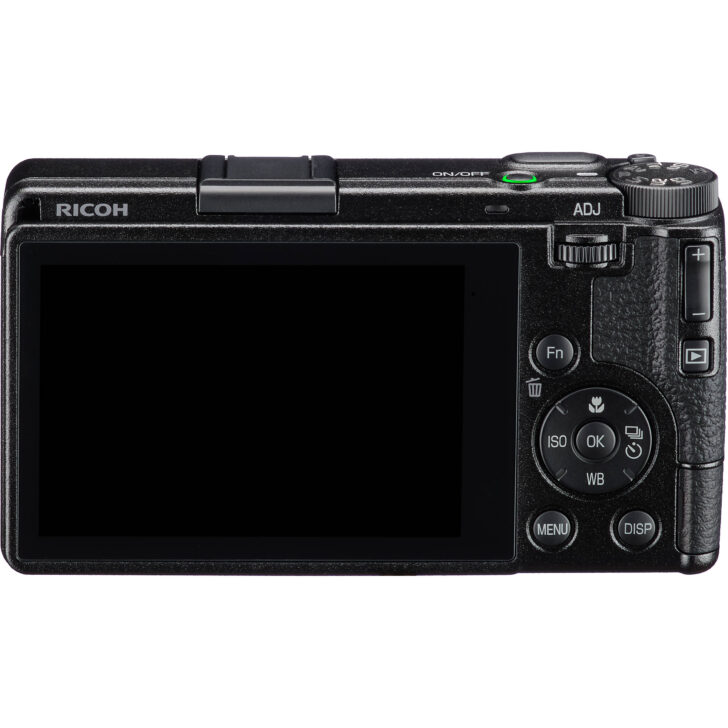
In order to improve the camera's quick-shooting performance, the GR IV's body has been thoroughly redesigned to be compact, slim and functional — the elements required in a snapshot camera. The body has been designed to be slimmer than that of conventional GR-series models to assure a firm hold of the camera, while the thumb grip on the camera's back is contoured to assure a tight but comfortable grip in the photographer's hand. The layout of control buttons and dials have been redesigned, while the mode adjustment (ADJ) lever has been changed to a dial type for ease of operation, making the GR IV more functional and accessible than ever before. The camera's body frame is made of a lightweight, high-rigidity magnesium alloy to enhance durability and reliability during shooting and carrying.
6. Quick setting of the desired exposure mode best suited for a given subject
When the camera's exposure mode is set to Program AE, the GR IV features a new Program Auto Ex function, which allows the photographer to instantly shift the exposure mode, with a simple turn of the front e-dial to Aperture-Priority AE, or that of the rear e-dial to Shutter-Priority AE. A Snap Distance-Priority AE (Sn) mode has been also added to the range of selectable exposure modes. This new mode allows the photographer to capture images with an emphasized depth of field, based on the combination of the subject's distance in snapshot shooting and a depth-of-field visual effect, to further expand the choice of exposure mode.
7. New Cinema mode added to the Image Control function to expand the range of visual expressions
In addition to the 12 conventional effect modes of the Image Control function, the GR IV now features a new Cinema mode (with a choice of yellow or green tone), allowing the photographer to recreate a rich, stately atmosphere with the visual effect of nostalgic film-format movies of yesteryear. In addition to basic parameters such as Saturation, Hue, Key, Contrast and Grain Effect,* this new mode also lets the user adjust two other parameters –strength and size — to the desired level, making it possible to create more diverse visual expressions and choose the desired finishing touch best suited to a captured image. User-selected settings can be added to the Image Control menu as a custom mode.
* Selectable Image Control modes: Monotone, Soft Monotone, Hard Monotone, High-contrast B&W, Negative Film, Positive Film, Cinema (Yellow), Cinema (Green)
8. Bluetooth® and wireless LAN dual communication
The GR IV provides a dual-communication system combining Bluetooth® and wireless LAN for easy pairing with mobile devices such as smartphones and tablet computers. Exclusively designed for the RICOH GR series, a new GR WORLD application simplifies a variety of communication operations, including image data transfer to a smartphone, remote shutter release from a smartphone, and transfer of the camera's location data to a smart device.
9. High-definition LCD monitor with outstanding outdoor visibility
The GR IV features a 3.0-inch high-definition LCD monitor with approximately 1,037,000 dots. It incorporates an air gapless construction, in which special resin is placed between the monitor's touch-screen panel and the protective cover made of reinforced glass, to effectively reduce the reflection and dispersion of light for improved visibility during outdoor shooting.
The Outdoor Monitor Setting function assures outstanding visibility in both bright outdoor and dark indoor locations. This function also features the new Auto setting, which automatically adjusts the monitor's brightness level based on the lighting condition of the given location.
10. Other features
- An anti-stain, antistatic coating newly applied to the UV/IR-cut filter placed in front of the image sensor, in addition to the conventional ultrasonic vibration mechanism, to improve the dust removal performance of the DR II (Dust Removal II) mechanism
- Full HD Movie recording (1920 x 1080 pixels, 60 frames per second) in the H.264 recording format
- Customization of functions assignable to the front and rear e-dials and exposure compensation button in a selected exposure mode, in addition to the customization of those assignable to the ADJ dial and Fn button
- In-camera RAW data development after RAW-format shooting, providing parameter adjustment of RAW-format images and output of JPEG-format image data
- Built-in, large-capacity memory with approximately 53GB storage capacity
- GW-4 Wide Conversion Lens (optional) to expand the angle of view to 21mm (equivalent in the 35mm format) ultra-wide angle
- Compatibility with the newly developed RICOH GF-2 super-compact flash unit (an optional accessory scheduled to be released simultaneously with the RICOH GR IV)
- Crop mode to capture an image at 35mm (15M) or 50mm (7M) angle of view equivalent in the 35mm format
Optional accessories
- RICOH GA-3 Lens Adapter: Lens adapter to attach the currently available GW-4 Wide Conversion Lens to the GR IV camera body
- Ricoh GF-2 External Flash: Expand the capturing capabilities of your GR IV with this ultra-portable GF-2 External Flash from Ricoh
- RICOH GN-3 (DG) Ring Cap: Metallic-finished ring cap to replace the standard ring cap for enhanced camera appearance
- RICOH GK-2 Metal Hotshoe Cover: Metallic, dark-gray hotshoe cover made of high-quality stainless-alloy
- RICOH DB-120 Rechargeable Battery: High-capacity rechargeable lithium-ion battery for the RICOH GR IV
- RICOH BJ-120 Battery Charger: Battery charger exclusively designed for the DB-120 for simultaneous recharge of up to two batteries
- RICOH GS-4 Finger Strap: Genuine-leather finger strap that comfortably fits the user's hand for improved camera hold during carrying
Blog from Iwasaki
Hello everyone. This is Iwasaki.
Today, we officially announced the RICOH GR IV. It is the first full model change since the GR III six and a half years ago. It features a newly developed lens, engine, and image sensor.
Now, let me explain its qualities and new features.
The GR series began with the GR1 film camera in 1996. This year marks the 29th anniversary.
Since its digitalization in 2005, it has been 20 years.
The GR series has been beloved by photographers and photo enthusiasts as the “ultimate snapshooter.” It has continuously evolved and challenged itself to capture candid moments.
Since 2005, the GR DIGITAL series has evolved into a compact, high-quality digital camera. Since 2013, the GR series has featured an APS-C-sized image sensor. In 2021, the GR IIIx challenged the 40mm focal length.
The new GR IV has been further evolved for snapshots and will serve as the foundation for future GR models.
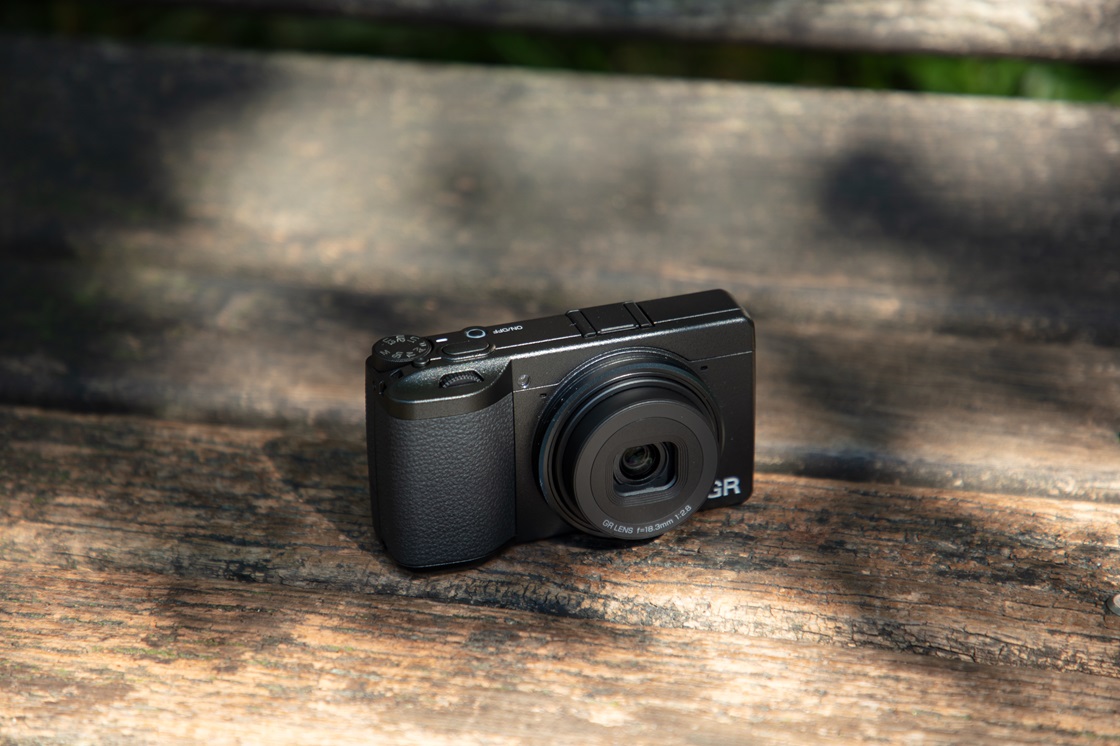
We develop GRs as the “ultimate snapshooter,” maintaining the special qualities of high image quality, portability, quick response, and evolving. We create cameras that you can carry in your pocket, capture moments that move your heart, turn them into photos, and help you see the world from a photographic perspective.
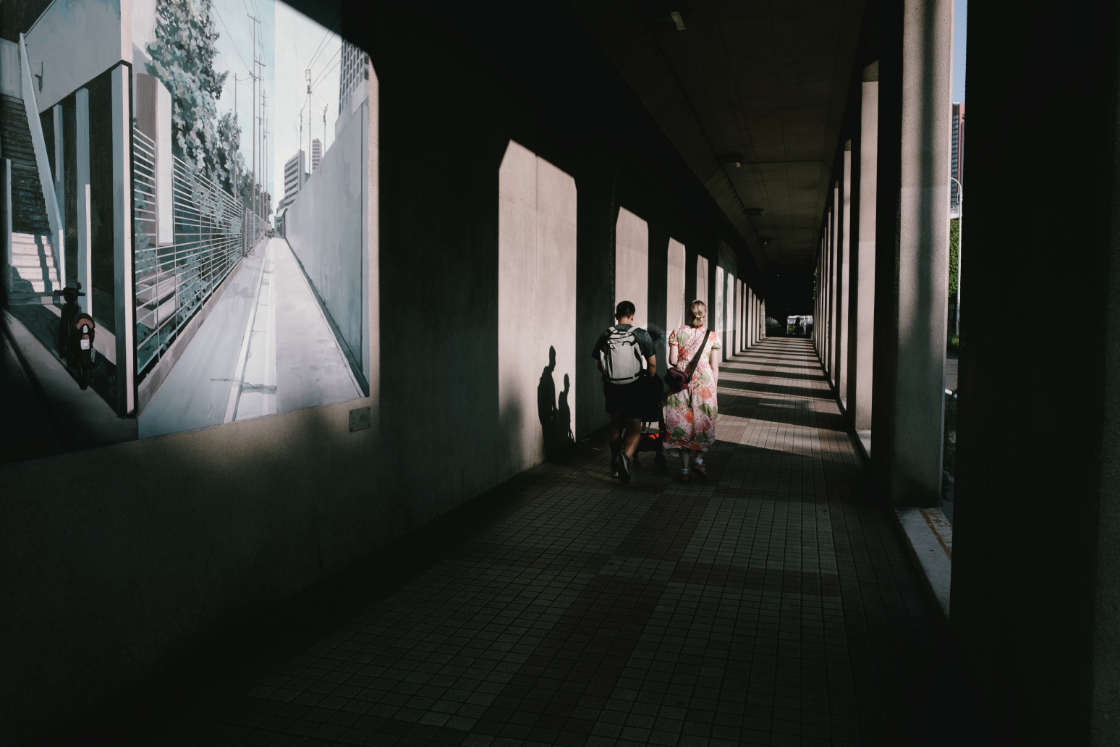
Three and a half years ago, we started the GR meet 47 project in Japan, traveling around all 47 prefectures and communicating with GR fans and photographers while taking snapshots together. We have engaged in this type of communication with fans in all Chinese provinces, major European cities, the US, and other Asian countries and regions. Their feedback is a huge asset and the driving force behind the creation of the GR IV.
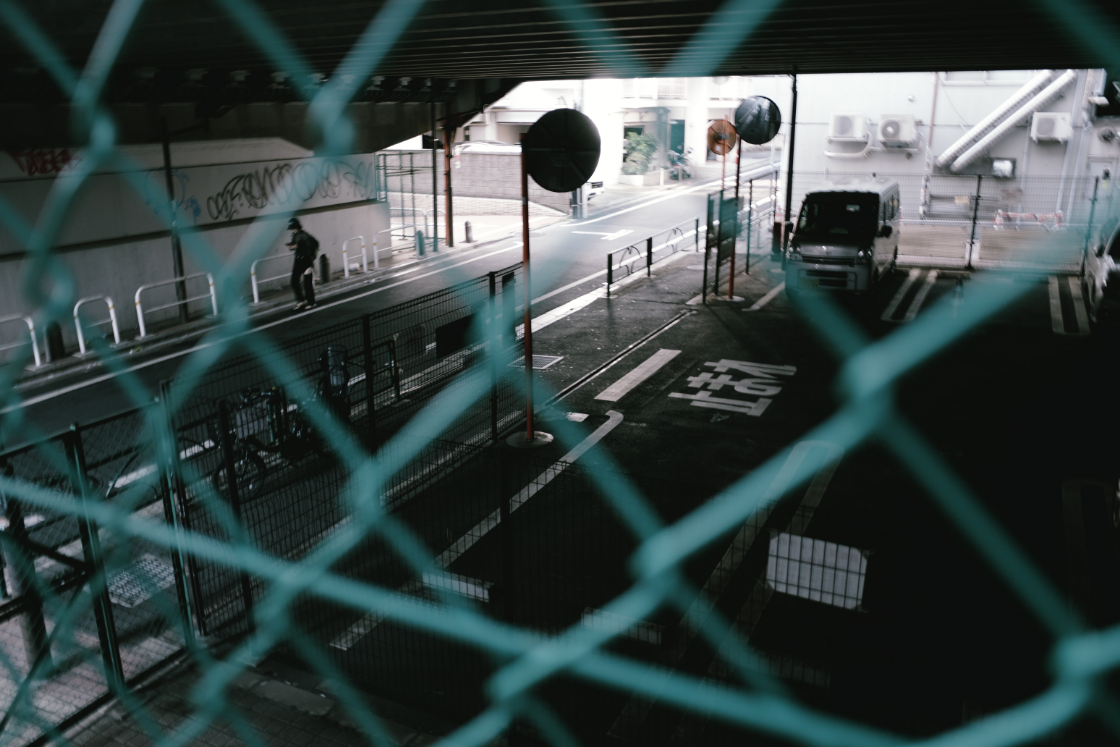
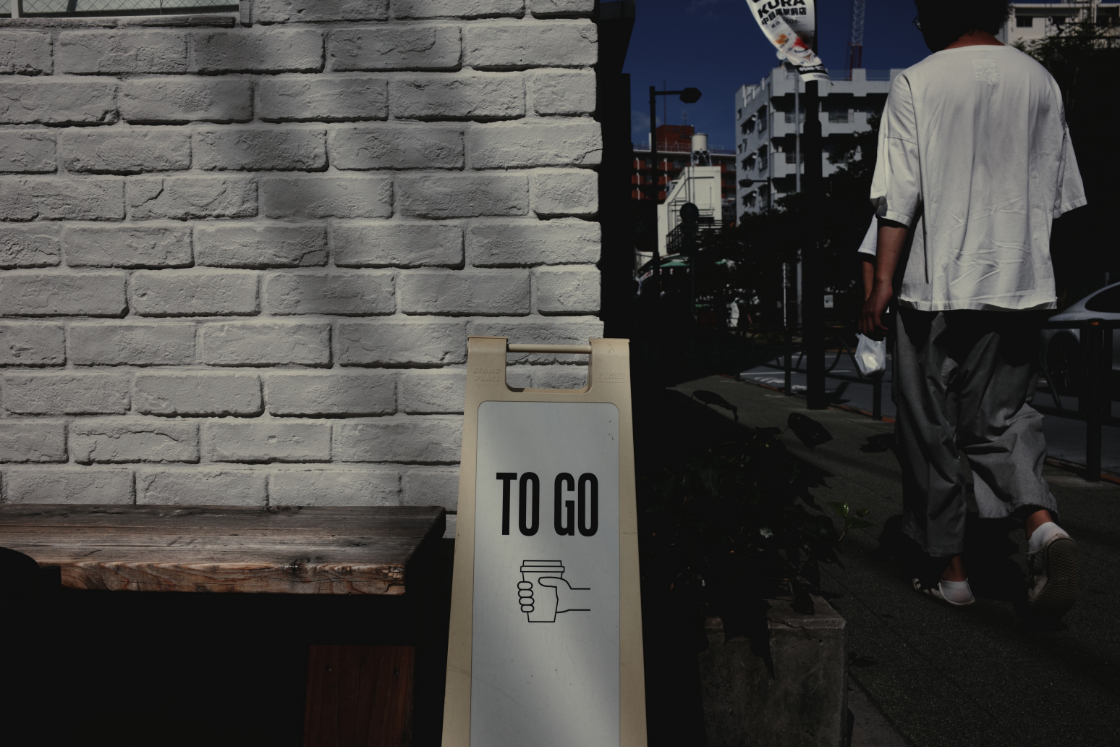
The concept behind it is the “genuine evolution of the GR.” We reevaluated everything from scratch to further evolve the snapshooter, allowing users to enjoy photography in its purest form.
We are so proud to deliver the new GR IV to all of you who have been waiting for it.
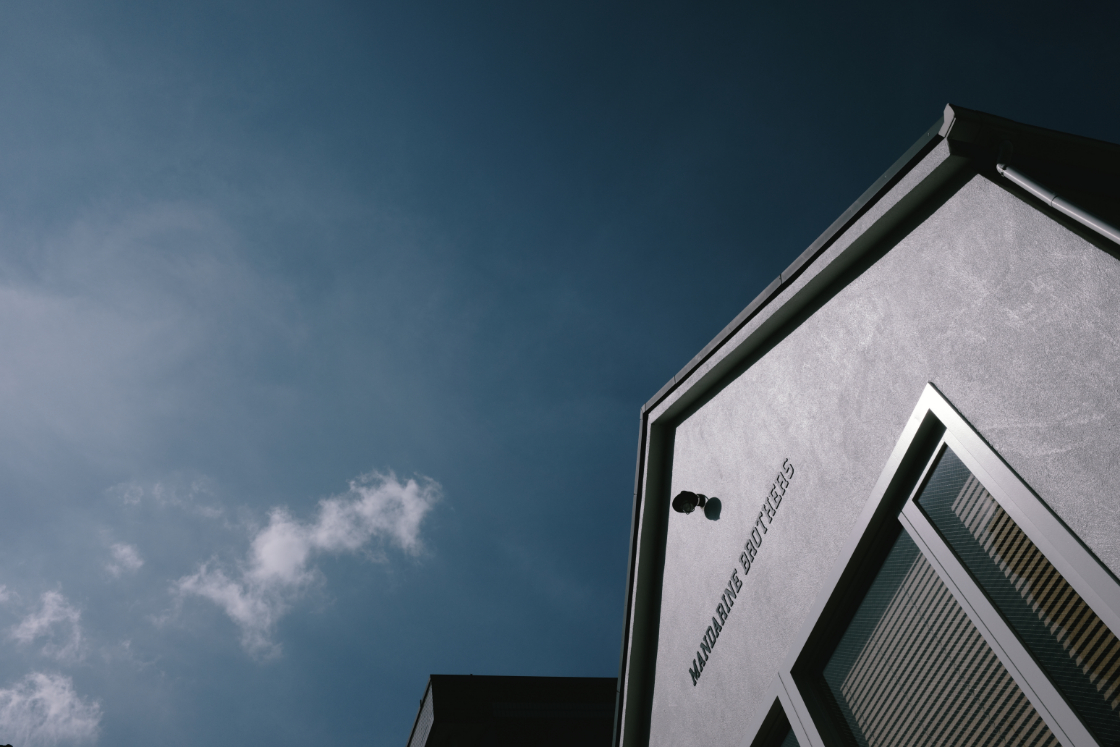
Ricoh GR IV Specifications
| Lens | Lens Construction | 7 elements in 5 groups (3 aspherical lens elements) |
|---|---|---|
| Focal Length, Aperture | 18.3mm (Approx. 28mm in 35mm equivalent focal length), F2.8~F16 | |
| Image Capture Unit | Image Sensor | Type: Primary color filter CMOS. Size: 23.3mm x 15.5mm |
| Effective Pixels | Approx. 25.74 megapixels | |
| Sensitivity (Standard output) | ISO100~204800: Auto (ISO Auto Lower/Upper Limit and Minimum Shutter Speed can be set), Manual | |
| Image Stabilization | Sensor-shift shake reduction “SR” (5-axis) | |
| AA Filter Simulator | Moiré reduction using SR unit (Off, Low, High) | |
| Dust Removal | Image sensor cleaning using ultrasonic vibrations “DR II” | |
| File Formats | Still Image | File Format: RAW (DNG) 14bit, JPEG (Exif 2.3), DCF2.0 compliant Color Space: sRGB、AdobeRGB Recorded Pixels:【3:2】L(26M:6192×4128), M(16M:4944×3296), S(8.2M:3504×2336), XS(2.5M:1920×1280)【4:3】L(23M:5504×4128), M(15M:4400×3296), S(7.3M:3120×2336), XS(2.8M:1920×1440)【1:1】L(17M:4128×4128), M(11M:3296×3296), S(5.5M:2336×2336), XS(1.6M:1280×1280)【16:9】L(22M:6192×3480), M(14M:4944×2784), S(6.9M:3504×1968), XS(2.1M:1920×1080) |
| Movie | File Format: MPEG4 AVC/H.264 (MOV) Recorded Pixels: Full HD (1920×1080, 60p/30p/24p), Sound: Built-in stereo microphone Recording Time: Up to 25 minutes or 4GB; automatically stops recording if the internal temperature of the camera becomes high. | |
| Storage Medium | Internal Memory (Approx. 53GB), microSD/microSDHC/microSDXC Memory Card (Conforms to UHS-I standards) | |
| Focus | Type | Hybrid AF (Image plane phase-matching and Contrast detection) |
| Focus Mode | Auto-area AF, Zone AF, Select AF, Pinpoint AF, Tracking AF, Continuous AF, MF, Snap(0.3m,1m, 1.5m, 2m, 2.5m, 5m,∞), ∞ | |
| Focus Limiter | Near Side, Far Side, OFF | |
| Full Press Snap | Performs shooting by focusing at the Snap distance with a single press of the Shutter Release Button or a touch of the LCD Monitor | |
| Face/Eye Detection | ON, Use only in Auto-area, OFF | |
| Focus Range (From lens face) | Normal: Approx. 0.1m~∞, Macro Mode: Approx. 0.06m~0.15m | |
| Exposure | Exposure Mode | Program AE, Aperture Priority AE, Shutter Priority AE, Snap Distance Priority AE, Manual Exposure |
| Metering Mode | Multi-segment, Center-weighted, Spot, Highlight-weighted | |
| Shutter Speed | 1/4000 sec. – 30 sec. (Limit by aperture setting F2.8: 1/2500 sec, F5.6 or greater: 1/4000 sec.) Timed Exposure (10sec. – 20min.), Bulb, Time | |
| EV Compensation | Still Image: ±5EV, 1/3EV steps, Movie: ±2EV, 1/3EV steps | |
| ND Filter (2EV) | AUTO, ON, OFF | |
| White Balance | Auto White Balance, Auto WB (Warmth Pri.), Auto WB (White Pri.), Daylight, Shade, Cloudy, Fl. – Daylight Color, Fl. – Daylight White, Fl. – Cool White, Fl. – Warm White, Tungsten, CTE, Manual White Balance, Color Temperature | |
| Fine Adjustment | Adjustable ±14 steps on A-B axis or G-M axis | |
| Drive Mode | Drive | Single Frame Shooting, Continuous Shooting, Bracketing, Multi-exposure, Interval Shooting, Interval Composite |
| Self-timer | 10 sec., 2 sec., OFF | |
| Shooting Functions | Crop | OFF,35mm,50mm |
| Image Control | Standard, Vivid, Monotone, Soft Monotone, Hard Monotone, Hi-Contrast B&W, Negative Film,Positive Film, Cinema (Yellow), Cinema (Green), Bleach Bypass, Retro, Cross Processing, HDR Tone, Custom1, Custom2, Custom3 Adjust parameters: Saturation, Hue, High/Low Key Adjustment, Contrast, Contrast (Highlight), Contrast (Shadow), Sharpness, Shading, Clarity, Toning, Filter Effect, Grain Effect, HDR Tone Level, Color Tone (Adjust parameter varies depending on the selected image setting) | |
| Dynamic Range Correction | Highlight Correction, Shadow Correction | |
| Noise Reduction | Slow Shutter Speed Noise Reduction, High-ISO Noise Reduction | |
| Horizon Correction | SR On: correction up to 1 degrees, SR Off: correction up to 1.5 degrees | |
| Display | Display magnification (4x, 16x), Grid display (4×4 Grid, 3×3 Grid), Histogram, Bright area warning, Electronic Level | |
| Playback Functions | Playback View | Single frame, Multi-image (20, 48 frames), Display magnification (up to 16x, 100% view and Quick Zoom view available), Histogram (Y histogram, RGB histogram), Grid display (3×3 Grid, 4×4 Grid), Bright area warning, Auto Image Rotation, Folder display, Calendar Filmstrip Display |
| Base Parameter Adjustment | Normal editing, Monotone editing Parameter: Brightness, Saturation, Filter Effect, Hue, Toning, Contrast, Sharpness (Adjust parameter varies depending on the selected editing setting) | |
| RAW Development | RAW file select: Select Single Image, Select Multiple Images, Select a folder, Select a shooting date RAW Development Parameter: Aspect Ratio, JPEG Recorded Pixels, Color Space, White Balance, Image Control, Peripheral Illumination Correction, Sensitivity, High-ISO Noise Reduction, Shadow Correction | |
| Edit | Delete, Protect, Image Rotation, Image Copy, File Transfer, Resize, Cropping (Aspect ratio and Slant adjustment available), Levels Adjustment, White Balance Adjustment, Color Moiré Correction, Movie Edit (Cut), Movie Edit (Divide), Save Movie Frame as Image | |
| LCD Monitor | Type | 3.0 inch TFT color LCD (aspect ratio 3:2)、Approx. 1037K dots, Wide viewing angle, Air-gapless tempered glass |
| Touch Screen | Capacitive sensing method | |
| Adjustments | Brightness, Saturation, Blue/Amber, Green/Magenta, Outdoor View Setting: Auto, Manual(±2 Steps) | |
| Wireless LAN | Standards | 2.4GHz : IEEE802.11 b/g/n/ax 5.2GHz : IEEE802.11 a/n/ac/ax (Not supported in some regions) 5.8GHz : IEEE802.11 a/n/ac/ax (Not supported in some regions) |
| Operating frequency band range | 2.4GHz : 2400MHz – 2483.5MHz 5.2GHz : 5150MHz – 5250MHz (Not supported in some regions) 5.8GHz : 5725MHz – 5850MHz (Not supported in some regions) | |
| Communication bandwidth | 2.4GHz : 20MHz 5.2GHz : 20/40/80MHz 5.8GHz : 20/40/80MHz | |
| Security | Authentication: WPA2™, WPA3™ / Encryption: AES | |
| Bluetooth® | Standards | Bluetooth® v5.3 (Bluetooth Low Energy) |
| Interfaces | USB Type-C™ | Battery Recharge/Power Supply (Optional AC Adapter required), Data Transfer: MTP, Video output: DisplayPort over USB-C (DisplayPort Alternative Mode) |
| Hotshoe | Compatible with dedicated flash Flash Mode: Flash On, Flash On+Red-eye, Slow-speed Sync, Slow Sync+Red-eye Flash Output: AUTO, 1/1, 1/4 | |
| Lens adapter pin | Available | |
| Power Supply | Battery Type | Rechargeable Battery DB-120 |
| AC Adapter | AC Adapter Kit K-AC166(Optional) | |
| Battery Life | Number of recordable images: Approx. 250 images, * With a fully-charged Rechargeable Lithium-ion Battery under the temperature at 23°C. Tested in compliance with CIPA standard. Actual results may vary depending on the shooting condition. Playback time: Approx. 240 minutes * The playback time is a guide based on RICOH's measurement method . The actual number differs according to usage conditions. | |
| Dimensions and Weight | Dimensions | Approx. 109.4(W)×61.1(H)×32.7(D)mm (excluding protrusions) Lens part:31.3(D)mm Body part:24.5(D)mm |
| Weight | Approx. 262g (Included dedicated battery and SD memory card), Approx. 228g (Body only) | |
| Included Accessories | Rechargeable Battery DB-120, USB Cable I-USB198, Handstrap O-ST198 | |
| Language | English, French, Germany, Spanish, Portuguese, Italy, Dutch, Danish, Swedish, Finnish, Polish, Czech, Hungarian, Turkey, Greek, Russian, Thai, Korean, Simplified Chinese, Traditional Chinese, Japanese | |
Preorder
- 25.7MP APS-C BSI CMOS Sensor
- New 28mm f/2.8 Lens (Full-Frame Equiv.)
- Improved AF and Low-Light Focusing
- 5-Axis 6-Stop Shake Reduction System
- 3.0" 1.04m-Dot Touchscreen LCD
- 53GB Built-In Memory & microSD Card Slot
- Full HD 1080/60p Video Recording
- Snap Distance Priority & Focus Limiter
- 35mm and 50mm Focal Length Crop Modes
- GR WORLD App for Updates and Control



1 comment