


When you purchase through links on our site, we may earn an affiliate commission. Here’s how it works. |
It has been a very busy few months for the Ricoh camp. Following the successful launch of its standard GR IV in September 2025, which managed to knock Fujifilm off its perch at the top of the Japanese best-selling charts, Ricoh has certainly not stopped and has continued to reinvent what one camera can do. We have a much clearer view now of its full lineup for next year, which is clearly focusing on specialization and filling specific niches. I love this approach, and I hope it’s successful for them. Ricoh, make a full-spectrum IR version next, please.
GR IV Monochrome
The Monochrome is much more than a firmware upgrade and a monochrome filter. With the removal of the Bayer layer from the 25.7MP APS-C sensor, it seems that Ricoh is targeting the market that is already being serviced by Leica’s Monochrom lineup, but at a far less breathtaking price point. Without that color filter, it maximizes the sensors abiltiy to gather light. It looks like we have a native ISO that goes all the way up to 409,600. Naturally, you won’t shoot at maximum, but it should be very clean in the mid ISO ranges.
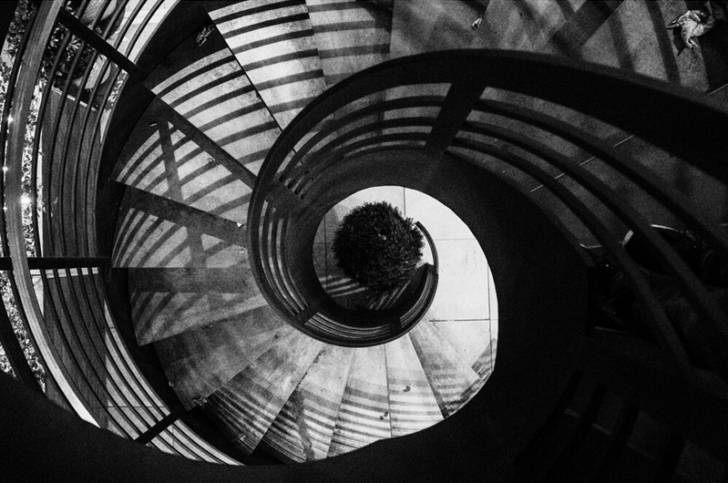
As well, Ricoh has added an interesting twist, as they have included a red filter built into this camera. This should help to deliver that “punchy” contrast between sky and land that BW film shooters were accustomed to achieving with screw-on filters. If you loved Tmax, this should be the camera for you.
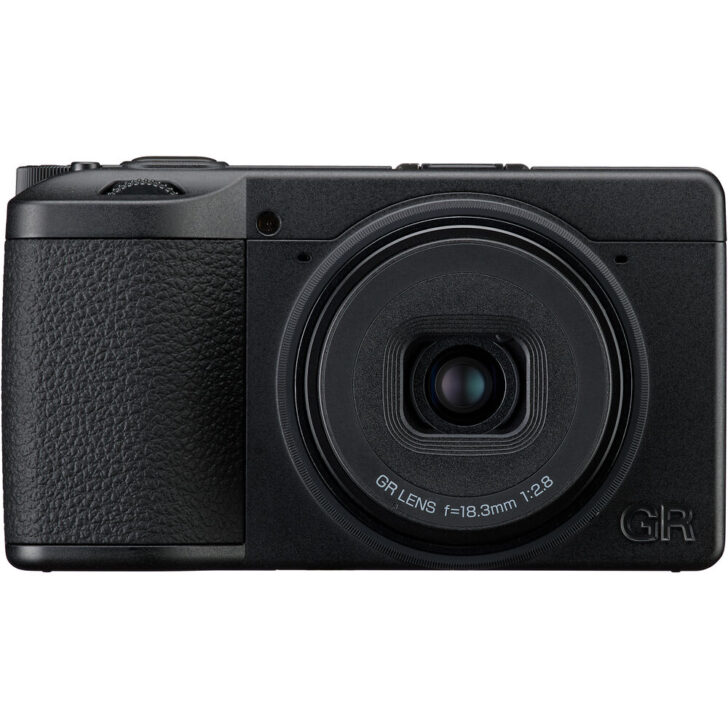
The only prominent indicator of this camera version is the white LED light on the power button and a blacked-out logo.
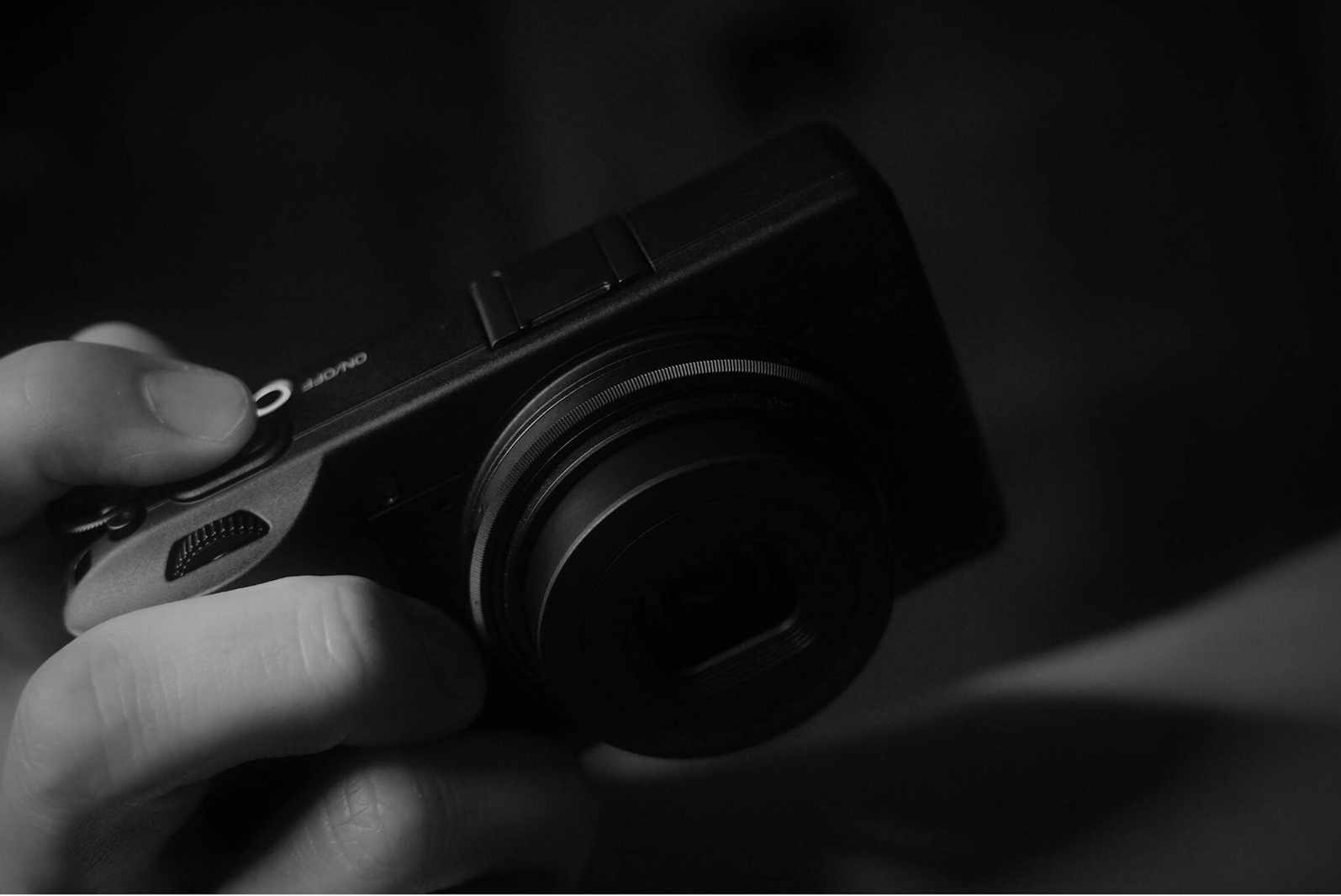
The Leica Q3 Monochrom Competitor
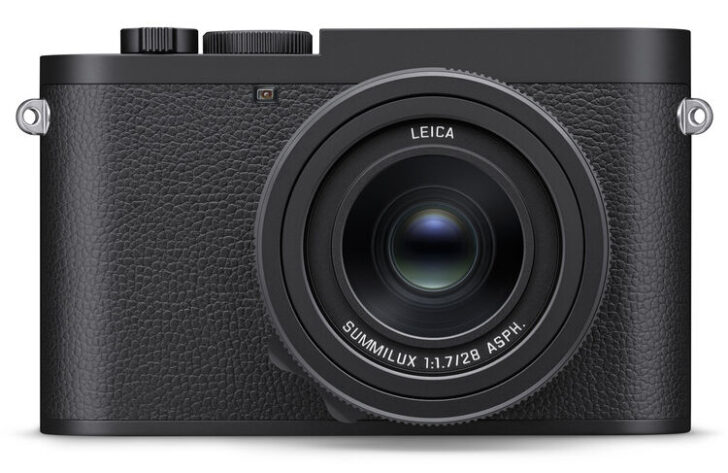
The obvious comparison is to the Leica Q3 Monochrom. Although it offers 60MP and a fast f/1.7 lens, it is a $7,790 camera system.
The suggested retail price is expected to be $2,199 for the Ricoh GR IV Monochrome. For one-fourth of that price, you get an actual B&W sensor, and it comes in a package small enough to fit in your pocket.
All this alone makes it an attractive choice for most street shooters.
Which GR are you going for?
Ricoh has effectively polarized this audience into three groups, depending on what your artistic preferences are. It’s a unique play on Ricoh’s part. “Do it all” mirrorless cameras are everywhere, but by creating different sub-cameras, they can reach out to niches that were really ignored by most of the Japanese camera companies.
Pre-Order
You can preorder the Ricoh GR IV Monochrome now. I have a feeling this is going to be a hot seller, so if you are interested, pre-order it quickly.
Press Release
RICOH Launches the RICOH GR IV Monochrome
Premium compact digital camera dedicated to monochrome photography enables unmatched expression through new dedicated image sensor
PARSIPPANY, NJ, January 14, 2026 — Ricoh Imaging Americas Corporation today announced the launch of the RICOH GR IV Monochrome, a camera specialized for monochrome photography. The camera, based on the RICOH GR IV premium compact digital camera, is newly equipped with a dedicated image sensor to achieve the ultimate in monochrome expression.
The RICOH GR IV Monochrome evolves the essential values of the GR series while newly incorporating a monochrome-dedicated image sensor. The new camera fully draws out the capabilities of the high-performance GR lens by eliminating the color filter used to acquire color information, as well as the interpolation process required to generate color images, thereby delivering refined rendering and rich tonal gradation. The camera’s built-in red filter enables more distinctive monochrome photography, and its newly developed Image Control options – dedicated to monochrome imaging – provide deep and diverse monochrome expressions.
The GR series marks its 30th anniversary this year, tracing back to the film camera RICOH GR1, launched in 1996. Over this long history, the GR series has consistently remained committed to the essential values of a camera – high image quality, quick response and portability – earning support from professionals and advanced amateurs, while continuing to evolve with the times. Following the recent announcement of the RICOH GR IV HDF, which will be available later this month, the addition of the RICOH GR IV Monochrome to the lineup reflects Ricoh’s hope that even more customers will enjoy the depth of photography through a broader range of expressions.
The RICOH GR IV Monochrome is scheduled to be showcased at GR SPACE in Tokyo, Shanghai, Beijing and Brisbane beginning on Thursday, January 15, 2026; in each of these locations, visitors can try out the new model firsthand.
| Pricing and Availability |
The RICOH GR IV Monochrome will be available mid-February at www.us.ricoh-imaging.com as well as at Ricoh Imaging-authorized retail outlets nationwide for a manufacturer’s suggested retail price of $2,199.95.
| Main features of the new RICOH GR IV Monochrome |
1. Monochrome-dedicated design
With the pursuit of the ultimate monochrome expression, the camera is newly equipped with an anti-aliasing (AA) filterless monochrome-dedicated CMOS image sensor of APS-C-equivalent size, capable of producing high-definition images with approximately 25.74 effective megapixels. Unlike monochrome images produced using a general color image sensor—where each pixel receives light through one of red (R), green (G), or blue (B) color filters, the information is interpolated to generate a color image, and the result is then converted to monochrome—each pixel of the monochrome-dedicated sensor captures the subject’s brightness information. Because it directly takes in the light information entering through the lens without interpolation processing, it enables sharp monochrome rendering with rich tonal gradation and also makes it possible to create works that emphasize grain effects by taking advantage of high-sensitivity performance.
2. Built-in red filter in the lens unit
A red filter that can be turned ON/OFF with a single operation is built into the lens unit. By allowing only red wavelengths of light to pass through, it enables dramatic rendering—for example, by darkening the tones of a blue sky to enhance contrast with white clouds, or by rendering red subjects brighter to make them stand out more clearly.
3. Support for diverse monochrome expressions
The camera features monochrome-dedicated Image Control options to enable a wide range of monochrome expressions. “Solid” uses a hard tonal curve to express a crisp, clean look and renders edges with refined clarity. “Grainy,” characterized by a strong grain effect, delivers a finish reminiscent of silver-halide prints and printed materials by avoiding complete highlight blowout and preventing shadows from being crushed to solid black, while producing grain that is clearly visible even on smart devices.
4. Carefully crafted exterior design
To evoke the primitive, essential world of black-and-white photography by unifying the overall color and texture, the magnesium-alloy body, as well as the shutter release button and ring cap, are finished in matte black. The subdued sheen, deep texture, and softly tactile feel together make the GR’s special nature immediately apparent. In addition, the front GR logo is finished in semi-gloss black, with a luster distinct from that of the body finish. Moreover, the power button illumination has also been changed to white. The monochrome aesthetic is expressed throughout the design.
Other features
Electronic shutter enabling high-speed shooting up to 1/16000 second In addition to the conventional mechanical shutter, the camera is equipped with an electronic shutter that enables shooting at higher shutter speeds. The shutter speed can be increased up to 1/16000 second, which is effective for creative work that takes advantage of the monochrome sensor’s high-sensitivity characteristics in bright conditions, and for situations where it is desirable to shoot with the aperture open even in very bright environments.
Note: This function is scheduled to be added to the GR IV as well via function-expansion firmware (to be released after the launch of the RICOH GR IV Monochrome).
* Except for the presence or absence of the ND filter, other camera specifications are the same as those of the RICOH GR IV.
The new GR IV Monochrome will launch with regional language support in English, Spanish, and French. This offering ensures a strong, localized experience for our core markets.
Specifications
Price MSRP $2199, £1599 Body type Body type Large sensor compact Sensor Max resolution 6192 x 4128 Other resolutions 4944×3296, 3504×2336, 1920×1280 Image ratio w:h 1:1, 4:3, 3:2, 16:9 Effective pixels 26 megapixels Sensor size APS-C (23.5 x 15.6 mm) Sensor type CMOS Color space sRGB, Adobe RGB Color filter array None Image White balance presets 12 Custom white balance Yes (Adjustable ±14 steps on A-B axis or G-M axis) Image stabilization Sensor-shift Image stabilization notes 5-axis Uncompressed format RAW JPEG quality levels L, M, S, XS File format JPEG (Exif 2.3), DCF2.0 compliantRAW (14-bit DNG) Optics & Focus Focal length (equiv.) 28 mm Optical zoom 1× Number of lenses 1 Maximum aperture F2.8–16 Autofocus Contrast Detect (sensor)Phase DetectMulti-areaCenterSelective single-pointTrackingSingleContinuousTouchFace DetectionLive View Autofocus assist lamp Yes Manual focus Yes Normal focus range 10 cm (3.94″) Macro focus range 6 cm (2.36″) Screen / viewfinder Articulated LCD Fixed Screen size 3″ Screen dots 1,037,000 Touch screen Yes (Capacitive) Screen type TFT LCD Live view Yes Photography features Minimum shutter speed 30 sec Maximum shutter speed 1/4000 sec Maximum shutter speed (electronic) 1/16000 sec Exposure modes ProgramAperture PriorityShutter PrioritySnap Distance PriorityManual Built-in flash No Drive modes Single Frame ShootingContinuous ShootingBracketingMulti-exposureInterval ShootingInterval Composite Self-timer Yes (2 sec, 10 sec) Metering modes MultiCenter-weightedHighlight-weightedSpot Exposure compensation ±5 (at 1/3 EV steps) Videography features Format MPEG-4, H.264 Modes 1920 x 1080 @ 60p, H.2641920 x 1080 @ 30p, H.2641920 x 1080 @ 24p, H.264 Microphone Stereo Storage Storage types UHS-1 microSD Storage included 53GB Connectivity USB USB 3.0 (5 GBit/sec) USB charging Yes (Type C) HDMI No Wireless Built-In Wireless notes 2.4Ghz, 5Ghz Physical Battery Battery Pack Battery description DB-120 battery Battery Life (CIPA) 250 Weight (inc. batteries) 262 g (0.58 lb / 9.24 oz) Dimensions 109 x 61 x 33 mm (4.29 x 2.4 x 1.3″) Other features Orientation sensor Yes GPS None
Image Gallery
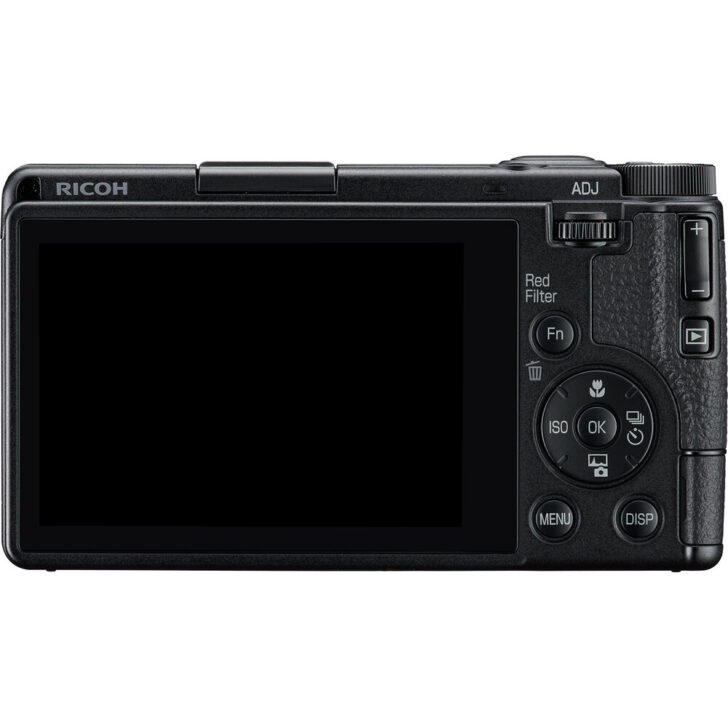
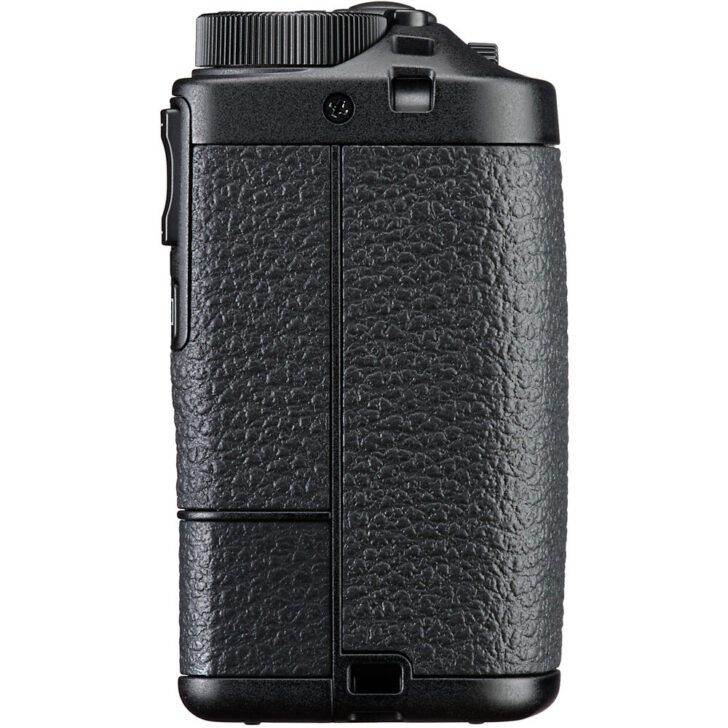
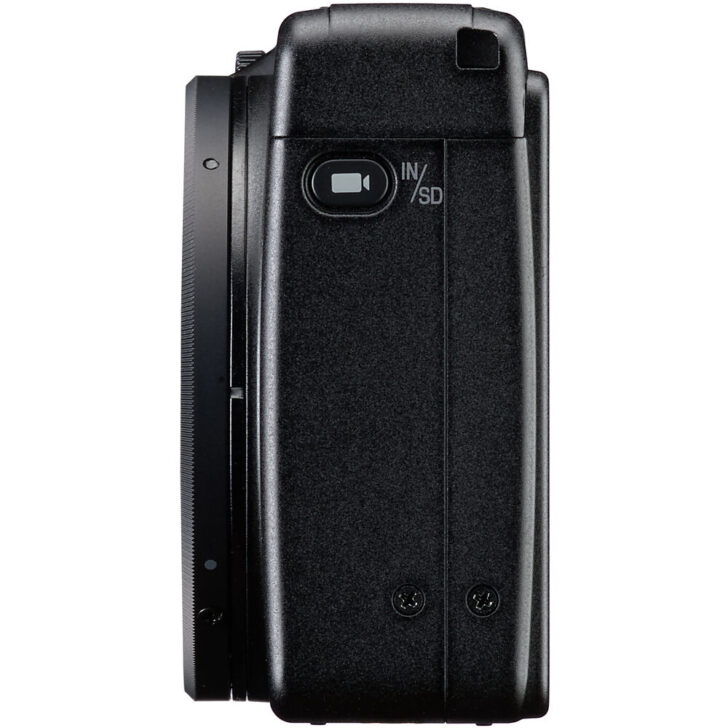
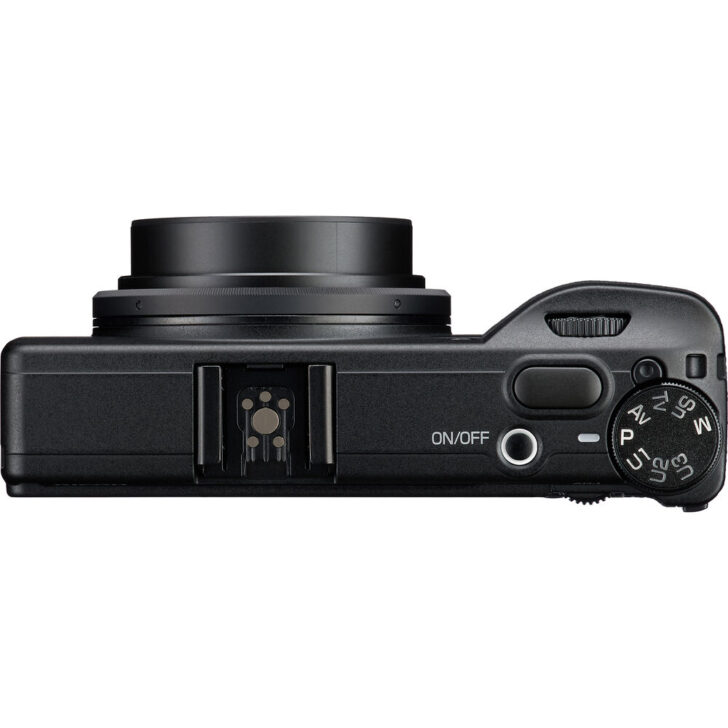
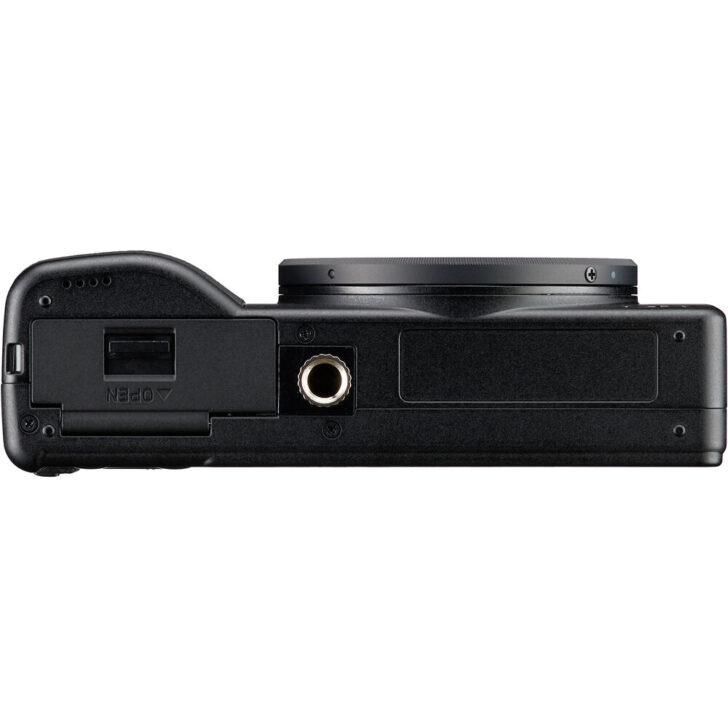
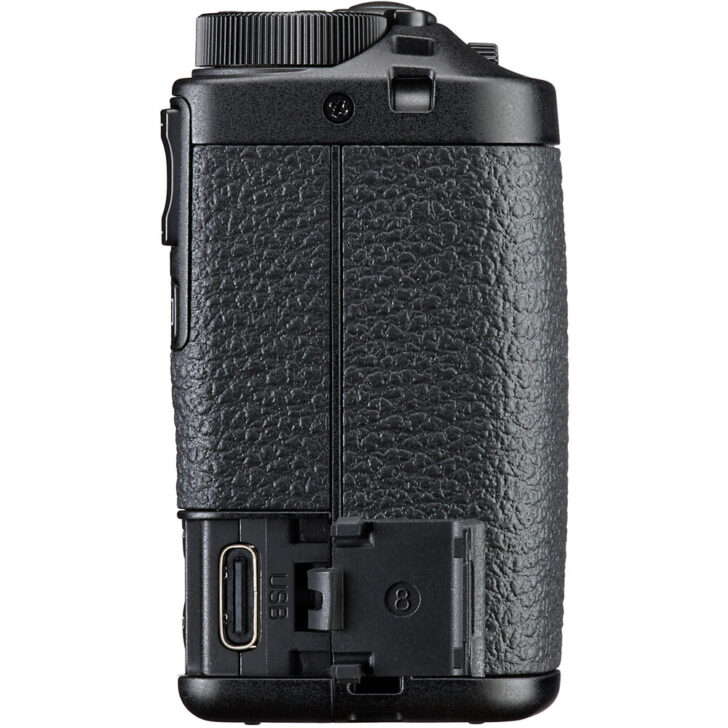
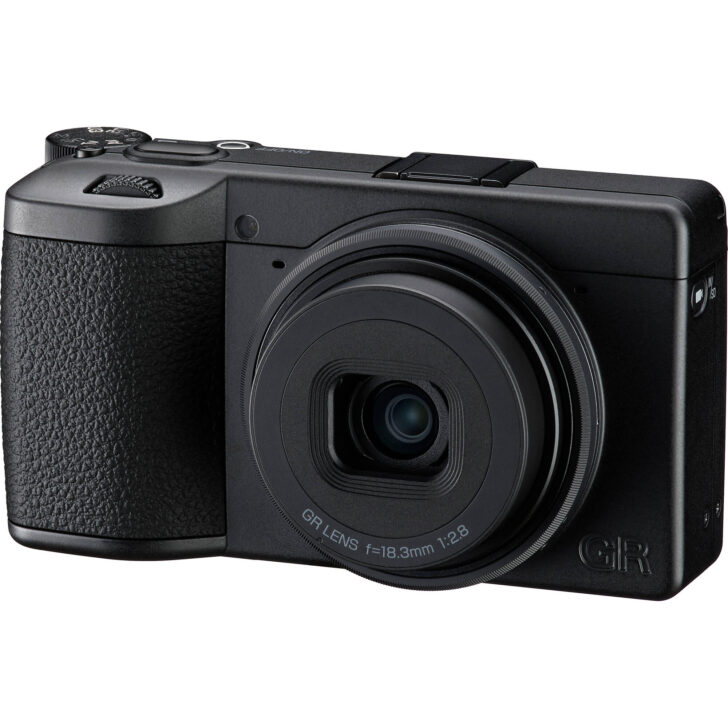
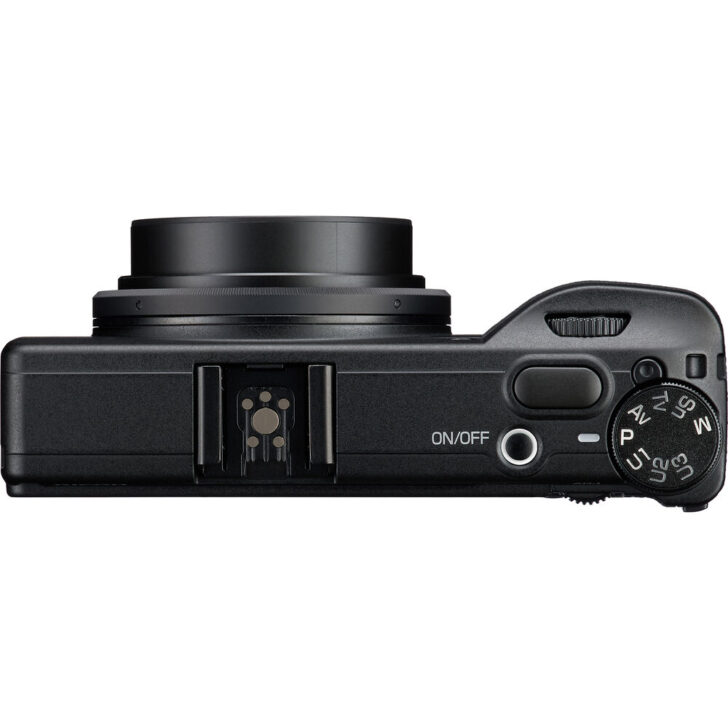
Pre-Order
You can preorder the Ricoh GR IV Monochrome now. I have a feeling this is going to be a hot seller, so if you are interested, pre-order it quickly.





As a B&W shooter I’m still unconvinced as to the practical output benefits of a monochrome digital sensor, but I can see the appeal in making the photographer think B&W when using the camera.
I suppose I’d have to try one before being critical.
While roughly 2/3 of an F-stop increased sensitivity is certainly appreciated (thanks to the removal of the Bayer filter array), the main benefit is that this GR IV 'forces' to shoot black & white (aka monochrome) as the only option at the time of shooting. However, most modern cameras have settings to shoot black & white, alternatively almost every post-processing software can generate it afterwards, some with options including a variety of color filters.
For me the R5 / R5 II setting 'Monochrome' and optional color filters do the same on a vastly more capable camera.
Clearly the red filter makes it specifically IR
See: https://kolarivision.com/full_spectrum_conversion/