

When you purchase through links on our site, we may earn an affiliate commission. Here's how it works. |
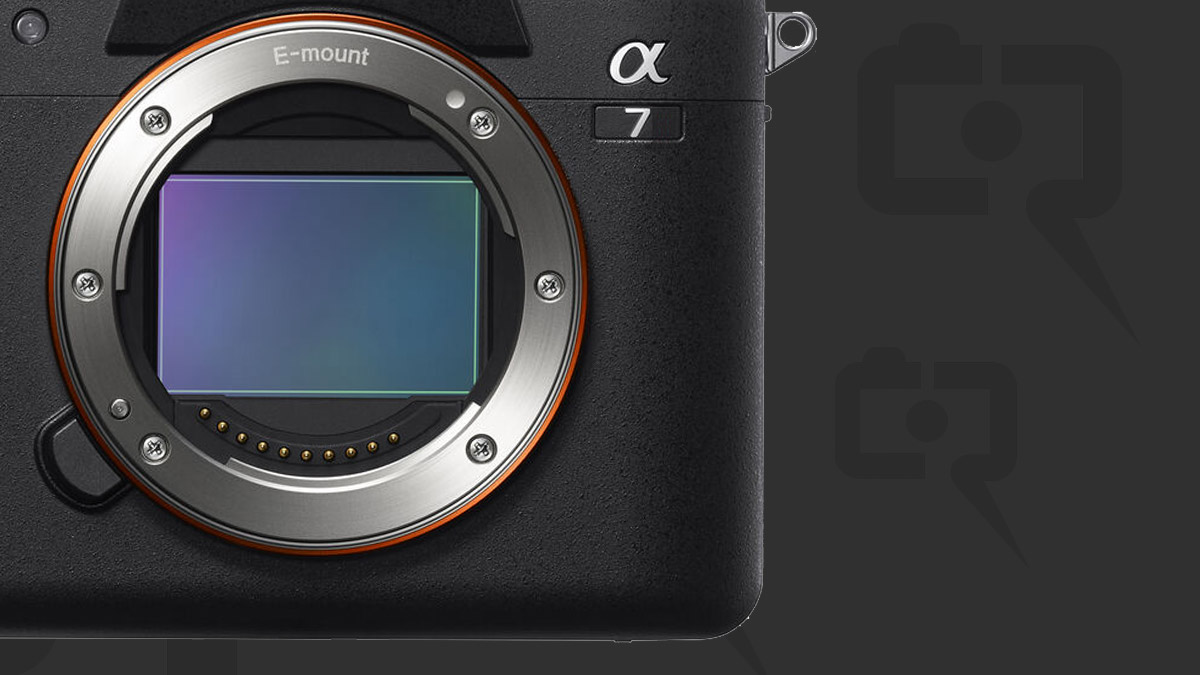
The rumormill is continuing to drip information regarding the Sony A7 V. Slowly, this is the latest camera in a long line of Sony's mid-level class full-frame mirrorless camera, which, like the R6 lineup, has grown up a lot over the years. Currently, according to SAR, the specifications include;
- 33MP partially stacked sensor
- 30fps 14Bit RAW in electronic shutter and 10fps in mechanical
- Pre Capture
- 8 stops IBIS
- 4k60p no crop, no Open Gate
- new AI chip like the Sony A1II
- Free-Angle Tilting 3.2″ Touchscreen LCD
- 2x dual Type A SD slot
- no C5 button
- improved EVF (5.6m dot?)
- dual USB-C port (gets rid of the micro-USB port)
- Same Sony A7rV body design.
- Announcement on December 2
- Price: 2999€
The partially stacked sensor is a bit of an oddity. Perhaps it's cheaper than a regular stacked sensor, but you'd think that $3000 would give Sony a bit of breathing room to put in a stacked sensor instead.
If this is like the Z6 III, which touted the first partially stacked sensor, then it could very well be that the camera is leaning towards speed and certainly not image quality, where the Z6 III took a fairly substantial dynamic range hit, against its non-stacked Z6 II model.

It remains to be seen if Sony has optimized this any, but given the limited time between the Z6 III release (June 2024) and this A7 V, I'm not sure they would have had much time to do much.
With an included AI chip, it sounds like the A7 V is borrowing much of its autofocus technology from the A1 II, which should make it a very compelling camera for photographic demands that require accurate autofocus.
For a 33MP sensor, just being able to do 4k60p seems a bit of a miss, especially considering that Canon allows you to do up to 7k60p DCI and also Open Gate. What I find remarkable is that for once, Sony is seemingly struggling to match the specifications of a Canon mirrorless camera, especially one that is in their bread and butter lineup, the A7 series.
Sony has had a wide variety of video composing tools on their A7 series cameras, which you'd expect, given Sony's incredible DNA in the video market. The Canon R6 Mark III was playing catch-up in terms of video creation tools, so I would expect the two cameras to now be on very similar footing.
As I mentioned before, the one thing I'm a little jealous about is the mechanical tilting LCD, as I much prefer tilting an LCD against the camera body without having it extend to the side in essentially what is a video camera mode.

The camera looks like a strong contender for the mid-range camera market, which seems to include $3000 camera bodies now. And of course, one thing that Sony has in its favor that Canon does not is the massive wealth of lenses for that mount, which Canon does not have.
As the technical details of the cameras become essentially a draw between manufacturers, it's these kinds of things that start to stand out more. Not to mention, it seems like there's a new lens that comes out for the Sony mount from one manufacturer or another every week or so, giving the Sony system outsized publicity. And it's annoying writing on CR and seeing a cool new lens and going “bleh, just for Sony”.
Amusingly, even with that, Canon is firmly the market leader in mirrorless now. However, I ponder how well the overall camera market would be doing if Canon decided to sell even more cameras than it does now.






speed. it's 4x faster in e-shutter doing 12 bit - canon uses a ramp comparator, so the more bits the slower the ramp.