

When you purchase through links on our site, we may earn an affiliate commission. Here's how it works. |
Sigma's CEO, Kazuto Yamaki sat down with DPReview's Dale Baskin and Richard Butler and had an interesting interview about the state of the industry and also the future of APS-C.
He mentions something that I have long been concerned about the products are getting too expensive for the initial buy-in's and it's going to be a struggle for the industry to attract new customers, who will simply decide that the phone is good enough.
The younger generation takes huge amounts of photos with smartphones. While we can expect some of them to switch from a smartphone to a camera, many may find the price gap too wide, and challenging to make the switch.
For some, saving up for that once-a-year purchase of a flagship smartphone is about all they can manage, the initial buy-in for a camera, accessories, and lenses can easily and very quickly top that by a significant margin.
One of Canon's main strengths was always having credible options for the people who can't afford to spend any more money whether that is the largest used market of used equipment on the planet, or even cheaper lenses and cameras. While I love Canon's halo products, we should never be too dismissive when Canon makes gear that is well underneath our use cases. Well, unless it's the EOS R100. That's dead to me.
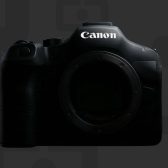
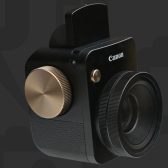
I thought this next quote to be amusing because a camera (and company) immediately popped into my head. Of course, Mr Yamaki is far too wise and political to say what camera or system he thought of, but I can guess it was this one.
We've seen some cameras with very technically impressive specifications, but I worry that they're not always capabilities that many photographers really need. Moving forward, I speculate that more user-friendly specifications might mean more to customers. Easier to use interfaces, a compact and lightweight body for enhanced portability, or some other specifications might be more important.
All kidding aside (No, I'm not kidding about that camera, though), I can imagine this is always a balance between technology and what matters most to the target market. We've seen it here about the R1, with some complaining about the R1 coming out with 24MP – where some users will push for the higher MegaPickles™, but others, want what is best for their workflow, speed, and storage.
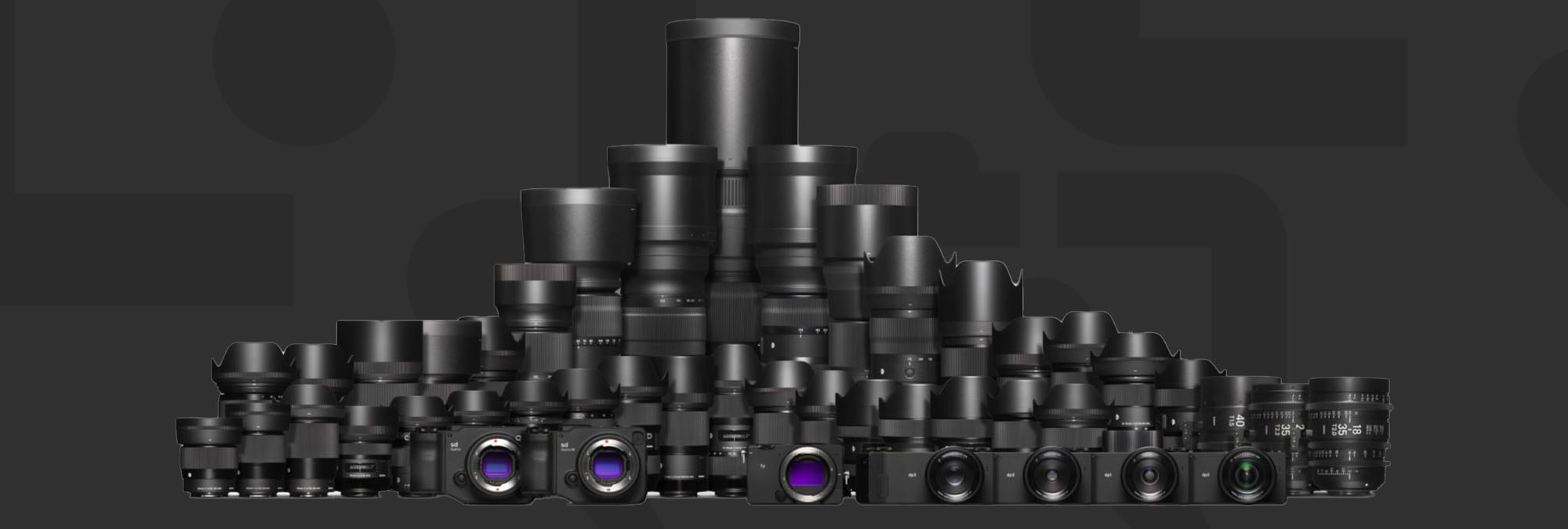
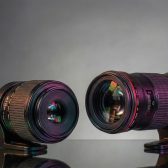
I really found it interesting to how he sees Sigma in the market – doing the optical elements and designs first, so that the big boys know that specific glass elements can be created at the yields necessary for mass production.
In most cases, we are the first to use a new type of element, and once they see Sigma use that lens element, they start using it. I’m very happy to play such a role. Sigma is kind of the guinea pig in the lens industry: they use Sigma as an experiment, and if we prove it, they use it.
That means I must start paying more attention to Sigma's optical patents as they could be an industry precursor to new designs.
Mr Yamaki discussed a lot more in the article, and it was a pretty good interview. I would have liked to know more about the status of the full-frame Foveon project, but it does sound like is not going to make it to market any time soon.
Read the full review here.



Jokes aside I agree 100% with what is said. I would not have bought the R6II+24-105F4L kit, if it wasn't for the Black Friday deal last year which also included the vertical grip and 50mm F1.8.
Those were massive savings compared to the MSRP and still tough to swallow for a hobby at my skill set. Clearly I could have gone with an RP, R8, R or R6, which doesn't affect the lens prices though (in fact the 24-105F4L gets less savings in the kit with cheaper bodies, thus partially offsetting the body price difference).
Though amongst all the FF manufacturer Canon still has one of the more affordable line ups if I'm not mistaken, particularly at 1st party level.
Source: cined: https://www.cined.com/sigma-28-45mm-f-1-8-dg-dn-art-24-70mm-f-2-8-dg-dn-ii-art-first-look/