

When you purchase through links on our site, we may earn an affiliate commission. Here's how it works. |
Sigma has been hitting it out of the park for quite some time, and looks like they're going to continue that trend. This is all great for some, but not for us yet.
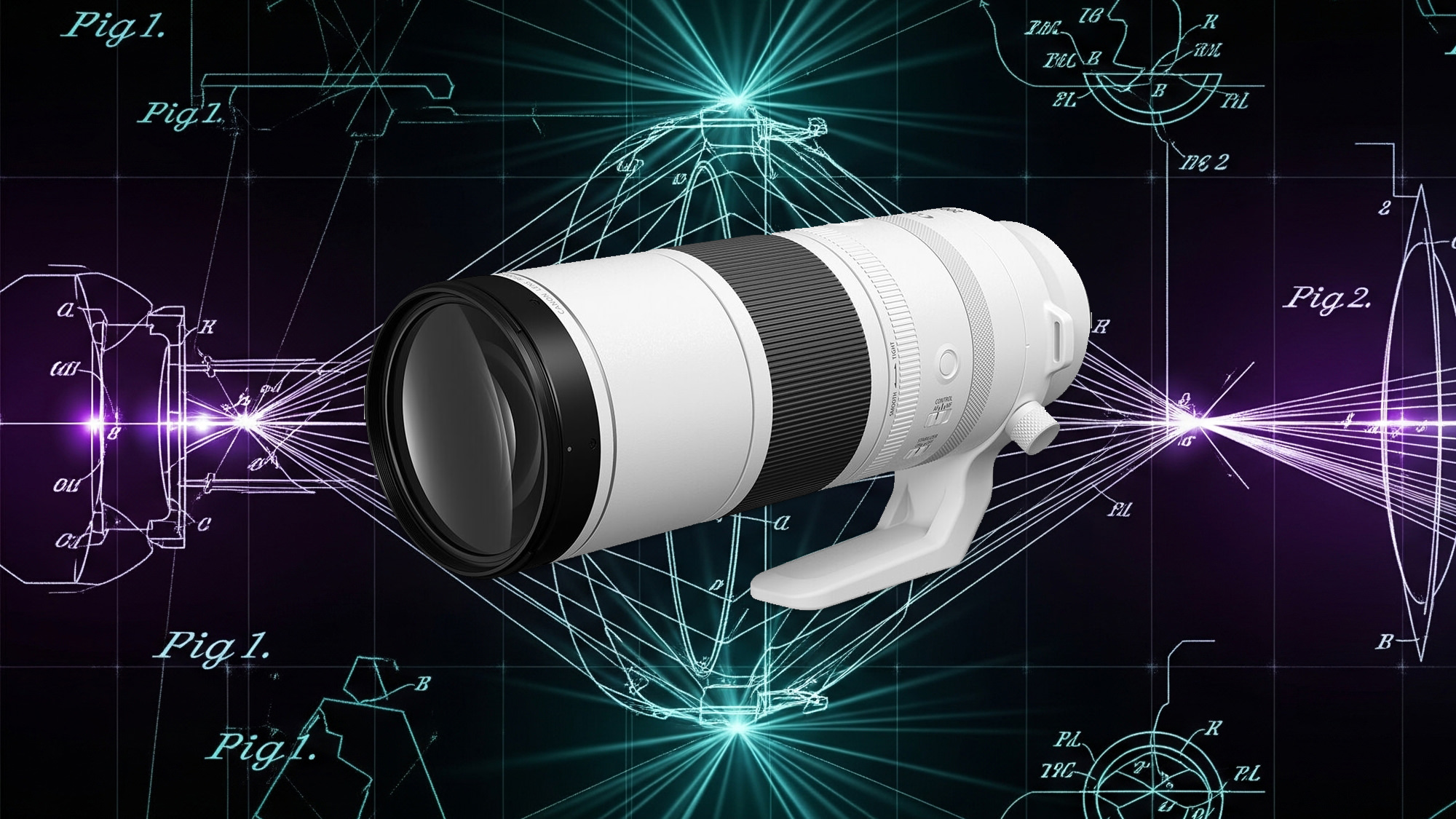
Canon's RF 200-800mm f/6.3-9 IS USM has been a big seller for Canon and is the type of lens that has mass market appeal. These sorts of lenses are the bread and butter of revenue. You also have the added bonus of sometimes getting two lenses for one.
During the DSLR days, Sigma and Tamron sold a boatload of lenses like the Sigma 150-600mm F5-6.3 DG DN OS Sport. Canon really didn't have anything similar for people that wanted that sort of reach in a zoom for an “affordable” price. Canon has that now in the 200-800, so Sigma and Tamron wouldn't sell as many for the Canon RF mount.
What's Sigma up to?
The lens Sigma is developing has slightly “better” specifications with it being a bit faster and that added 20mm at the short end. Going by the specifications below, it is a lot longer than the RF 200-800 f/6.3-9 IS USM, but it's not really possible to know what the actual lens would look like from a patent application.
The patent here covers reducing the size of a lens and to control abberations through the entire zoom range. Size and weight is an area Sigma has to work on, but stripping weight from pretty much anything adds cost. This is something Sigma has to figure out without having to charge significantly more for a product.
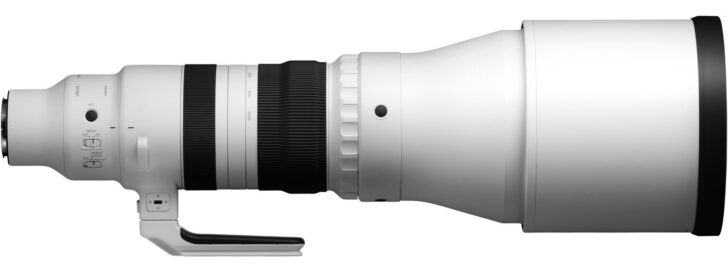
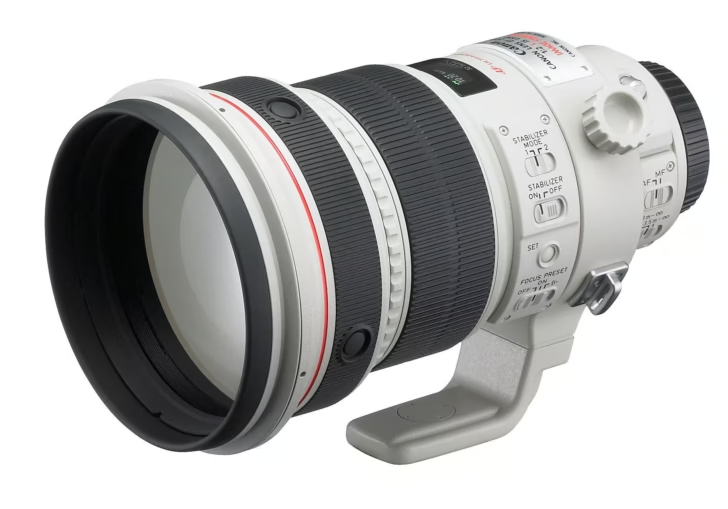
The Sigma 300-600mm f/4 DG OS Sports looks amazing, and I'd love to try one out, but the compromise for the amazing price (Pre-Tariffs) is weight. It weighs a nearly a pound more than the nearly 15 year old Canon EF 200-400mm f/4L IS USM Extender 1.4x.
Weight reduction is hard.
Sigma 180-800mm f/5.6-8 DG DN
| Focal length | 185.40mm-785.00mm |
| F-number | 5.76-8.39 |
| Angle of view | 13.15°-3.09° |
| Image height | 21.63 |
| Total length | 478.85 |
| Back Focus | 40.1124 |
Japan Patent P2025-85984A
Problem
To provide a telephoto zoom lens that reduces the overall length and weight of the entire lens system and has little aberration variation throughout the entire shooting range.
Solution
The telephoto zoom lens according to the present invention comprises, in order from the object side to the image side, a first lens group G1 having positive refractive power, an intermediate lens group Gm, and a final lens group Gr, and when zooming from the wide-angle end to the telephoto end, the first lens group G1 is fixed with respect to the image plane, the spacing between adjacent lens groups changes, and focusing is performed from an object distance of infinity to a close distance by moving a part or multiple lens groups within the intermediate lens group Gm, and the first lens group G1 comprises a front sub-lens group G1f located on the object side and a rear sub-lens group G1r located on the image side, and satisfies a predetermined conditional formula.
Summary
I rambled on a bit on this one, but I like this stuff.
We do think this optical design leans more towards becoming a product, and this hunch comes from more than just this patent, but it's not a lens that Canon shooters will be too upset about it not being available for the RF mount.
We can't say that about every lens Sigma is bringing to the market. Sigma is gearing up to announce a 35mm f/1.2 and a 200mm f/2. The latter being a lens we love and desperately want for the RF mount.
Source: JPO P2025-85984A Via: asobinet






*Note that for lenses requiring/forcing digital correction of geometric distortion, the image height can be slightly smaller than half of the sensor diagonal, because distortion correction will 'stretch' the final image to cover the corners of the sensor.
Thanks for clarification. Though if I'd read the patent I would have seen that.