
When you purchase through links on our site, we may earn an affiliate commission. Here's how it works. |
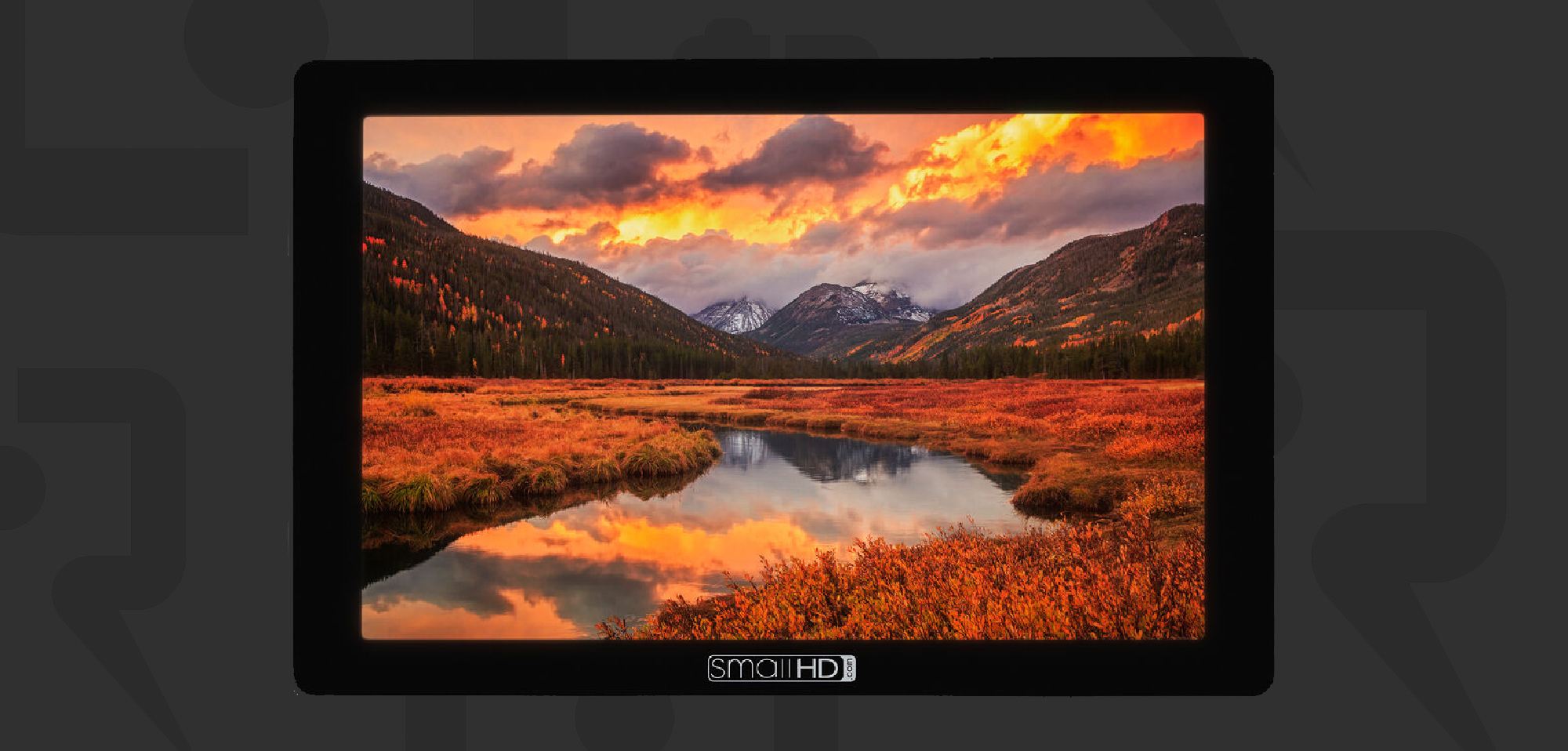
For today only, B&H Photo has on sale the SmallHD Cine 7 Touchscreen On-Camera Monitor for only $999, saving you $1200. Yes, that's right, twelve hundred.
Features include;
- 7″ 1920 x 1200 Touchscreen Display
- 1800 cd/m², 10-Bit IPS LCD Panel
- Swappable L-Series Dual-Battery Plate
- Supports up to 1920 x 1080p60 Input
- 1 x HDMI Input, 1 x HDMI Output
- 1 x 3G-SDI Input, 1 x 3G-SDI Output
- Waveform, RGB Parade, Vectorscope
- Card Slot for Image Capture/LUTs/Upgrade
Monitor your camera with the Cine 7 Touchscreen On-Camera Monitor from SmallHD. Featuring a sharp 7″ display suitable for indoor or outdoor use, the Cine 7 monitor supports up to UHD 4K HDMI output as well as various HD and SD formats via one full-size HDMI input, one HDMI output, one 3G-SDI input, and one 3G-SDI selectable input/output. The monitor also supports cross conversion from HDMI to SDI and from SDI to HDMI.
The Cine 7 features a bright 1800 cd/m², 322 ppi, 1920 x 1200 IPS LCD touchscreen with 3D LUT compatibility. Using the intuitive PageOS 4, you can turn on and save pages of various monitoring tools and focusing aids with a finger tap. At the rear of the monitor, an L-series mount battery plate accepts two L-series batteries for powering your monitor.
NOTE: This is a B-stock item, which means it is a brand-new product in original packaging; it just has some minor differences in parts that do not meet A-stock IQC standards.
B-Stock Grade
Expect high-quality workhorse monitors, outfitted with brand-new chassis, boards, and components, that meet the following criteria:
- New and unused panel, chassis, and accessories
- Less than five pixel defects on the panel
- Less than five dents, unfelt scratches, or bubbles
- Insignificant hot spots at minimum 95% uniformity