

|
When you purchase through links on our site, we may earn an affiliate commission. Here’s how it works. |
Following my list of the 10 most important EOS Digital cameras ever, I figured I’d do the same thing for PowerShot. Don’t worry, there is no top 10 printer or camcorder list coming.
As we all know, the compact market dried up, and quite quickly once smartphones took over the world. I’m not sure if anyone thought that would happen when Mr. Jobs announced the iPhone. There have always been paradigm shifting products that upend an entire industry, and this time it just happened to be compact cameras.
The Resurgence
I think we’ve all noticed that over the last year or so, the compact camera market has had a bit of a resurgence. A bit? I think it’s more than that. People have been paying crazy money for 5 to10 year old PowerShot cameras. Some of which you’ll never be able to get repaired.
I think part of it has to do with how ridiculous smartphone photography software has become. It’s a race to the bottom for authenticity. There is no longer a need to learn the actual art, just drag your finger across the screen and change everything you screwed up. What’s the point?
It’s great to see a growing number of younger people that do want to learn photography.
Any camera company not paying attention to this is going to find themselves behind the 8-ball. The compact camera market could go the way of vinyl, with neverending slow growth, or it’ll be a 5-year fad. I hope it’s the former. I would love a new PowerShot in my kit when the right one comes along.
Canon has the biggest brand power in compact cameras, and they appear to be ready not to miss what is potentially coming.
Doing a “best of” is too difficult with so many PowerShot cameras, and my own biases. I have never touched even 25% of all the PowerShots ever made. Who knows? Maybe there was a cool ELPH at some point.
Without further ado…
CANON POWERSHOT 600
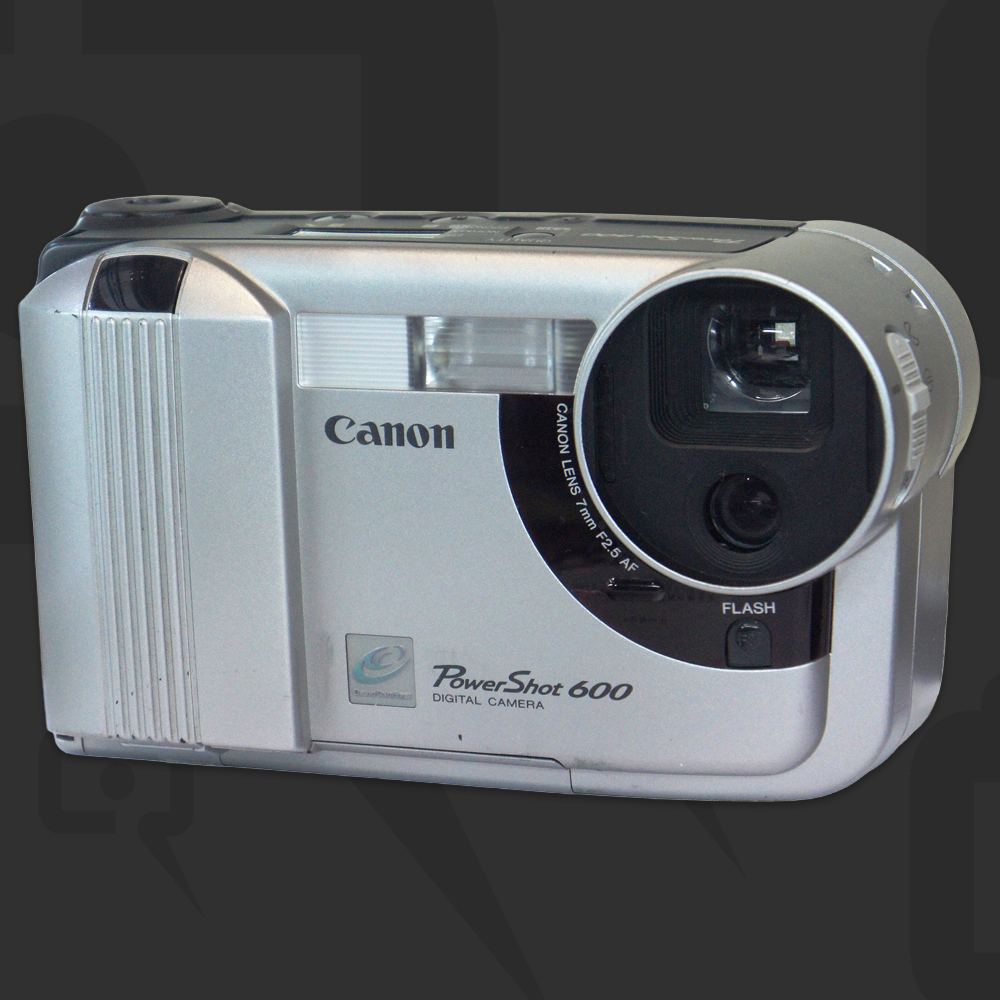
I don’t think you can have a list like this without the camera that started it all. In July of 1996 Canon launched their first PowerShot Digital compact camera. This was the digital continuation of the SureShot lineup of film cameras. SureShot was popular, though they didn’t release too many compact film cameras considered classic like other brands like Olympus, Nikon, Contax and others.
The PowerShot 600 came to market with a 0.57MP CCD 1/3″ image sensor. This was ok for 4×6 prints, but I don’t think you could get more than that from it. This sort of thing was more a proof of concept than something for the masses.
I have never had my hands on one of these, but I think it would be worth owning at some point. Well, I just ordered one that apparently works for 50 bucks on eBay. I don’t think I can say “megapixels don’t matter” with this one.
It was a lot of fun through the late 90s and into the 2000s watching how fast all of this advanced. Canon came out of the gates committed to the concept of digital imaging. Kodak decided doubling down on 110 film cameras was the way to go. Good call.
Even in 1996, Canon offered “CCD RAW” in the PowerShot 600, which meant the image wasn’t compressed. There was also 1MB of internal storage, or you could also use CMCIA Type II and III hard-disk cards. I haven’t seen one of those in a long time.
The lens had a 35mm equivalent of 50mm f/2.5 AF. There was a wide-angle converter you could buy to be able to shoot at 28mm. Which makes it a dream camera for me (IYKYK).
CANON POWERSHOT PRO1
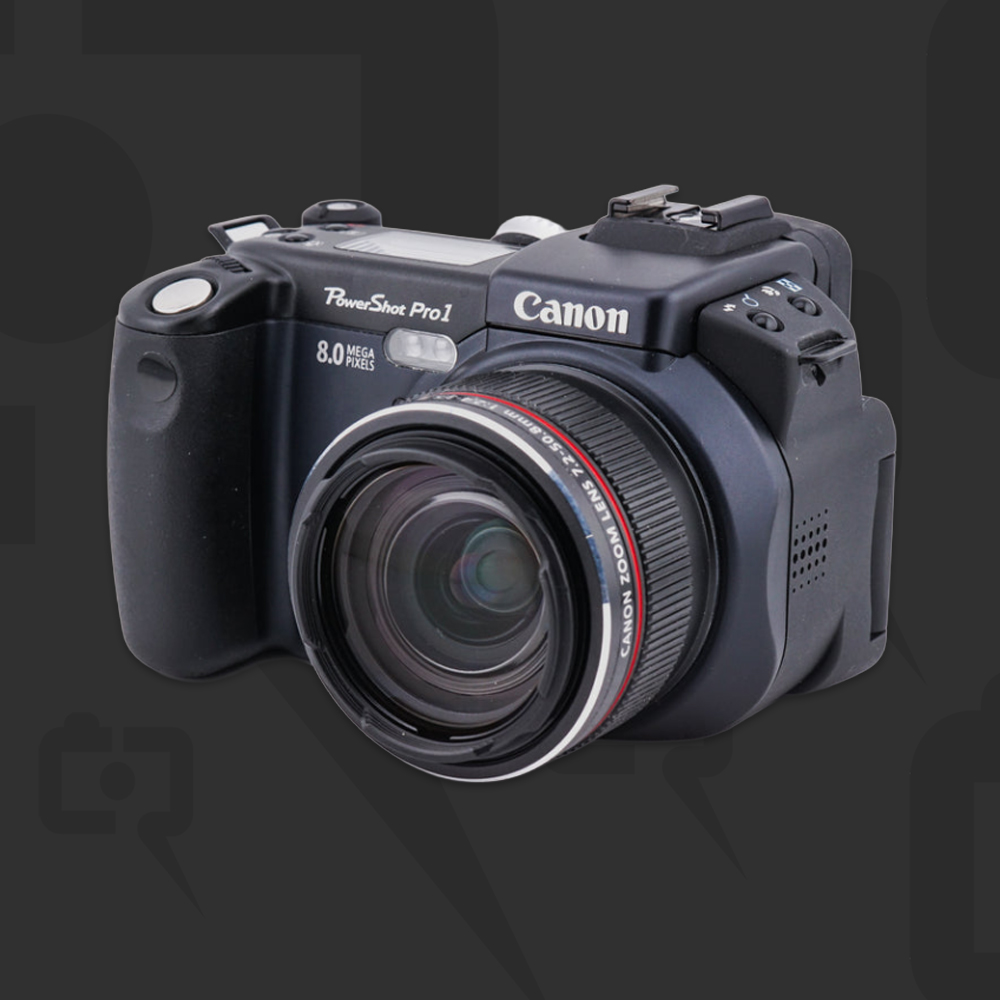
If there was ever one camera in the history of the PowerShot lineup that everyone wanted to see a sequel for, this was the camera. In February of 2004, Canon launched their one and only PowerShot camera with an L lens. The lens was a 35mm equivalent of 28mm-200mm f/2.4-3.5.
This was the first compact digital camera with a fluorite lens element along with US and aspherical lens elements. For 2004 on a PowerShot? That was really cool. I remember wanting to sell everything I owned for one of these. I just didn’t have anything to sell.
The Pro1 was equipped with 2/3″ 8MP CCD sensor made by Sony. CompactFlash was the media of choice for the Pro1. You could also shoot “real” RAW with the Pro1 and Fro was impressed.
I understand why this camera was a one off, Canon knew back then that selling ILCs was much more lucrative by selling you actual L lenses.
I have never shot with one of these, maybe one day. No, I didn’t just buy one on ebay.
CANON POWERSHOT PRO90 IS
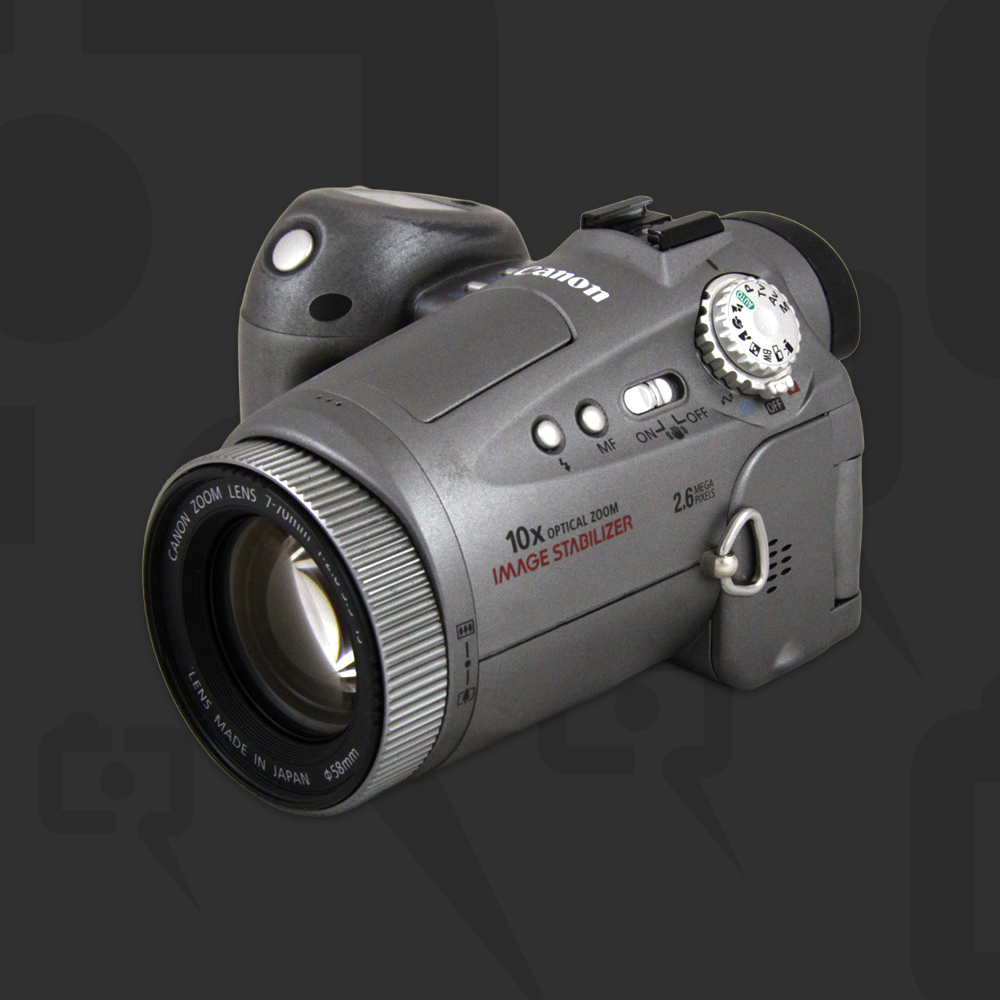
The claim to fame? This was Canon’s first PowerShot camera to incorporate image stabilization, one of Canon’s major innovations from the EF world.
The sensor was a 1/1.8″ 3.3MP CCD. It was capable of shutter speeds between 8 seconds to 1/1000. There were also 12 shooting styles that came over from the EOS line.
You could also shoot video with audio. Sadly, it wasn’t capable of shooting 24P 480i. It may have been good video to show with RealPlayer with minimal buffering.
The superzoom compact became one of the most popular types of compact cameras from every manufacturer. This is something Canon needs to do again with the rebirth of PowerShot, but not as ridiculous as the Nikon P1100.
CANON POWERSHOT G2 BLACK
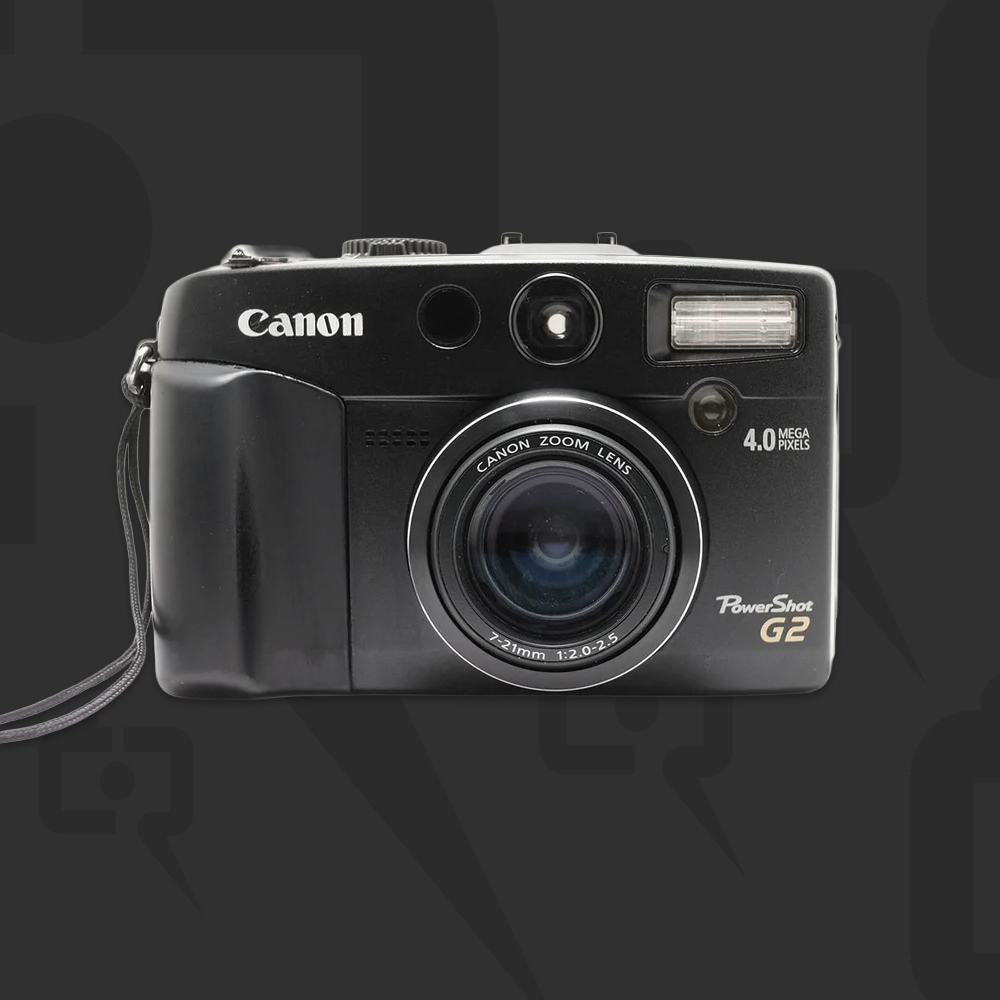
In March of 2022, Canon brought us the PowerShot G2 BLACK. While it’s not the first “G” series PowerShot, it was the first in the series to have the icon black finish. Up until this point, every PowerShot camera had been some tone of silver.
The PowerShot “G” series became the most popular “pro” line of PowerShot cameras over its 14-year run that culminated with the PowerShot G16.
I suppose this entry is more about the line of cameras. A large percentage of EOS shooters had a G camera in their bag. None of that ELPH stuff for them, it was always G. I probably owned half a dozen iterations of G cameras, witch the PowerShot G10 being my favourite. I’m not sure if it was because of features or because I used it for a lot of travel and made some images I like to this day.
The G2 BLACK itself sported a 1/1.8 4MP CCD sensor and a 35mm equivalent 34mm-102mm f/2.0-2.5 lens.
For our older readers, how many of this series did you own over the years? I know someone that bought the new one every year. It wasn’t me. Honest.
CANON POWERSHOT TX1
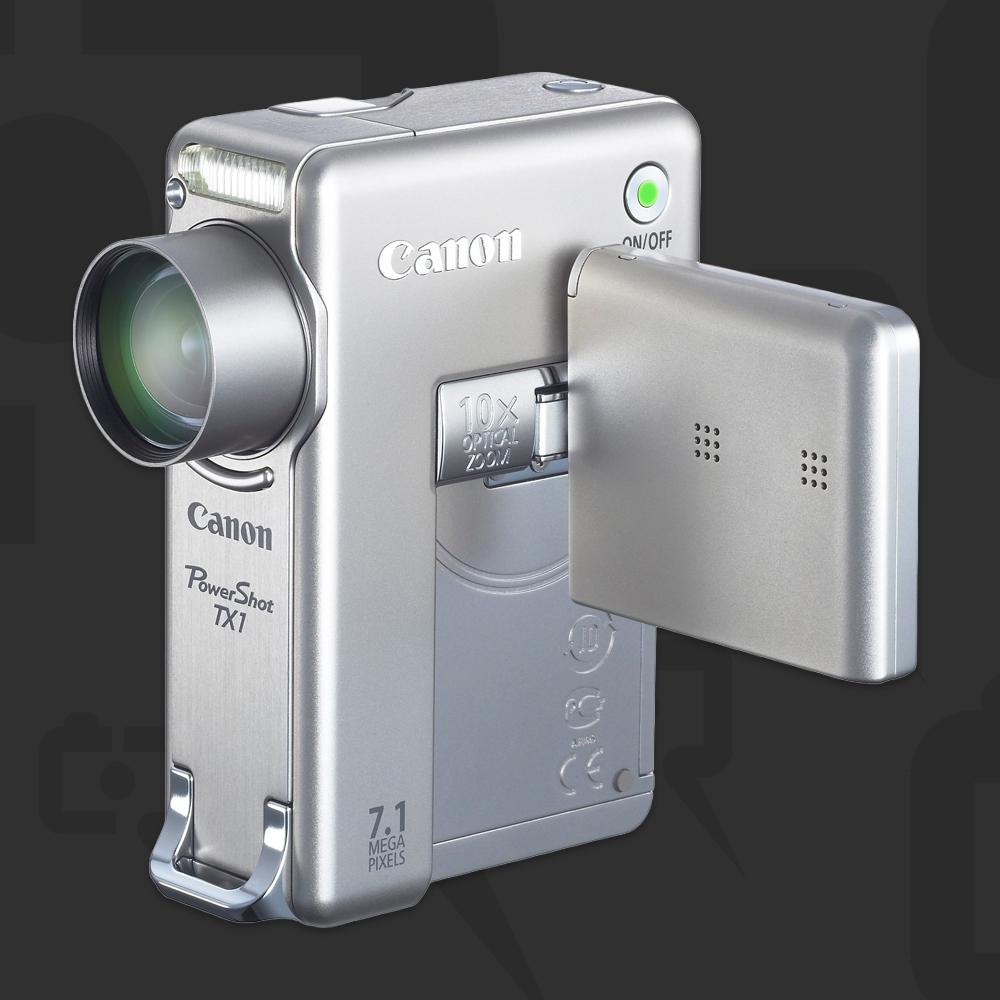
Oh my, the Canon PowerShot TX1. This weird and wild thing was launched in March of 2007. I’m convinced this is where Fuji stole the idea for the Instax mini Evo Cinema Hybrid Instant Camera, it just took almost 20 years to perfect the design.
The TX1’s importance lies in the fact it was a one off. Whoever at Canon came up with this thing must have been re-assigned and we never saw another like it again. Though it’s rumored that person brought us the Canon ZOOM Digital Monocular later in their career.
It was designed to be a small superzoom. It had a 10x 39mm-390mm lens, which was made possible by the tiny 7.1MP 1/2.5″ CCD sensor.
The one-handed design and flippy screen was apparently done so it would be easier to shoot with one hand. I think smartphones have done better implementing the concept.
Weird and wonderful.
CANON POWERSHOT SX1 IS
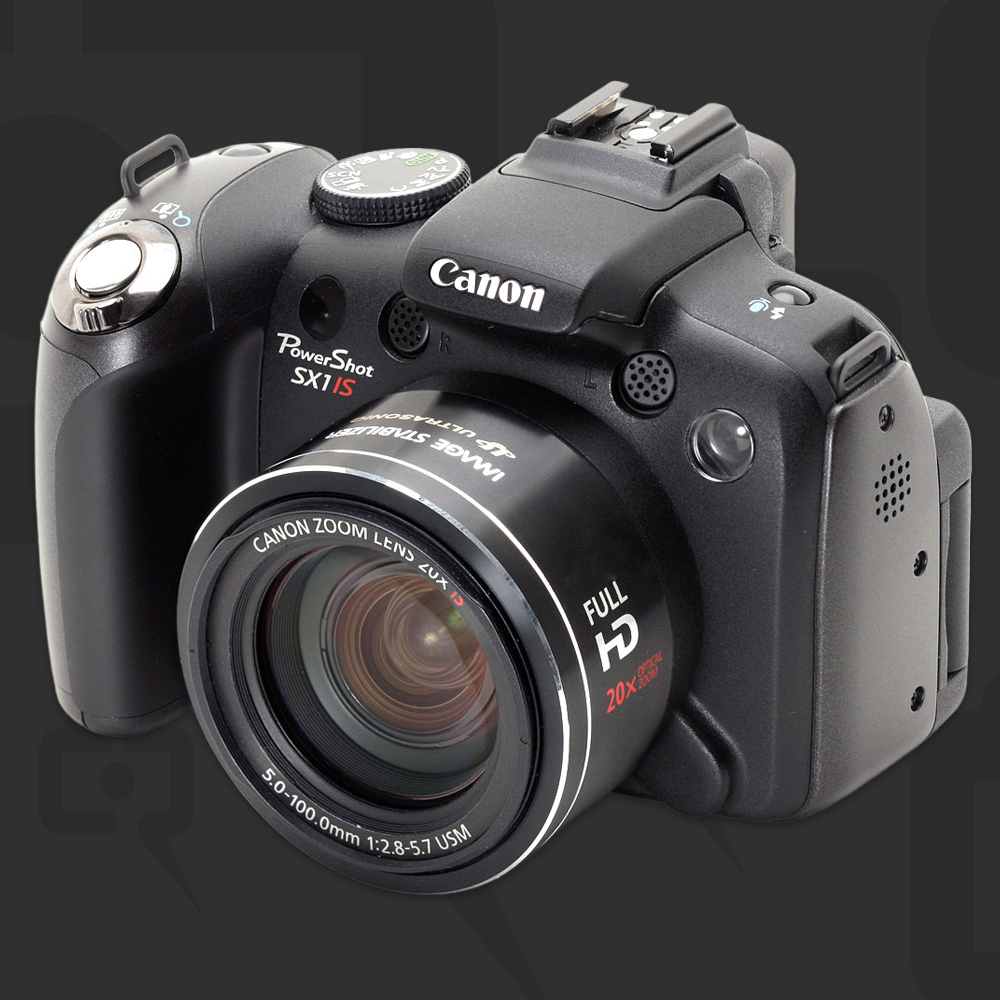
It finally happened! Canon releases their first Canon developed CMOS sensor PowerShot cameras in December 2008 with the PowerShot SX1 IS and SX10 IS. The SX1 being the higher end model between the two. This was the birth of the SX line of cameras, which would become a hugely popular line of cameras. I kid you not, people still ask me when the next SX is coming.
This legendary camera came with a 20x zoom with a 35mm equivalent 28mm-560mm. This lens was also Canon’s first VCM lens paired with an Ultra Sonic Motor. The autofocus was very quiet for the time.
The sensor was a 1/2.3″ CMOS with 10MP of resolution and capable of shooting 30P 1080P video. The smaller sensor was needed for the high zoom factor, so the camera was too big to hold. Today? They could probably use a larger sensor and the computational correction we’re seeing in new fast and small lenses from Canon.
The SX series still exists today with the PowerShot SX70 HS that was a current model until recently, though there’s some confusion about that as some retailers list it as discontinued.
This was a truly great line of PowerShot cameras.
CANON POWERSHOT A1200
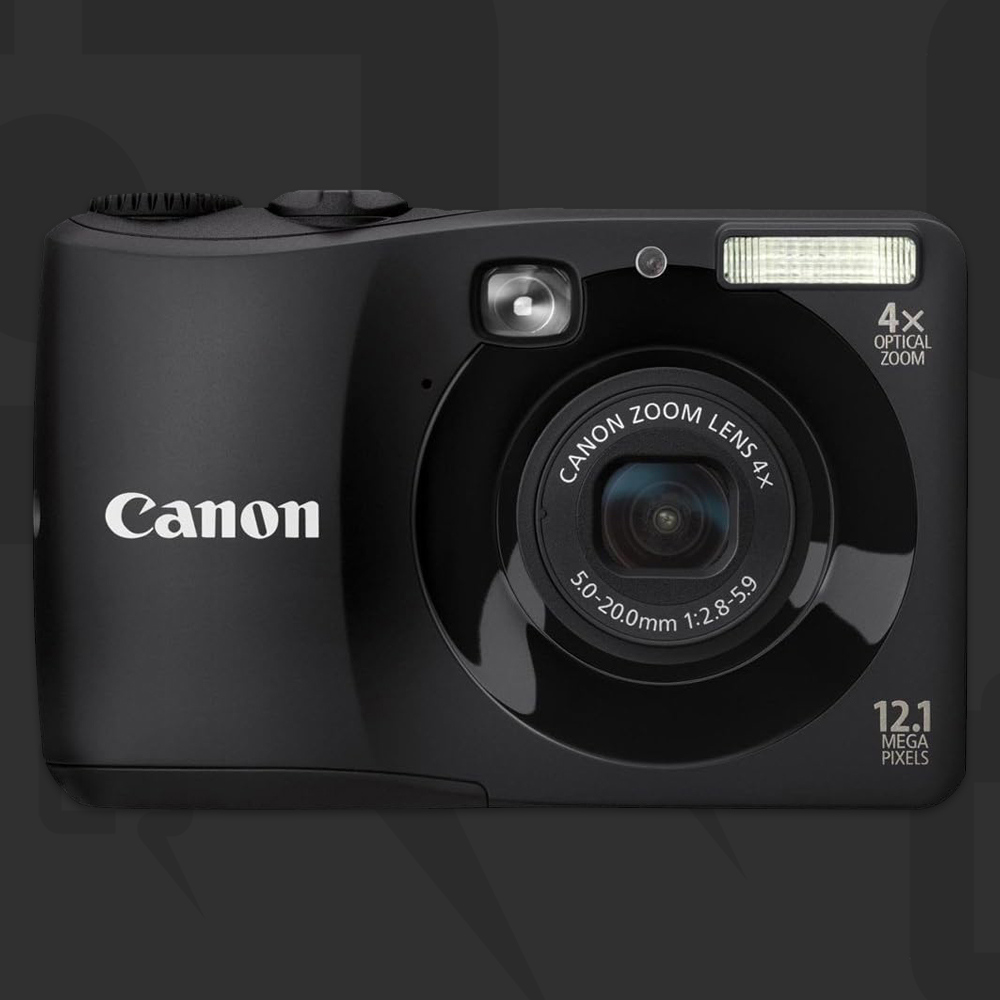
The Canon PowerShot A1200 might give you an idea of how many compact cameras Canon was selling during the peak. When the A1200 launched in March of 2011, it was only $109. What was the margin on this thing? These sold to everyone, young, old.. it didn’t matter. For $100, you were getting a Canon camera.
There was obviously nothing special about the specifications. It was a 12.1MP 1/2.3″ CCD with a 4x zoom 28-120mm f/2.8-5.9 lens.
As you’d expect, it was powered by 2 AA batteries. I still remember the AA days; those were painful times.
We’re never going to see another $100 PowerShot from Canon, you’ll have to check out Kodak if that’s all you want to spend on a compact today.
CANON POWERSHOT G1 X
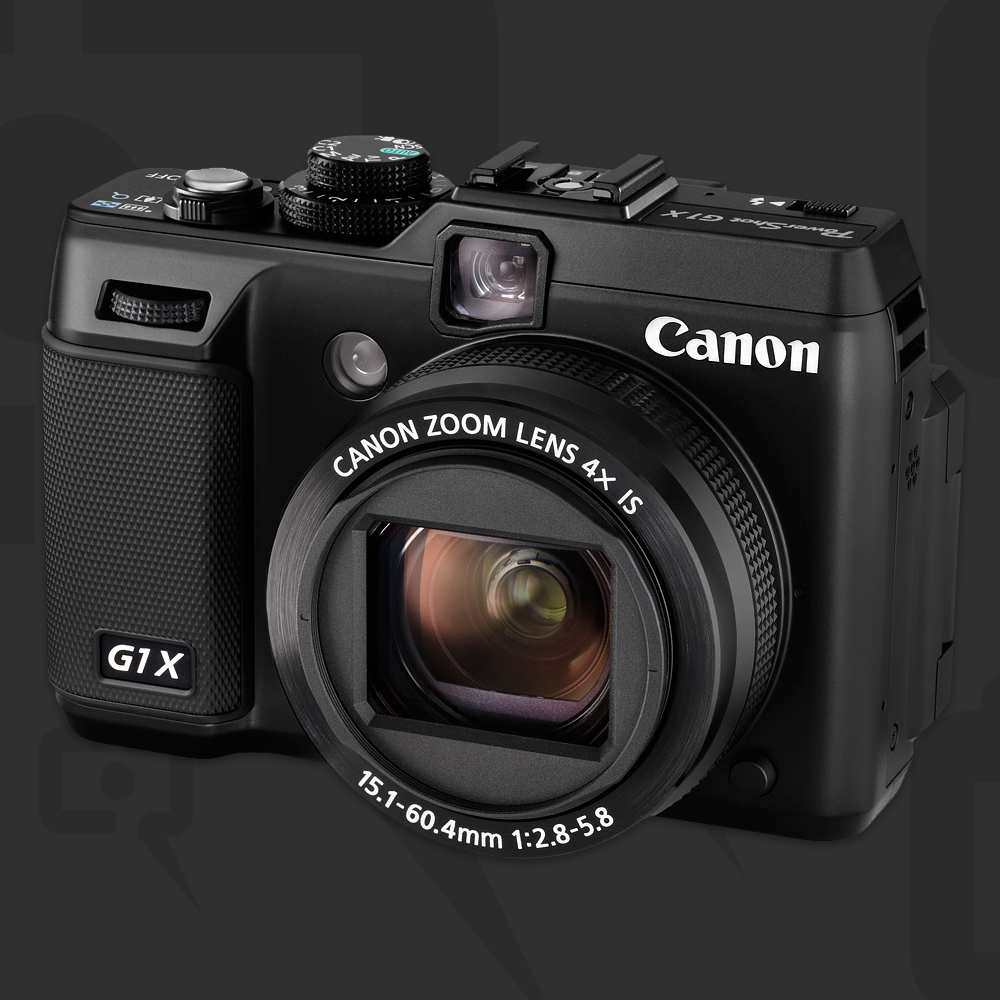
Now things get a bit more serious with the birth of the new G series of cameras that took over the spot held by the GX/XX series that ended in 2013. In March of 2012, Canon launched the PowerShot G1 X, a camera that led to a lot of discussion, both good and bad.
This was the first “big sensor” PowerShot camera from Canon. It sported a 14.3MP 1.4″ Canon developed CMOS sensor. The lens, while not great, was a very usable 28mm-112mm f/2.8-5.6. That was a nice accomplishment by Canon considering the size of the sensor.
On the design side of things, it really held on to the G16 concept. It had an optical viewfinder just like the G16, but it had a much more refined feel to it with the soft edges.
The follow-up G1 X Mark II was evolutionary, as it shared a lot of the same design cues and features. However, the G1 X Mark III was a complete redesign, and we saw Canon put an APS-C sensor in a PowerShot for the first time, along with an EVF.
The PowerShot G1 X Mark III was expensive and didn’t really hit the mark for consumers or reviewers, and that’s why the original G1 X is on this list. It was a new idea to hopefully attract more DSLR photographers, bigger sells. Or at least that’s what the hope was.
The 1.5″ sensor size has made its return with the PowerShot V1, and that is what we’re probably going to see going forward with the PowerShot lineup.
CANON POWER SHOT G7 X SERIES
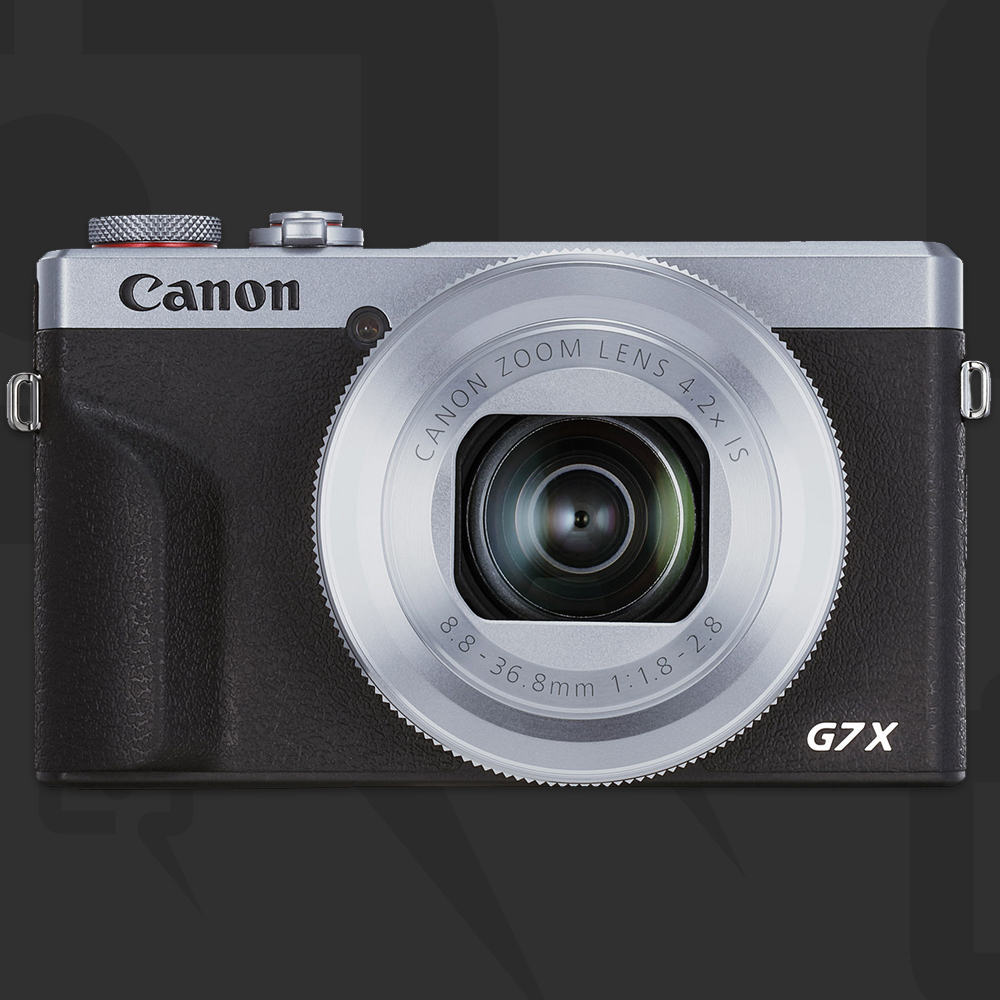
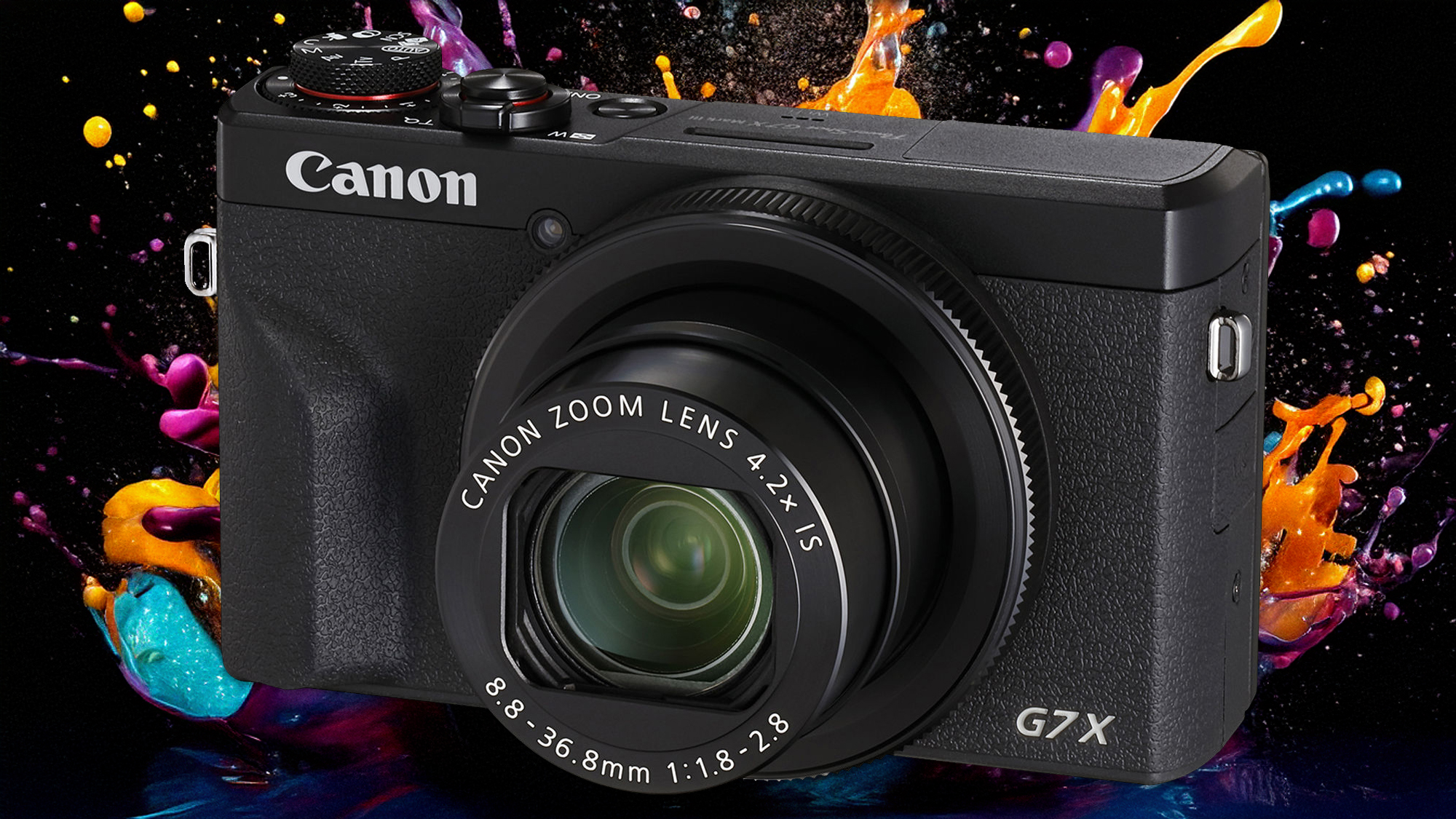
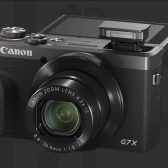
I’m pretty sure everyone knew the PowerShot G7 X was going to make an appearance on this list. I think this series are the best PowerShot cameras ever made.
Let’s just say this applies to the entire G7 X series of cameras.
They are so well done, they hit the mark in so many areas. Image quality? Check. Compact design? Yep. Fast lens? f/1.8-2.8 IS. Fit and finish? These cameras feel great.
The G9 X was equipped with a 20.2 MP, 1″ CMOS sensor. I think this was a great choice, as it is a bigger sensor than we were used to in truly compact cameras. The autofocus was quick and responsive and it could shoot 6.5fps, which was quite impressive.
The G7 X Mark III is still a current camera, and retailers can’t keep them in stock. Before Canon restarted production, the latest iteration was selling for $1500 on Amazon. It was seriously selling at that price.
I don’t really care how it specced against the competition. The proof is in the proverbial pudding. This line of cameras has stood the test of time and is the most sought after higher-end compact on the market to this day.
Whatever Canon brings to replace the G9 X series of cameras, they better hit it out of the park. If they do? I suspect stock levels will be an issue for a long time.
A truly fabulous line of cameras. Coming full-circle a bit, the PowerShot G9 X Mark III looks nice in silver.
CANON POWERSHOT V1
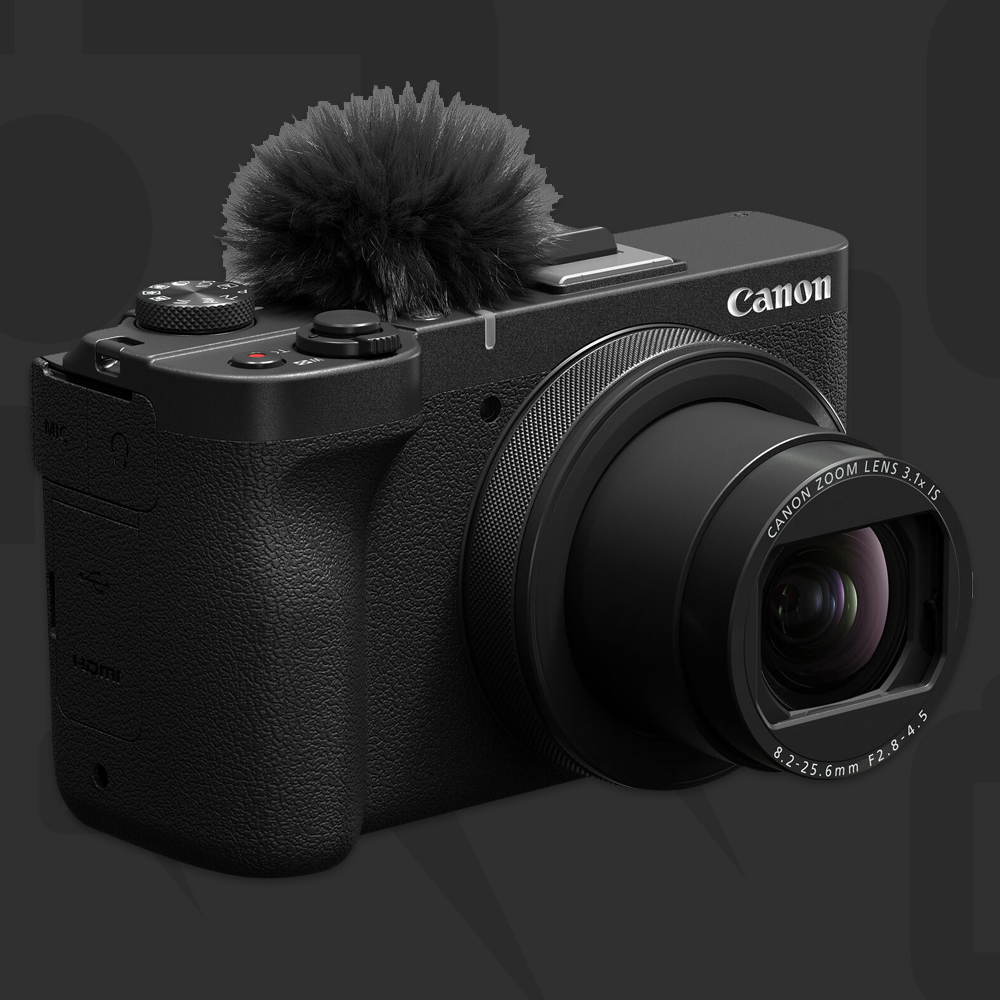
This is likely another obvious entry into my top 10, we have the PowerShot V1. A camera not so much geared towards photographers and more for the “creator” universe. While the V1 is very capable for photography, there are too many things here that aren’t needed for photographers.
Why it’s here? It’s the rebirth of PowerShot. Whether or not people will care about the V1 in a year or two doesn’t matter at this point. I think it gives an idea of things to come. The return of the 1.4″ CMOS sensor in a compact. The lens is in need of computational correction at the wide end. This is part of lens design today, lots of consumers want smaller.
After about 5 years of weird products that used the PowerShot name, we now have a real camera worthy of the name.
I do know there is a new photographer focused PowerShot camera coming later in 2026 and I’m hoping that the 1.4″ sensor is going to be used across the board for the higher-end models. I don’t know if/when we’ll see another superzoom PowerShot, but I don’t think Canon would forget about that market. It’ll be a big one.
To the return of the PowerShot… *glasses up*
That was harder than EOS
Doing the 10 most important PowerShot cameras ever was a bit harder than EOS. I didn’t get a chance to use all of them, there were so many flying out into the world every year. DSLRs were a bit easier to get my hands on. I will say, there were a lot of PowerShot’s I didn’t want to use.
Going back in time and remembering my retails days of walking back and forth all day long to sell another PowerShot. I did get my steps in.
Header Image Credit: Patrick Langwallner on Unsplash








I will still hope canon thinks about photographers also
The G1X was a little clunky; the mark iii did away with that and is quite a polished product. Again I can use it without having remorse later, the IQ is excellent and the lens is pretty good. Mine certainly isn’t ‘soft’ as some reviewers claimed. It’s going with me to Glencoe in a couple of weeks.
This camera made a lot of fun because it had really good film like quality - no strange artifacts etc. And the lens was bright enough for lower light conditions, some bokeh and equipped with some close up capability.
Flippy screen was very helpful for alternative angles of view and the stamp like size of it helped to educate to look at the scene to understand what is on the display - the display was good enough for final composition.
Tech wise and for learning how to shoot digitally it was and is a master piece I still own.
S95 was the 2nd and last P&S from Canon, a good companion but I would prefer an M50 ii with e.g. EF-M 32 in 99.999% of use cases.
Edit: The last frame is the first one upscaled in Topaz by 2:1, rotated slightly and then downscaled to 4k to fit into the site. Even at 32MP it is hard to tell it didn't come from a modern camera. That CCD was a very good sensor. And yes, that little blob on top of the highest peak is a lookout tower. The view from there is impressive, including the one straight down almost 1000 ft through the open screen catwalk.
Edit: The Pro 1 looks similar in size to the R8 actually. It is smaller but I don´t if there is a huge difference.
I used the Pro 1, PRO90, TX1 and SX1, and still have all but the SX1 (I now use a G3X). I think the Pro1 was my favourite - and who doesn't love an 'L-Series' lens on a compact! The TX1 exuded quality, but I know that some users really struggled with its ergonomics. Personally, I really enjoyed using it - an astonishing lens reach for the time, all packed into such a small body. The power-zoom ring of the Pro90 was a pleasure to use.
Again, with the exception of the SX1, I seem to have been great at purchasing one-off designs from Canon - I would have loved a second generation of any of those previous cameras, or the G3X. I hope that a 24-240+mm photo-centric version of the V1 lies just around the corner - my G3X is on its last legs!
Quite a challenge for the camera to handle this contre-jour shot, and of course, there is longitudinal chromatic aberration on the children, but there's so much else going on with the sunset colours that it doesn't detract too much. To this day, I use this image as the wallpaper on my iPhone.
The G1X with its larger sensor made an impression on me. I could confidently bump up the ISO to 400, or even 800, without worries, while the other PowerShots I left at their lowest native ISO setting unless forced to go up.
The larger sensor on the G1X, however, required a larger lens which resulted in several compromises. It could no longer retract fully into the body, and required a removable lens cap. It was slow on the long end. Its bokeh was a little ‘busy.’ MFD was ‘not close’ even in ‘macro’ mode.
I really liked the flip rear LCD, as I do on the G7XIII.
I have posted this previously elsewhere - attached is a PDF thumbnail ‘contact’ sheet of my G1X teardown photos.
I was lucky to pick up a gently used G5XMII with second battery a couple of years ago for $1,000🇨🇦. It's a great little camera for when I want to travel light or can't use an ILC. I was trying to take a picture of the moon last night with my phone and wishing that I'd had it with me instead. Using the EVF I can hold it much more steadily, and it doesn't use HDR indiscriminately.
I use it for shooting concerts when I'm in the cheap seats and the venue doesn't allow ILCs. I can turn off the screen so as not to bother people sitting nearby. I did a head to head with my Pixel 9 Pro from the balcony and there was no contest.
Bring on a MIII, with all the mod cons and I'll be there.
The flippy screen on the tiny camera also let me use it as a periscope to look behind my hifi gear to confirm that things were plugged into the back of my AVR correctly.
No other Powershot that I'm aware of had this combination of features. Why they dropped the articulating screen in favor of a tilting-only screen I'll never know. They seemed to want to confine this to their DSLRs and mirrorlesss models.
When I got my 80D DSLR I gave my 70D to my best friend, and later pointed him to the G5 X for his wife. It totally supplanted the 70D in his use!