


When you purchase through links on our site, we may earn an affiliate commission. Here's how it works. |
The Canon EOS 5D series has been at the core of innovation in digital photography for two decades, with each successive model in the lineup raising the bar for innovation in photography equipment, starting with the original EOS 5D in 2005, which was a game-changer in photography, being the first full-frame DSLR that provided unparalleled levels of quality, dynamic range, and low-light performance for photography enthusiasts as well as professionals at a more accessible price than its full-frame rivals. We did a long look at the 5D series in the past, and it always amazes me how far that line has gone from the beginning with the Canon 5D.
The 5D “Classic” was such a revelation for me when I got one (back when grey market retailers were a thing). Coming from Canon's xxD series APS-C Cameras, I was amazed by the image quality. I was equally amazed by the shutter lag.
Canon EOS 5 Series Legacy
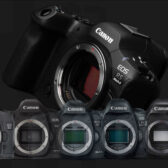
Successive 5D models in the lineup, such as the 5D Mark II, which provided full HD video recording on a full-frame sensor, a first in DSLR cameras, and then the 5D Mark III, which provided refined 22.3-megapixel resolution, a professional-level 61-point autofocus, and video recording features.
The high-resolution 5Ds and 5Ds R, which provided 50.6-megapixel resolution, and finally, the 5D Mark IV, which provided a 30.4-megapixel sensor, Dual Pixel CMOS AF, 4K video recording, 7 fps continuous shooting, and excellent color science and noise control.
We said in our overview video for the 5D Mark IV that this is the most refined 5D yet, and we believe that still stands. This is a camera that will stand up to years of abuse and churn out images with appreciably better quality (and at a faster rate) than its predecessor.
https://www.dpreview.com/reviews/canon-eos-5d-mark-iv/15
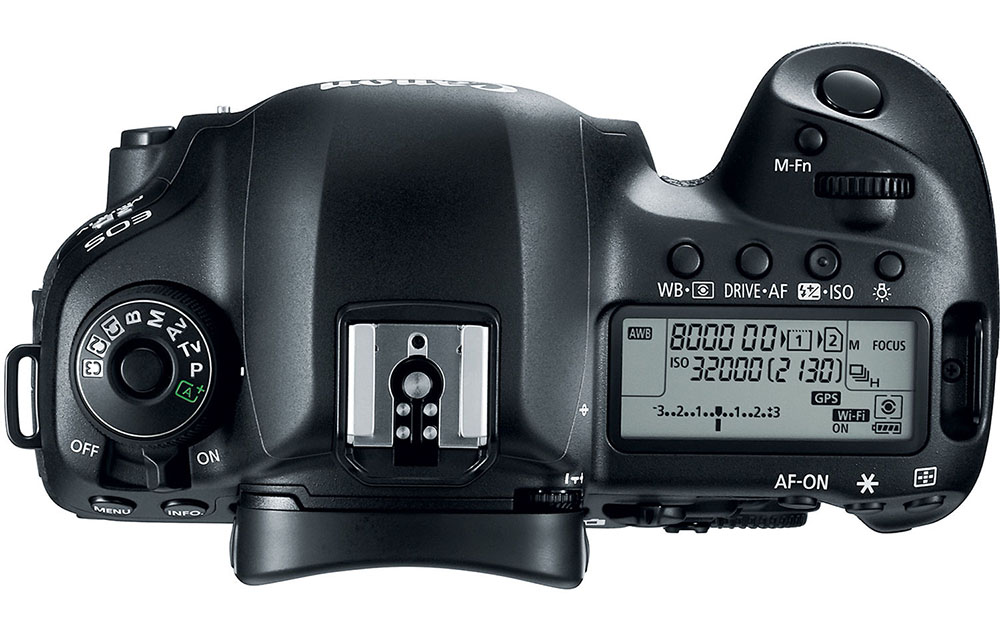
The 5D line has always been a favorite among wedding, portrait, photojournalist, and other photographers, and a personal favorite of mine. August 22, 2025, marked the 20th anniversary of the EOS 5 series for Canon.
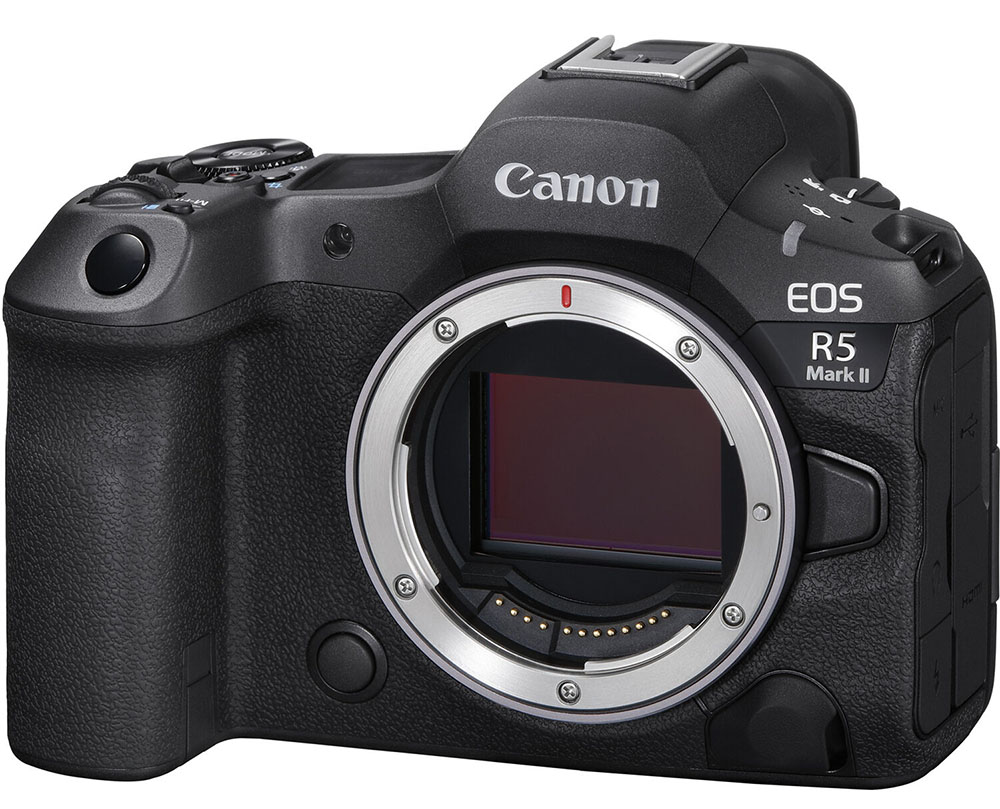
In 2020, Canon launched its first mirrorless camera in the EOS 5D lineup, the EOS R5, followed by the EOS R5 Mark II in 2024, which provides 8K video recording, in-body image stabilization, AI-powered subject tracking, and fast burst shooting, among other features, continuing its legacy of innovation in photography equipment with widespread popularity among photography enthusiasts and professionals alike.
All these developments add a sense of nostalgia to the discontinuation of the EOS 5D Mark IV. The last DSLR from Canon in the 5D series has been officially added to the discontinuation list on Canon Japan's official store.
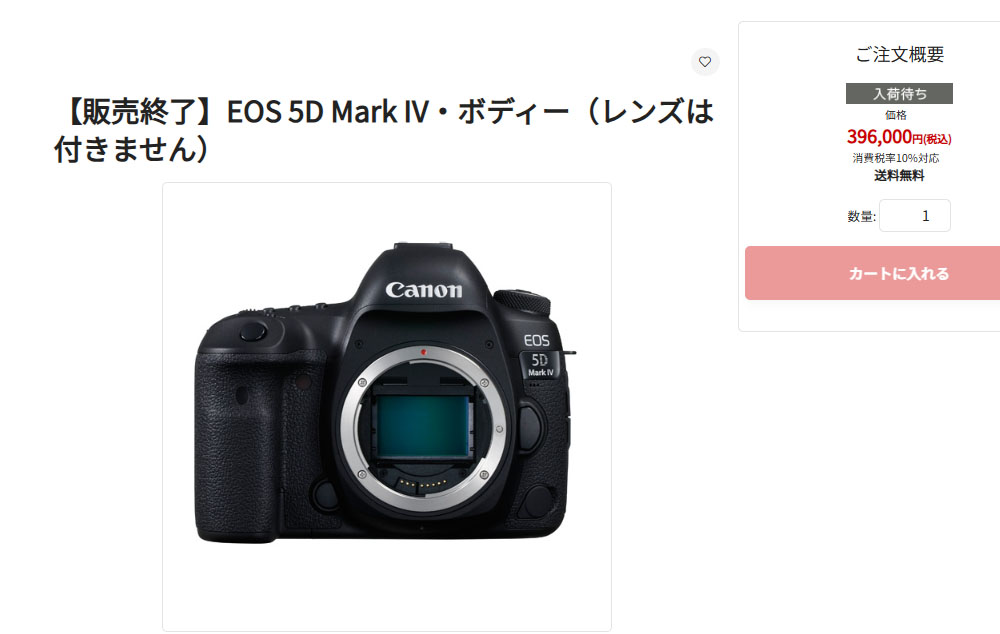
This doesn't mean you won't be able to find it in other stores, as there would be existing inventory in stores. It just means that once that inventory is gone, that's it. The 5D Mark IV is still available at B&H Photo Video, for $500 off its regular MSRP if you need to pick up a spare, or want to purchase a slice of imaging history.
Canon EOS 5D Mark IV Overview
- 30.4MP Full-Frame CMOS Sensor
- DIGIC 6+ Image Processor
- 3.2″ 1.62m-Dot Touchscreen LCD Monitor
- DCI 4K Video at 30 fps; 8.8MP Still Grab
- 61-Point High Density Reticular AF
- Native ISO 32000, Expanded to ISO 102400
- Dual Pixel RAW; AF Area Select Button
- Dual Pixel CMOS AF and Movie Servo AF
- 7 fps Shooting; CF & SD Card Slots
- Built-In GPS and Wi-Fi with NFC
The EOS 5D Mark IV is about to celebrate its 10th anniversary on August 25, 2026. I would have liked to have seen Canon at least wait until that date, but I guess that is the camera romantic in me.

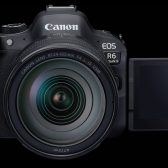
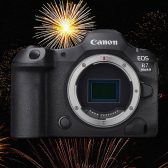
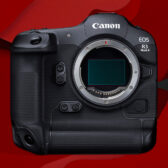
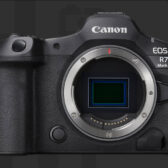
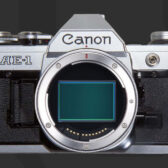
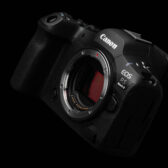

Thank you for some great moments and photos.
A truly great camera has gone…
Le roi est mort, vive le roi!
It's the end of (D)SLRs, aside from Pentax, provided they release the K-1 Mark III.
No one will cry for the R5, just as no one did for the 10D.
The 5D began to show the potential of the 5D line, with much higher resolution, live view (a boon to landscape photographers), video, and other improvements. For those like me, who used these cameras for landscape photography and similar subjects, the 5Ds and 5DsR were another big step forward, offering resolution that Canon can’t match with its current mirrorless bodies. (I still rely on my 5DsR.) The 5DIII and 5DIV continued to advance and distill the 5D concept.
I hope to never lose appreciation for that.