


When you purchase through links on our site, we may earn an affiliate commission. Here's how it works. |
The SD Association is celebrating the 25th birthday of the beloved secure digital memory card. As you know the SD card took over the Compact Flash card in most small cameras in the mid 2000s and then crept all the way up to pro series cameras such as the EOS R5 series and the EOS R3.
We have also had the MicroSD card, which are 20 years old appear across the drone and action camera markets.
I don't think I'd call SD cards my “favourite”, but I have sure bought a lot of them over the decades. Below is a nice history lesson of the evolution of the SD card.
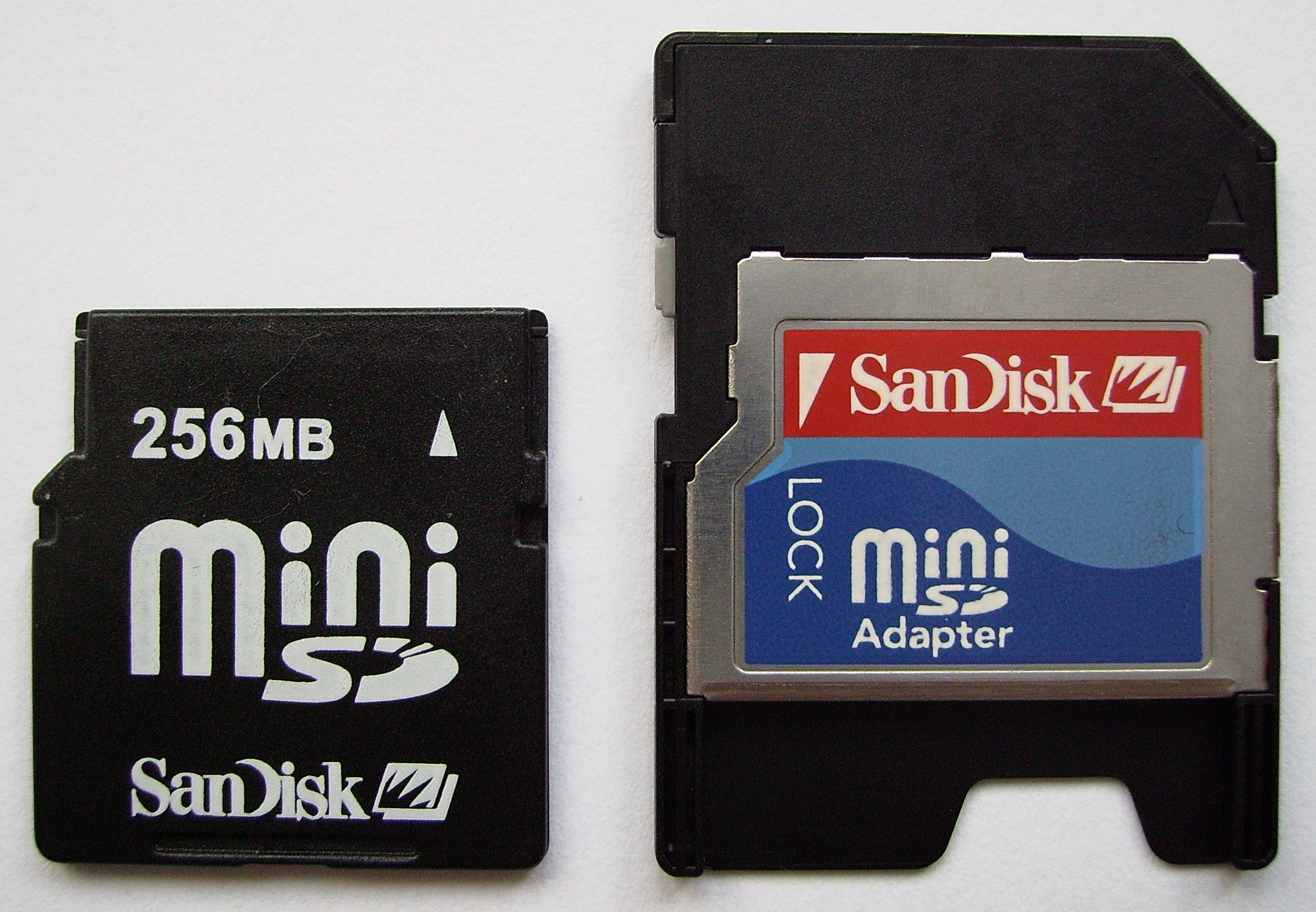
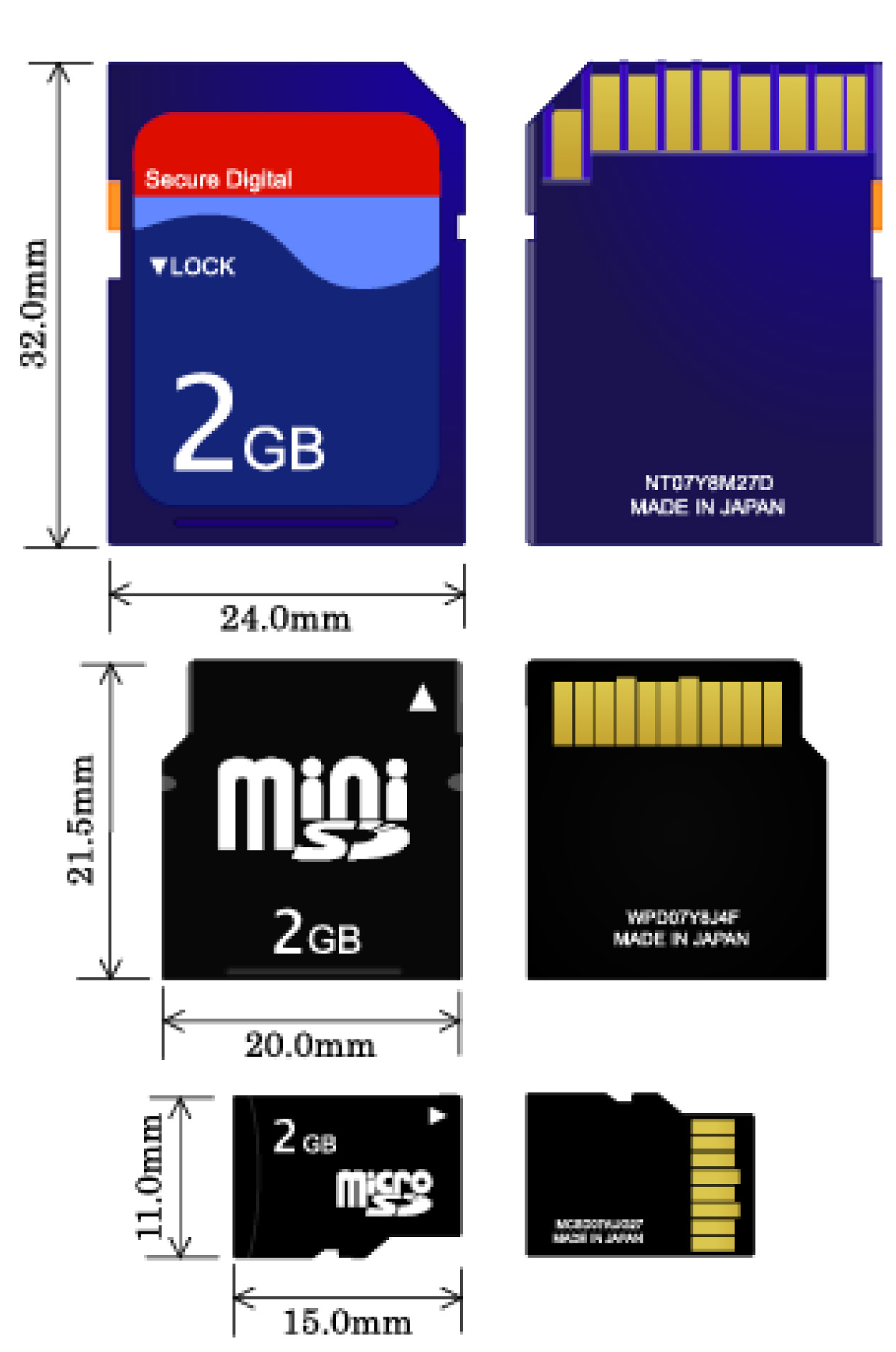
SAN RAMON, CALIF— May 20, 2025 — SD Association (SDA) is celebrating the 25th anniversary of the venerable SD memory card launched in 2000 and its long history of improving the lives of billions of people globally in numerous ways. Throughout the last 25 years, SD and microSD memory cards have sold more than 12 billion cards and evolved by offering massive storage capacities and lightning fast speeds, meeting industry needs. SD memory cards remain the most used removable storage card for consumer electronic devices.
This year, the SDA is celebrating another significant milestone, the 20th anniversary of the ground-breaking microSD. microSD memory cards remain a powerful and popular storage choice and played a pivotal role in transforming the mobile industry as the first storage expansion option for billions of mobile phones.
Selfies, mobile phone photography, enjoying music and videos on a mobile phone all became possible because of innovation driven by the SDA. Today, SD memory cards remain a valued part of the consumer and industrial products, allowing people to download and enjoy content from the world’s most popular video streaming services, store games and run apps directly from a card, and use those cards as an efficient memory expansion of their products.
To honor the support SD technology customers worldwide overwhelmingly provided SD during the past 25 years, the SDA contributed to OneTreePlanted and the Morino Project, expediting the planting of 25,000 trees around the world to help fight climate change and benefit the planet.
It also contributed $25,000 to the Audiopedia Foundation to support its efforts to empower African women through preloading audio content onto microSD memory cards allowing the most basic mobile phones to become portals of empowerment, turning isolated communities into connected hubs of health, financial, and educational information.
Some of the most advanced gaming consoles and handheld gaming devices rely on SD memory cards for storage expansion. This storage feature allows players to easily upgrade their devices and maintain a broad portfolio of their favorite digital games while optimizing their user experience.
“SD memory cards continue delivering portability and convenience, letting people upgrade the storage in their devices at any time thanks to the dedication and vision of our nearly 800 SDA members,” said Yosi Pinto, Chairman of the SDA. “The cards continue to help product manufacturers innovate and provide better user experience because SD is a proven storage solution that continuously evolves with technology evolutions and market needs requiring higher speed data access and larger capacities.”
Progress & Innovation: SD Memory Card Statistics
The first SD card sold in 2000 provided just 8 megabytes of storage capacity, whereas today’s SDUC or microSDUC cards offer 4 terabytes of capacity, a 500,000 percent capacity increase
- Boosted card speeds specifications from 12.5 MB/sec to ~4GB/sec with the latest SD Express specification, more than x300 speed increase
- Maintained backward compatibility support with plugand-play convenience
“The SDA is laser-focused on ensuring its standards remain a compelling storage choice across an extensive variety of products and uses for both consumers and businesses,” said Hiroyuki Sakamoto, President of the SDA. “We expect SD memory cards to remain a critical, cost-effective storage option across a variety of applications and devices in the future since 394 zettabytes of data is expected to be created by 2028.”
SD enables new applications with unique storage requirements not imagined 25 years ago. VR/AR, drones, gaming consoles, medical devices, 360-degree cameras, nature monitoring, IoT, Edge computing and space exploration increasingly rely on SD. With the growth of AI, storage needs are expected to increase on devices and will require SD Express memory cards and their SSD-level performance and features.




0 comments