

When you purchase through links on our site, we may earn an affiliate commission. Here’s how it works. |
Underwater photography is a ton of fun. Whether you’re snorkeling, SCUBA diving or surfing, it can add to the fun of whatever you’re doing. While it is an extremely difficult photography discipline to get good at, it tends to keep people engaged over the long haul. You never know what you’re going to see under the water.
You can spend less than $500 for an action camera or go crazy and spend $10,000+ for an EOS R5 Mark II setup!
I will touch on lighting a bit, but that is probably another article, there are way too many options and every price point imaginable. Lighting comes into play once you get below about 5 meters.
What About Colour Wavelengths Under water?
As you get beyond 5 meters, you start to lose the red wavelength, which is quite major when you’re around a really colourful reef. As you go deeper, you start to lose orange, yellow and green, and you end up with very little colour picked up by the sensor and the images become extremely flat. There really isn’t a way to clean that up in post.
The flash on some of the compact cameras can compensate for color loss as you get deeper. Though, you will need to be quite close to your subject to fully light the scene.
If you’re going to be mostly snorkeling, and going under the water every now and then, there is no need for a housing or lighting with some of the cameras recommended below.
There are a fair number of options available, and I am going to break down cameras that I think you should consider if you’re in the market.
OM System TG-6 & TG-7
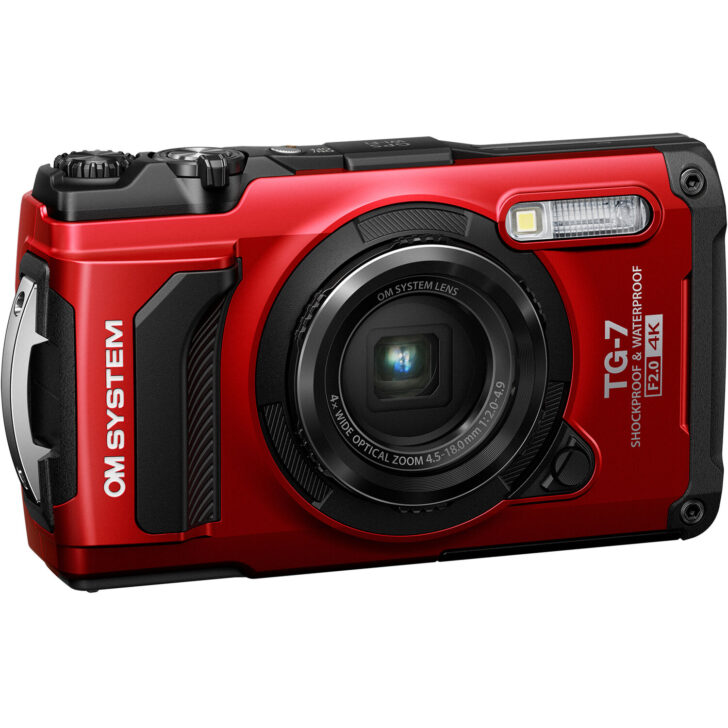
Olympus/OM System have been making “Tough” cameras for a long time. I have always regarded them as the best over the years, and I think that continues today. OM System cameras are know for their build quality. We see it in their interchangeable lens cameras such as the OM-3 and OM-5, they’re built like tanks.
The base Tough TG-7 can hit a maximum depth of 15 meters without issue, which makes it a great snorkeling or pool camera on its own.
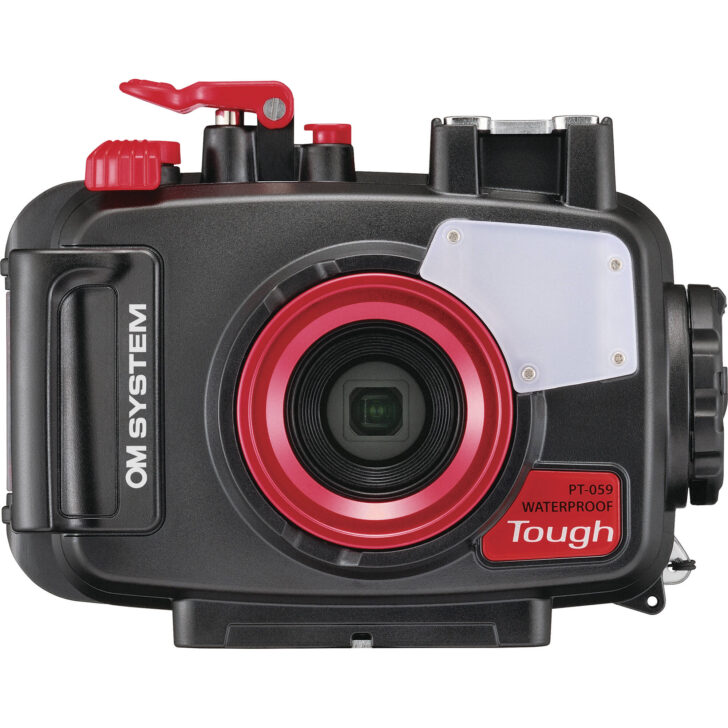
If you’re looking to use the camera for SCUBA, OM System has you covered with the PT-059 Underwater Housing. If you’re into deeper water diving, this housing is built for deep dives to 40 meters.
The flash will work well enough if you’re close enough to your subject at depth, and it’s also fine if you’re just starting out with underwater photography. There are a lot of options for external lights if you push your budget.
The OM System TG-7 and PT-059 Underwater Housing will come in under $1000, which makes this one of the best values for underwater photography out there.
Also consider the OM System TG-6 on the used market. The PT-059 Underwater Housing is compatible with both cameras.
OM System TG-7 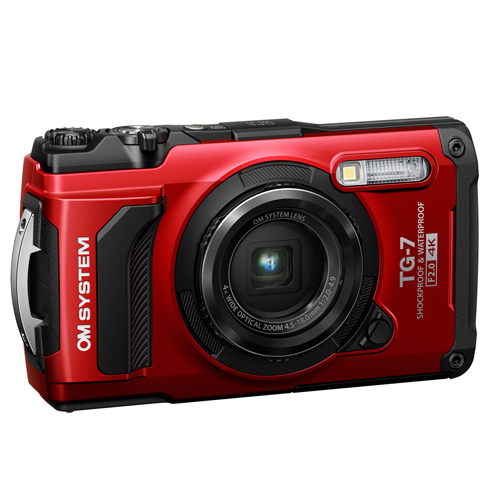 | OM SYSTEM PT-059 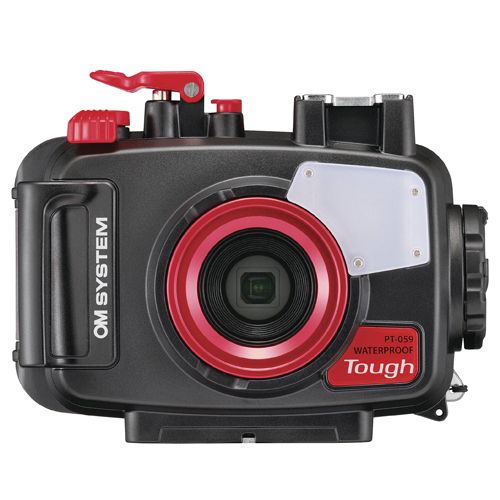 |
SeaLife Micro 3.0 Pro 3000 Color Boost Set
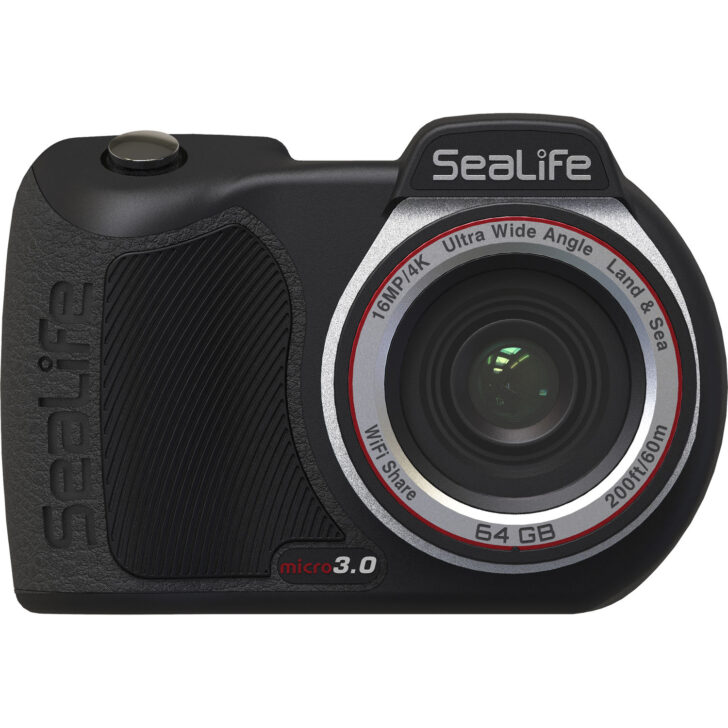
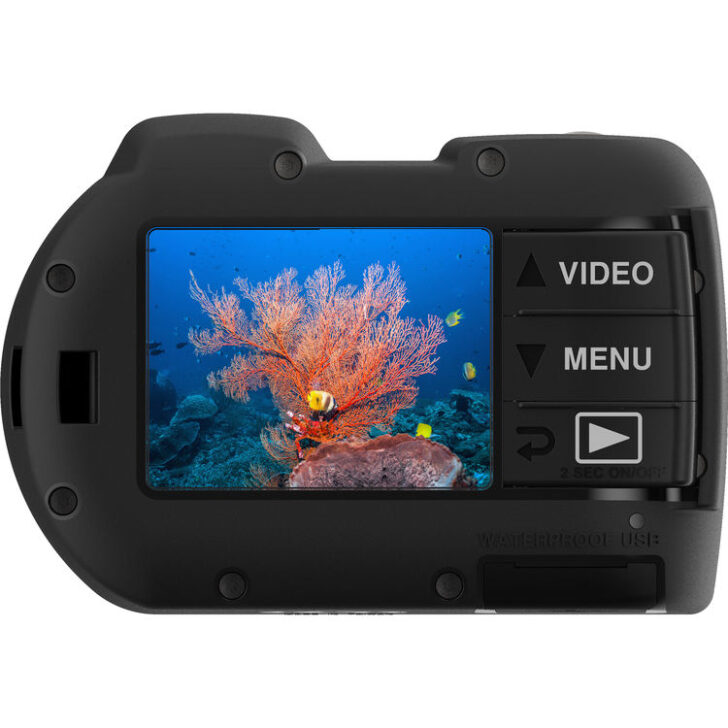
SeaLife makes dedicated underwater cameras for snorkeling and SCUBA needs. I have used their cameras a few times and always found them easy to use and can give really good results.
What’s great about the Micro 3.0 is that it is good to 60 meters without a housing. If you’re looking for a simple out-of-the-box camera for water use, this is a terrific option.
I do recommend getting their Pro 3000 Color Boost light for the Micro 3.0. This set up will not break the bank and will give even better results than just using the camera alone. For a $1000, this is a great value option.
This camera is only for shooting underwater, it’s not a camera that you’re going to use for everyday photography.
SeaLife Micro 3.0 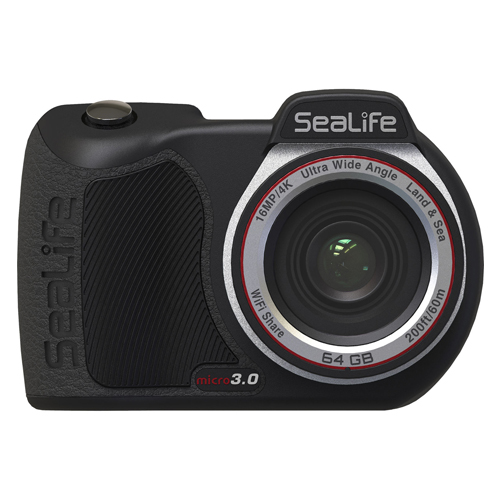 | Pro 3000 Color Boost 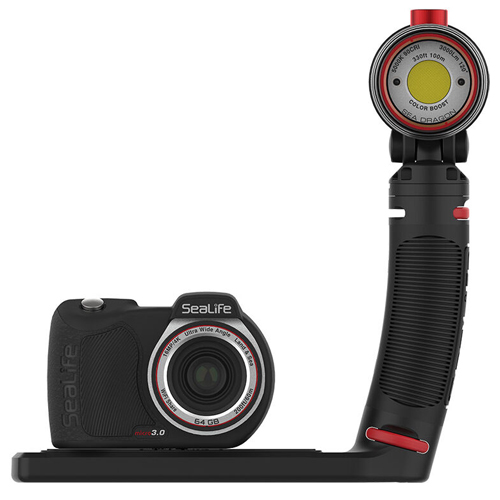 |
Insta360 GO Ultra & Housing
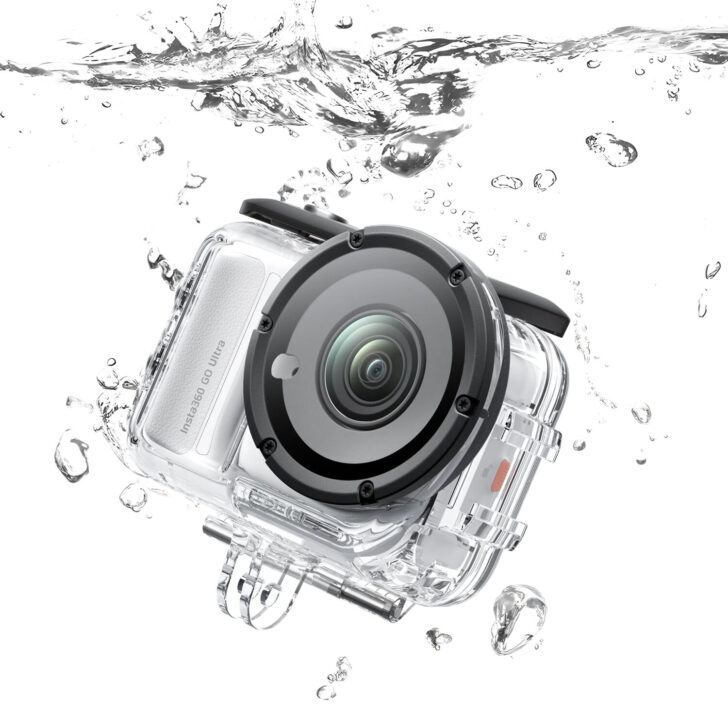
I’m not crazy about using an action camera for photography. They are the most affordable option, but I feel they’re more for the people that want to do video work.
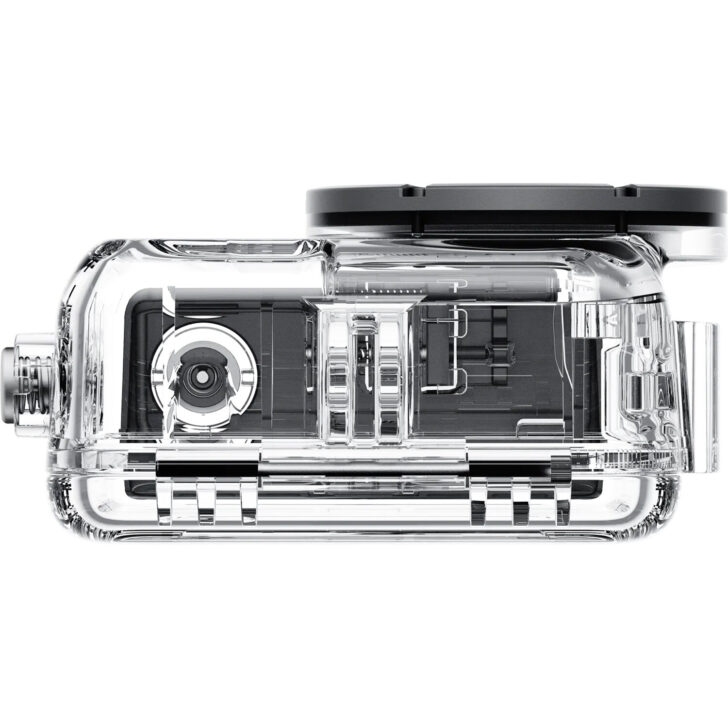
I like the Insta360 Go Ultra with the housing, you can use it for a 40-meter-deep dive without any issues. The housing also has a cold shoe, so adding a light is an easy task. You can find lights that will work just fine for under $200.
The size of the Go Ultra may also be a bonus for some people.
To me, action cameras are better video tools for underwater work than for photography. I see a lot of people that have their action cameras on selfie sticks and simply shoot video.
I think if you’re going to get a camera for the underwater world, you should really think about what you want to do and make sure an action camera is going to check the necessary boxes.
Insta360 Go Ultra 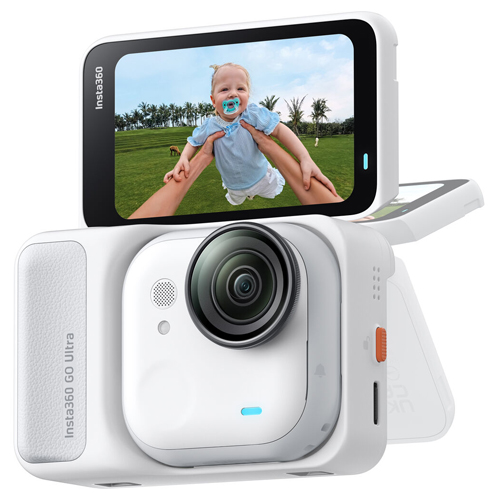 | Insta360 Dive Case 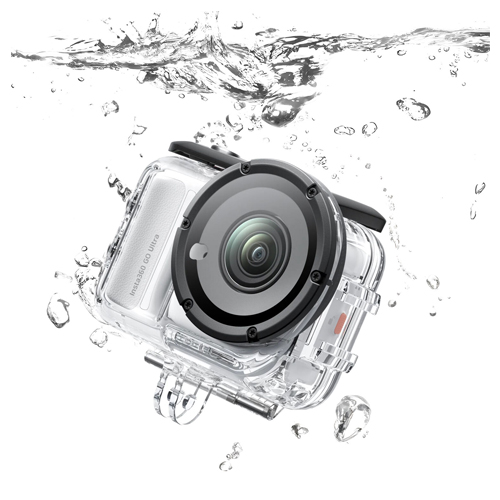 |
PowerShot G7 X Mark III & Fantasea Line FG7X III S
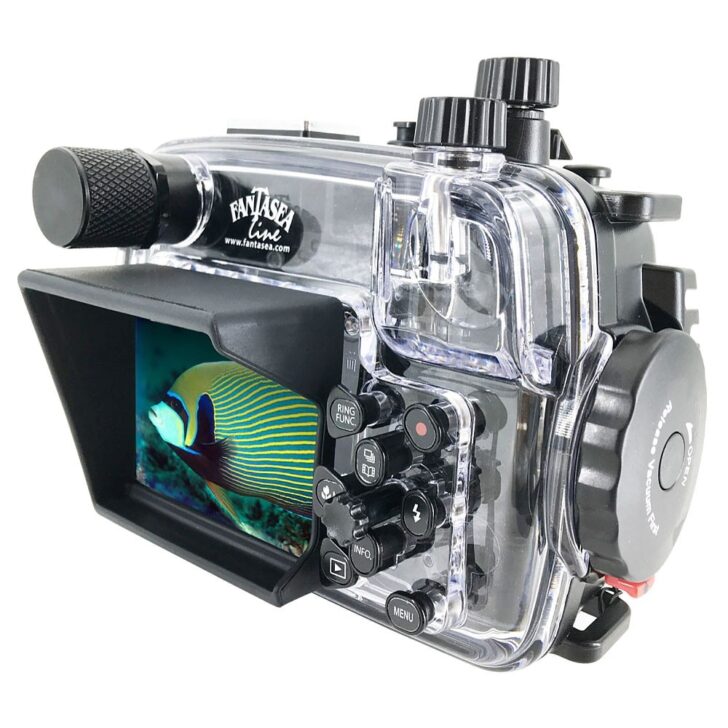
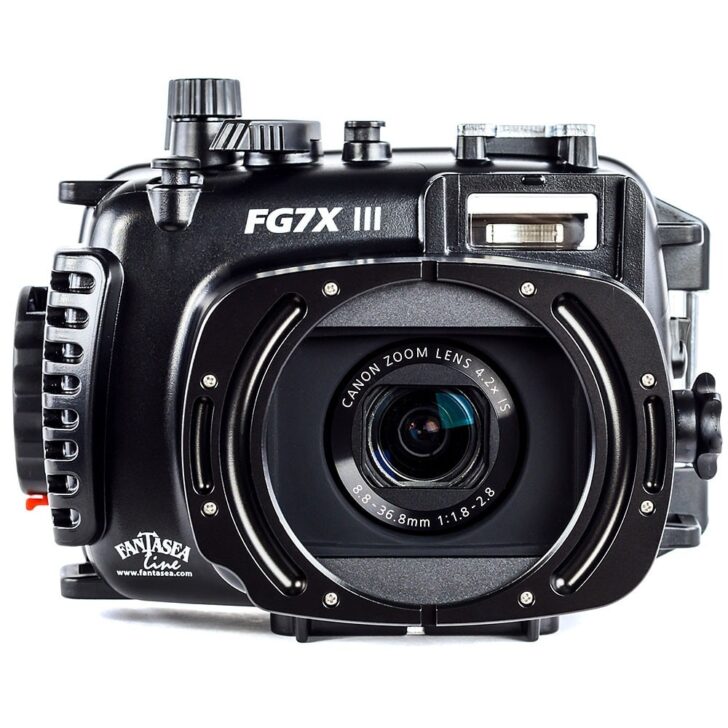
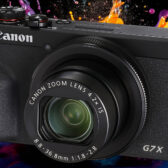
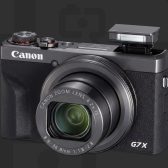
Now we’re getting into a larger sensor compact camera. The PowerShot G7 X Mark III is equipped with a 1″ stacked CMOS sensor. The 4.2x zoom is quite useful as is the f/1.8-2.8 lens, which is a worthwhile upgrade over the OM System TG-7 and its f/2-4.9 lens.
There are a lot of housing options for the PowerShot G7 X Mark III, my favourite is the Fantasea Line FG7X III S for its excellent control usability. It’s a pricier housing, but it’s worth it. This package does cost more than the OM System option, but if you saved your pennies a little while longer, I would probably go this route over the TG-7.
This sort of setup would be ideal for someone on a budget, but that wants to get serious about underwater photography before going onto the next option.
Fantasea Line FG7X III S 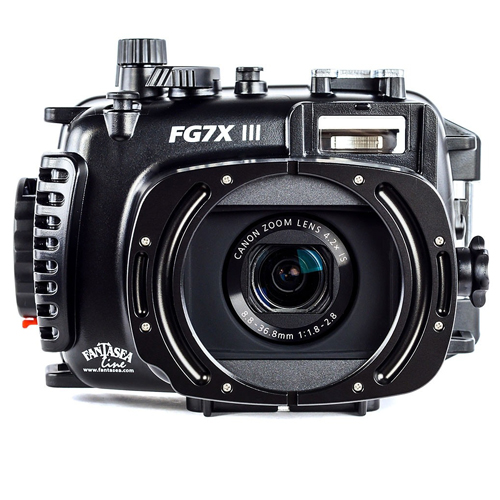 |

Canon EOS R5 Mark II & Seacam Housing
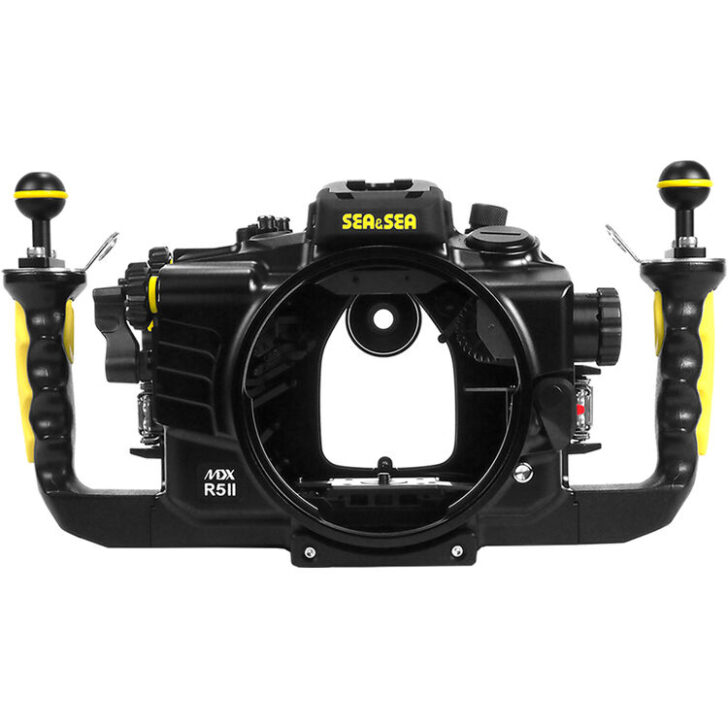
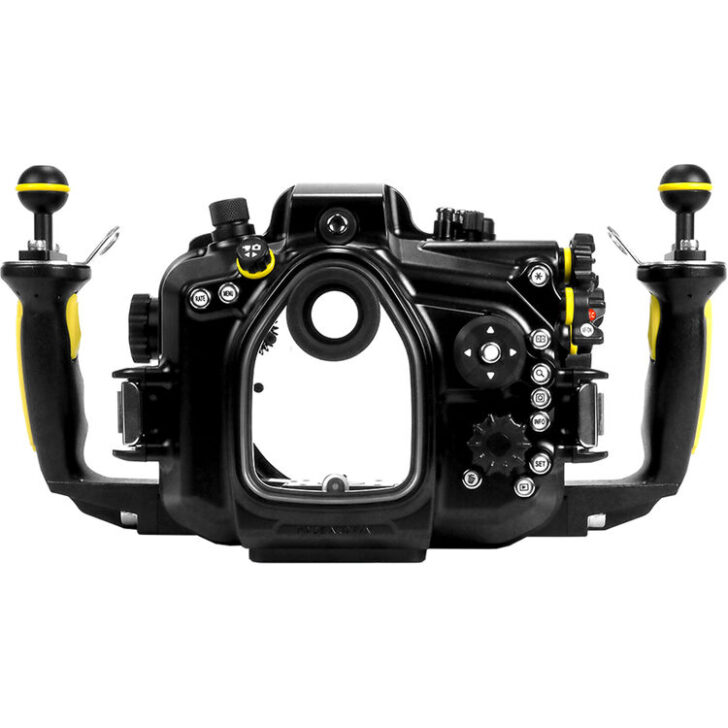
If you want to go all-in. Grab yourself a full-frame camera and the best housing you can afford. There are a lot of brands that do housings, and there are a few I would never recommend if you’re going to bring a $4000+ camera down with you. I don’t want to slam those brands in this article, but you can always reach out to us.
My favorite housings are from Seacam and they are expensive. They’re expensive for a reason, I have yet to use a housing that does controls better than a Seacam. These housing are ready to go to 80 meters out of the box. By request, you can have Seacam make a housing that can go to much deeper depths. 200 meters isn’t out of the question.
Now, there won’t be many people diving into this sort of set up. By the time you add lights and the lens ports, you’re going to be in the area of at least $10,000 without the camera.
Canon EOS R5 Mark II 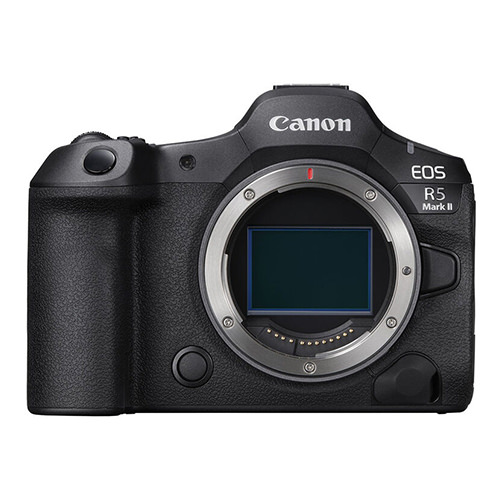 | Seacam EOS R5 Mark II 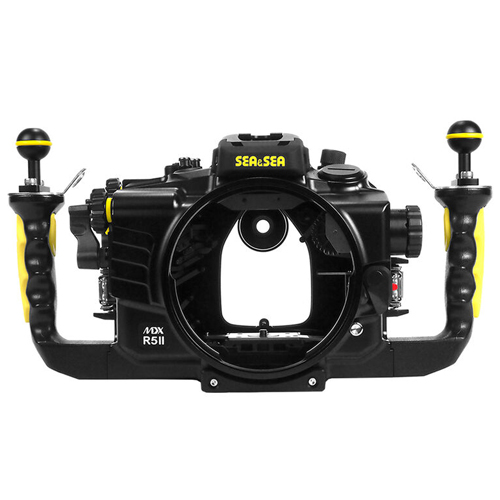 |
Conclusion
These recommendations are based on photography. Video work will have different requirements, and that is not my field of expertise.
What would I recommend for someone starting out? I really like the OM System and SeaLife options, I think $1000 is the sweet spot for capability and great value.
If you happen to spring a leak, there’s a good chance the TG-6 or TG-7 are going to survive. Going with the TG-7 has the bonus of also being a tough camera with the housing off.
If you’re looking solely for an underwater solution, the SeaLife Micro 3.0 should be on your list of consideration.
The PowerShot G7 X Mark III option does add to the cost, but the image quality will be better than the Olympus and SeaLife options, but you should not use a low-end housing. I don’t feel the official Canon housing is worth its price on the market. If you can fit $2000 into your budget by adding a light or strobe to the set up, you won’t be disappointed.
Honorable Mention from Richard
I had to lean on an old fan favorite of mine, a camera that is never far from my thoughts. But in this case, since you don’t have a working touchscreen in this little thing, it’s not a bad choice for this list. It’s also the least expensive camera you can purchase in the Canon lineup, so if a problem develops with your underwater housing, you aren’t going to risk a significantly expensive camera.
The housing still is not cheap by any means, but the entire kit probably costs you less than many of the others.
But to be honest, I think we’d be much better off if you skipped the housing and just drowned the little R100.
Header Photo by Hiroko Yoshii on Unsplash



I do have a set of Panasonic DMC-TS30A P&S cameras that are waterproof/shockproof and suitable for snorkeling, I got them for my kids to use on trips mainly for the durability. My middle kid uses hers a lot now that the P&S look is trendy.
When starting to look at underwater photo setups, I debated the three main categories in the article – a good underwater P&S, a dedicated camera like the SeaLife one, and a housing for one of my MILCs. I ended up settling on one option not discussed in the article, a housing for my iPhone. There were several factors to the rationale:
- I didn't want to spend a huge amount of money for something I'll use relatively rarely
- I wanted to spend most of the budget on lighting not the camera/housing
- I was looking to shoot both stills and video, and the iPhone is good at both (though not excellent)
- I bring enough photo gear when I travel and wanted avoid bringing another camera for a dedicated use
- A phone housing offers some degree of future-proofing for 'camera' upgrades, unlike a dedicated P&S or ILC housing
I set myself a budget of $2500, which was the same initial budget I picked for my first DSLR setup (in 2009, that got me the T1i/500D, EF-S 17-55/2.8, EF 85/1.8, Speedlite 430EX II and a Manfrotto CF tripod with an ok ballhead).As with all photography, lighting matters...that's arguably even more true underwater. In addition to 'regular' underwater photography, I was interested in trying some fluorescence imaging (I have spent a lot of time looking at fluorescing cells under microscopes, so I thought it would be pretty cool to look at larger specimens). In researching multiple systems, SeaLife had a well-regarded iPhone housing and seemed to offer the most comprehensive setup that included fluorescent lighting. There are two components to underwater fluorescence imaging – a blue light source (or UV, but blue is better) and a yellow filter to block the reflected blue light so all you see/capture is the fluorescence.
In looking for a custom-fit yellow filter for the SeaLife phone housing, I connected with the physicist/diver who co-developed SeaLife's fluorescence imaging lights, and that turned out to be a great connection. He fabricated the filter for the housing, and also made custom-fit filters for mine and my daughter's masks for a better fit than the generic ones that come with the blue lights. I was also able to order SeaLife gear through him at a substantial discount from the direct/B&H pricing, so my $2500 budget went quite a bit further.
I ended up getting the SportDiver Smartphone Housing, a pair of Sea Dragon Pro Dual Beam white lights (flood plus spot), a Sea Dragon Fluoro Dual Beam (blue flood plus white spot), a pair of small handheld lights and a flouro mini light, along with trays/arms, handles so the big lights can be used mounted or handheld, and spare batteries.
Overall, a very bright and versatile setup that has worked well so far. My only hope is that I get more opportunities to use it in the coming years.
So, genuinely useful for iphone/camera upgrades, as opposed to the specific housings used for (say) the R5 series, as other posters have noted in the past! For what would be my very occasional use, it's a realistic possibility.
My underwater gear dates from film times, a Fujica HDM and a Nikonos II.
I used them both for some scuba diving, but was never tempted enough to acquire strobes and accessory lenses.
I preferred spending my pocket money on oysters, lobsters, crabs and other seafoods in Bretagne (Brittany). And on Calvados, Muscadet and cidre...