

When you purchase through links on our site, we may earn an affiliate commission. Here’s how it works. |
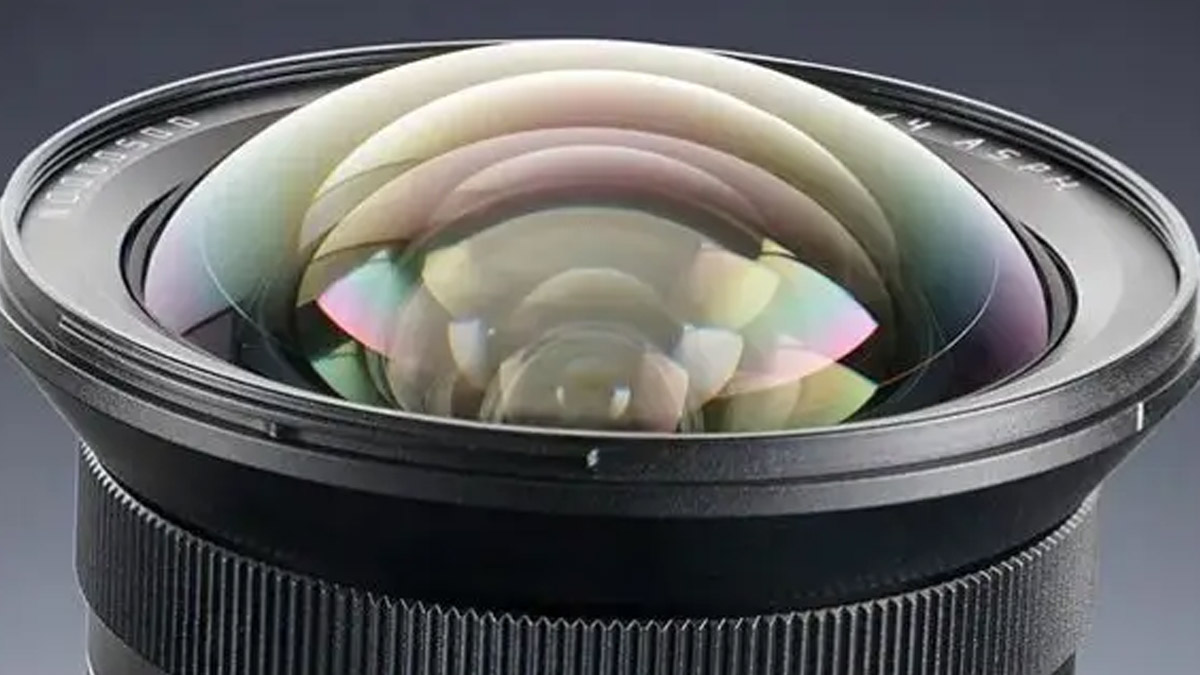
I remember when Canon released its TS-E 17mm F4L; that front optical assembly was something to behold, and it surprised the industry with a full-frame tilt-shift lens that no one really thought possible at the time. It took a few years for Canon to finally flex its optical muscle with wide-angle lenses and deliver excellent results.
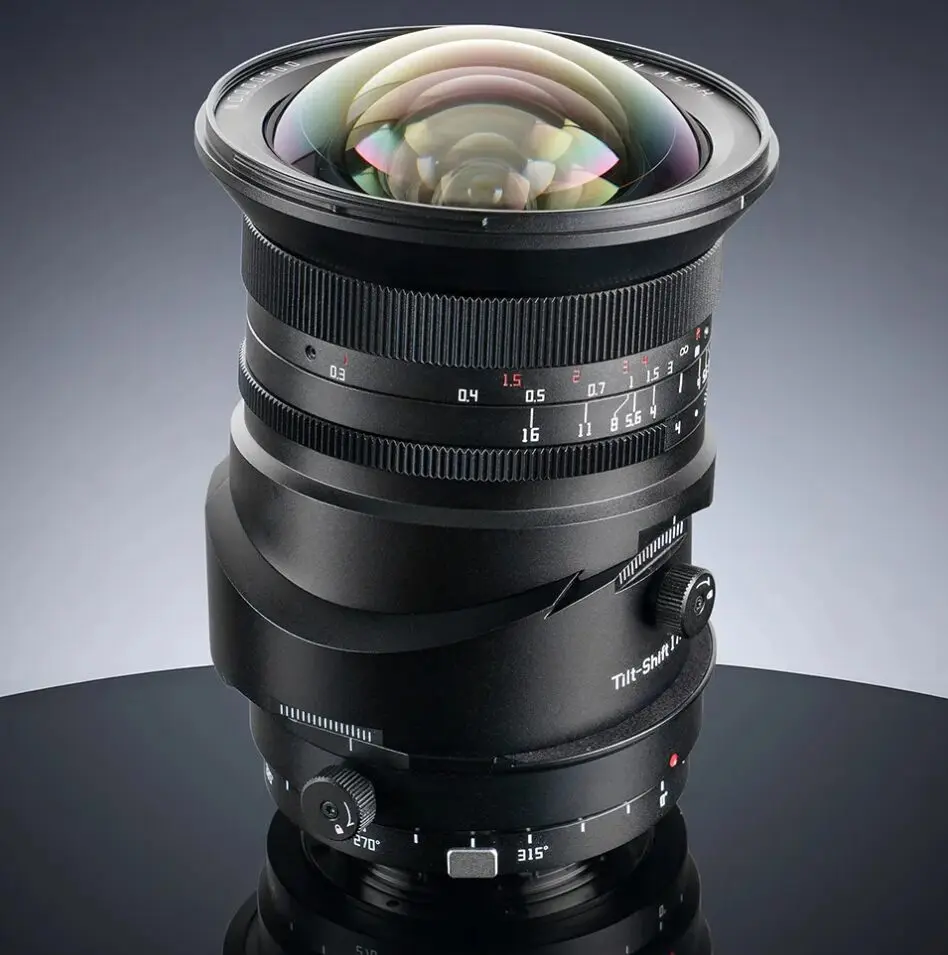
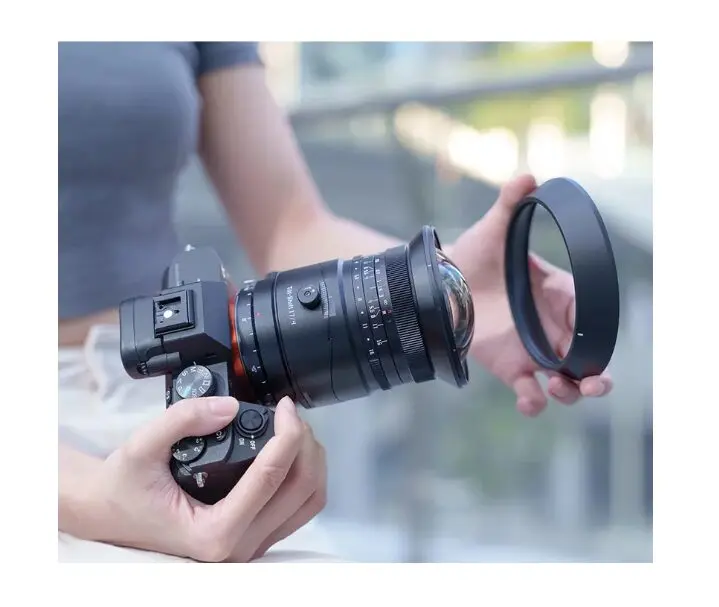
Fast forward from February 18th, 2009, and TTArtisans has decided to join the 17mm club. That’s right, not Nikon, not Sony. No, it’s TTArtisans. Now, credit to Laowa for making a 15mm F4.5 Zero-D shift, but it’s not a tilting lens, simply a shift.
Just a little backgrounder first on the legendary Canon TS-E 17mm F4L, because everything will be compared to this lens. We should note, though, that while we don’t have a final price for the TTArtisan 17mm, it is 3,200 yuan, or around $500 on a straight currency conversion. That’s compared to the $2400 Canon tilt shift.
Canon TS-E 17mm F4L Key Features
- EF-Mount Lens/Full-Frame Format
- Aperture Range: f/4 to f/22
- Four UD Elements, One Aspherical Element
- Floating Optical System, Rear Focusing
- Subwavelength Coating
- Maximum Tilt: +/- 6.5°
- Maximum Shift: +/- 12mm
- Mount Rotation: +/- 90°
- Locking Tilt-Shift Mechanism
- Rounded 8-Blade Diaphragm

TTArtisan TS 17mm F4 ASPH Specifications
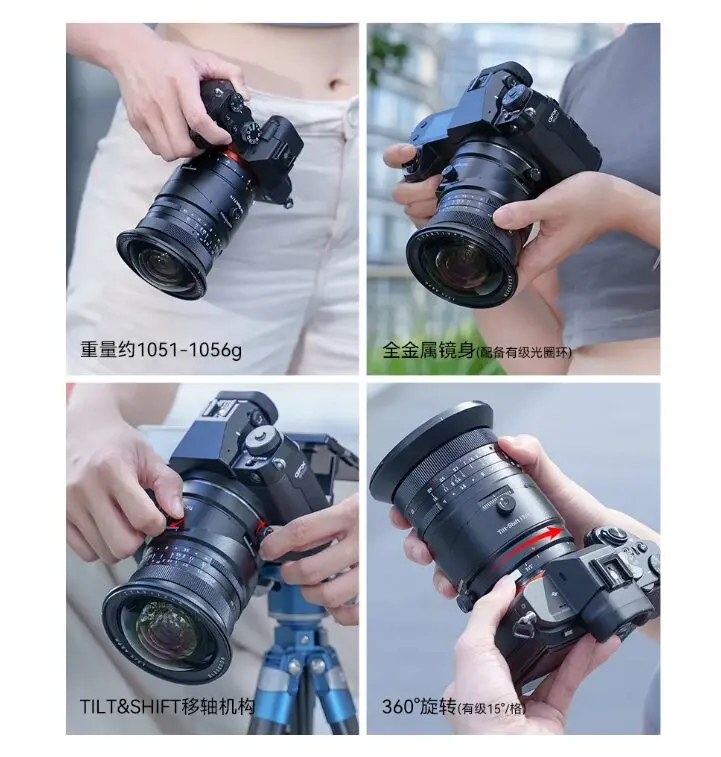
Now, the significant point is that the lens shifts less than the TS-E lens (8mm versus 12mm), which depends on how large the image circle projects onto the sensor. The larger the image, the more the lens can shift. But still, +/- 8mm is excellent, as well as the 8-degree tilt, which is more than the Canon TS-E 17mm F4L. And yes, we will get this lens on the RF mount as well, since there is no electronic connection between the lens and the camera.
| Lens mount | E / Z / RF / L / GFX |
| Compatible sensors | FF/GFX |
| focal length | 17mm |
| Lens construction | 17 elements in 11 groups |
| Maximum aperture | F4 |
| Minimum aperture | F16 |
| Aperture blades | 10 sheets |
| Minimum focusing distance | 0.3m |
| Maximum magnification | not clear |
| Filter diameter | – |
| Image stabilization | – |
| Teleconverter | – |
| coating | not clear |
| size | No information |
| weight | 1051‐1056g |
| Dustproof and waterproof | – |
| AF | MF Limited |
| Aperture ring | mounted |
| Other controls | Shift ±8mm Tilt ±8° |
TTArtisan TS 17mm F4 ASPH MTF
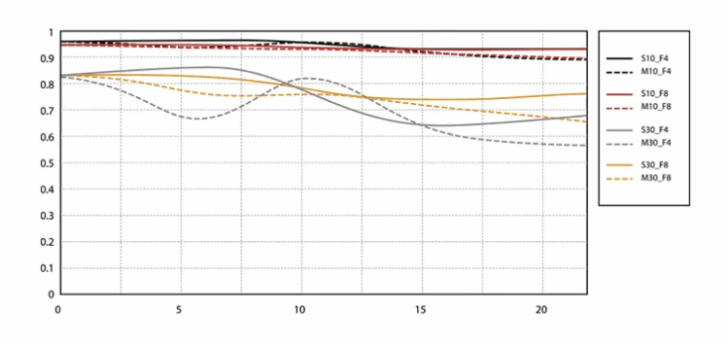
When I first saw this news, I thought I wasn’t going to see anything that good from this lens. I mean, it’s cheap, and you really do get what you pay for. But at least in the unshifted position, this lens is actually a bit better in terms of resolution and contrast than the Canon TS-E 17mm F4L.
But since neither shows the full shifted MTF, it’s difficult to determine if Canon’s priority was more resolution across the entire shift range versus the TTArtisan lens.
The lines you want to compare against on the TTArtisan MTF chart are the grey ones. As you can see, the light grey lines (30 lp/mm or resolution) do not drop off as much toward the corners as the Canon MTF (blue lines). We can assume the trend continues as you shift, until you reach close to the edge of the image circle, at which point the resolution falls off a cliff. Still, though, again, this is a $500 lens compared against the legendary Canon TS-E 17mm. It’s not supposed to be this close.
Canon TS-E 17mm F4L MTF

TTArtisan TS 17mm F4 ASPH MTF
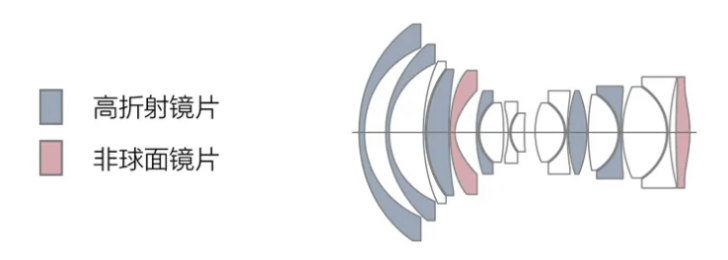
TTArtisan TS 17mm F4 ASPH Elements
The blue/grey elements are high-index refractive elements, and the red elements are apsherical elements. So this lens has six high-index refractive elements and two aspherics. This is a very sophisticated element design. The Canon TS-E 17mm had four UD and one aspherical element for comparison.
Final Thoughts
We haven’t seen any official pricing information for this lens. So it could very well be that the price of 3200 yuan is way off; if not, this lens is an incredible bargain. I mean, if TTartisan can keep the QA up on this lens and deliver close to the published MTF, it’s jaw-dropping good.
Gallery
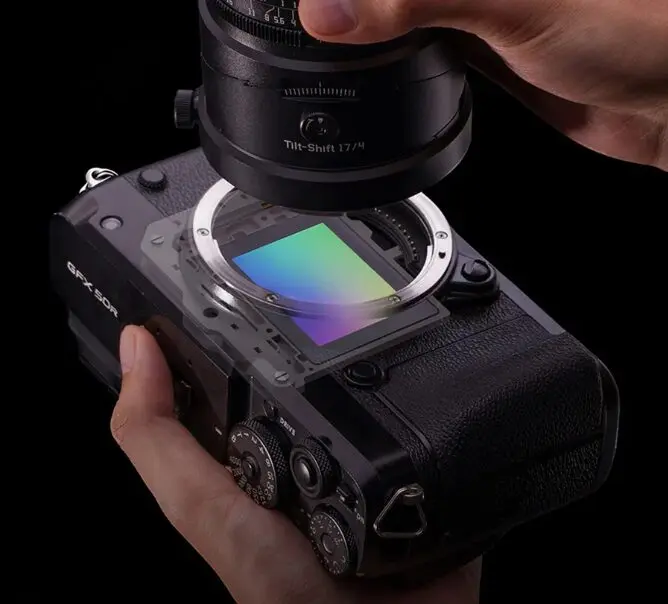




Just testing this on the GFX100S, where it has enough coverage, but unlike the RF/Z mount versions has no ability to change the shift axis direction.
So either a showstopper or irrelevant.
Limited to ±8mm of shift, but that is impressive on a [small] MF sensor
Still need to see how it compares with my 2009 TS-E17
Uploaded quite a few [full res] examples to the MF forum at DPR
This gives a good feel for the coverage [hand held 3200 ISO ~f/6.7]
[ATTACH type=”full” size=”4000×3000″]226572[/ATTACH]