
When you purchase through links on our site, we may earn an affiliate commission. Here’s how it works. |
It’s been a while since Zeiss announced the original Otus lineup of lenses. In 2013, Zeiss promised a new series of lenses that were as good as it goes from Zeiss. These were available for a variety of mounts, including the Canon and Nikon DSLR mounts. These lenses were big, heavy, and near perfect in terms of aberrations and resolution.
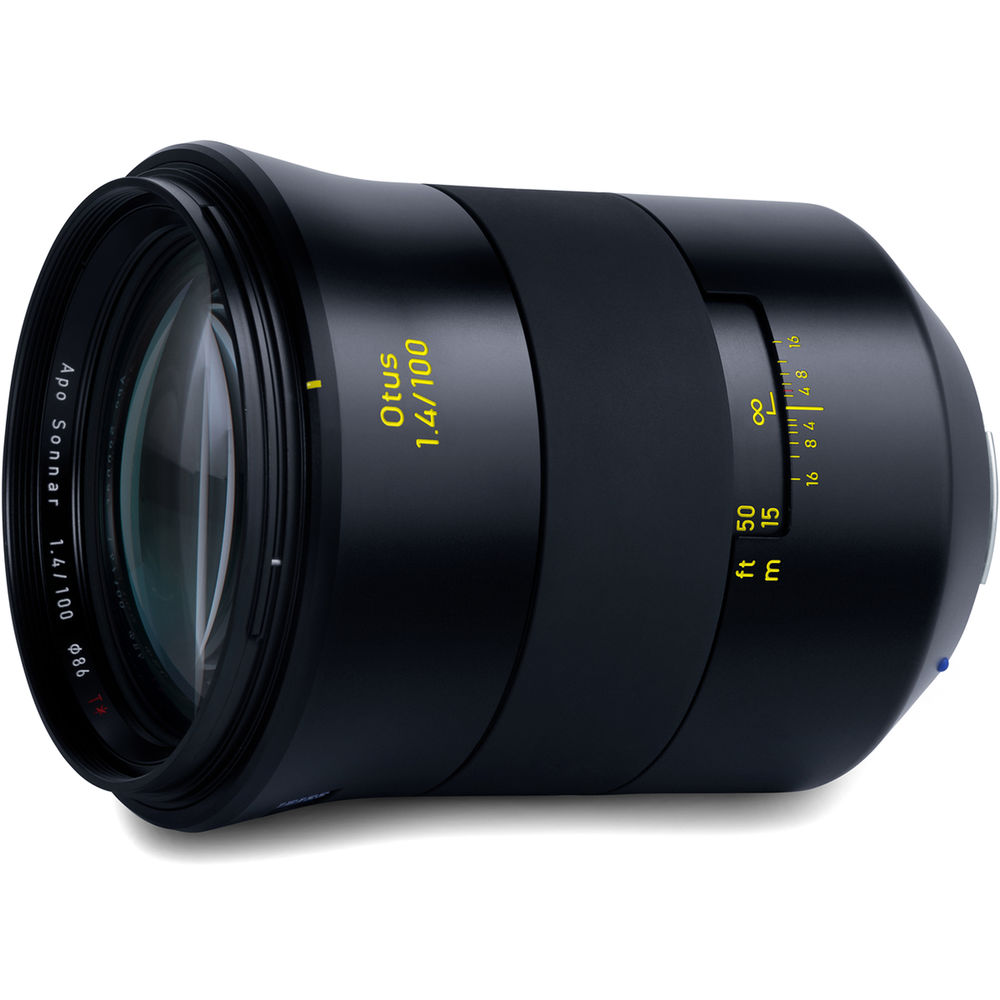
Time has passed since then, and the world has moved to new mirrorless mounts, and even though Zeiss did some smaller Batis and Loxia lenses, they never touched the Otus lineup since it faded after the 2019 release of the Zeiss Otus 100mm F1.4.
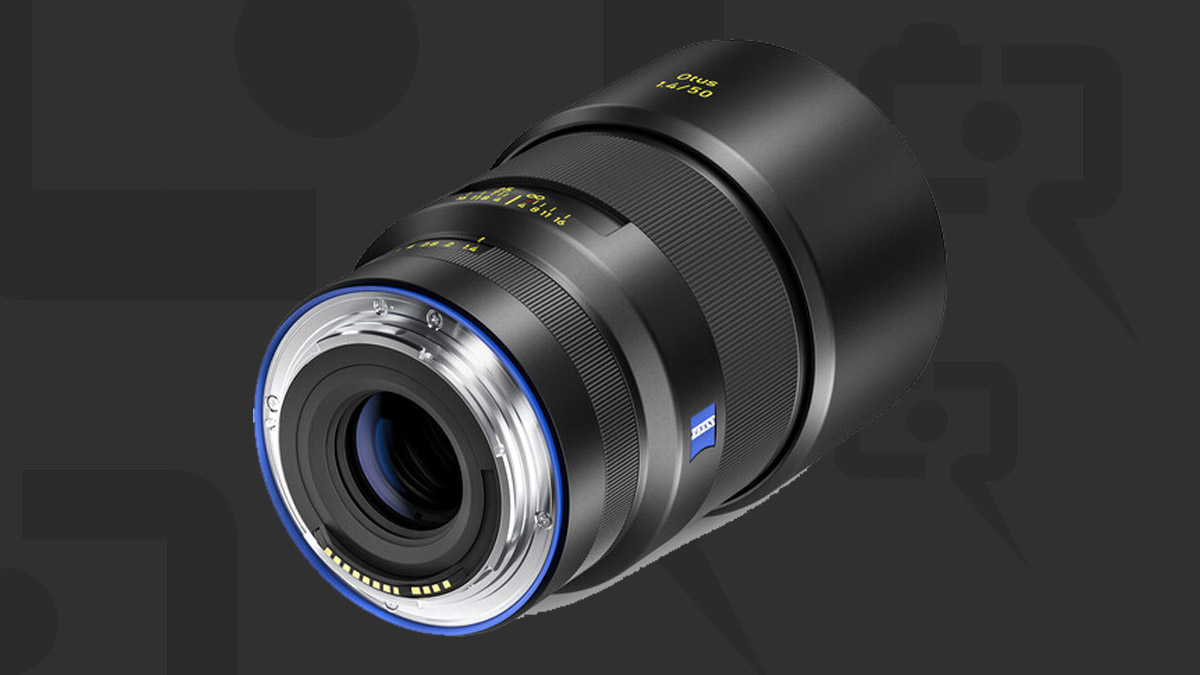
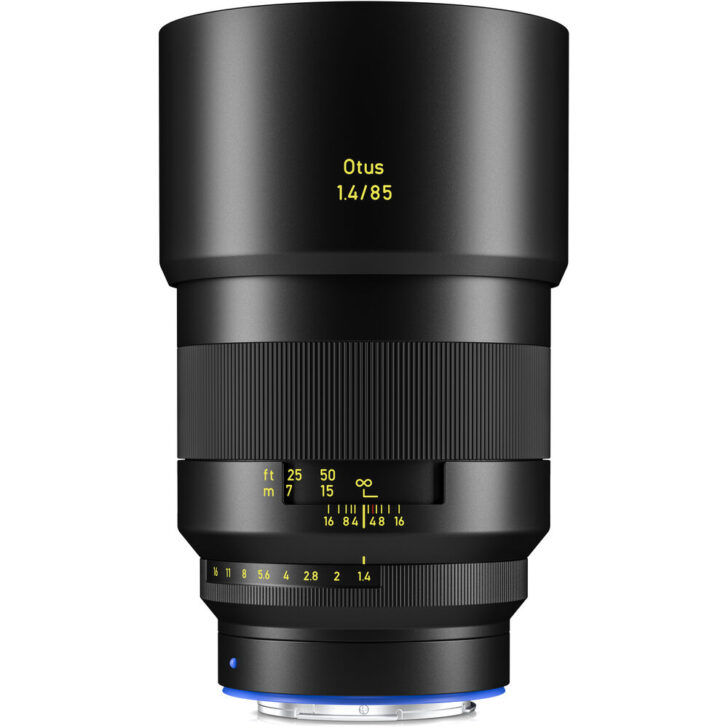
Fast forward to this year, and Zeiss announces that the Otus lineup is coming to mirrorless mounts as they announced the 50mm F1.4 and the 85mm F1.4 ML Otus lenses. Like the previous DSLR lineup, this set of lenses will be manual focus and manual aperture. Lucky for us, because that means Canon will loftily ignore its existence on the Canon RF mount.
ZEISS has announced the introduction of a new Otus ML family, a series of lenses designed specifically for professional photographers and ambitious visual story creators who require the highest optical performance and precision mechanics for full creative control. For the start, the Otus ML is available in two focal lengths: a 1.4/50 lens suitable for versatile photography and a 1.4/85 lens optimized for portrait work. Inspired by the legendary ZEISS Otus family, these new lenses bring ZEISS’ renowned optical excellence to mirrorless cameras: Sony E, Canon RF- and Nikon Z-Mount.
Me personally, I’ve always loved Zeiss lenses since using Contax/Yashica Zeiss lenses on the EF mount, I’ve always loved T* coatings, and I guess I fell for the “micro contrast” and “3D pop” hype, but I still to this day feel it’s there. So I was certainly looking forward to seeing some reviews of this new series of lenses, even though I would probably never personally purchase any of them.
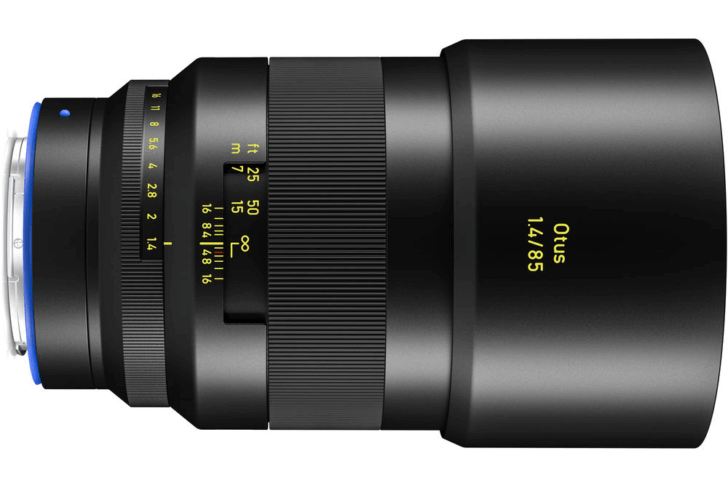
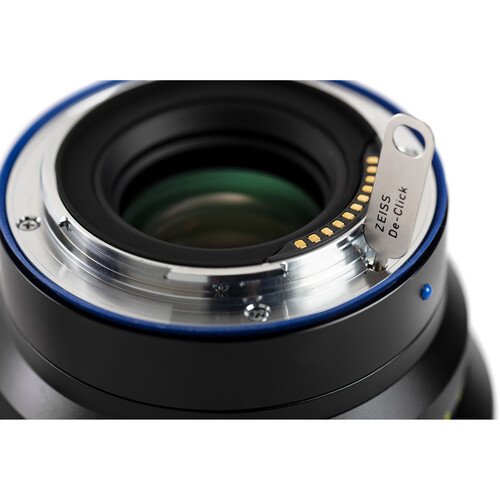
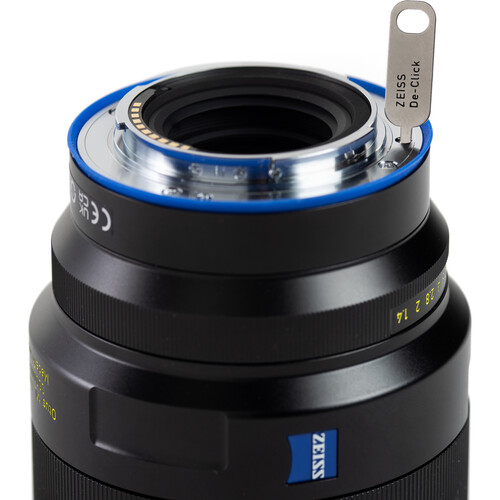
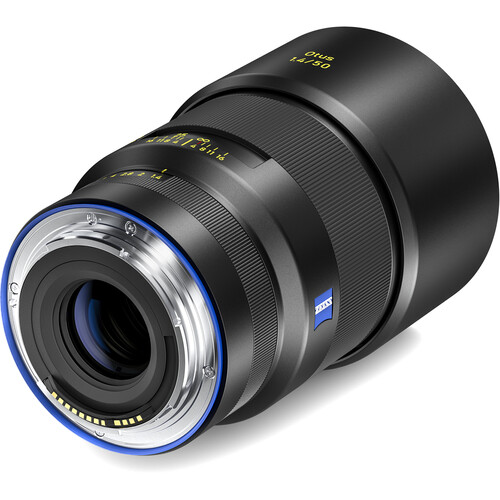
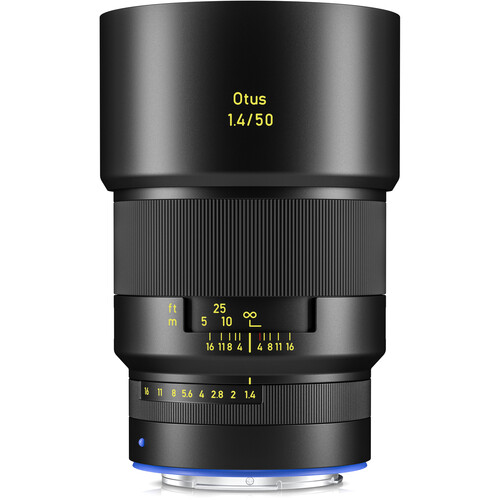
Gone are the smooth lines of the DSLR Otus lineup to the more traditional lens look for Zeiss. Zeiss added weather sealing, a declicked aperture and made the price around the same as the original Zeiss Otus lenses at $2499.
Key Features of the Zeiss Otus 50mm f1.4 ML
- Full-Frame | f/1.4 to f/16
- Fast Manual-Focus Prime Lens
- Distagon Optical Design
- 10-Blade Diaphragm
- 260° Focus Throw
- Compact & Portable Form Factor
- ZEISS T* Antireflective Coating
- Dust and Moisture-Resistant Construction
Elements and MTF
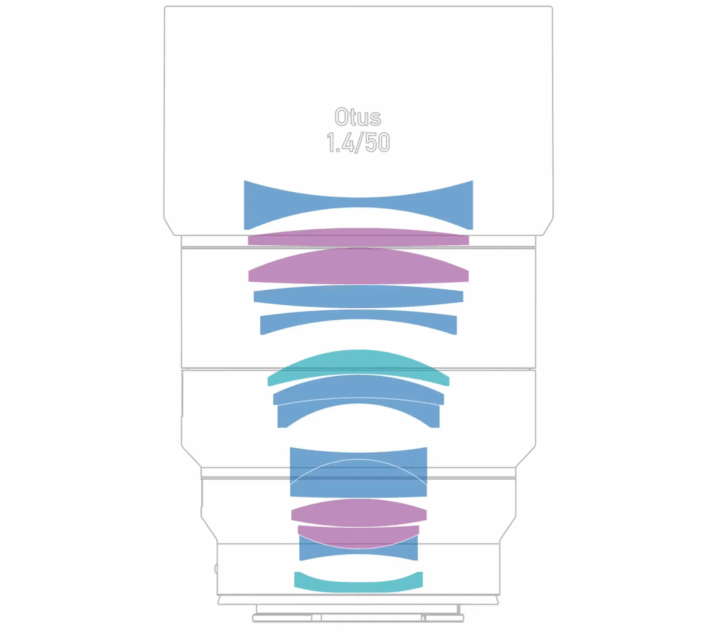
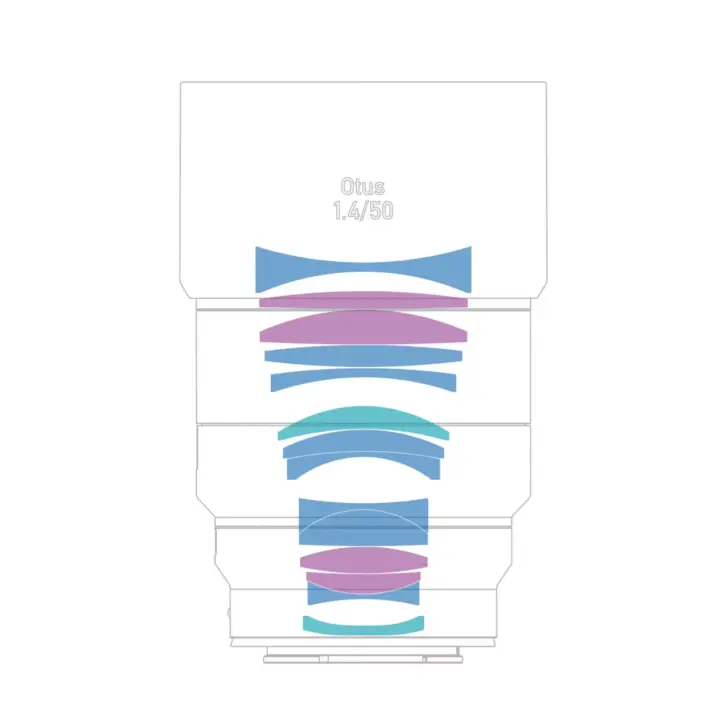
There is alot of glass in the 14 elements across 11 groups that make up the Zeiss Otus 50mm F1.4.
The MTF response from this lens is interesting. There is a strong push in digital camera lenses to be clinically sharp for the premium lenses, but if I had to guess, Zeiss’s engineers have decided to back off of some of that sharpness, and worry more about contrast and abberations. If you are using this lens in it’s more traditional sense of portraiture, at times, you just don’t want every single pore highlighted.
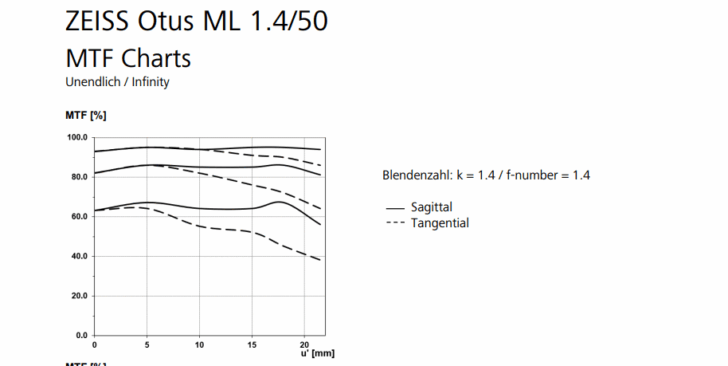
That all said, the astigmatism wide open is more than I would expect, and the center sharpness is certainly softer than I’d expect, but i do believe this is by design.
CameraLabs Review of the Zeiss Otus 50mm f1.4 ML
Thomas from CamaraLabs reviewed the Zeiss version for Nikon. We’ll have to forgive him for using Nikon, but at least he didn’t use Sony. Overall the lens performs as I would expect from both Zeiss and also given the MTF we see above.
The Zeiss Otus ML 50mm f1.4 is an interesting refresh of their Otus line of iconic prime lenses for DSLRs. It’s available in Sony E-mount, Canon RF-mount, and Nikon Z-mount and is manual focus only. Zeiss retained the robust full metal build but managed to make the new lens considerably smaller and lighter, added full weather-sealing, made the aperture ring de-clickable, and reduced the price. Optically the lens disappoints a little with a relatively soft center at f1.4 and noticeable coloured fringing and focus breathing. But it performs surprisingly well in close-up shooting, has very little field-curvature and coma, and well controlled flare, glare, and ghosting. Plus the lens has a good (but not great) Bokeh and supports eye-detect on Nikon Z bodies, which is a boon for portraiture. So although the lens is still pretty expensive and does not quite reach the optical qualities of its predecessor I can still recommend the new Zeiss Otus ML 50mm f1.4.
Correcting for coma and well controlled flare and ghosting is what I would expect from an Otus lens, but what I didn’t expect to see was color fringing. That was a hallmark of the orignal Otus lenses, very little if any color abberations. So for me, that more than resolution was a slight dissappointment.
Thomas, rather rightly, concludes, it’s a great lens, but Nikon’s 50mm lenses all are up for the challenge, and their compromises may suit the user better.
The Zeiss Otus lenses are certainly not for everyone, as manual focus and manual aperture take a while to get used to – or relearn if you came from the film era. With the new tools on mirrorless cameras such as focus assists, that is certainly easier, but it’s still not foolproof on extremely fast lenses.
Whether or not this lens is worth $2499 is debatable, but I still love T* coatings.
Specifications
| Principal specifications | ||
| Lens type | Prime lens | |
| Max Format size | 35mm FF | |
| Focal length | 50 mm | |
| Lens mount | Canon RF, Canon RF-S, Nikon Z, Sony E, Sony FE | |
| Aperture | ||
| Maximum aperture | F1.4 | |
| Minimum aperture | F16 | |
| Aperture ring | Yes | |
| Number of diaphragm blades | 10 | |
| Optics | ||
| Elements | 14 | |
| Groups | 11 | |
| Special elements / coatings | T* | |
| Focus | ||
| Minimum focus | 0.50 m (19.69″) | |
| Autofocus | No | |
| Full time manual | Yes | |
| Focus method | Internal | |
| Distance scale | Yes | |
| DoF scale | Yes | |
| Physical | ||
| Weight | 677 g (1.49 lb) | |
| Diameter | 77 mm (3.03″) | |
| Length | 100 mm (3.94″) | |
| Materials | Metal | |
| Sealing | Yes | |
| Colour | Black | |
| Filter thread | 67 mm | |
| Hood supplied | Yes | |
Gallery

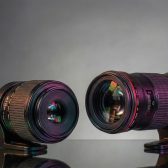

In any case, I think it's hard to justify buying this lens rather than the RF 50/1.2 — or, for that matter, a number of other 50s you can get for less. I mean, it's a lot to pay for a full manual with character, isn't it? And it's not like it's going for technical perfection like the EF Otus lenses...
I don't have any actual hands-on experience, so please correct me if I'm wrong!