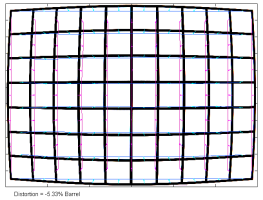
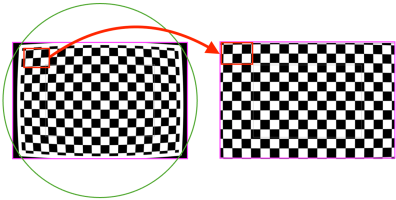
Lens corrections are great! It's a transparent tool that just makes lenses lighter and less distorted, but:
"Less expensive" is the key.
It sure doesn't feel like RF is less expensive than EF glass, expecially in the budget range. For example, Canon sells the 24-50 kit lens for $350. I got it for $89 used... and even at that price I'm feeling some buyers remorse :/
Or look at the EF 100-400L vs the RF 100-400. The RF is much lighter, yes, but the EF is sharper and cheaper. And that's considered one of the best value RF lenses around.
Or, heaven forbid, look at uncorrected third party RF, like the Yongnuo 23/35/56 1.4. $220 each, and very sharp. Or the 85mm 1.8 for $320, or the Venus Optics ultrawides, or the Argus 0.95s, all of which have to get by without in-body corrections because Canon won't open their mount like almost almost every other manufacturer.
Note I'm not blaming the engineers here; they can't do anything about Canon's margin requirements.
So, in Canon’s defense, this allows them to produce lenses that are smaller, lighter, and at times, less expensive than if they didn’t take that compromise.
"Less expensive" is the key.
It sure doesn't feel like RF is less expensive than EF glass, expecially in the budget range. For example, Canon sells the 24-50 kit lens for $350. I got it for $89 used... and even at that price I'm feeling some buyers remorse :/
Or look at the EF 100-400L vs the RF 100-400. The RF is much lighter, yes, but the EF is sharper and cheaper. And that's considered one of the best value RF lenses around.
Or, heaven forbid, look at uncorrected third party RF, like the Yongnuo 23/35/56 1.4. $220 each, and very sharp. Or the 85mm 1.8 for $320, or the Venus Optics ultrawides, or the Argus 0.95s, all of which have to get by without in-body corrections because Canon won't open their mount like almost almost every other manufacturer.
Note I'm not blaming the engineers here; they can't do anything about Canon's margin requirements.
Last edited:

Upvote
0