
You are using an out of date browser. It may not display this or other websites correctly.
You should upgrade or use an alternative browser.
You should upgrade or use an alternative browser.
Butterflies, Moths and Assorted Insects...
- Thread starter dpc
- Start date


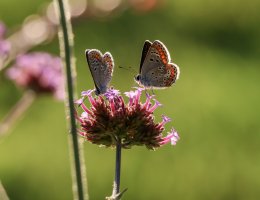


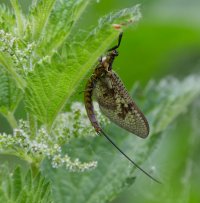

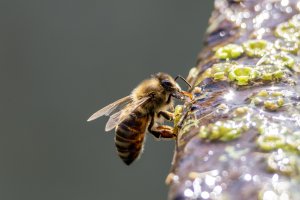

The season of blue butterflies has begun. Which in my opinion is the most beautiful butterfly.
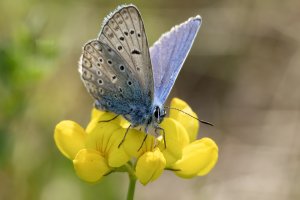
Upvote
0

Nice photos, keep posting!The season of blue butterflies has begun. Which in my opinion is the most beautiful butterfly.
The most beautiful is pretty personal (not only for the butterflies of course). And the "blues" are many species, not one! My personal favorite from the European butterflies is the Apollo (Parnassius appollo). Actually there are several striking-looking butterflies in Europe (look at Apatura ilia when the wings are at the right angle for example...)!
Upvote
0
@ISv
The most beautiful is pretty personal (not only for the butterflies of course). And the "blues" are many species, not one! My personal favorite from the European butterflies is the Apollo (Parnassius appollo). Actually there are several striking-looking butterflies in Europe (look at Apatura ilia when the wings are at the right angle for example...)!
Absolutely! There are several blues, usually small, and they can differ greatly on their underwings. One of the pleasures of nature photography is that it can lead you into a study of nature and learning about birds and insects for example. ObsIdentify is a marvellous app for identification but it is no substitute for knowing what the features are that define the species you are looking at. It’s a general problem with machine learning apps that they can give you the right answer but not the reasoning behind it. But, they can be the starting point for asking why.
The most beautiful is pretty personal (not only for the butterflies of course). And the "blues" are many species, not one! My personal favorite from the European butterflies is the Apollo (Parnassius appollo). Actually there are several striking-looking butterflies in Europe (look at Apatura ilia when the wings are at the right angle for example...)!
Absolutely! There are several blues, usually small, and they can differ greatly on their underwings. One of the pleasures of nature photography is that it can lead you into a study of nature and learning about birds and insects for example. ObsIdentify is a marvellous app for identification but it is no substitute for knowing what the features are that define the species you are looking at. It’s a general problem with machine learning apps that they can give you the right answer but not the reasoning behind it. But, they can be the starting point for asking why.
Last edited:
Upvote
0
@ISv
The most beautiful is pretty personal (not only for the butterflies of course). And the "blues" are many species, not one! My personal favorite from the European butterflies is the Apollo (Parnassius appollo). Actually there are several striking-looking butterflies in Europe (look at Apatura ilia when the wings are at the right angle for example...)!
Absolutely! There are several blues, usually small, and they can differ greatly on their underwings. One of the pleasures of nature photography is that it can lead you into a study of nature and learning about birds and insects for example. ObsIdentify is a marvellous app for identification but it is no substitute for knowing what the features are that define the species you are looking at. It’s a general problem with machine learning apps that they can give you the right answer but not the reasoning behind it. But, they can be the starting point for asking why.
Yes, there are more species blue butterflies, but they are all beautiful!
 I currently have a meadow full of them in front of my house.
Have about 20 species of butterflies on Instagram and I usually try to determine the exact species. Buti i don't have Parnassius appollo yet
 ;
;
Upvote
0
You are very lucky in having such a meadow! This website is very useful: https://butterfly-conservation.org/butterflies/identify-a-butterfly?page=1Yes, there are more species blue butterflies, but they are all beautiful!
Have about 20 species of butterflies on Instagram and I usually try to determine the exact species. Buti i don't have Parnassius appollo yet
By the way, the R7 and RF 100-400 you use is one of the best pieces of kit for photographing butterflies - you can keep the right distance away but close enough, it's very sharp and light, and you need the depth of field of f/8 (of f/11 with extender) or more unless you stack.
Last edited:
Upvote
0
Thank you, that's helpful.
I had a great time this morning and managed to catch a butterfly I haven't had before...
Nymphalis polychloros (Large Tortoiseshell in English)
Photographed on an old apple tree
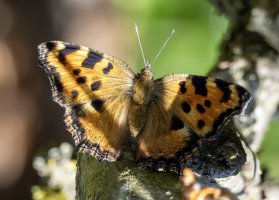
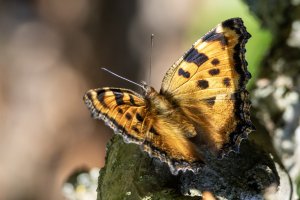
Last edited:
Upvote
0
You also added information about the equipment, yes, first I took various photos using the trial and error system, see the first photo of Lycaena phlaeas on lavender, which I posted here.. for that photo with R10 i needed about 2000 attempts with a macro lens (full manual) .. well, I bought a 100-400 and it still wasn't the same and then I read about TK 1.4, tried it and I'm satisfied with it. But I have to watch the light and ISO.. but I learned to live with it.You are very lucky in having such a meadow! This website is very useful: https://butterfly-conservation.org/butterflies/identify-a-butterfly?page=1
By the way, the R7 and RF 100-400 you use is one of the best pieces of kit for photographing butterflies - you can keep the right distance away but close enough, it's very sharp and light, and you need the depth of field of f/8 (of f/11 with extender) or more unless you stack.
Upvote
0
Judging by the name you could be in Czech Republic, am I right? If I am, than you should look carefully for the other Nymphalis - N. xanthomelas that is in the red list of that country.Thank you, that's helpful.
I had a great time this morning and managed to catch a butterfly I haven't had before...
Nymphalis polychloros (Large Tortoiseshell in English)
Photographed on an old apple tree
View attachment 229824View attachment 229825
Upvote
0
Yes, you are right, I live in the Czech Republic, the city of Břeclav...I will tryJudging by the name you could be in Czech Republic, am I right? If I am, than you should look carefully for the other Nymphalis - N. xanthomelas that is in the red list of that country.
Upvote
0
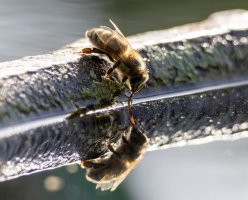
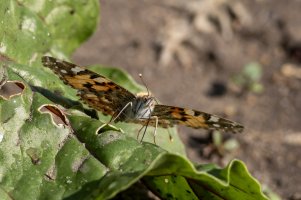
I had another species of Vanessa cardui in the garden today, but it is common here.. but it migrates all the way from North Africa (it's unbelievable to me for such a small butterfly)... I was watering the vegetables in the morning and it flew in to drink... I guess it just flew in from Africa 
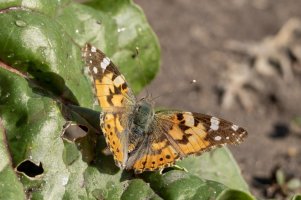
Upvote
0
So, Moravia. It explains why you don't have Apollo and especially the vineyard (next to your house?)Yes, you are right, I live in the Czech Republic, the city of Břeclav...I will try
 !
!There you have even better chance to see N. xanthomelas (Yellow-legged tortoiseshell), it rarely makes temporary populations in your region, usually migrant from East (South-east).
Upvote
0
yes, otherwise with that Nymphalis xanthomelas you gave me a good task ... it is something like a mythical unicorn in our country and in Germany : D Where are you from?So, Moravia. It explains why you don't have Apollo and especially the vineyard (next to your house?)
There you have even better chance to see N. xanthomelas (Yellow-legged tortoiseshell), it rarely makes temporary populations in your region, usually migrant from East (South-east).
Upvote
0


