
I am looking at going to FF from APS-C and i am curious as to how my images will look different. I know that image quality and noise will be better but i would like to see the same image taken on a FF and crop body. I currently have a 70D and i am very pleased with it but all this talk of FF being so much better as me curious. I would love for some one that has both a FF and crop body to take images with both of the same subject. thank you in advance.
You are using an out of date browser. It may not display this or other websites correctly.
You should upgrade or use an alternative browser.
You should upgrade or use an alternative browser.
Difference in image from APS-C to FF
- Thread starter jefflinde
- Start date




sanj said:If you happy with 70D, continue with it till you get unhappy.
+1. Learn and fully exploit what you have now. The 70D is a great camera. Buy some more glass first. FF isn't going anywhere. If you absolutely must get FF now, you could probably find a nice 5D classic for peanuts and learn with it first for less expense. (Unless money isn't an issue, then the 6D would be a great starter FF body.)
The #1 thing you will experience comparing FF vs. Crop is the effect of the 1.6x crop factor difference. Esp with ultra wide lenses. If you prefer to shoot wide, FF will be a huge upgrade for you and will give you more creativity. If you prefer to shoot long, not so much since all your EF lenses will become shorter on FF.
Small FYI Reminder: EF-S lenses can't be used on FF!
Upvote
0

IQ between the two formats, given using same or similar generation processors/bodies, are negligible. If you pixel peep for a living and have a trained eye, you might be able to spot differences. But even then it would mean little to nothing.
Lenses and post processing will make the biggest difference assuming the user (photographer) is the same. APS-C tends to be noisier vs. full frame ONLY because you typically have to use higher ISOs given the same aperture to achieve the same exposure. Even then it's negligible. Actual tangible benefits won't be realized unless shooting really dark with slow lenses.
Personally I love full frame because I can use more light... and I don't have to use my calculator. =)
Lenses and post processing will make the biggest difference assuming the user (photographer) is the same. APS-C tends to be noisier vs. full frame ONLY because you typically have to use higher ISOs given the same aperture to achieve the same exposure. Even then it's negligible. Actual tangible benefits won't be realized unless shooting really dark with slow lenses.
Personally I love full frame because I can use more light... and I don't have to use my calculator. =)
Upvote
0

jefflinde said:I am looking at going to FF from APS-C and i am curious as to how my images will look different. I know that image quality and noise will be better but i would like to see the same image taken on a FF and crop body. I currently have a 70D and i am very pleased with it but all this talk of FF being so much better as me curious. I would love for some one that has both a FF and crop body to take images with both of the same subject. thank you in advance.
FF is better under certain conditions.... crop is better under other certain conditions...
most of the time the difference is not significant...
If I were thinking of improving my kit, my first place to look is at lenses.....
Upvote
0
IMO, both cameras have their place. I own a 5D3 and a 7D-II. (which replaced a 70D I liked very much.)
I use the 5D3 with 16-35, 24-70, 24-105, 70-200, 15mm FishEye along with several other lenses for most of my shooting which is walk around, journalistic, events, candids, portraits, etc. General Purpose shooting. I like to shoot wider most of the time. With FF I get the FL of the lens and it is more versatile.
However, when I shoot sports, swimming, etc I prefer a crop body because I have the extra reach I need without an extender and both the 70D (8 fps) and the 7D-II (10 fps) are much faster. And the 7D-II has more advanced AF as well. The main reason I upgraded to the 7D-II was because of its new "DeFlicker" feature and the fact that I got a great deal on it so it didn't cost much after I sold the 70D. I was otherwise happy with the 70D.
I use the 5D3 with 16-35, 24-70, 24-105, 70-200, 15mm FishEye along with several other lenses for most of my shooting which is walk around, journalistic, events, candids, portraits, etc. General Purpose shooting. I like to shoot wider most of the time. With FF I get the FL of the lens and it is more versatile.
However, when I shoot sports, swimming, etc I prefer a crop body because I have the extra reach I need without an extender and both the 70D (8 fps) and the 7D-II (10 fps) are much faster. And the 7D-II has more advanced AF as well. The main reason I upgraded to the 7D-II was because of its new "DeFlicker" feature and the fact that I got a great deal on it so it didn't cost much after I sold the 70D. I was otherwise happy with the 70D.
Upvote
0
The 70d has a better sensor & processor than my 7d. The 6d I also own has hugely improved IQ over the 7d particularly if you crop which I do often.
As said elsewhere FF comes into its own with wide angles which for me mainly shooting landscape is great.
As said elsewhere FF comes into its own with wide angles which for me mainly shooting landscape is great.
Upvote
0

If Ignore the difference in size, weight and price of the lenses and bodies, full frame is more versatile.
If you need to use ISO 6400 often full frame is more advantageous.
If you like a very shallow depth of field, full frame is more advantageous.
On the other hand, if you need to shoot the long distances, without dragging huge and expensive lenses, then APS-C has an advantage.
If you need a wider depth of field, as in Macro photography, APS-C has an advantage.
For other types of photography, there is nothing that makes full frame sensor, which can not be done with APS-C sensor. I agree with those who say "invest first in good quality glass."
If you need to use ISO 6400 often full frame is more advantageous.
If you like a very shallow depth of field, full frame is more advantageous.
On the other hand, if you need to shoot the long distances, without dragging huge and expensive lenses, then APS-C has an advantage.
If you need a wider depth of field, as in Macro photography, APS-C has an advantage.
For other types of photography, there is nothing that makes full frame sensor, which can not be done with APS-C sensor. I agree with those who say "invest first in good quality glass."
Upvote
0

chauncey said:Equal generation cameras and glass, maintaining the same field of view without cropping...
no one can discern the difference in camera brands in the final print, let alone bodies.
Unless your going crazy in upsizing your images. Nobody!
Have you actually done that?
I have and get well over 50% right even at 'normal' sized enlargements.
But, the difference, especially in good light, is often small, however as the light gets poorer it becomes easier and easier to tell them apart.
Upvote
0
thank you for all the advice. i think i will stay put with what i have. i don't think my current skills will use up 10% of my 70D's capabilities and i mainly shoot wildlife and people so the extra reach is a good thing.
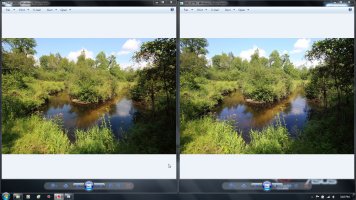
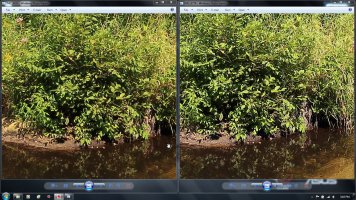
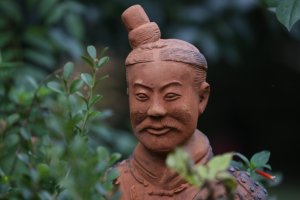
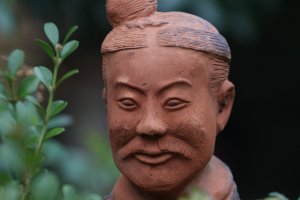
thanks again for the input and the comparison images.
thanks again for the input and the comparison images.
Upvote
0
jefflinde said:thank you for all the advice. i think i will stay put with what i have. i don't think my current skills will use up 10% of my 70D's capabilities and i mainly shoot wildlife and people so the extra reach is a good thing.
thanks again for the input and the comparison images.
What lenses do you have currently? Any lenses you are considering buying? Glad to see that the forum helped you. Welcome to CR!!

Upvote
0
I shoot with both a 60D (soon to be upgraded to a 7D2) and a 6D, with different uses for each camera.
60D: used for birding with a 400mm f/5.6L no-IS, benefiting from the crop factor (more pixels on the bird), although you will hear a lot of argument in the birding community about FF vs crop. However, to get a FF action body is expensive. 60D is also my one camera and one lens (EF-S 15-85mm) general use / travel / "casual" camera. I started shooting more landscapes and especially night landscapes and stars, and the high ISO performance of the 60D was wanting compared with the 6D. There is about two stops difference in the amount of noise: 60D ISO400 (minimal noise) = 6D ISO 1600 (minimal noise), 60D ISO 1600 (significant chrominance noise) = 6D ISO 6400 (significant chrominance noise). This makes a huge difference if you are shooting landscapes with stars, because reducing the chrominance noise in post processing also dampens down the star color (yes, they have many colors). I also wanted to play more with ultrawide angle lenses and do more narrow-depth-of-field shooting, both of which are easier to do on full frame. So that's why I ended up with 2 cameras. As it turned out, I started playing with vintage manual focus lenses on adapters because I had some good film era lenses and I didn't have a lot of full frame-capable modern lenses in normal and short telephoto lengths. My 50ish and 100mm lenses are old AIS manual Nikkors - pretty good optically - I have to pixel peep to see the chromatic aberrations stopped down one stop.
I had been shooting with the 60D for 3 years before I decided I wanted FF for the above reasons. I had accumulated a number of specialty lenses (400 f/5.6, a macro, an ultra-wide, a fast normal lens 35mm f/1.4) in addition to that great utility zoom 15-85. I have had 24" x 36" prints made from the non-cropped 60D files, and they look perfectly fine at 4 to 6 feet away, a normal viewing distance for a print that size. For close viewing, I have printed 60D files at home up to 11" x 14" with fine results. There's no question that the low-light 6D files have more subtlety in color and less noise, but if you shoot in adequate light levels, you can't really see a significant difference at small print size.
For most people, a good tripod and head, some off camera flash, and an additional lens or two would give you more options than spending the same on a FF body.
60D: used for birding with a 400mm f/5.6L no-IS, benefiting from the crop factor (more pixels on the bird), although you will hear a lot of argument in the birding community about FF vs crop. However, to get a FF action body is expensive. 60D is also my one camera and one lens (EF-S 15-85mm) general use / travel / "casual" camera. I started shooting more landscapes and especially night landscapes and stars, and the high ISO performance of the 60D was wanting compared with the 6D. There is about two stops difference in the amount of noise: 60D ISO400 (minimal noise) = 6D ISO 1600 (minimal noise), 60D ISO 1600 (significant chrominance noise) = 6D ISO 6400 (significant chrominance noise). This makes a huge difference if you are shooting landscapes with stars, because reducing the chrominance noise in post processing also dampens down the star color (yes, they have many colors). I also wanted to play more with ultrawide angle lenses and do more narrow-depth-of-field shooting, both of which are easier to do on full frame. So that's why I ended up with 2 cameras. As it turned out, I started playing with vintage manual focus lenses on adapters because I had some good film era lenses and I didn't have a lot of full frame-capable modern lenses in normal and short telephoto lengths. My 50ish and 100mm lenses are old AIS manual Nikkors - pretty good optically - I have to pixel peep to see the chromatic aberrations stopped down one stop.
I had been shooting with the 60D for 3 years before I decided I wanted FF for the above reasons. I had accumulated a number of specialty lenses (400 f/5.6, a macro, an ultra-wide, a fast normal lens 35mm f/1.4) in addition to that great utility zoom 15-85. I have had 24" x 36" prints made from the non-cropped 60D files, and they look perfectly fine at 4 to 6 feet away, a normal viewing distance for a print that size. For close viewing, I have printed 60D files at home up to 11" x 14" with fine results. There's no question that the low-light 6D files have more subtlety in color and less noise, but if you shoot in adequate light levels, you can't really see a significant difference at small print size.
For most people, a good tripod and head, some off camera flash, and an additional lens or two would give you more options than spending the same on a FF body.
Upvote
0
Great post NancyP!
I started back into photography in 2009 with a used 30D from a friend. I soon upgraded to a 40D for a variety of reasons not the least of which was better weather sealing and rear LCD. In fact, I bought four 40D cameras, all used, over the next year or so and sold each of them to good friends that were looking for a great DSLR and trusted my judgement. They all still have and use them. I also purchased a used 5D during that time and used a 40D + 5D combo for quite a while. Eventually I got the 60D new about a year after it was released and kept that until I got the 70D about 6 months ago. I feel like the 70D is a nice improvement over the 60D. I bought the 5D3 (intentionally skipping the 5D2) about 2 years ago and use it most of the time. I bought a 6D a month or two after the 5D3 because the low light AF on the 5D3 was lacking but was eventually improved with a firmware update.
As of now, I have sold the 6D, 60D and the 70D due to a cheap 7D2 upgrade opportunity. But I miss a few features the 70D had like WiFi, Remote Shooting, flip screen, etc. It's a great all purpose camera. I also miss having two FF bodies when shooting important events because having a 24-70 and 70-200 dual body combo is very effective for that purpose. Mixing FF and Crop can be a bit frustrating due to FL overlap and the crop body being too long indoors, etc. So I'm considering getting another 6D at some point. (Or simply keep the one I'm trying to sell that I got for such a low price on Black Friday.)
I started back into photography in 2009 with a used 30D from a friend. I soon upgraded to a 40D for a variety of reasons not the least of which was better weather sealing and rear LCD. In fact, I bought four 40D cameras, all used, over the next year or so and sold each of them to good friends that were looking for a great DSLR and trusted my judgement. They all still have and use them. I also purchased a used 5D during that time and used a 40D + 5D combo for quite a while. Eventually I got the 60D new about a year after it was released and kept that until I got the 70D about 6 months ago. I feel like the 70D is a nice improvement over the 60D. I bought the 5D3 (intentionally skipping the 5D2) about 2 years ago and use it most of the time. I bought a 6D a month or two after the 5D3 because the low light AF on the 5D3 was lacking but was eventually improved with a firmware update.
As of now, I have sold the 6D, 60D and the 70D due to a cheap 7D2 upgrade opportunity. But I miss a few features the 70D had like WiFi, Remote Shooting, flip screen, etc. It's a great all purpose camera. I also miss having two FF bodies when shooting important events because having a 24-70 and 70-200 dual body combo is very effective for that purpose. Mixing FF and Crop can be a bit frustrating due to FL overlap and the crop body being too long indoors, etc. So I'm considering getting another 6D at some point. (Or simply keep the one I'm trying to sell that I got for such a low price on Black Friday.)
Upvote
0

I could not see on your profile what lens or lenses you have, but others have clearly pointed out what you likely need next are more or better lenses. I have two crop bodies and two full fame. They all take excellent pictures, including the 10 and 12 megapixel older models. I can think of a portrait taken with my 70-200mm f/2.8 IS II and the 40D where you can count each eyebrow hair, or a very detailed shot of a prong horned antelope take with a 300mm f/4 IS and a 5D classic. It really comes down to flexibility and the right combination of hardware for a job or a trip. For a trip to Easter Island and Machu Picchu I took a 6d FF with 24-105mm, and a 60D with 70-200mm f/4 IS. That covered relatively wide angle with the FF and reasonable telephoto with the crop body. I could have coped with the 60D and the fine 15-85mm IS lens, if I had been willing to be 1000s of miles from home with only one body and one lens.
For whatever reason, I have better luck with BIF with my 6D and 400mm f/5.6 than with my 60D body. For a trip to Alaska this year I will take two FF, one crop and three or four lenses. If at some point you want to add a FF body, don't rule out buying used. Over half my equipment was purchases use, and everything has been wonderful except for one inexpensive zoom.
For whatever reason, I have better luck with BIF with my 6D and 400mm f/5.6 than with my 60D body. For a trip to Alaska this year I will take two FF, one crop and three or four lenses. If at some point you want to add a FF body, don't rule out buying used. Over half my equipment was purchases use, and everything has been wonderful except for one inexpensive zoom.
Upvote
0

It all depends upon what you are doing. I shoot for magazine output, not large prints. For magazine use the is NO difference between M4/3, Canon APS-C and Full Frame. BTW I shoot FF with a 90mm f/2.8 TS-E in the studio, and xxD with either an EF-S 10-22mm or a EF 85mm F/1.8 for outside or personal work.
Magazines are printed at about 150 DPI. Advertising is submitted as 300 DPI PDF files. Standard magazine size is 8 3⁄8” x 10 7⁄8” scanned at 300 = 2513 x 3263 DPI. A 16 Megapixel M4/3 Olympus E-M1 is 4608 x 3456 pixels. A Canon 70D (5472 x 3648 pixels) would be overkill for what I do, YMMV.
For working outside the studio, I prefer looking like an average tourist. Pro bodied cameras with big zoom lenses attract attention from everyone, including the police. For me a crop mirrorless, with a prime lens, would be perfect (Canon are you listening?).
Magazines are printed at about 150 DPI. Advertising is submitted as 300 DPI PDF files. Standard magazine size is 8 3⁄8” x 10 7⁄8” scanned at 300 = 2513 x 3263 DPI. A 16 Megapixel M4/3 Olympus E-M1 is 4608 x 3456 pixels. A Canon 70D (5472 x 3648 pixels) would be overkill for what I do, YMMV.
For working outside the studio, I prefer looking like an average tourist. Pro bodied cameras with big zoom lenses attract attention from everyone, including the police. For me a crop mirrorless, with a prime lens, would be perfect (Canon are you listening?).
Upvote
0
c.d.embrey said:It all depends upon what you are doing. I shoot for magazine output, not large prints. For magazine use the is NO difference between M4/3, Canon APS-C and Full Frame.
Magazines are printed at about 150 DPI. Advertising is submitted as 300 DPI PDF files. Standard magazine size is 8 3⁄8” x 10 7⁄8” scanned at 300 = 2513 x 3263 DPI. A 16 Megapixel M4/3 Olympus E-M1 is 4608 x 3456 pixels. A Canon 70D (5472 x 3648 pixels) would be overkill for what I do, YMMV.
For working outside the studio, I prefer looking like an average tourist. Pro bodied cameras with big zoom lenses attract attention from everyone, including the police. For me a crop mirrorless, with a prime lens, would be perfect (Canon are you listening?).
You mean EOS M with a 22mm 2.0? (35/f3.2)
Upvote
0
mangobutter said:For working outside the studio, I prefer looking like an average tourist. Pro bodied cameras with big zoom lenses attract attention from everyone, including the police. For me a crop mirrorless, with a prime lens, would be perfect (Canon are you listening?).
You mean EOS M with a 22mm 2.0? (35/f3.2)
NO, I was thinking of a Pro camera, Something like a Fuji X-Ti (EVF, decent grip size, etc), with a nonexistent 10mm f/1.8 or maybe a nonexistent 17.5 f/1.8.
BTW f/2.0 is ALWAYS f/2.0, if I were to use f/3.2 the exposure would be wrong ???
Upvote
0


