Headed to Hawaii -- let's talk gear / locations

ahsanford

Particular Member
Aug 16, 2012
8,656
1,664
57,701
Looks like I'm off to Hawaii before too long. It's looking like I'll only be on Oahu for the trip.

I was planning on taking a couple days to shoot the area. Besides the obvious landscape opportunity, I will be doing some hiking as well. Landscape work will be the kitchen-sink approach with tripod, filters, etc., but the hiking will just be the body and a standard zoom.

I'm generally not a landscape shooter (and when I do I'm certainly not a serious landscaper), though I have slowly started acquiring the tools to do that job.

I am planning on bringing the following:

  • 5D3
  • 24-70 F/4 IS + hood
  • 70-200 F/2.8 IS II + hood + tripod collar
  • Tripod / Ball head / mounting plate / shutter release
  • Lens filters -- UV and CPL
  • Lee filter kit + ND grads + Big Stopper (I almost never use these filters, but this got to be the perfect place for them, right?)
  • 'Photo trip stuff' -- air blower, cleaning kit, filter wrenches, etc.
  • Batteries / charger / backup cards / yadda yadda

I was not planning on bringing the following:

  • My standard primes (28 2.8 IS, 40 2.8, 50 1.4, 100L macro) -- I'm not shooting street and this is tourism central, so I see little need for discreet walkaround gear. It's Hawaii, right?
  • Flash -- I usually take natural light with landscapes and don't try to fill the foreground (...but I could, I guess. I'm trying to not take up too much bag space with the unnecessaries.)

All that said, my questions are as follows:

1) Did I make the right calls on what to bring / not bring? What would you do differently?

2) Do I need an ultrawide lens, specifically a filter-able ultrawide lens, say the 16-35 II or a Zeiss 18? I could certainly rent one of those.

3) What great Oahu locations do you recommend for the tripod setup? What about for hiking?


As always, I appreciate this forum's great advice.

- A
 
I'd say your kit is pretty decent. Very similar to what I take when I head out and yes you can get some really nice stuff with the big stopper.
With my 5DMKIII I usually also take my 17-40 F4 L and find I use it a lot for landscapes and seascapes. I also take the 24-105mm and I use that most of the time. But I like the little extra from the 17.

If you are going Whale watching you may want a 1.4X for the 70-200. You never know how far or close the whales will show up.

The 50 mm might be good of you are going into things like the Missouri etc.

I usually get to Kauai 2 to 3 times a year and always take the 50 mm just in case but I think I have used it once. Last trip I left it at home to tale my Tamron 28-75 mm F 2.8 for some night sky pictures though. Haven't been to Oahu in ages so I can't help with too many locations. Lots of sunrise and sunset opportunities around the island.

You should be good with the gear that you have in any case. You may not need anything wider but I do like my 17-40. I can put my Lee stuff on that as well. I usually have too much stuff with me because I never know what I am going to shoot. Last trip I brought my 8-15mm F4 Fish and my Pano head and shot a lot of 360 panoramas.

I do have a couple of bags I carry. My Think Tank Airport Airstream for flying and a LowePro Flipside Sport packed in luggage for day tripping.


Stephen
Calgary,AB
 
Upvote 0
For surf and whales you would want as much focal length as possible. I would add at least a 2xIII extender. I was there during Easter last year and I used my 35/1.4 a lot for evening/night shots. Your 24-70 is f4, so a faster prime would come in handy.
 
Upvote 0
Yeah, I usually don't go with big bags as my vacations are never dedicated to photography -- I need to put more in my carry-on bags than gear. But I'll make an exception with such a picturesque destination and bring a lot of gear.

I have a 22L+ Kiboko bag from GuraGear that perfectly slides under the seat and will comfortably hold all of the gear I listed. I don't own much more than what I listed, so that bag is actually holds 90% of my stuff at home as a makeshift gear locker (sitting on a table).

Great, great bag, btw. Love it.

- A
 
Upvote 0
Eldar said:
For surf and whales you would want as much focal length as possible. I would add at least a 2xIII extender. I was there during Easter last year and I used my 35/1.4 a lot for evening/night shots. Your 24-70 is f4, so a faster prime would come in handy.

Sure. If I am bringing my Kiboko then there will be plenty of room for the 28 F/2.8 IS (super handholdable low-light tool, strongly preferred over my trusty 50 F/1.4), and the 2x T/C for the 70-200 is a great call.

- A
 
Upvote 0
ahsanford said:
All that said, my questions are as follows:

1) Did I make the right calls on what to bring / not bring? What would you do differently?

2) Do I need an ultrawide lens, specifically a filter-able ultrawide lens, say the 16-35 II or a Zeiss 18? I could certainly rent one of those.

3) What great Oahu locations do you recommend for the tripod setup? What about for hiking?


As always, I appreciate this forum's great advice.

- A

[list type=decimal]
[*]Consider bringing a filter wrench and sensor cleaning swabs for safe measure. There have been many times that I've gotten a filter stuck on a lens. I have the Cokin Z-pro filter system and I'm pretty sure it's similar to the Lee filter 4x4 and 4x6 systems. Make sure your filters are absolutely clean because long exposures facing the sun will definitely reveal imperfections in the filter.
[*]An ultrawide lens would be nice, but be sure it meets the spec of your filter system. My Cokin setup doesn't work well with lenses wider than 20mm as vignetting becomes quite severe when I begin stacking 2-3 filters.
[*]Oahu is amazing. If you're up for it, try photographing sunrise and sunsets. Try looking up hikes along North Shore and Windward Coast.[/list]

Tip: Look up the temperature, humidity, and dew point each day you're in Hawaii. Be careful when switching out lenses when you're below the dew point and the humidity is above 90% as you can easily introduce moisture into your camera. I.E. Changing lenses inside an air conditioned hotel (usually below dew point) and walking out onto the beach (usually high humidity and above dew point) will sometimes result in fogging up your lens from the inside of your camera.
[/list]
 
Upvote 0
  • David_in_Seattle said:
    ahsanford said:
    All that said, my questions are as follows:

    1) Did I make the right calls on what to bring / not bring? What would you do differently?

    2) Do I need an ultrawide lens, specifically a filter-able ultrawide lens, say the 16-35 II or a Zeiss 18? I could certainly rent one of those.

    3) What great Oahu locations do you recommend for the tripod setup? What about for hiking?


    As always, I appreciate this forum's great advice.

    - A
    [list type=decimal]
    [*]Consider bringing a filter wrench and sensor cleaning swabs for safe measure. There have been many times that I've gotten a filter stuck on a lens. I have the Cokin Z-pro filter system and I'm pretty sure it's similar to the Lee filter 4x4 and 4x6 systems. Make sure your filters are absolutely clean because long exposures facing the sun will definitely reveal imperfections in the filter.
    [*]An ultrawide lens would be nice, but be sure it meets the spec of your filter system. My Cokin setup doesn't work well with lenses wider than 20mm as vignetting becomes quite severe when I begin stacking 2-3 filters.
    [*]Oahu is amazing. If you're up for it, try photographing sunrise and sunsets. Try looking up hikes along North Shore and Windward Coast.
David_in_Seattle said:
Tip: Look up the temperature, humidity, and dew point each day you're in Hawaii. Be careful when switching out lenses when you're below the dew point and the humidity is above 90% as you can easily introduce moisture into your camera. I.E. Changing lenses inside an air conditioned hotel (usually below dew point) and walking out onto the beach (usually high humidity and above dew point) will sometimes result in fogging up your lens from the inside of your camera.
[/list]

Great advice!

I've been scouting WA lenses that are front-filterable (without having to buy lots of additional doo-dads), and the LensRental guy I've been talking with has recommended the Zeiss 21mm. It's much sharper than my 24-70 F/4, but it's only 3mm wider and with a prime, I can't move my feet in some shoreline positions. I wonder if the 16-35 II is the safer bet for a rental. Any thoughts there?

- A
 
Upvote 0
  • David_in_Seattle said:
    [list type=decimal]
    [*]Consider bringing a filter wrench and sensor cleaning swabs for safe measure. There have been many times that I've gotten a filter stuck on a lens. I have the Cokin Z-pro filter system and I'm pretty sure it's similar to the Lee filter 4x4 and 4x6 systems. Make sure your filters are absolutely clean because long exposures facing the sun will definitely reveal imperfections in the filter.
    [*]An ultrawide lens would be nice, but be sure it meets the spec of your filter system. My Cokin setup doesn't work well with lenses wider than 20mm as vignetting becomes quite severe when I begin stacking 2-3 filters.
    [*]Oahu is amazing. If you're up for it, try photographing sunrise and sunsets. Try looking up hikes along North Shore and Windward Coast.
David_in_Seattle said:
Tip: Look up the temperature, humidity, and dew point each day you're in Hawaii. Be careful when switching out lenses when you're below the dew point and the humidity is above 90% as you can easily introduce moisture into your camera. I.E. Changing lenses inside an air conditioned hotel (usually below dew point) and walking out onto the beach (usually high humidity and above dew point) will sometimes result in fogging up your lens from the inside of your camera.
[/list]


Yep. Filter wrenches are already on the list.

The Lee system won't vignette with UW lenses if I get the right adaptor ring (they have a low-profile one for lenses under 24mm on FF). I will likely have to pick up an 82mm ring depending on my rental choice, however, as I only own a 77mm right now.

Great feedback on the humidity -- that happened to me in Puerto Rico once. And that A/C hotel room situation is 100% going to happen again. What's a best practice there? Let the camera come up to temp before changing lenses? Is there any need for ziplocks and desiccant packs when bringing my gear back into the hotel room?

- A
 
Upvote 0
ahsanford said:
  • David_in_Seattle said:
    [list type=decimal]
    [*]Consider bringing a filter wrench and sensor cleaning swabs for safe measure. There have been many times that I've gotten a filter stuck on a lens. I have the Cokin Z-pro filter system and I'm pretty sure it's similar to the Lee filter 4x4 and 4x6 systems. Make sure your filters are absolutely clean because long exposures facing the sun will definitely reveal imperfections in the filter.
    [*]An ultrawide lens would be nice, but be sure it meets the spec of your filter system. My Cokin setup doesn't work well with lenses wider than 20mm as vignetting becomes quite severe when I begin stacking 2-3 filters.
    [*]Oahu is amazing. If you're up for it, try photographing sunrise and sunsets. Try looking up hikes along North Shore and Windward Coast.
David_in_Seattle said:
Tip: Look up the temperature, humidity, and dew point each day you're in Hawaii. Be careful when switching out lenses when you're below the dew point and the humidity is above 90% as you can easily introduce moisture into your camera. I.E. Changing lenses inside an air conditioned hotel (usually below dew point) and walking out onto the beach (usually high humidity and above dew point) will sometimes result in fogging up your lens from the inside of your camera.
[/list]


Yep. Filter wrenches are already on the list.

The Lee system won't vignette with UW lenses if I get the right adaptor ring (they have a low-profile one for lenses under 24mm on FF). I will likely have to pick up an 82mm ring depending on my rental choice, however, as I only own a 77mm right now.

Great feedback on the humidity -- that happened to me in Puerto Rico once. And that A/C hotel room situation is 100% going to happen again. What's a best practice there? Let the camera come up to temp before changing lenses? Is there any need for ziplocks and desiccant packs when bringing my gear back into the hotel room?

- A

I also use LensRentals, they've been really helpful on delivering gear to me on time for tight deadlines. I've never worked with the Zeiss lenses they recommended, but I do know their optics are quite good…though you'd have to rely on manual focusing (which to me isn't a big deal). I have a 16-35 II and though it isn't the sharpest lens within the focal range, it is still quite sharp when stopped down to f 8.0 or smaller - which is what I assume you'd be shooting at since it's landscape photography. But since that's the case, the 17-40 is just as sharp at f 8.0 but lacks a tad bit contrast. In the end it'd be a much lighter and cheaper lens to rent. The 16-35 uses an 82mm filter while the 17-40 uses a 77mm filter.

As for the humidity/dew point issue with changing lenses:

As long as you're changing lenses above the dew point and in low humidity you should be fine. I just looked up Oahu's current weather and the dew point is at 61 degrees F, humidity 69% and current temp of 74 degrees F.

In this scenario, keep the hotel room temperature above 65 Degrees while keeping the windows closed to shut out the humidity from outside. You can change lenses and clean your camera anytime under these conditions.

If you're outside and need to change lenses you shouldn't have a problem. Just change lenses facing away from the coast to avoid sea spray from getting into your camera. Past sunset the temperature might drop below the dew point, in this case I'd avoid changing lenses until you can be in an area that's above that temperature - like inside a car or restaurant.

I never consider bringing a ziplock bag or desiccant pack UNLESS you're gonna do any camping or if it rains.
 
Upvote 0
ahsanford said:
Great feedback on the humidity -- that happened to me in Puerto Rico once. And that A/C hotel room situation is 100% going to happen again. What's a best practice there? Let the camera come up to temp before changing lenses? Is there any need for ziplocks and desiccant packs when bringing my gear back into the hotel room?

- A
Hot air is capable of holding much more humidity than cold air. Relative humidity is a way of expressing how near the air is to its moisture holding limits. 100% RH is where you start getting moisture deposited on everything (dew point). However, seal that air in a bag and heat it up, while the water content is obviously identical, it'll drop below 100% RH. Dew point is a way of expressing at what temperature the humidity of the air will hit 100% RH - in the tropics, it could be 32'C, yet dew point could be as high as 29'C. Colder temperate climates preclude such high dew points, but the more dramatic change in temperature each day can result in dew point being reached as the temperature drops overnight.

A cold object in a hot humid environment is a no-no. Think of a cold beer straight from the fridge in the tropics - almost straight away you'll get moisture all over it. This is simply because the air on the surface of the bottle has cooled down below the dew point, and the moisture from the air covers it, often running down the bottle to form a puddle. A camera stored in a heavily air conditioned hotel room is much like a beer stored in the fridge. Big, heavy surfaces (metal and glass) which have a high thermal conductivity (unlike plastic), but due to their mass they retain temperature for some time. This spells disaster when taking your camera out of the fridge (hotel room). The best bet is to utilise the drier air of the hotel room to form protection while it warms up - put it in a sealed plastic bag before leaving and let the heat soak into it in the dry air. When it's up to temperature, take it out of the bag.

The other way around, whatever you do, don't use a bag. A hot object in cold dry air has no potential to invoke dew point, so leaving it out of a bag is perfect. However, cool down hot humid air, and like a cold winters morning in a temperate climate, it'll deposit its moisture over every surface it can reach. So, don't put the camera in a sealed bag when you walk into your cold hotel room!

My last trip to the tropics involved a long stay in a house without any aircon. No moisture issues with my gear at all, but there were rather severe heat build up issues with me :-\
 
Upvote 0
rs said:
ahsanford said:
Great feedback on the humidity -- that happened to me in Puerto Rico once. And that A/C hotel room situation is 100% going to happen again. What's a best practice there? Let the camera come up to temp before changing lenses? Is there any need for ziplocks and desiccant packs when bringing my gear back into the hotel room?

- A
Hot air is capable of holding much more humidity than cold air. Relative humidity is a way of expressing how near the air is to its moisture holding limits. 100% RH is where you start getting moisture deposited on everything (dew point). However, seal that air in a bag and heat it up, while the water content is obviously identical, it'll drop below 100% RH. Dew point is a way of expressing at what temperature the humidity of the air will hit 100% RH - in the tropics, it could be 32'C, yet dew point could be as high as 29'C. Colder temperate climates preclude such high dew points, but the more dramatic change in temperature each day can result in dew point being reached as the temperature drops overnight.

A cold object in a hot humid environment is a no-no. Think of a cold beer straight from the fridge in the tropics - almost straight away you'll get moisture all over it. This is simply because the air on the surface of the bottle has cooled down below the dew point, and the moisture from the air covers it, often running down the bottle to form a puddle. A camera stored in a heavily air conditioned hotel room is much like a beer stored in the fridge. Big, heavy surfaces (metal and glass) which have a high thermal conductivity (unlike plastic), but due to their mass they retain temperature for some time. This spells disaster when taking your camera out of the fridge (hotel room). The best bet is to utilise the drier air of the hotel room to form protection while it warms up - put it in a sealed plastic bag before leaving and let the heat soak into it in the dry air. When it's up to temperature, take it out of the bag.

The other way around, whatever you do, don't use a bag. A hot object in cold dry air has no potential to invoke dew point, so leaving it out of a bag is perfect. However, cool down hot humid air, and like a cold winters morning in a temperate climate, it'll deposit its moisture over every surface it can reach. So, don't put the camera in a sealed bag when you walk into your cold hotel room!

My last trip to the tropics involved a long stay in a house without any aircon. No moisture issues with my gear at all, but there were rather severe heat build up issues with me :-\


Super helpful, thanks. The beer analogy will serve me well in the future with this. Great advice.
 
Upvote 0
Ahsandord,
I like what you plan to bring to the Hawaii excursion.
I went to HongKong and Hanoi with pretty much the same setup, the 24-70 was the f/2.8-2.
With travel luggage weight restriction so terrible these days, your package is nearly 7 kG.

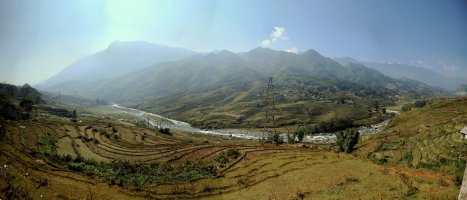
I would kind of stay away from an UWA. Less to carry. ( I did bring my new 14 mm Rokinon which i barely used, too much to switch lenses all the time). i took a pano, hand held, may be 9-10 frames and PS stitch them together. As attacked. One tip, shoot a few more up and down at the corners so when the pano is stitched together, the corners wouldn't "bowl" away, limiting your photos.

Above all, enjoy your trip. I know a lot of people would like to go there, too.


ahsanford said:
Looks like I'm off to Hawaii before too long. It's looking like I'll only be on Oahu for the trip.

I am planning on bringing the following:

  • 5D3
  • 24-70 F/4 IS + hood
  • 70-200 F/2.8 IS II + hood + tripod collar
  • Tripod / Ball head / mounting plate / shutter release
  • Lens filters -- UV and CPL
  • Lee filter kit + ND grads + Big Stopper (I almost never use these filters, but this got to be the perfect place for them, right?)
  • 'Photo trip stuff' -- air blower, cleaning kit, filter wrenches, etc.
  • Batteries / charger / backup cards / yadda yadda
 

Attachments

  • image.jpg
    image.jpg
    736.6 KB · Views: 810
Upvote 0
lion rock said:
Ahsandord,
I like what you plan to bring to the Hawaii excursion.
I went to HongKong and Hanoi with pretty much the same setup, the 24-70 was the f/2.8-2.
With travel luggage weight restriction so terrible these days, your package is nearly 7 kG.

I would kind of stay away from an UWA. Less to carry. ( I did bring my new 14 mm Rokinon which i barely used, too much to switch lenses all the time). i took a pano, hand held, may be 9-10 frames and PS stitch them together. As attacked. One tip, shoot a few more up and down at the corners so when the pano is stitched together, the corners wouldn't "bowl" away, limiting your photos.

Above all, enjoy your trip. I know a lot of people would like to go there, too.


ahsanford said:
Looks like I'm off to Hawaii before too long. It's looking like I'll only be on Oahu for the trip.

I am planning on bringing the following:

  • 5D3
  • 24-70 F/4 IS + hood
  • 70-200 F/2.8 IS II + hood + tripod collar
  • Tripod / Ball head / mounting plate / shutter release
  • Lens filters -- UV and CPL
  • Lee filter kit + ND grads + Big Stopper (I almost never use these filters, but this got to be the perfect place for them, right?)
  • 'Photo trip stuff' -- air blower, cleaning kit, filter wrenches, etc.
  • Batteries / charger / backup cards / yadda yadda

Good advice -- nice shot.

Yes, when I shoot panos, I stick to the golden rules of (a)shooting in manual, (b) shooting in RAW and (c) taking all pictures vertically to get more 'above' and 'below' space around the main subject view that can later be discarded after photomerging.

- A
 
Upvote 0
I don't know too much about Oahu having only spent a little time there, but you would find some great scenes at the North Shore and all along the drive on the East side of the island. Sunsets are always nice on Oahu.

When driving with the air con on in the car I left my pack and gear in the trunk so as not to introduce moisture coming/going in/out of the car.

If you make it here to the Big Island.....tons of options!
 
Upvote 0
Ron Bailey said:
I don't know too much about Oahu having only spent a little time there, but you would find some great scenes at the North Shore and all along the drive on the East side of the island. Sunsets are always nice on Oahu.

When driving with the air con on in the car I left my pack and gear in the trunk so as not to introduce moisture coming/going in/out of the car.

If you make it here to the Big Island.....tons of options!


Yeah, it seems like the Big Island is the scenery smorgasbord of legend. I really want to shoot lava flows near the water, but that means packing up our stuff and joining all the tourists. My gf would rather avoid crowds and fall off the grid, so we may just stick to the less-traveled parts of Oahu and take what's there.

Good advice on leaving the gear at temperature.

- A
 
Upvote 0
not sure if it was mentioned, but there is Hawaii Lens Rental in honolulu. i rented the 17mm-tse a few years ago from them and had a great time with it.

youre going to find awesome stuff to take pictures of no matter which direction you go. just get out of honolulu if you can. as cities go, it's not bad - but it's just another city. the rainforest in the center of the island is really pretty and has clouds when the rest of the island doesn't.
 
Upvote 0
FF + 24-70 w/ CP filter + 35 or 50 prime for night time.

Back in 2007, my wife and I went there for honeymoon. At that time, I thought $99 Canon P&S was good enough :-\

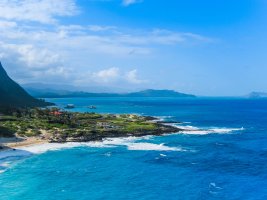
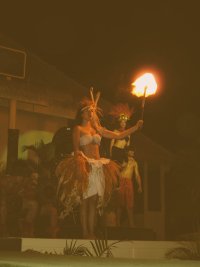
Here are my pictures from $99 Canon P&S
 

Attachments

  • IMG_0171.jpg
    IMG_0171.jpg
    712.9 KB · Views: 725
  • IMG_0370-2.jpg
    IMG_0370-2.jpg
    346.1 KB · Views: 728
Upvote 0
I live on Oahu and there are some nice places to shoot. On the South shore there are places like Black Point, Diamond Head (both the beach area and the hike up to the crater), Tantalus Drive (for night time city shots),
Pali Lookout, Lyon Arboretum and such. On the East side there is Makapuu Point like Dylan's pic (nice morning hike), Bamboo Ridge (area near the Blow Hole), Sandy Beach, Kaneohe Bay, Koko Head and Crouching Lions Inn have nice hikes. North shore for surfing and a nice hike to Kaena point. Id probably stay away from the West side as its pretty heavy for rental car break ins.

You're setup is plenty fine. A fast prime might be nice if you wanna do some street shots in Waikiki and I usually use a .9 grad for sunrise/sunset.

Enjoy your trip and message me if you want any more spots to shoot.
 
Upvote 0
Kayo said:
I live on Oahu and there are some nice places to shoot. On the South shore there are places like Black Point, Diamond Head (both the beach area and the hike up to the crater), Tantalus Drive (for night time city shots),
Pali Lookout, Lyon Arboretum and such. On the East side there is Makapuu Point like Dylan's pic (nice morning hike), Bamboo Ridge (area near the Blow Hole), Sandy Beach, Kaneohe Bay, Koko Head and Crouching Lions Inn have nice hikes. North shore for surfing and a nice hike to Kaena point. Id probably stay away from the West side as its pretty heavy for rental car break ins.

You're setup is plenty fine. A fast prime might be nice if you wanna do some street shots in Waikiki and I usually use a .9 grad for sunrise/sunset.

Enjoy your trip and message me if you want any more spots to shoot.

Great spots Kayo :)

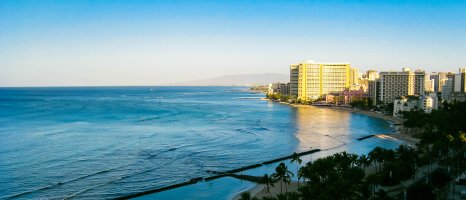
1st photo: from our hotel room, look down Waikiki in the morning. I wish I had FF + 24-70 on that trip :'(
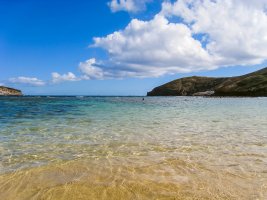
2nd photo: Snorkeling in Oahu. Couldn't recall the name of that place at this moment????
 

Attachments

  • IMG_0025-2.jpg
    IMG_0025-2.jpg
    414.5 KB · Views: 628
  • IMG_0066-2.jpg
    IMG_0066-2.jpg
    841.8 KB · Views: 657
Upvote 0