Alan said:The point of using a tilt-shift lens for panos is its straightforward shift capability. Otherwise, you might as well use a regular lens + pan head and just move the body in the arca swiss style clamp the opposite amount of shift.privatebydesign said:What a ridiculous thing.
First, it is very easy to shift stitch without parallax, (though the occasions it is an issue are minute) just move the body in the arca swiss style clamp the opposite amount of shift, done. Note, the amount of parallax shown in this illustration is not from this setup, they had to use a field camera setup to create the problem to solve. http://www.outbackphoto.com/workflow/wf_58/essay.html
How? Easy: just tilt and shift your camera just like Schneider Kreuznach:privatebydesign said:But more importantly, how in the hell are you supposed to get accurate tilt and swing movements with the lens clamped to the tripod?
That has to be the stupidest way to spend money on an already expensive lens, ever, Canon go to the trouble of building a tilt shift lens and you spend money converting it to a shift only lens!
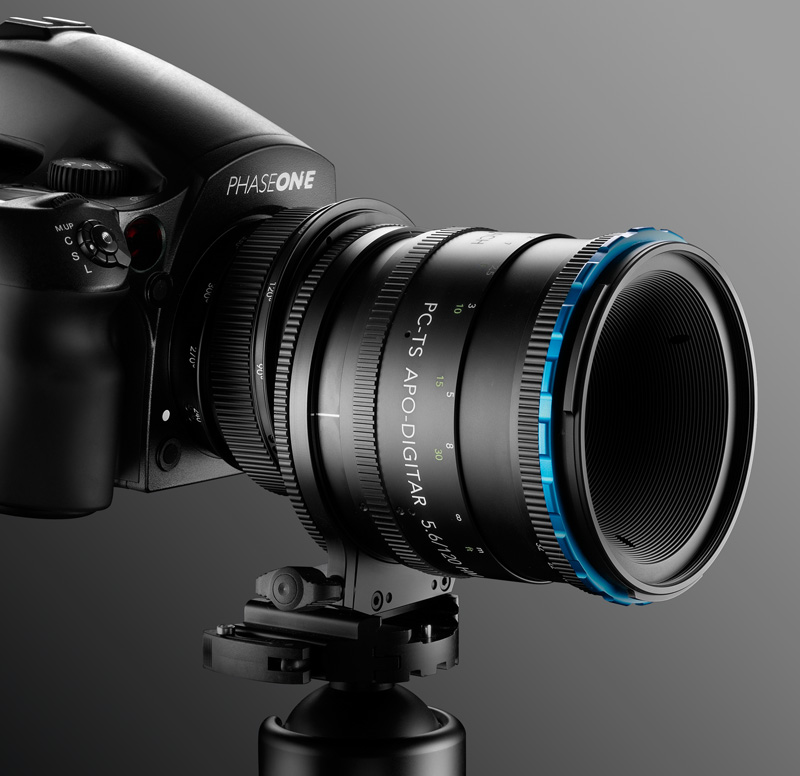
Alan,
Buy the sounds of your reply you have never actually done any of this.
First, show me an image taken with the 17 TS-E that was ruined by parallax due to shift stitching the lens and not the body, I have thousands of interiors where there are things close and far from the camera and none do, it can be done, but the vast majority of the time it just isn't an issue.
Second, even when it is an issue using the technique I linked to above 100% works, if you can't see that shifting the camera in a clamp accurately emulates a bigger sensor, in exactly the same way as holding the lens and shifting the camera, then we are on different pages, it is exactly the same technique just done in a different way. Mine costs nothing and does not negatively impact lens functionality, unlike the Zoerk "solution". To be sure, both techniques are totally different to rotating the camera with a regular lens and pano head, the "traditional" way panos are created.
Third, my serious question was "how in the hell are you supposed to get accurate tilt and swing movements with the lens clamped to the tripod?" I am asking specifically about tilt and swing, not shift. If you don't know or understand the difference between front tilt/swing and rear tilt/swing I suggest you go read a field camera book, if you want control of your plane of focus without inducing perspective distortions then front tilt/swing is critical. To be able to do that with one of these lens clamps you would need a very nicely geared head, something along the Arca Cube line, certainly the Schneider Kreuznach illustration you posted with a ball head is a farce. Lets not forget, one of the biggest issues with the Canon TS-E lenses is the tilt/swing gearing, fractions of a degree make big differences, especially with a 17mm. To clarify, using front tilt/swing has no effect on perspective, using rear tilt/swing does, they are fundamentally different movements and the expensive lens clamps limit your accurate use of the far more useful front tilt/swing.
Fourth, the 17 TS-E is very unusual in the tilt shift arena (along with the 24 though it is not as extreme) it is a retrofocus tilt shift, this has a huge, and counter intuative, impact on body alignment when using extreme tilt and swing.
Upvote
0