
You are using an out of date browser. It may not display this or other websites correctly.
You should upgrade or use an alternative browser.
You should upgrade or use an alternative browser.
Photography Ethics question. Again.
- Thread starter sanj
- Start date

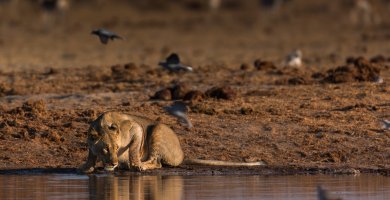
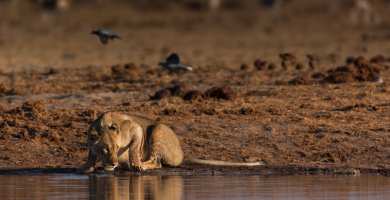


The ethics comes in if you plan to enter a contest or submit a photo for publication where you would likely be have the photos rejected or be banned for life.
You can print your own and sell them and its perfectly fine, its just that those first examples have strict rules as to what you can do.
I think that mentioning the PP when posting online is a good thing to do.
You can print your own and sell them and its perfectly fine, its just that those first examples have strict rules as to what you can do.
I think that mentioning the PP when posting online is a good thing to do.
Upvote
0
it "can be" ethical or unethical depending mostly on your intended use of the photo.
If you are making a print for your wall for your own use, you may manipulate as much as you wish.
If you are submitting it to USA TODAY as a journalist the same image is completely unethical.
It is also unethical to submit it to most contests, if the rules stipulate no manipulation.
You likely removed objects that you found distracting, or were trying to improve the composition right?
Good intentions, just not fair to do it in some uses.
It's a very nice photo by the way.
If you are making a print for your wall for your own use, you may manipulate as much as you wish.
If you are submitting it to USA TODAY as a journalist the same image is completely unethical.
It is also unethical to submit it to most contests, if the rules stipulate no manipulation.
You likely removed objects that you found distracting, or were trying to improve the composition right?
Good intentions, just not fair to do it in some uses.
It's a very nice photo by the way.
Upvote
0
canonistic said:it "can be" ethical or unethical depending mostly on your intended use of the photo.
If you are making a print for your wall for your own use, you may manipulate as much as you wish.
If you are submitting it to USA TODAY as a journalist the same image is completely unethical.
It is also unethical to submit it to most contests, if the rules stipulate no manipulation.
You likely removed objects that you found distracting, or were trying to improve the composition right?
Good intentions, just not fair to do it in some uses.
It's a very nice photo by the way.
I agree. On several occasions I've been clear that I support disclosure if modifications are done to a photo for sale. In this case I'd note that the birds are not an important subject of the photo, and pretty unimportant to the veracity of the photo as a whole. I agree that for contests you should not do this; however, it would not be unethical to sell this photo with birds removed: it's not a lot different from removing dust. If you add aesthetic content to the photo you should disclose the fact, e.g. if you had cloned in more birds.
Upvote
0

This is a question of when does art meet sport and historian?
DIYPhotography.net recently ran a story of a photographer who splashed colored milk on models to achieve the look of super heroes. But, this can't be done in one take. So he splashed one color on part of the model's body at a time, then combined the images in post to achieve the image he wanted. Each and every element of the image was captured by a camera and not "painted" on through software. This is one example of photography as an artist's medium.
Then there's the sport of photography which can be found in contests that seek to reward images as captured. Post processing is typically limited to exposure and color correction -- they type of stuff that would have been done in a color lab with a color negative. The sport is being at the right time, at the right place, with the right gear, using the right settings, exhibiting the right timing, and framing the right composition.
Finally, there's historian where the photo is intended to record an instant in time for historical record. Journalism is an obvious example.
Personally, I enjoy sports photography because a good shot -- a really good shot -- has all three elements. It may record a bases loaded, game winning catch that happens to explore the limits of an outfielder's athletic skills while perfectly framing the moment against the backdrop of fans anticipating thrill of victory -- or the agony of defeat within the next split second. Sport is not only the subject, but there's sport in trying to capture this moment and in doing so with the artistry of exposure and composition.
So, it ultimately depends upon how you present the image.
Nonetheless, some images may scream "artistic license" (like the super hero milk shoot) while others may imply a journalistic accounting of historical record. The OP's shot is similar to many that we've seen in National Geographic (kudos' for a nice shot, indeed), so it's natural to expect it to be unedited. But, the editing falls into the cleanup category and doesn't alter the essence of the captured moment.
I think the OP has improved the image, but is wise to acknowledge that minor cleanup has been done in post if presenting this image in public. Such disclaimer will help prevent any questions should the OP capture a prize winning photo to be entered into a contest or sold to a publication.
I'll throw out another question. When taking a group photo, such as a baseball team or a school group for a yearbook, is it appropriate to photoshop missing members into the final image?
DIYPhotography.net recently ran a story of a photographer who splashed colored milk on models to achieve the look of super heroes. But, this can't be done in one take. So he splashed one color on part of the model's body at a time, then combined the images in post to achieve the image he wanted. Each and every element of the image was captured by a camera and not "painted" on through software. This is one example of photography as an artist's medium.
Then there's the sport of photography which can be found in contests that seek to reward images as captured. Post processing is typically limited to exposure and color correction -- they type of stuff that would have been done in a color lab with a color negative. The sport is being at the right time, at the right place, with the right gear, using the right settings, exhibiting the right timing, and framing the right composition.
Finally, there's historian where the photo is intended to record an instant in time for historical record. Journalism is an obvious example.
Personally, I enjoy sports photography because a good shot -- a really good shot -- has all three elements. It may record a bases loaded, game winning catch that happens to explore the limits of an outfielder's athletic skills while perfectly framing the moment against the backdrop of fans anticipating thrill of victory -- or the agony of defeat within the next split second. Sport is not only the subject, but there's sport in trying to capture this moment and in doing so with the artistry of exposure and composition.
So, it ultimately depends upon how you present the image.
Nonetheless, some images may scream "artistic license" (like the super hero milk shoot) while others may imply a journalistic accounting of historical record. The OP's shot is similar to many that we've seen in National Geographic (kudos' for a nice shot, indeed), so it's natural to expect it to be unedited. But, the editing falls into the cleanup category and doesn't alter the essence of the captured moment.
I think the OP has improved the image, but is wise to acknowledge that minor cleanup has been done in post if presenting this image in public. Such disclaimer will help prevent any questions should the OP capture a prize winning photo to be entered into a contest or sold to a publication.
I'll throw out another question. When taking a group photo, such as a baseball team or a school group for a yearbook, is it appropriate to photoshop missing members into the final image?
Upvote
0

sanj said:I cloned out some birds. Am I doing an unethical thing?
I would take the last two out as well. Go for it sanj

Upvote
0
Quote: "I'll throw out another question. When taking a group photo, such as a baseball team or a school group for a yearbook, is it appropriate to photo-shop missing members into the final image?"
Yes, adjust the photo based on input from the team, manager, president, whomever is your contract. You are creating a photo from instructions of the promoter. Adding, subtracting, manipulating to orders -- no problem with that -- every one knows.
As for the other parts of this: My personal opinion only ...
As journalists, we are required to submit images as shot in the field -- no manipulation. Sometimes, editors will crop, manipulate minor corrections, but generally it's always assumed that the image in any journal or newspaper, magazine is direct from the camera, a recording of history. Journalists have been fired for changing an image -- one in particular in the news last year - cropped (or cut) a piece of his assistant's camera out of the corner of an image shot in Afghanistan during a conflict -- and he was immediately fired.
Fine Art: The image is what you make it -- the artist is in control and in my mind, no disclosure is necessary before, during, or after a sale, unless a buyer (or anyone) asks -- then tell the truth (I mean, why not if you are proud of the image) ... in the first place, most (but not all) manipulation is often obvious. If a buyer likes an image, buys it, it matters not how it arrived at its final destination. Where I would draw the line is non-disclosure if asked, tell the truth -- if it's a raw shot from an actual scene - say so ... if it's manipulated to a large or small degree, admit it. IF the image is for yourself, who cares?
Yes, adjust the photo based on input from the team, manager, president, whomever is your contract. You are creating a photo from instructions of the promoter. Adding, subtracting, manipulating to orders -- no problem with that -- every one knows.
As for the other parts of this: My personal opinion only ...
As journalists, we are required to submit images as shot in the field -- no manipulation. Sometimes, editors will crop, manipulate minor corrections, but generally it's always assumed that the image in any journal or newspaper, magazine is direct from the camera, a recording of history. Journalists have been fired for changing an image -- one in particular in the news last year - cropped (or cut) a piece of his assistant's camera out of the corner of an image shot in Afghanistan during a conflict -- and he was immediately fired.
Fine Art: The image is what you make it -- the artist is in control and in my mind, no disclosure is necessary before, during, or after a sale, unless a buyer (or anyone) asks -- then tell the truth (I mean, why not if you are proud of the image) ... in the first place, most (but not all) manipulation is often obvious. If a buyer likes an image, buys it, it matters not how it arrived at its final destination. Where I would draw the line is non-disclosure if asked, tell the truth -- if it's a raw shot from an actual scene - say so ... if it's manipulated to a large or small degree, admit it. IF the image is for yourself, who cares?
Upvote
0
If you cloned all the birds out, then told a story about how you shot the picture of this lion all by itself then yes it is unethical.
It is not unethical unless you represent it as something it is not.
Otherwise you can PP and Clone to your hearts content.
It is not unethical unless you represent it as something it is not.
Otherwise you can PP and Clone to your hearts content.
Upvote
0
The main point is that the buyer be aware. If the buyer (client) asks you to do so then it's ethical. What they do with the image from there is their own business.monkey44 said:Yes, adjust the photo based on input from the team, manager, president, whomever is your contract. You are creating a photo from instructions of the promoter. Adding, subtracting, manipulating to orders -- no problem with that -- every one knows.
When I was a kid my parents considered it a lie if I omitted an important piece of information, even if everything I said was true. That ought to hold in everything we do in business as well. You don't have to tell the buyer how you manipulated the image; however, it's unethical not to volunteer that it was manipulated. (edit: unless, as I said earlier in the thread, it had no substantial effect on the subject matter of the image)Fine Art: The image is what you make it -- the artist is in control and in my mind, no disclosure is necessary before, during, or after a sale, unless a buyer (or anyone) asks -- then tell the truth (I mean, why not if you are proud of the image)
Upvote
0

Looking at the photo, I wonder if you realize, Sanj, that it looks like you've replaced one whitish bird (camera right, slightly above lion) with two piles of poop? :
Except for Nat Geo or straightforward record keeping, who doesn't clean up their photos? Two nature photographers come to mind, Art Wolfe and Art Morris. Don't both routinely clean up twigs, oof birds, even raggedy beaks?
Except for Nat Geo or straightforward record keeping, who doesn't clean up their photos? Two nature photographers come to mind, Art Wolfe and Art Morris. Don't both routinely clean up twigs, oof birds, even raggedy beaks?
Upvote
0

monkey44 said:Quote: "I'll throw out another question. When taking a group photo, such as a baseball team or a school group for a yearbook, is it appropriate to photo-shop missing members into the final image?"
Or to take three or four photos of the team and to copy and paste the eyes of Jane from an image where she didn't blink......
Upvote
0
Looks like that whitish bird was another lion in the background and there was also a part of a bird on the middle-right edge of the frame.YuengLinger said:Looking at the photo, I wonder if you realize, Sanj, that it looks like you've replaced one whitish bird (camera right, slightly above lion) with two piles of poop? :
Upvote
0
What difference does it make if it is ethical or unethical?sanj said:I cloned out some birds. Am I doing an unethical thing?
Unethical doesn't mean illegal. Misrepresentation is illegal and this why, my opinion, it is not supposed to happen in news reporting.
Composite is putting a subject at a location where he cannot be at that specific time. Unethical or not, who cares? Artists do that all the time.
Using that composite as a proof that he was at that location while committing a murder somewhere else is a misrepresentation and hence illegal, and that matters.
Retake that shot at 1/800s then again at 5s and you will see birds clearly in one and just some black shadows in the other. Which one is ethical?
People argues about it but to me no photo on earth represents the truth, assuming that there is only one truth. So why worry about it?
Law is another matter and that I care entirely.
Agreed, that is a beautiful photo, with or without the birds.
Upvote
0
sanj said:I cloned out some birds. Am I doing an unethical thing?
Not to worry Sanj, animals will not resort to dragging you in court over this
Upvote
0
It is all about creating the image you want to have and what your artistic vision sees. The only time it is unethical is if you try to pass it off as something that it isn't. It is like a wedding photographer removing the two dogs having sex from the background of the wedding party shot in the park, or taking those power lines out of a sunset photo..... it is the removal of a distracting element in order that the subject of your picture stands out more.sanj said:I cloned out some birds. Am I doing an unethical thing?
Upvote
0
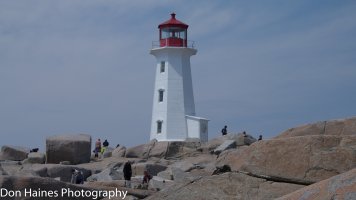
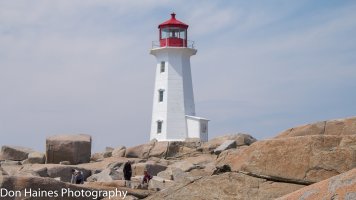
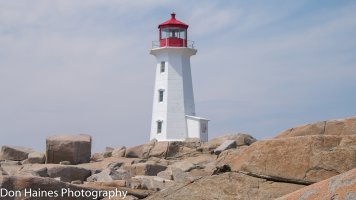
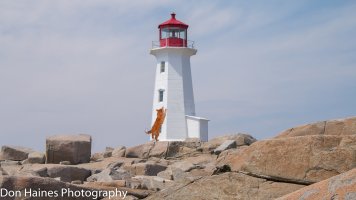
Without adding additional commentary on the photo itself or the price, the most expensive "photo" ever sold, the Rhein II had objects removed with photoshop:
http://en.wikipedia.org/wiki/Rhein_II
http://en.wikipedia.org/wiki/Rhein_II
Upvote
0
Don Haines said:Of course, one can go too far removing distracting elements
Your "cloning things out" skill is much better than you "cloning things in" skill
I hate Jane, she always blinks. And on that thought, one of these days I'll make a group photo out of multiple exposures and pp it so they are all blinking! Won't that be something?
Regarding the original question, I think it's extremely unethical to sell this picture as a proof that there are very few birds around a lion, but then again, if you are using me as your moral compass ... oh boy, that would be as bad as using a public forum for it!
Upvote
0
Similar threads


- Replies
- 3
- Views
- 442