Phottix Odin: Inaccuate high-ISO metering problem

Status
Not open for further replies.
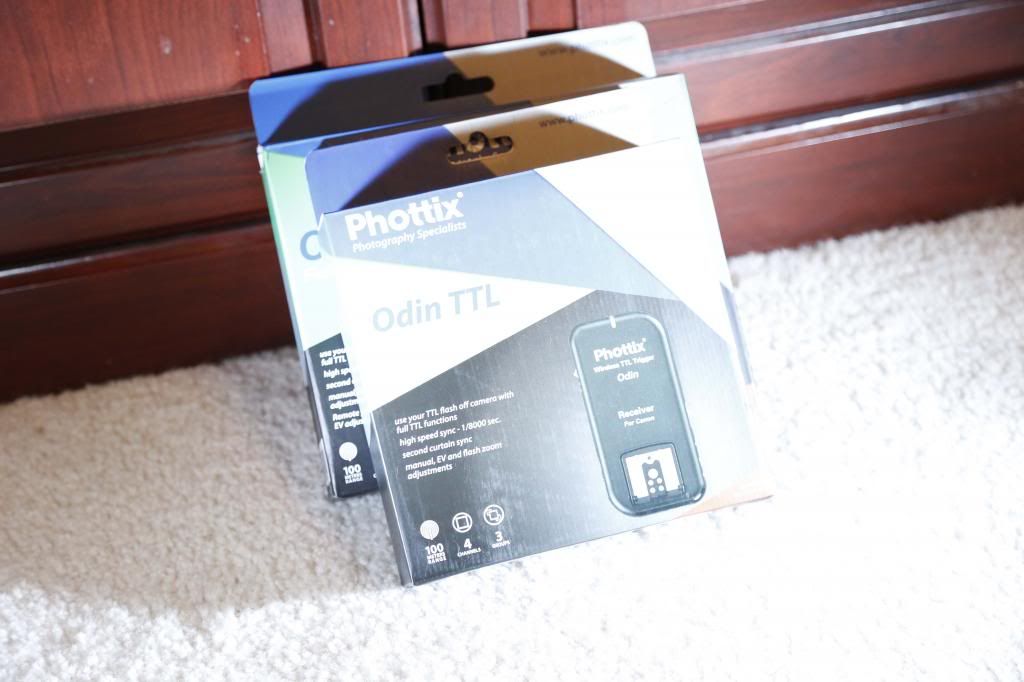
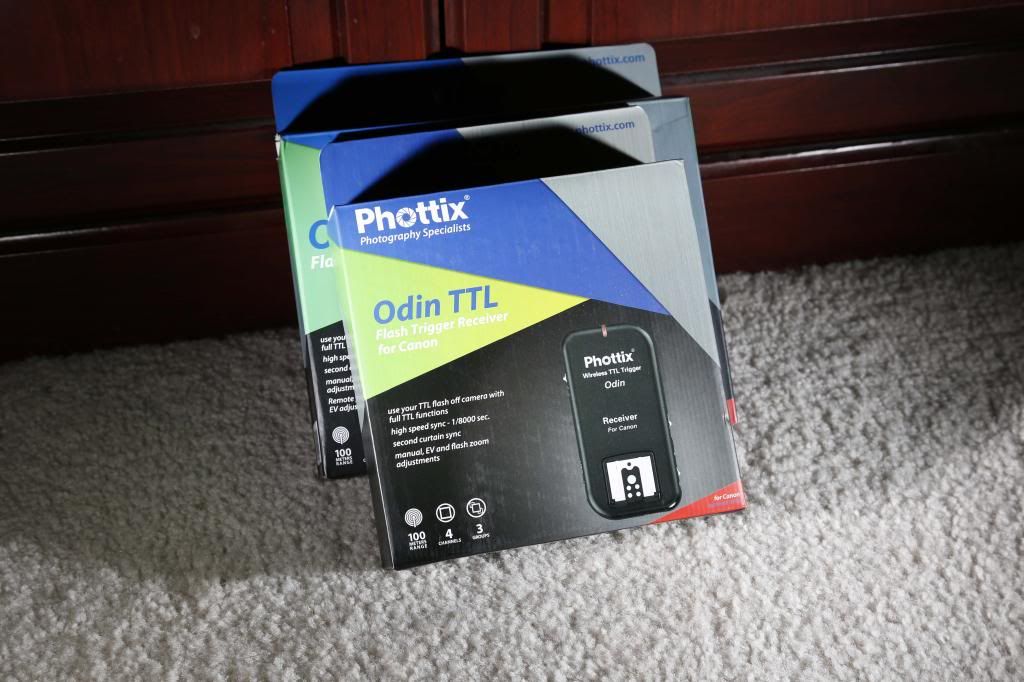
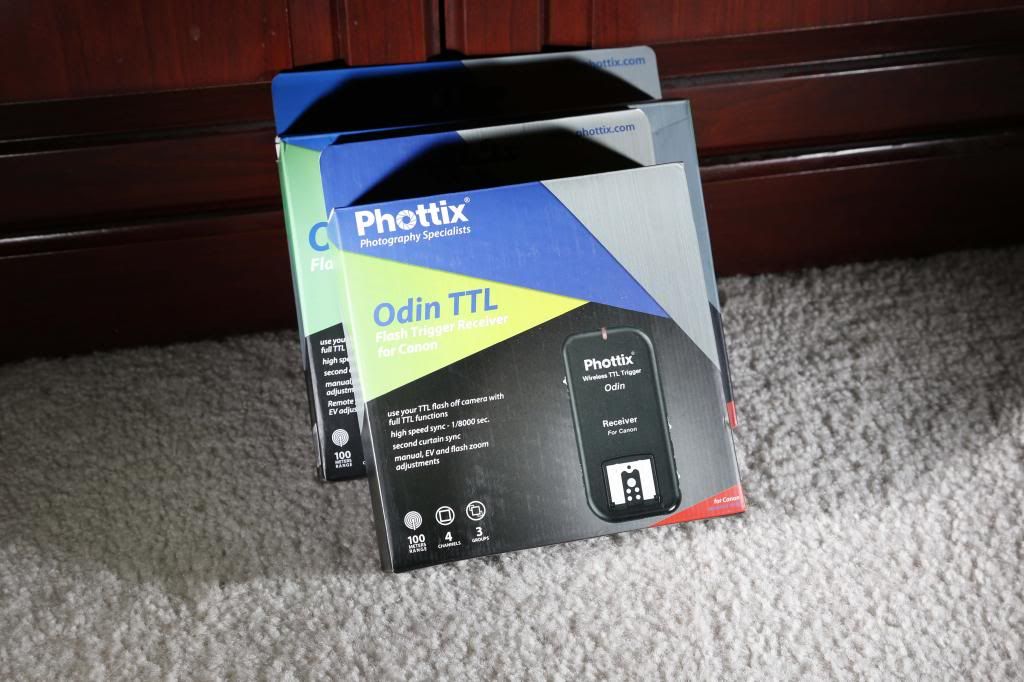
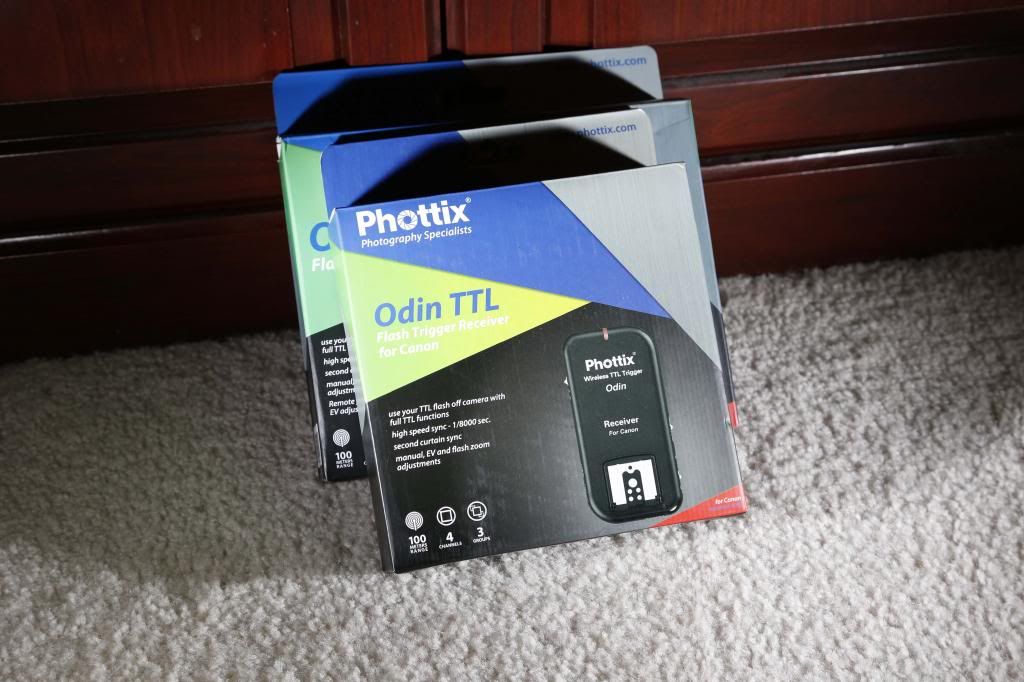
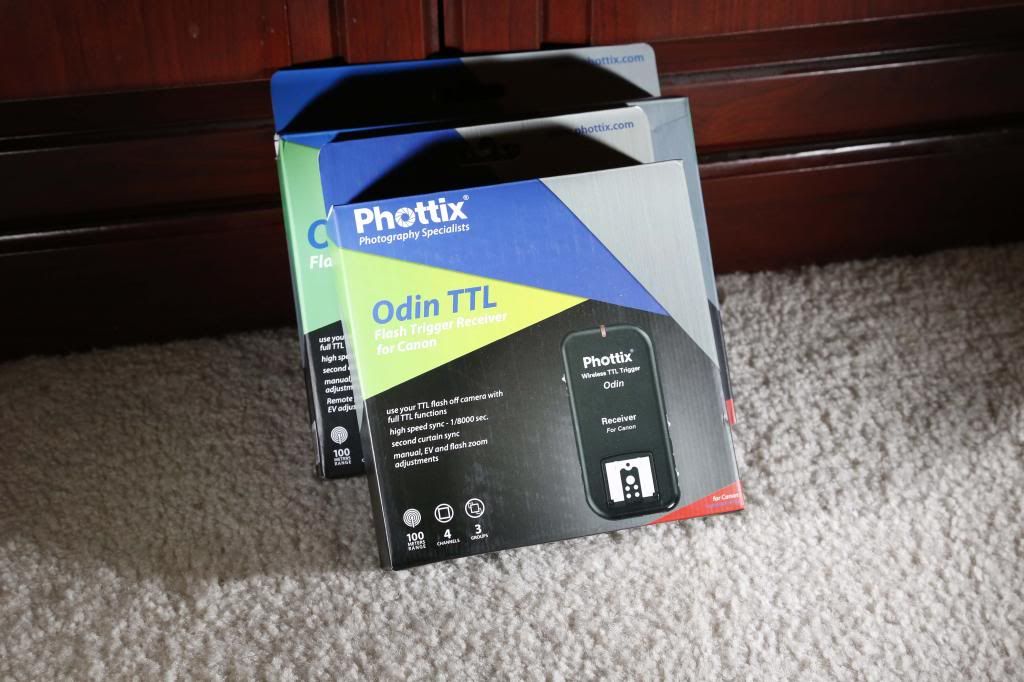
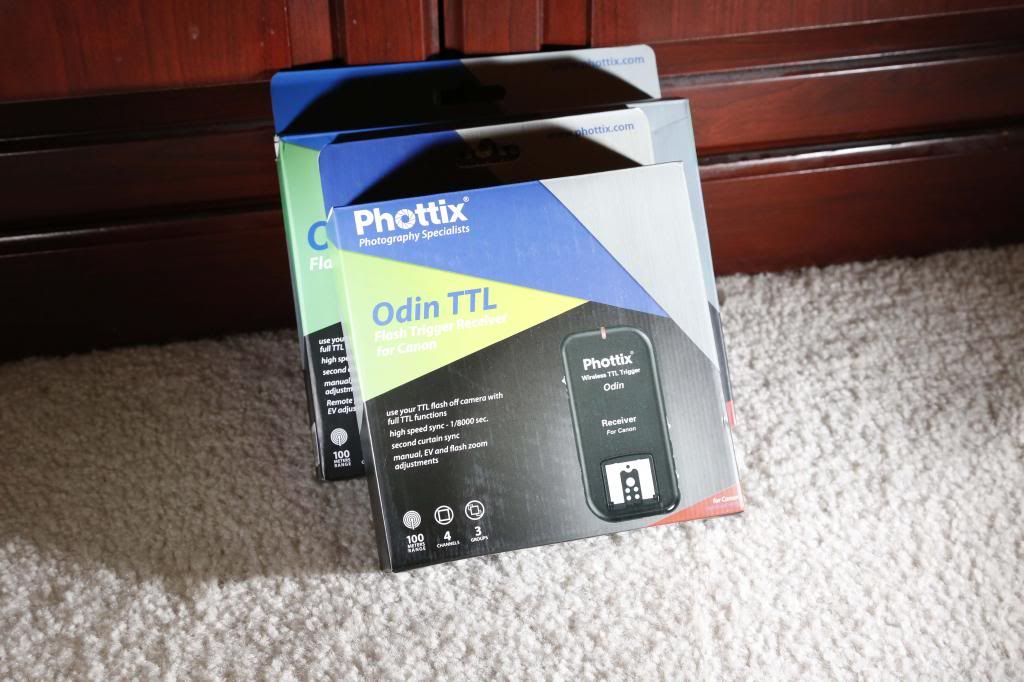
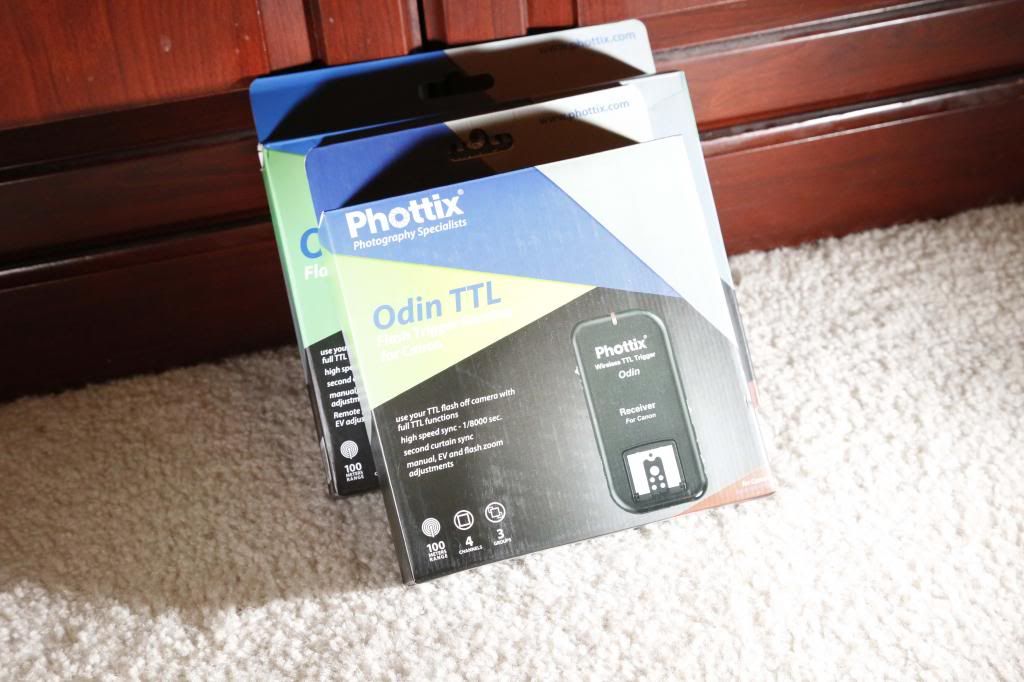
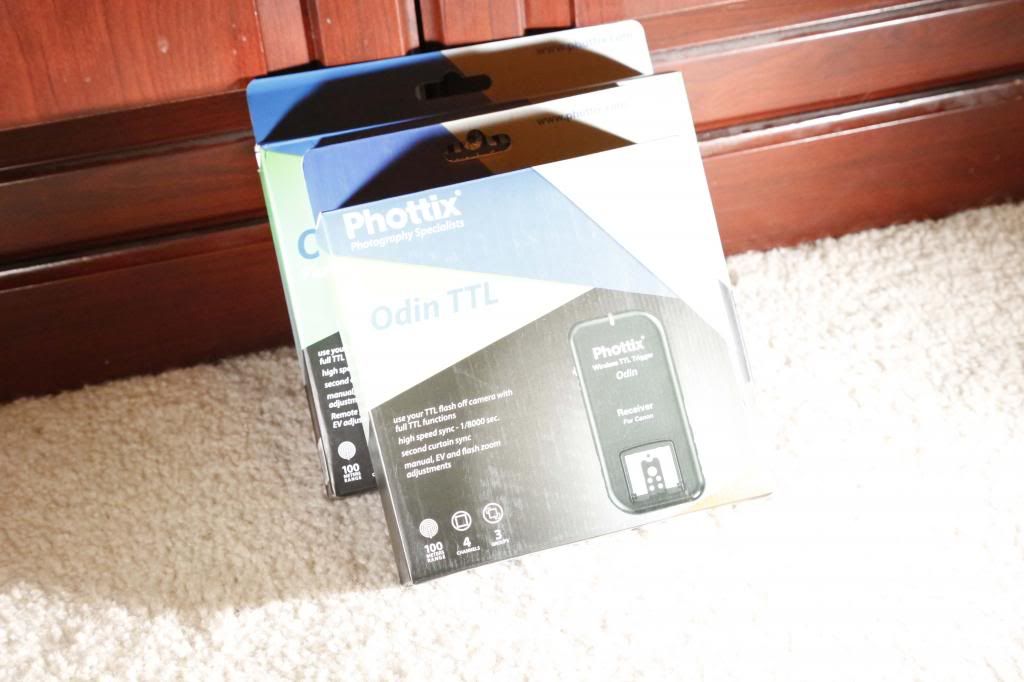
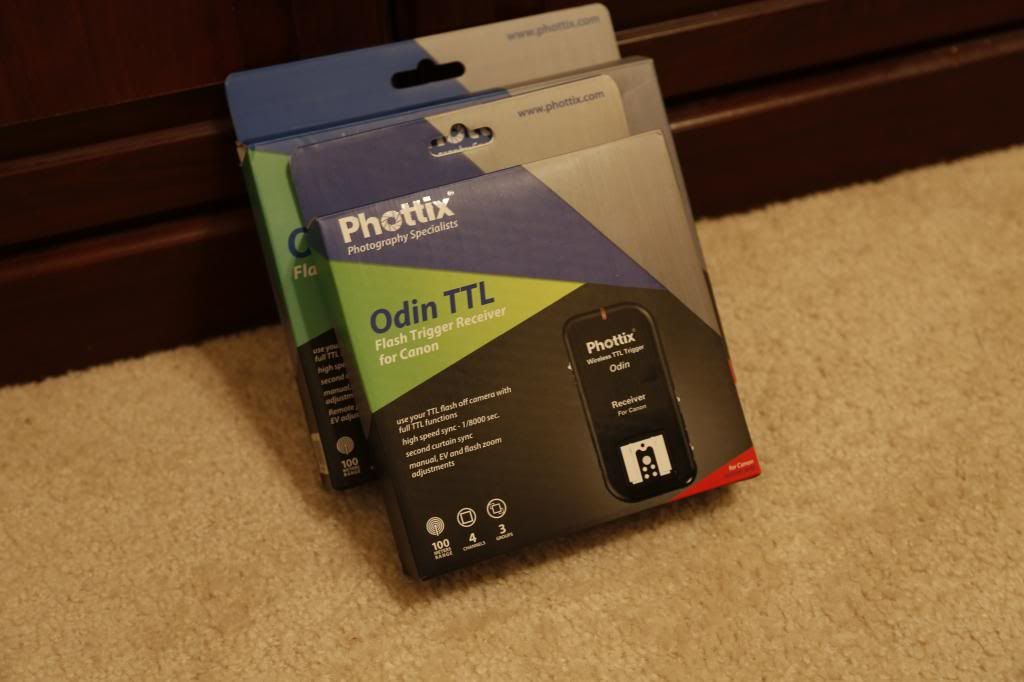
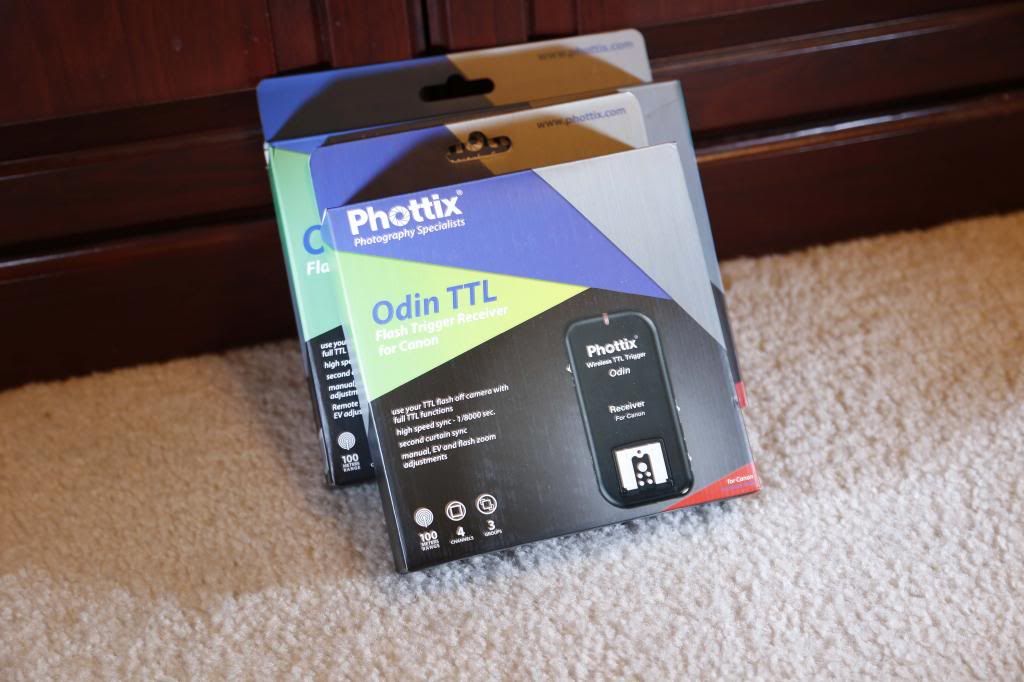
I've been proudly pimpin' my ancient 550EXs for quite some time now, and decided to step up from infrared to a set of Phottix Odins. With my 5D3 in Av mode, I've noticed that the flash exposure is pretty accurate and consistent up to ISO 400, but drop off a table after that. From ISO 800 and up, it seems like the Odin's don't "meter down" the flash exposure enough, and the result is way too much light output. Either that, or the Odins don't recognize that the ISO has been increased.

Here are some sample shots with the flashes set to the left and right of the subject. To keep the ambient light levels consistent, the aperture was kept at f/4, but the shutter speed varied from 1 second to 1/125 second.

ISO 100
Av100.jpg


ISO 200
Av200.jpg


ISO 400
Av400.jpg


ISO 800
Av800.jpg


ISO 1600
Av1600.jpg


ISO 3200
Av3200.jpg


ISO 6400
Av6400.jpg


ISO 12,800
Av12800.jpg


Interestingly, the ETTL flash metering is much more accurate with the camera in manual mode. To make sure the ambient light in the room didn't affect the exposure, these shots were taken at f/8 and a 1/90 shutter speed.

ISO 100
M100.jpg


ISO 200
M200.jpg


ISO 400
M400.jpg


ISO 800
M800.jpg


ISO 1600
M1600.jpg


ISO 3200
M3200.jpg


ISO 6400
M6400.jpg


ISO 12,800
M12800.jpg


Do the Odins just not like working in Av mode, or maybe it's just a compatibility issue with the 550EX's?
 
wickidwombat said:
hmmm truth be told i've never used my odins in AV since i only shoot in manual these days
also I have only used them on 580 ex ii flashes so not sure about the 550's can you try them on a 580 to see if its the same issue?

That thought has crossed my mind. My neighbor has a 580EXII, so I'll give that a shot. Even if that cures the issue, I'd be tempted to return the Odins and just upgrade to the 600EXs. Looks like used 580EXII's are going for $350 USD on ebay, so once factoring the cost of the Odins, the 600EXs aren't that much more money. Damn, looks like Canon might gouge me again :o Or I can just shoot in Manual :)
 
Upvote 0
V8Beast said:
I've been proudly pimpin' my ancient 550EXs for quite some time now, and decided to step up from infrared to a set of Phottix Odins. With my 5D3 in Av mode, I've noticed that the flash exposure is pretty accurate and consistent up to ISO 400, but drop off a table after that. From ISO 800 and up, it seems like the Odin's don't "meter down" the flash exposure enough, and the result is way too much light output. Either that, or the Odins don't recognize that the ISO has been increased.

Here are some sample shots with the flashes set to the left and right of the subject. To keep the ambient light levels consistent, the aperture was kept at f/4, but the shutter speed varied from 1 second to 1/125 second.

Interestingly, the ETTL flash metering is much more accurate with the camera in manual mode. To make sure the ambient light in the room didn't affect the exposure, these shots were taken at f/8 and a 1/90 shutter speed.

Do the Odins just not like working in Av mode, or maybe it's just a compatibility issue with the 550EX's?

I've experienxed the same behavior w AV - but 90% of the time I'm in M on camera, so I can't say I've suffered.

Otherwise, the odins are great. Esp wben adding non ttl units tk the mix. alot of control available here.
 
Upvote 0
Is it possible that at the higher ISO settings, the flashes were already down to their minimum power and had nowhere further to go? I'm just looking at the closeness of the shot, although I obviously don't know how far away the flashes were.
 
Upvote 0
Remember that when using flash in Av mode, the camera sets teh shutter speed to properly expose the BACKGROUND. I believe it assumes there is little to no impact of the flash on the background. That means in addition to changing the flash power, it is also adjusting the shutter speed to compensate for your ISO changes. I don't have software on this computer that can read the exif, but check your shutter speeds. It may be a case that the scene has fooled the metering calculation, and some of the extra light is due to too much ambient being added to the flash exposure by a slower than appropriate shutter.

I, personally, have never had as much luck with ETTL in Av or Tv mode as I have in manual. In manual, the camera can only control one vairable, and it seems to have a much easier time doing that. I set the aperture for DOF, shutter to either kill ambient or balance the flash with ambient, and the camera takes care of the flash power to expose the target.

-Brian
 
Upvote 0
AdamJ said:
Is it possible that at the higher ISO settings, the flashes were already down to their minimum power and had nowhere further to go? I'm just looking at the closeness of the shot, although I obviously don't know how far away the flashes were.

That's a pretty good theory. The flashes weren't positioned very far back, but they shouldn't have been close to minimum output power, either. Here's what the same shot, but with no flash.

ambient.jpg


In essence, the test images were set to a neutral exposure in Av mode, and the flashes just added accent lighting, so they weren't putting out much light at all. I use this same technique in the field quite often, although on much larger subjects. Part of the problem here is that a lot of the light from the flashes spilled onto the background since the subject is so small.

Nevertheless, it's kind of a stupid test anyway, since I almost never shoot above ISO 1600 in Av mode. I'll be testing the Odins out on a real shoot tomorrow anyway, so how they perform in the field - a not some silly test in my house - is all that matters.
 
Upvote 0
risc32 said:
i'm not sure i understand your testing method, but it sure looks like an issue. is this just in AV mode, or any of the auto metering modes?

Testing method is simply to simulate how I shoot on real assignments: balancing ambient light and flash output. Since most of what I shoot is in natural light, the flashes are used primarily for accent lighting. These images are probably 70-80 percent natural light, and only 20-30 percent flash.

_L3C5130_zps2bde7caf.jpg


_L3C5164_zps0245f412.jpg


_L3C5404_zps736f035e.jpg


Henehan_06_zps158e3c17.jpg


Didn't bother testing in Auto mode since I never use it.
 
Upvote 0
bbasiaga said:
Remember that when using flash in Av mode, the camera sets teh shutter speed to properly expose the BACKGROUND. I believe it assumes there is little to no impact of the flash on the background. That means in addition to changing the flash power, it is also adjusting the shutter speed to compensate for your ISO changes. I don't have software on this computer that can read the exif, but check your shutter speeds. It may be a case that the scene has fooled the metering calculation, and some of the extra light is due to too much ambient being added to the flash exposure by a slower than appropriate shutter.

If the camera is in Av mode, and all I do is turn on the flash, it will usually knock down shutter speed by one stop. For example, if f/8 at 1/15 nets a neutral exposure, turning on the flash will change the shutter speed to 1/30. I'm constantly adjusting the ambient anyway with the exposure compensation dial in Av mode, so shooting in manual instead of Av wouldn't be a big deal. That said, the shutter speed should not have affected the overall exposure in these test shots anyway. A lot of flash output did spill onto the background, but even the boxes are way overexposed at the higher ISO values.

I just wanted to find out if this is typical with the Odins, or if something was peculiar with my setup. I suppose its still worth trying them out on some 580EXII's just to see if there's a difference.
 
Upvote 0
I've got a wedding gig tomorrow, and it'll be my first real test with the Odins. it'll be a "hot" test. hope it doesn't screw up as i'm the lone shooter, but i'm usually ready for stuff not to work. BTW- v8beast, i love your shots that's you've posted on this site. very nice work. all of it.
 
Upvote 0
Copy the settings from the overexposed in M mode and Odin in m to, and set it to the lowest poweroutput, follow those steps back to the correct setting and see if you get the same result. If you do, the scene was just overlit and everything works.

I would HIGHLY recommend the method I use;

Camera to m and sync speed and desired aperture, if it's large start at iso 100. If the ambient is too high or too low adjust aperture and or iso. I like my backgrounds, usually, at least 1,5 stops under my key, normally my flashes.

When you have the background lit the way you want, fire up the Odin and set it to M also, simply dial up or down so your subject is lit the way you want.

If you want even less dof, use an ND filter.

If you use more than one flash turn them all off, turn one on and a adjust, turn it off again and adjust the next. Then if they mix to high in power you only need a very slight adjustment.
 
Upvote 0
It would appear to me that you are getting the correct results. Unless you change something other than just ISO, it is extremely unlikely that a speed light can possibly expose all those shots correctly.

The EX580 II has a minimum power output of 1/128th of its full power. (I don't know what the minimum power output ratio of the EX550 is, but I would be suprised if it was significantly wider than the EX580 II) The only way that a SpeedLight would be able to correctly expose each of those ISO settings is if the shot at ISO 100 required full power to correctly expose, only then would the 12800 ISO shot be correctly exposed at the minimum flash strength of 1/128th power.

I expect that in the situation of your first set of test shots, the flash is hitting is minumum power output limit at around ISO 400. Because the flash cannot fire any weaker than that, any shot with a higher ISO will be over exposed.

With your second set of test, you decrease the amount of light that your camera could see by changing the aperature. With a 2 stop change in apperature you see that shots begin appear over exposed at an ISO 2 stops higher. Compare ISO 800<->3200, 1600<->6400, 3200<->12800 and notice how similar they are.

You can confirm this by testing with a smaller aperature. If you use a small enough aperature, your high ISO shots should be correctly exposed, but your low ISO shots will likely be underexposed. If you are still in doubt, set the flash at its minimum power and find out what ISO setting correctly exposes that flash power.
 
Upvote 0
steen-ag said:
Have a question

1. Did you put you flash/camera in Highsync

No. Shutter speeds in all shots were 1/90 or slower, so there was no need for high-speed sync.

2. Have you set Flashsynctime to Auto
if not You will never get a shutterspeed less than 1/200 sek. and the you will get overexposed pictures.

What's Flashsynctime? As long as the shutter speed is faster than the sync speed, I don't see how it would affect flash exposure.
 
Upvote 0
Update: AdamJ and chriswatters were spot on.

Keeping the aperture and shutter values the same as before in Av mode, I turned the flashes to 1/128 power in manual mode, and like Adam and Chris suspected, the image was still overexposed at ISO 800. Now that my pea brain realized what was going on, I turned off one of the lights, and doubled the distance of the remaining light from the subject. This allowed the Odins to achieve the correct exposure to ISO 3200.

More boring tests:

Keeping the Odins in TTL mode and the camera in Av mode, but stopping the aperture down and/or decreasing the ISO, resulted in very accurate flash metering. In other words, shooting in real world conditions instead of some bogus set of test conditions that would never be encountered in the field, allows the Odins to function as they should. Man, I'm such an idiot ;D

The really dumb thing is that I never shoot wide open, and in the rare instance that I'm at ISO 800 or higher - factors that contributed to this pseudo problem - it's because I'm in a dark environment that actually warrants it, not just for the sake of testing.

So I've concluded that the Odins work great, as long as the user isn't an idiot ;D
 
Upvote 0
Glad to hear there isn't a bug, and that you figured it out. My first real outing last saturday at a wedding shoot went well. At first it didn't fire and i was thinking about going to plan b. the wedding party was very ready to get to the reception, but i did another once over the settings and noticed that i must have bumped a slider on the receiver while mounting it on a light stand. i either knocked it to the wrong group, or channel, can't recall, but once corrected it worked perfectly. all formals after the ceremony done and in my car in about 20mins. yeah, i'm not to pleased with the lack of time. that and the fact i had two photographer friends of the bride/groom there as guests over my shoulder at times, but that's another story...
 
Upvote 0
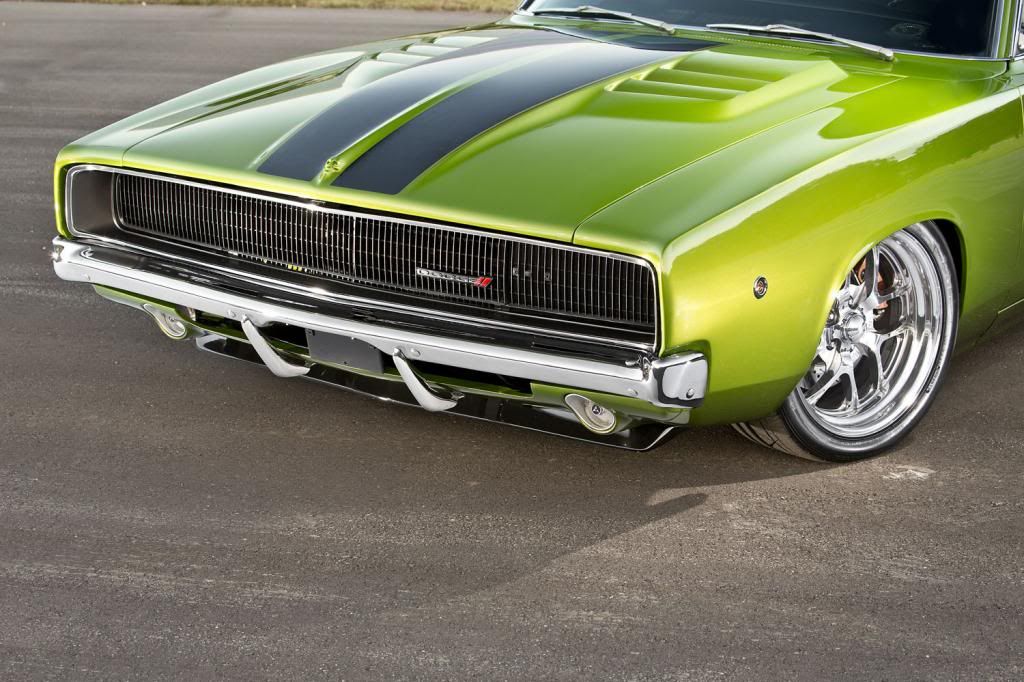
Just finished my first real gig with the Odins, and let's just say these suckers get the job done.

Dodge07.jpg


Dodge02.jpg


Dodge03.jpg


Dodge04.jpg


Dodge06.jpg


It's sooooo liberating not having to deal with the stupid line of sight nonsense anymore, and it allows positioning and angling the flashes in ways that just aren't possible otherwise. Why didn't I buy these things sooner ;D? Being able to control power output right from the camera saves ton of time as well. Thank goodness I didn't have to get gouged by Canon for a set of 600EXs ;D
 
Upvote 0
Status
Not open for further replies.