Not for those of us who have been using the traditionally placed rear wheel on camera after camera for decades. Especially if our thumbs don't quite reach the position of the thumbwheel and 8-way on the R7.
If people keep joking about the R100 I might just get one. Just to take great pics and post here or maybe I'll make a questionnaire: R100 or R5 out of it
I love how Canon only omitted the AA filter from their base budget model when other manufacturers had been claiming its absence in their high-end models to be an advantage. Someone at Canon has a sense of humour !!
I love how Canon only omitted the AA filter from their base budget model when other manufacturers had been claiming its absence in their high-end models to be an advantage. Someone at Canon has a sense of humour !!
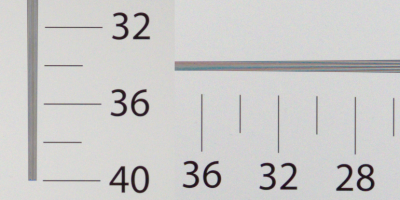
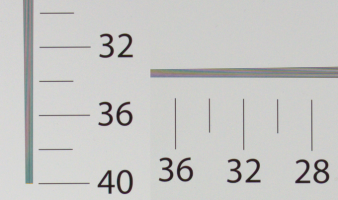
Canon is now tending to remove the AA-fillter in just one direction, the vertical, and retain it in the horizontal. You can see the difference it makes in these downloads of charts from optyczne.pl of the R50 (larger chart) and R100 - the difference is clear in the vertical lines, where there is Moiré for the R100. The R100 does have better resolution (~95 vs ~85 lp/mm at the highest measured).
That's because the R100 is incredible for safari stills!
If I only did stills, I wouldn't even look at R mirrorless cameras. Most advantages are for video shooting, or "ergonomic" features like more reliable autofocus, high ISO, IBIS, more resolution for cropping, HDR HEIFs and such.
But for SDR social media JPEGs? Old bodies are amazing at that.
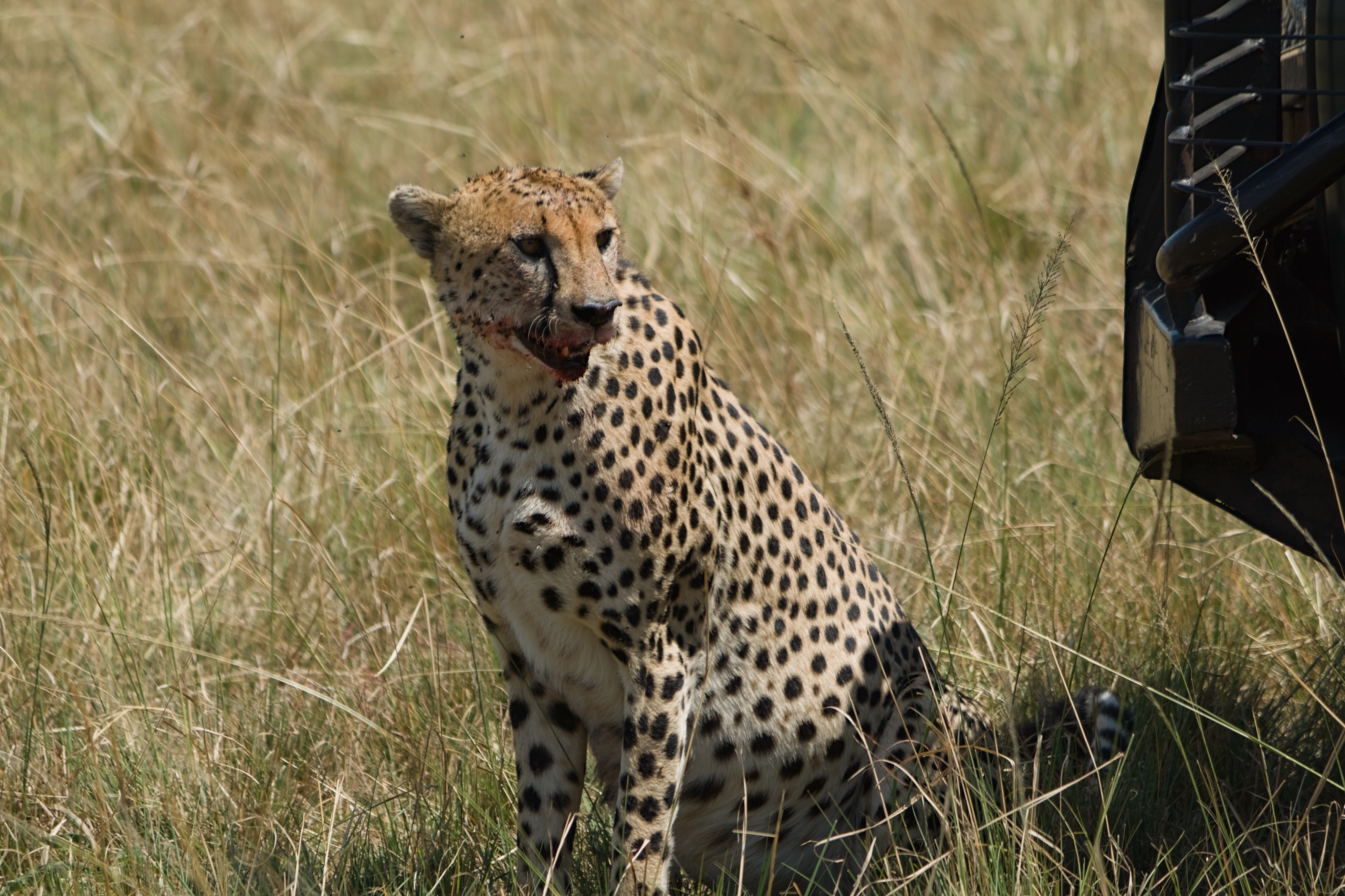
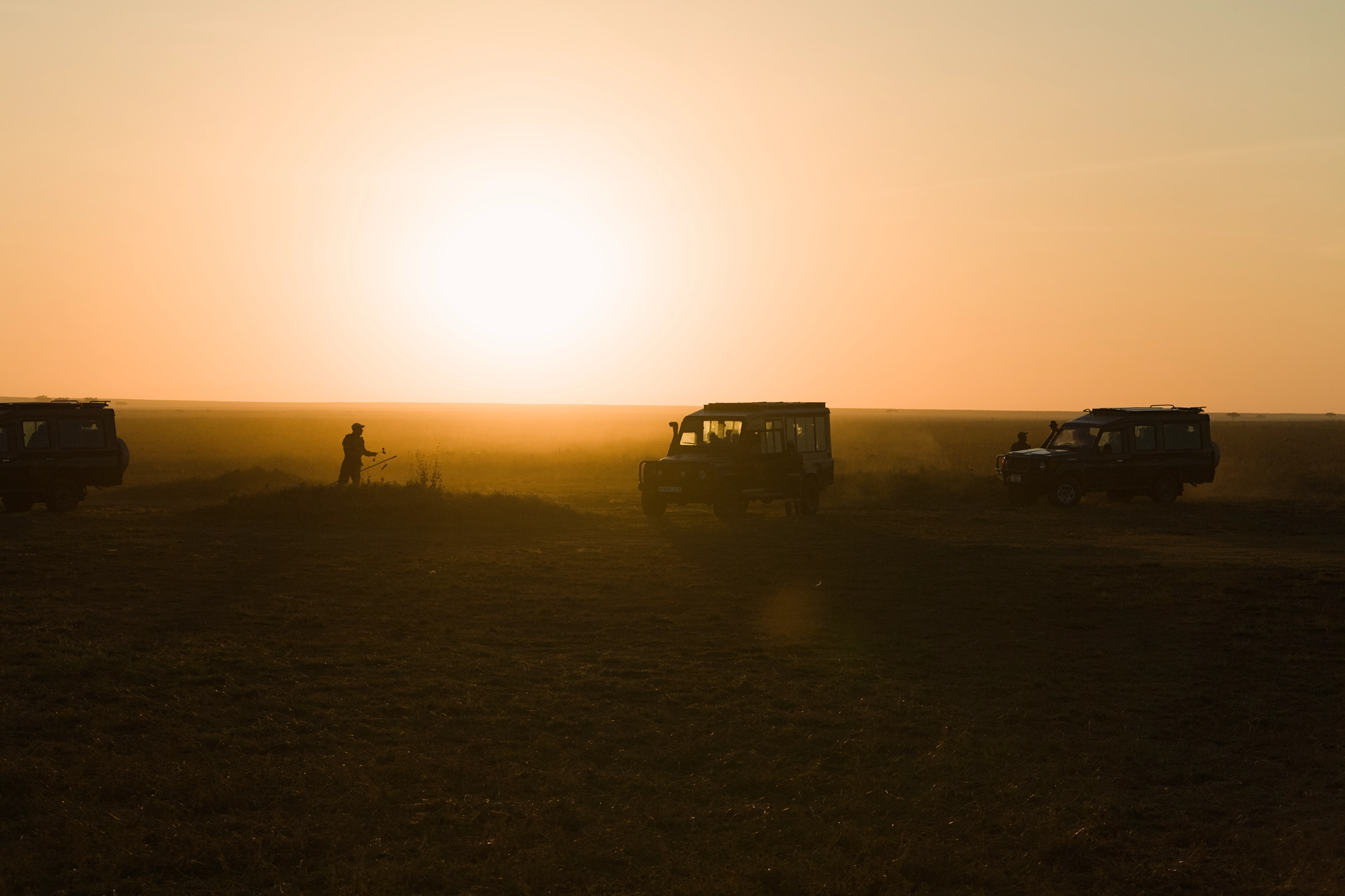
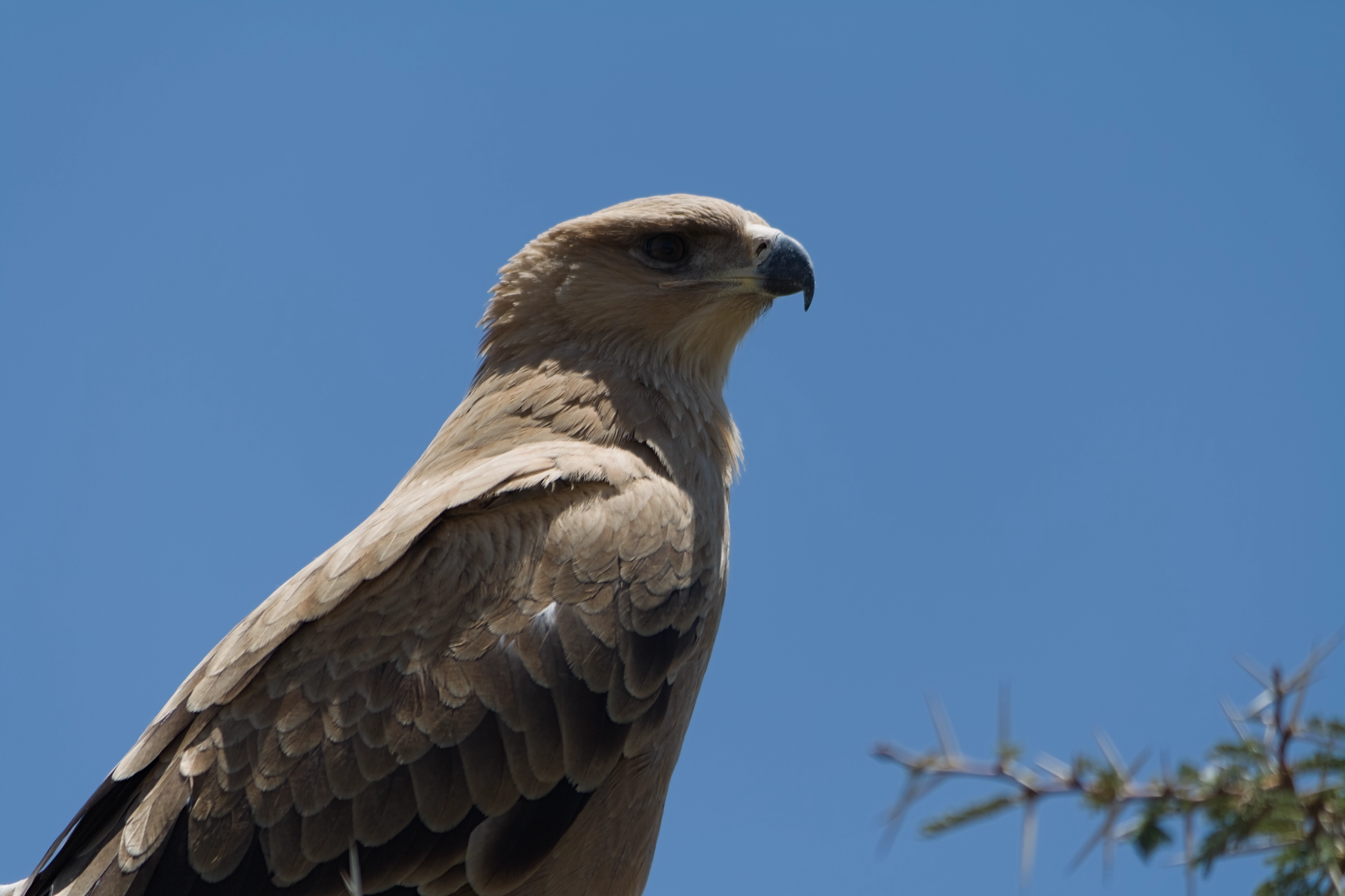
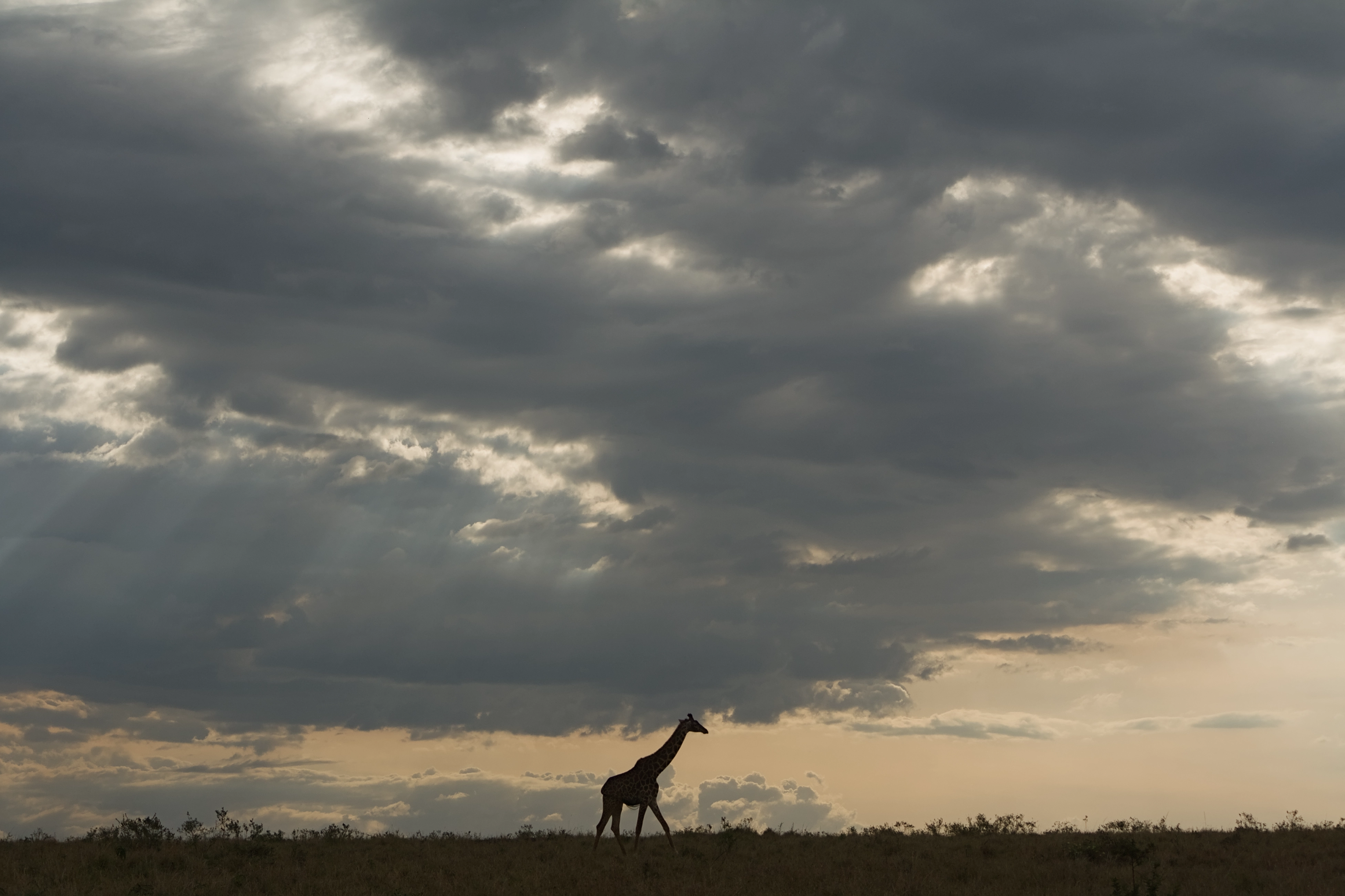
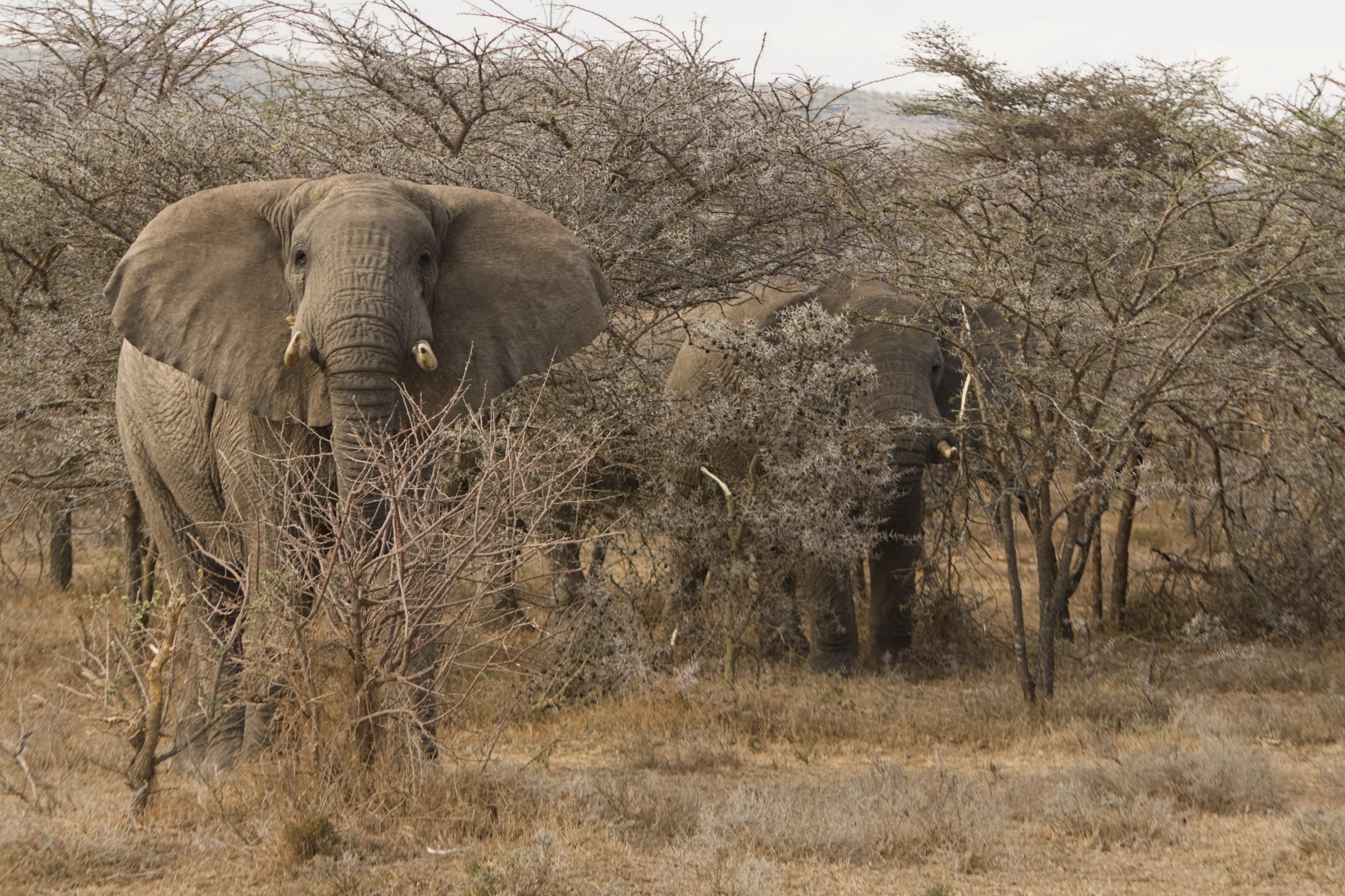
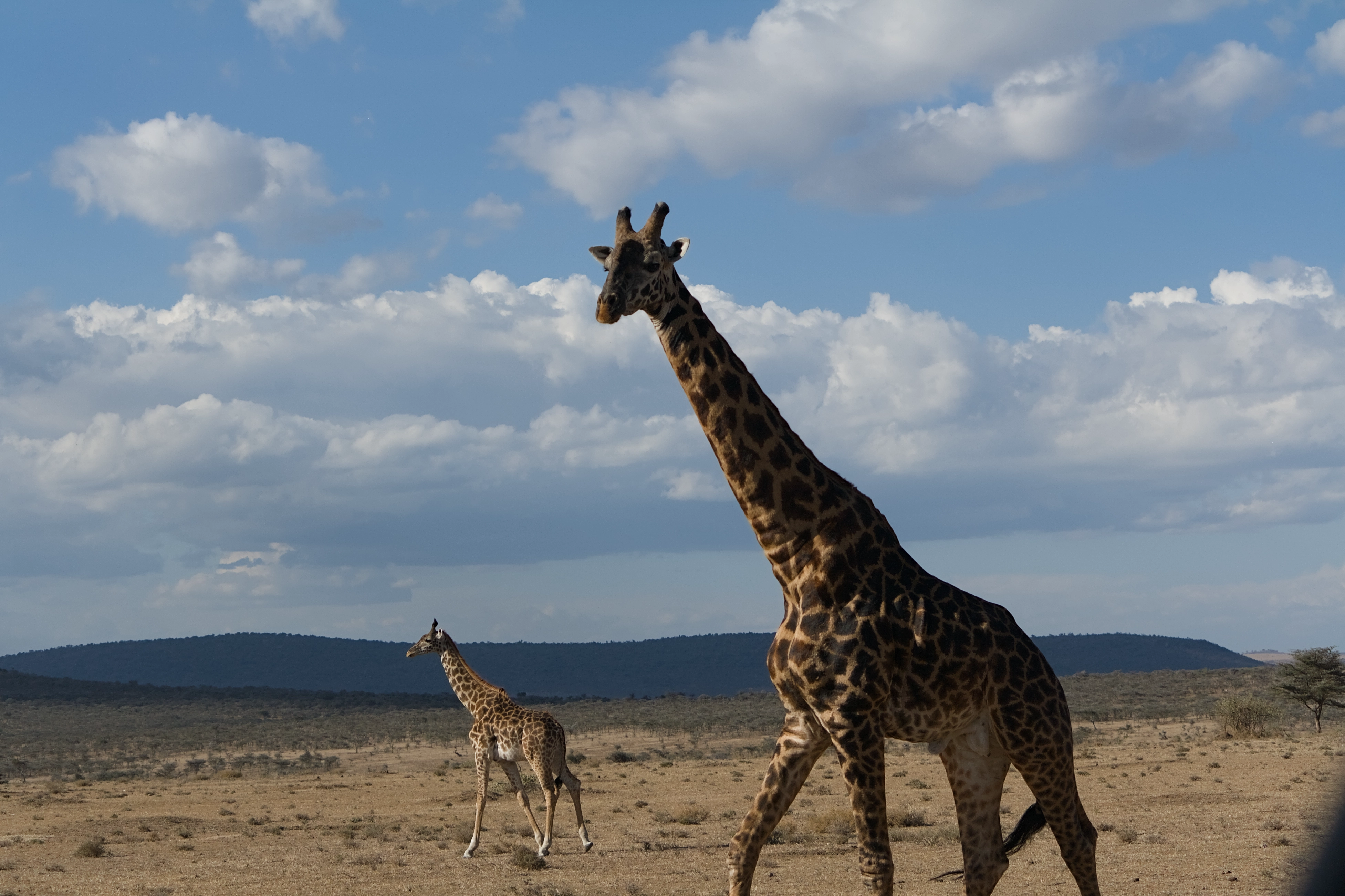
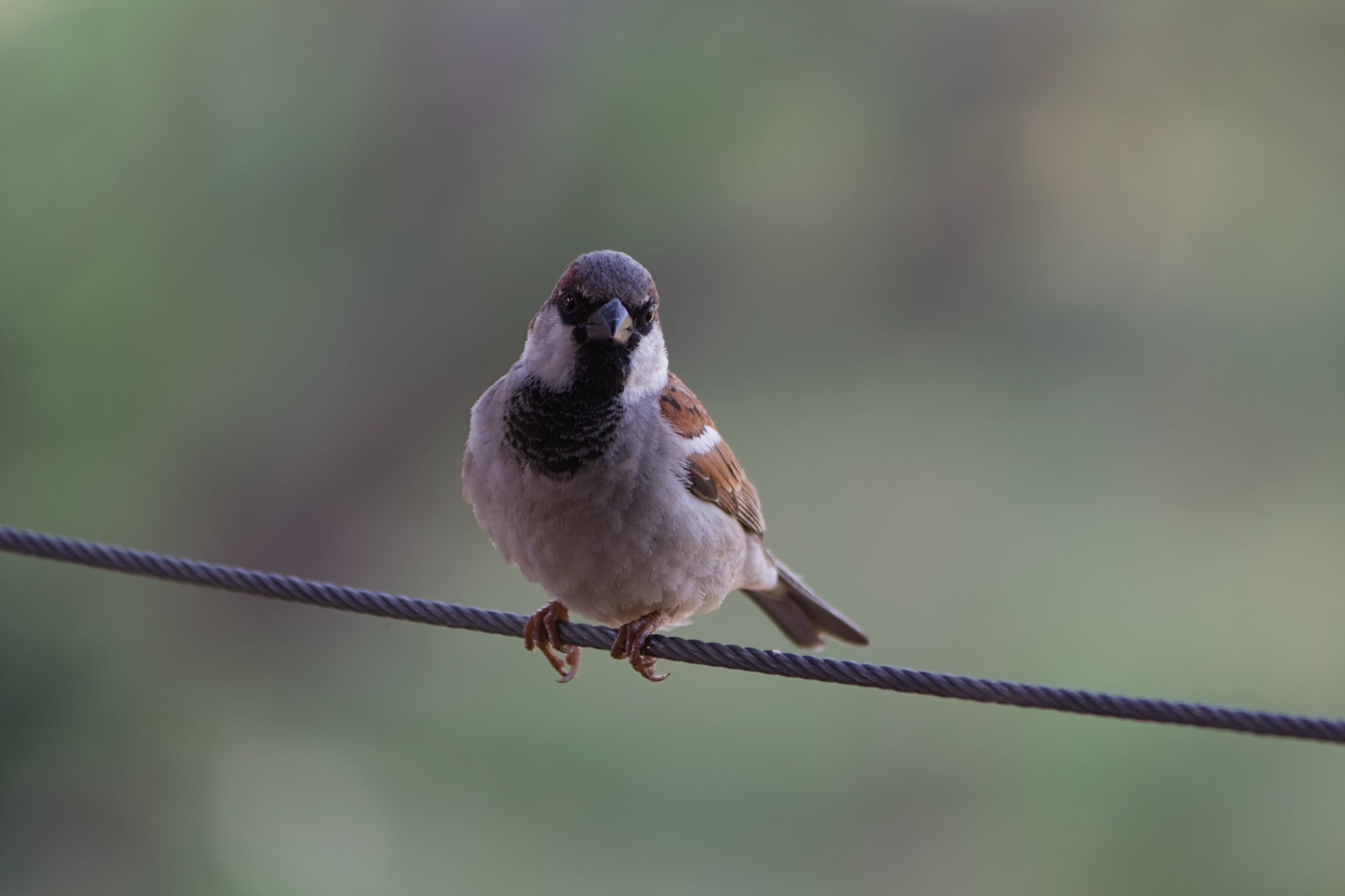
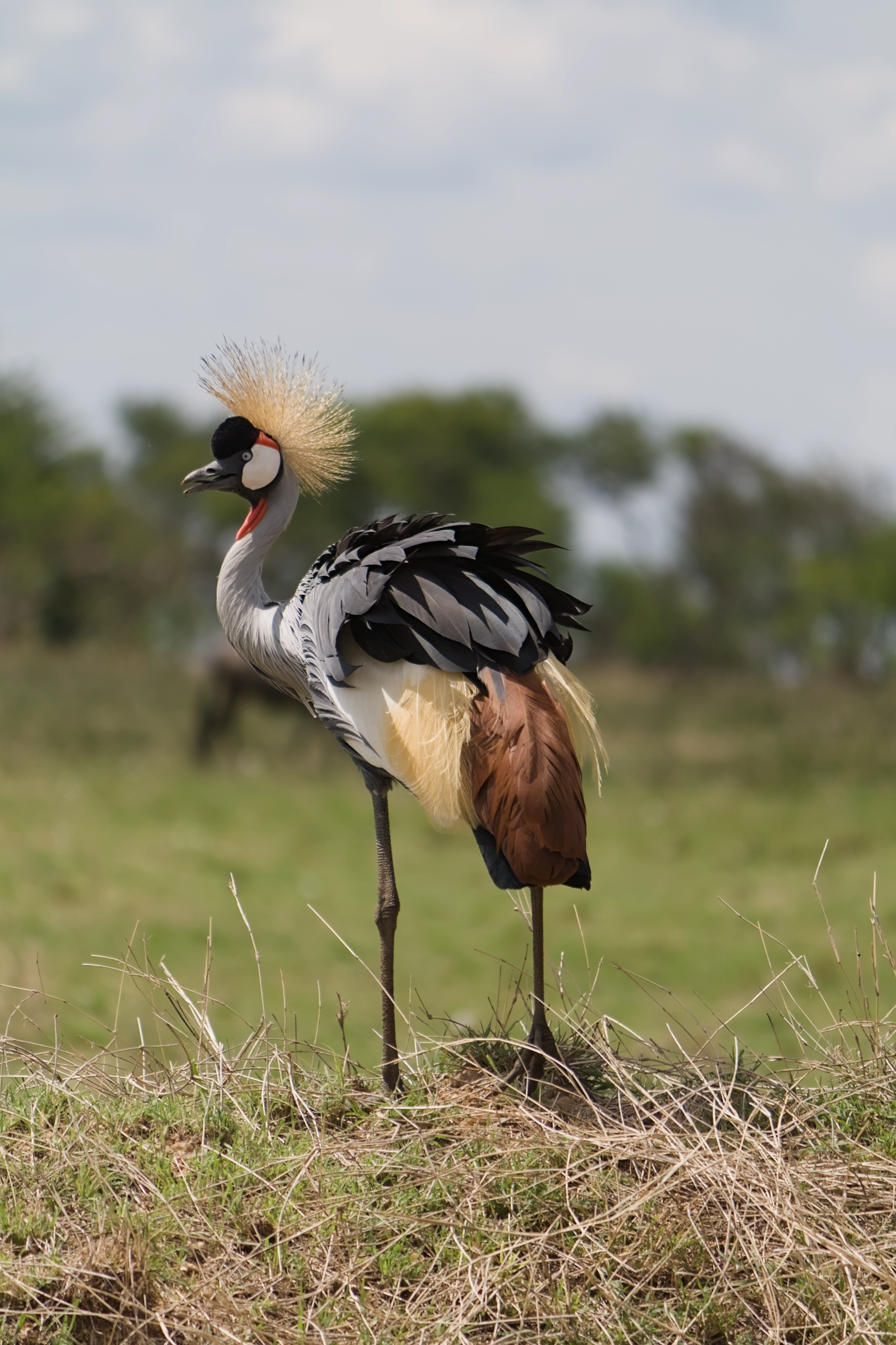
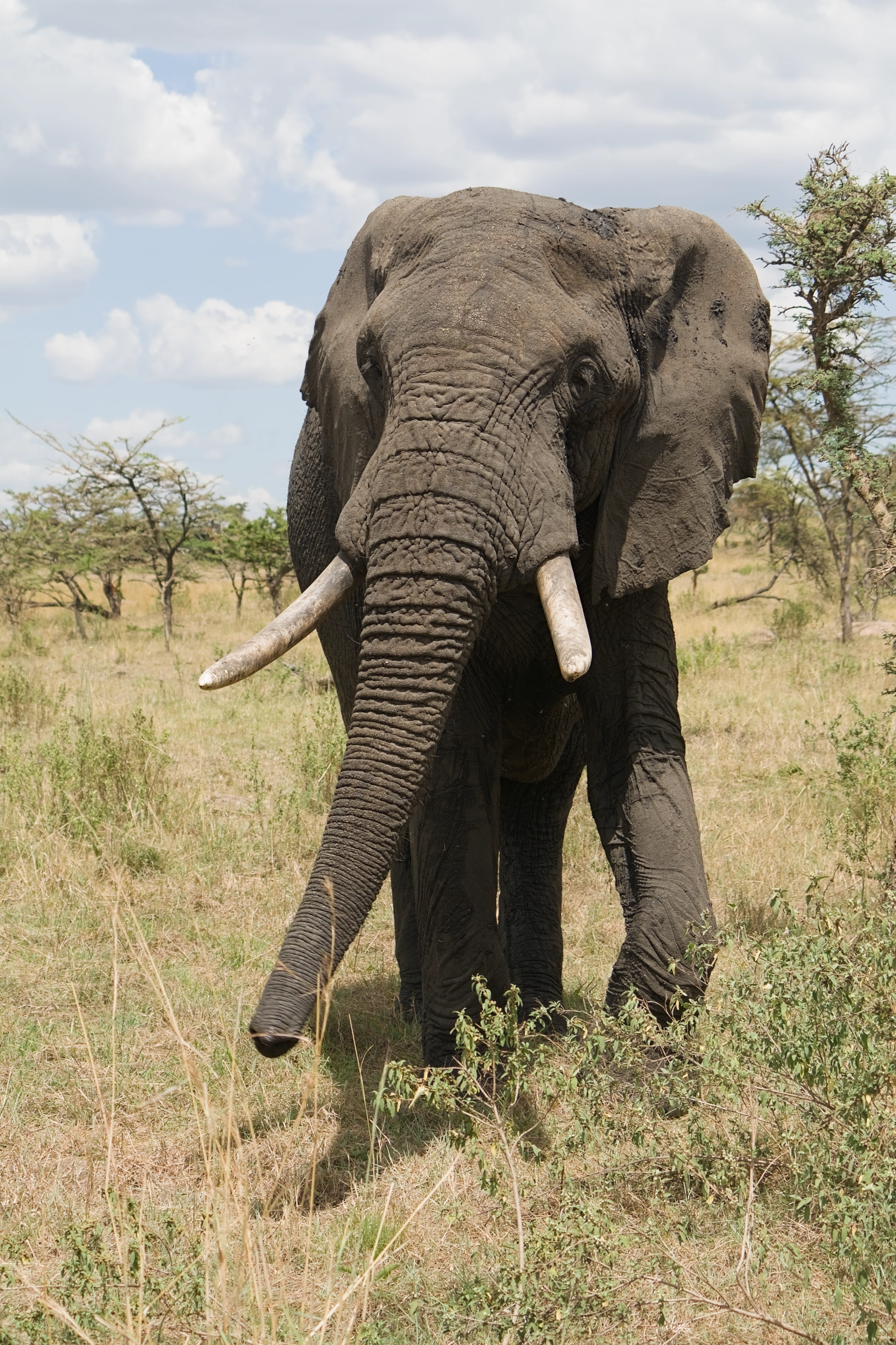
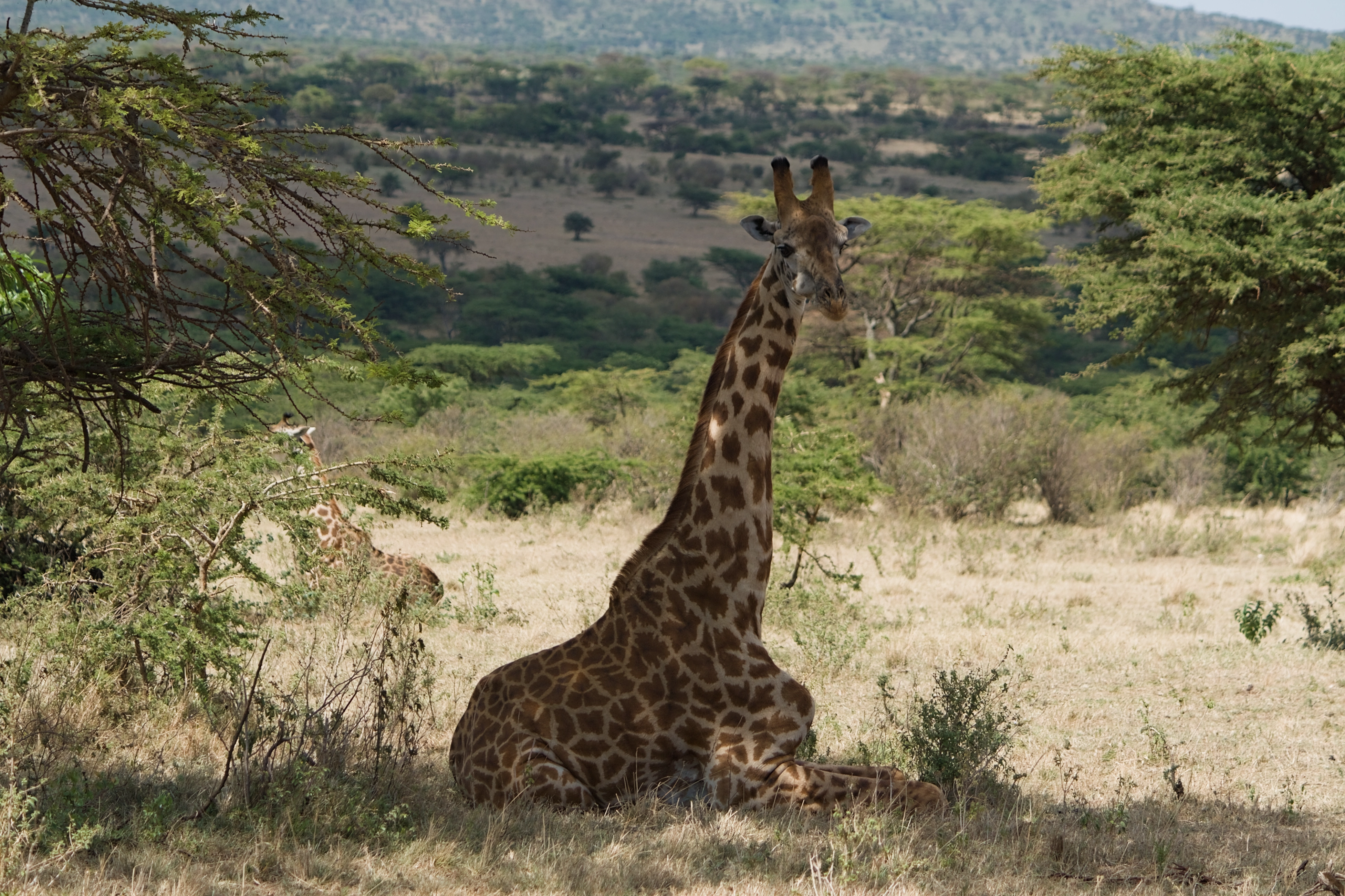
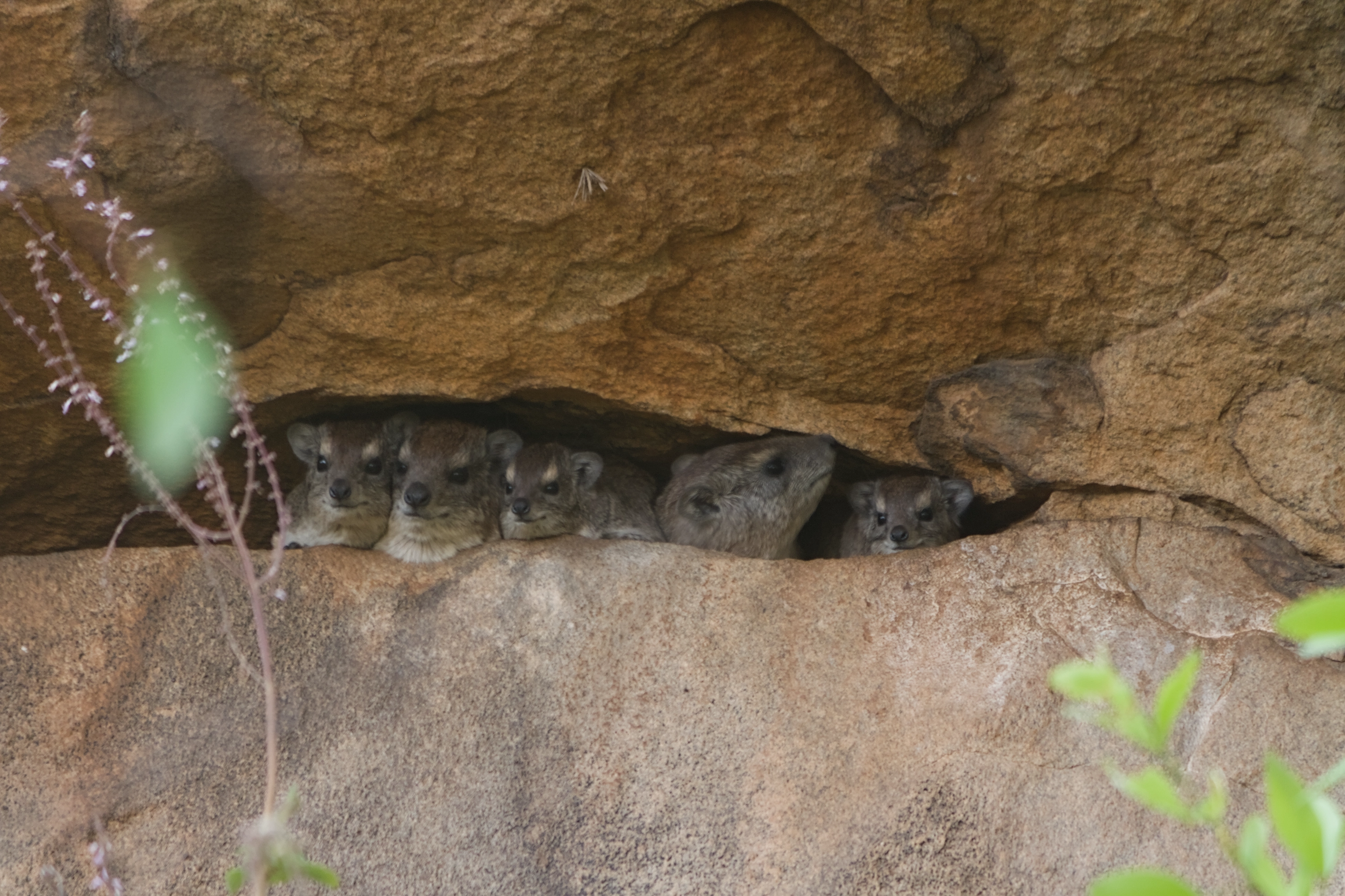
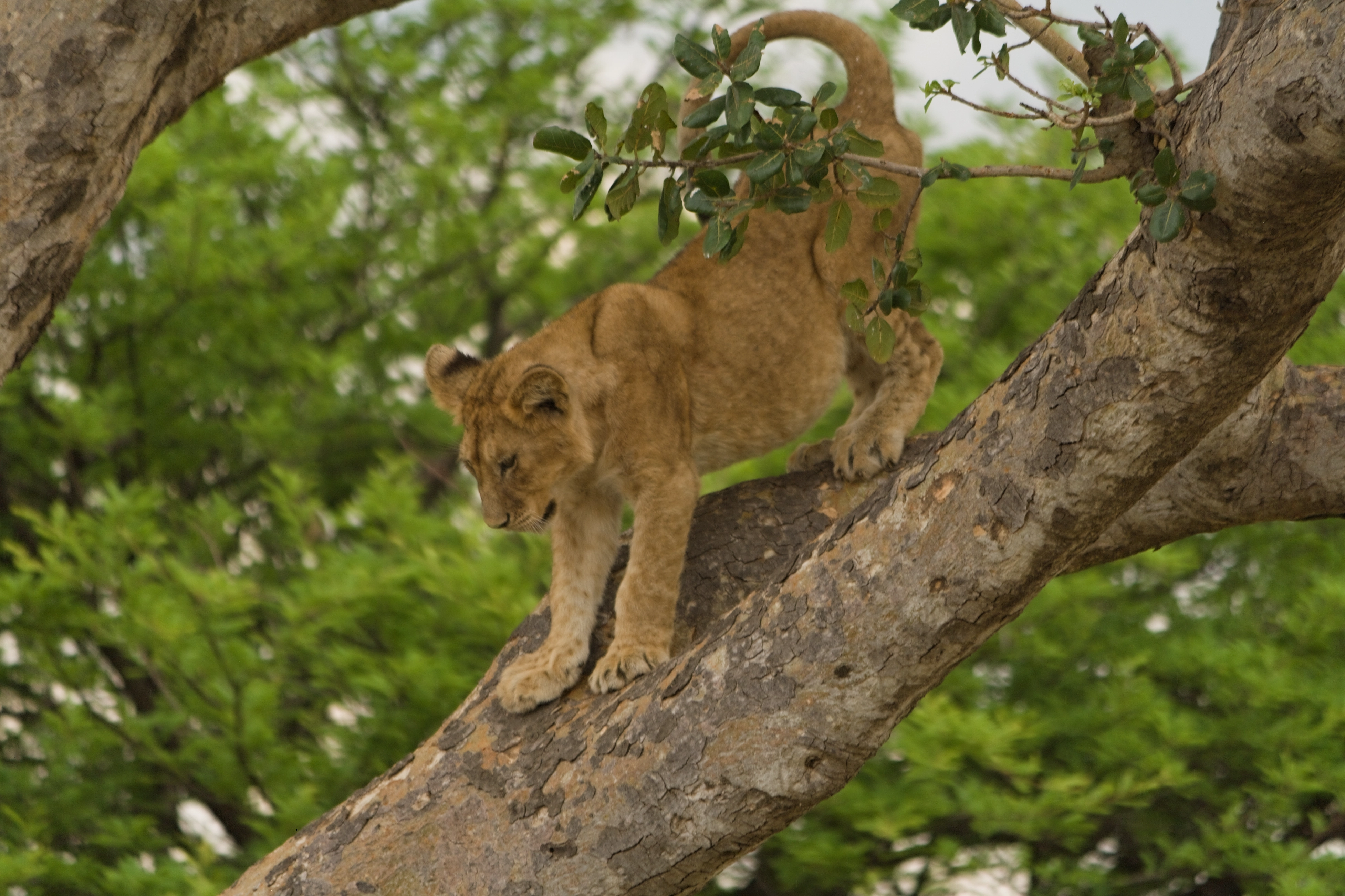
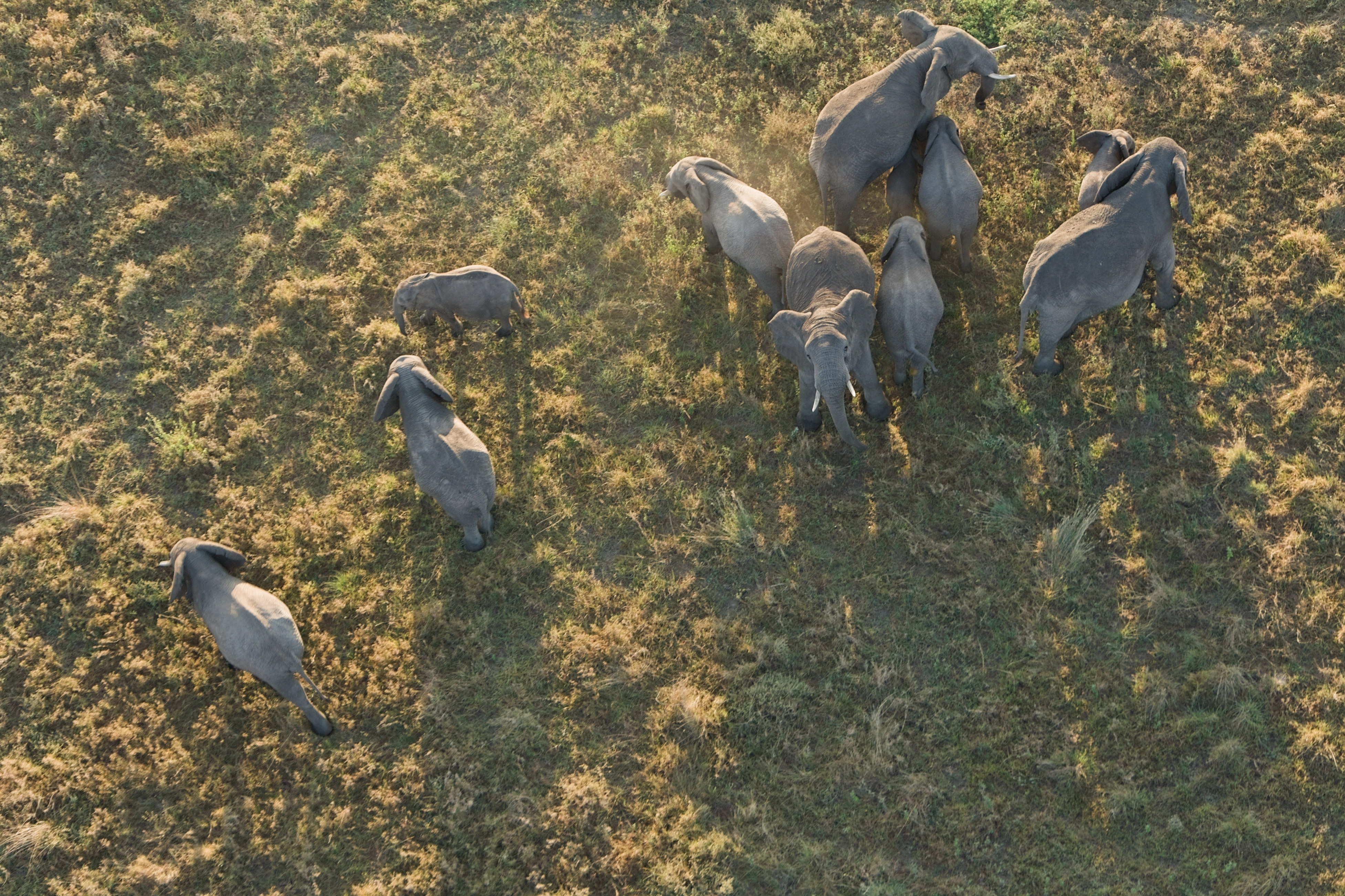
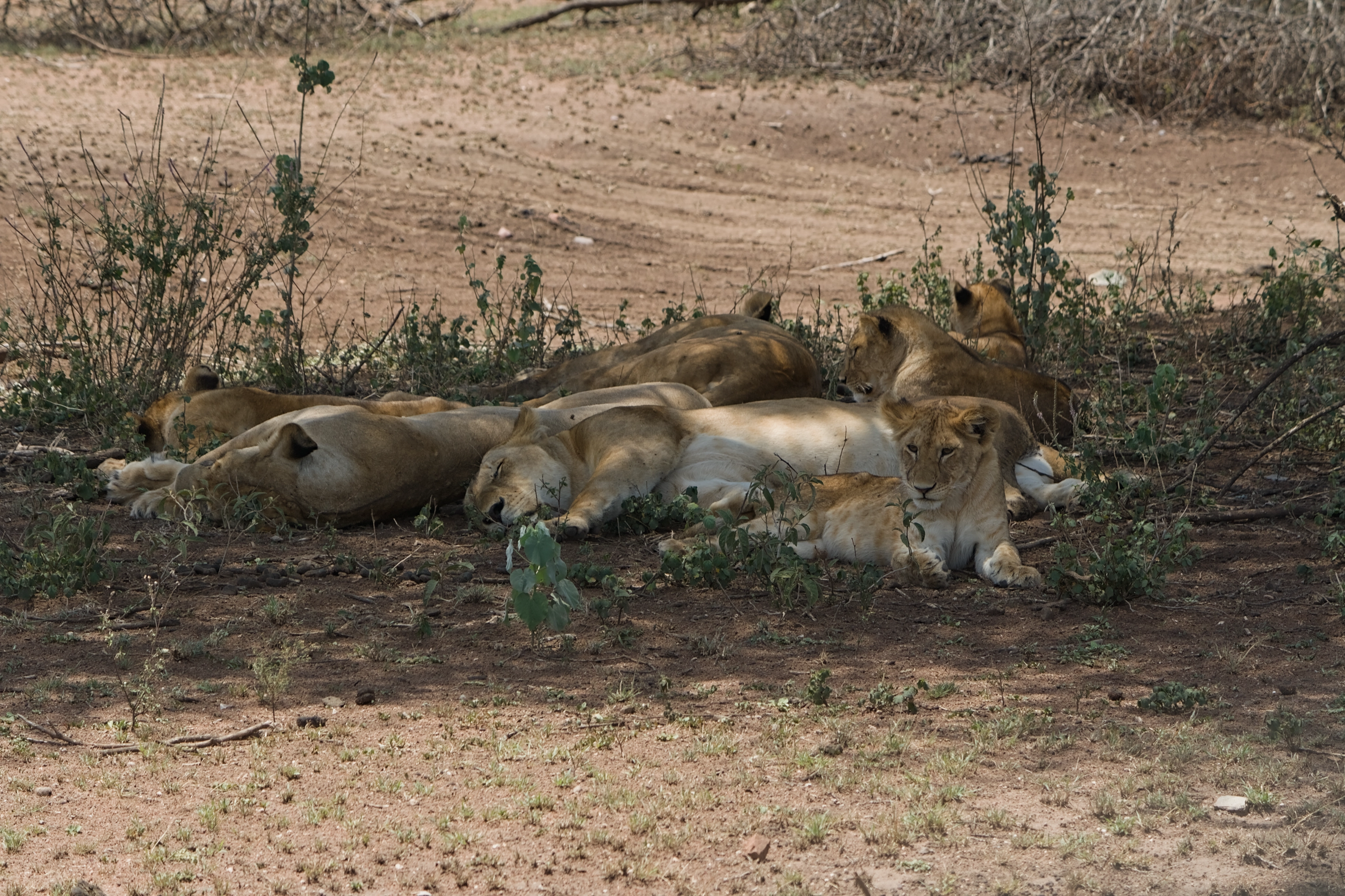
These are uncropped frames I took in Tanzania in 2025. I picked a few "suboptimal" situations with weird lighting, moving animals, shooting from a moving vehicle and such. You know, things you'd presumably need a fancy camera to compensate for. And my technique was pretty awful:
Those were taken on a 2008 Rebel XS (1000D), and a 50-250mm IS II. That's like a thrift store camera these days!
Would I have made more good shots on an R1? Or my new R50V? ...Yeah.
But for web-bound safari jpegs, it really not that different from a 1000D. Avoiding some technical mistakes I made would have made a much bigger difference.
What's more, I can process all these raws to HDR JXL photos. From a 2008 camera! Ironically, the internet hasn't even caught up to such ancient hardware (as CanonRumors won't let me upload any HDR files).
***
Point I'm trying to make is, for stills, the volume of criticism for budget bodies like the R100 is definitely unwarranted.
Being a little cramped can be lived with on a budget. But on the other hand, the R10 does feel "neither here nor there." Not uber compact like the R50/R50V, yet not big enough to feel ergonomic like the R8/R7.
The R50V is a fantastic "carry around" stills camera, FYI. Even if I didn't shoot video, I wouldn't even think of trading it for an R50 or R10.
I would do unspeakable things for an R7V though. Shrink the R7, take away the EVF, keep the IBIS, and I'd be in heaven.
No idea, not even enough to speculate. I’ve seen a post blaming ‘the older hardware in the camera body’. Maybe? The R100 uses Digic 8 but so do the R and RP, and those work with the TCs and the 85L DS. However, there are probably different Digic 8 variants.
Neuro, on the topic of underwater photography, I took your lead and purchased the SeaLife housing for the phone, plus the optional wet port, (still $550), for my snorkeling trip with the manatees in 10 days.
I was contemplating a new setup using my refurbished R5 with an Ikelite housing, to add to my current R7 Ikelite set up. I want to take advantage of the EF 8-15 f4L, but diving deeper into the options, I think a Marelux for the R5 II, is the route to go. I’ve seen some great images with the EF 8-15 f4L, in addition to images with the RF 14-35 f4L and macro images with the RF 100 2.8L in an Ikelite setup, just hoping I get the same quality results or better with the Marelux ports.
No idea, not even enough to speculate. I’ve seen a post blaming ‘the older hardware in the camera body’. Maybe? The R100 uses Digic 8 but so do the R and RP, and those work with the TCs and the 85L DS. However, there are probably different Digic 8 variants.
That 85mm DS, specifically, also loses support for other autofocus-adjacent features, like DoF preview, that other lenses have.
Perhaps the DS coating "muddies" autofocus performance enough to break it on the R100. To avoid the (admittedly rare) scenario of someone trying the DS on the R100 and finding it's manual focus only, I'd wager Canon decided to exclude support entirely.
That 85mm DS, specifically, also loses support for other autofocus-adjacent features, like DoF preview, that other lenses have.
Perhaps the DS coating "muddies" autofocus performance enough to break it on the R100. To avoid the (admittedly rare) scenario of someone trying the DS on the R100 and finding it's manual focus only, I'd wager Canon decided to exclude support entirely.
Defocus smoothing should not affect autofocus. What it does affect is exposure metering at apertures wider than f/5.6, wide open the lens is f/1.2 but T/2.2. DS also makes DoF deeper at apertures wider than f/2…I expect that is why DOF preview is problematic.
Checking into it, I noticed that the other two Digic 8 R-series cameras (R and RP) required a firmware update to enable compatibility with the 85L DS, specifically to address proper metering with the lens. Thinking about the implications of that, I expect Canon decided it wasn’t worth the investment in a firmware update for the R100, given the presumably minuscule number of users who would pair that lens with that camera.
Defocus smoothing should not affect autofocus. What it does affect is exposure metering at apertures wider than f/5.6, wide open the lens is f/1.2 but T/2.2. DS also makes DoF deeper at apertures wider than f/2…I expect that is why DOF preview is problematic.
Checking into it, I noticed that the other two Digic 8 R-series cameras (R and RP) required a firmware update to enable compatibility with the 85L DS, specifically to address proper metering with the lens. Thinking about the implications of that, I expect Canon decided it wasn’t worth the investment in a firmware update for the R100, given the presumably minuscule number of users who would pair that lens with that camera.
That sounds very logical and something Canon would do. I could imagine a customer pairing the R100 with a L lens, e.g. for "reach" (actually, I "know" a guy on German photo forum who frequently pairs it with a L lens) but definitely not the 85mm F1.2 (DS). It just sounds like a great mismatch.
I would love a high rez R7 mark II with a 1.3 crop sensor (APS-H) and still with good resolution at the 1.6 crop (from full frame). This would offer great versatility if being able to switch between them with a simple push of a button ...
Looking through my R7 photos, I feel the R7m2 sensor performance must improve the colour, noise and high ISO performance to be interesting for me. I am guessing that the coming camera will have more resolution but will it have noticeably better sensor performance? Yes, it will be fast, and having the same controls as an R6m2/3
I would love a high rez R7 mark II with a 1.3 crop sensor (APS-H) and still with good resolution at the 1.6 crop (from full frame). This would offer great versatility if being able to switch between them with a simple push of a button ...
Looking through my R7 photos, I feel the R7m2 sensor performance must improve the colour, noise and high ISO performance to be interesting for me. I am guessing that the coming camera will have more resolution but will it have noticeably better sensor performance? Yes, it will be fast, and having the same controls as an R6m2/3
If you need more light on the sensor, that's what the R5 is for. It's 17MP in crop mode, enough to crop half the area and still display every pixel 1:1 on a 4K TV. And if you're paying for FF lenses, it feels more cost effective to be able to use the whole image circle.
Still, I agree, the BSI/stacking will be nice. I'd bet it's at least as sensitive as the R7I; how much more sensitive will be interesting.
If you need more light on the sensor, that's what the R5 is for. It's 17MP in crop mode, enough to crop half the area and still display every pixel 1:1 on a 4K TV. And if you're paying for FF lenses, it feels more cost effective to be able to use the whole image circle.
Still, I agree, the BSI/stacking will be nice. I'd bet it's at least as sensitive as the R7I; how much more sensitive will be interesting.
What do you mean by 'sensitive'? I would not bet on any improvements. BSI/stacking will not offer meaningful improvements (if anything, stacking has a slightly deleterious effect on IQ, rolling shutter notwithstanding).
I couldn't agree more, as a longtime D7 and D7II user. But with the R7, I really had a bumpy begin and a steep learning curve. (1) I had to find out that I need to turn the settings of the EVF to fast refresh rate, with the standard settings I missed nearly all birds-in-flight shots the first day I was out shooting birds. (2) I had to work out in which setting it is better to switch off some little AI helpers such as eye recognition to get more reliable in-focus results. With growing experience, I got much more in-focus images than with the old DSLRs.
What do you mean by 'sensitive'? I would not bet on any improvements. BSI/stacking will not offer meaningful improvements (if anything, stacking has a slightly deleterious effect on IQ, rolling shutter notwithstanding).
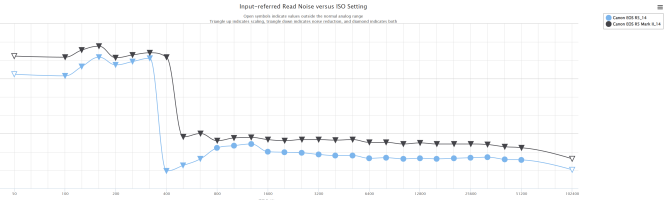
The graph you posted shows that the stacked/BSI sensor of the R5II has more read noise than the FSI sensor of the R5. More read noise is not a good thing, it adds noise to the image and that reduces the dynamic range, which is why the R5II has slightly lower DR than the R5 (at lower ISOs, at higher ISOs another type of noise called shot noise is the key determinant).
BSI does help lower noise in 'dense' sensors but think smartphones not MILCs (at least, not yet). There is marginal benefit with pixel sizes of <3 µm and meaningful benefit with pixel sizes of <2 µm. The R5II has 4.3 µm pixels, the R7 has 3.2 µm pixels. When FF sensors get above 90 MP or Canon APS-C sensors get above 35 MP, there will start to be some benefit from BSI (though it will be marginal at that point, meaning probably not enough to notice in actual images).
So if the R7II is 40 MP, BSI might make a tiny difference. Sensors can be BSI but not stacked, but all stacked sensors are BSI. It the R7II is stacked as well, it may be slightly worse than the R7 in terms of read noise. When (if) we get to 60 MP APS-C and 150 MP FF, then BSI will offer significant benefit (and I suspect if we get to those densities, they won't be FSI).
As an R7-only hybrid shooter, count me unexcited about the R6-style body and layout, ESPECIALLY if it means that awful left-sided video dial. Sure the thumbwheel/joystick combo needed some refinement, and the off/stills/video switch could have been tucked a bit further back to prevent accidental activation in the camera bag, but everything you needed was right there at the flick of a thumb.No awkward arching arm to reach the video switch because your left hand is busy bracing a telephoto lens. I hope they at least make use of the larger body and improve the IBIS/Auto Level and we don't have a G9ii situation.
A detail I like on the R7 too. And the thumb wheel is easier to acces compared to that of the R6. But the third wheel is missing in comparison to R6.
One unique feature of the R7 is the auto level by IBIS which is a great advantage when shooting with long focal lengths - it helps me to concentrate on breathing and keeping the composition without fiddling with other parameters.