This is a combination of two factors:
For any lens, the front element needs to be at least (focal length)/(aperture) in size - e.g. for a 400mm f/2.8, the front element needs to be 142mm in diameter. That number is independent of sensor size.
For telephoto lenses, it's the big front element which makes up the majority of the weight and the cost (making a big element is much harder than making a small one).
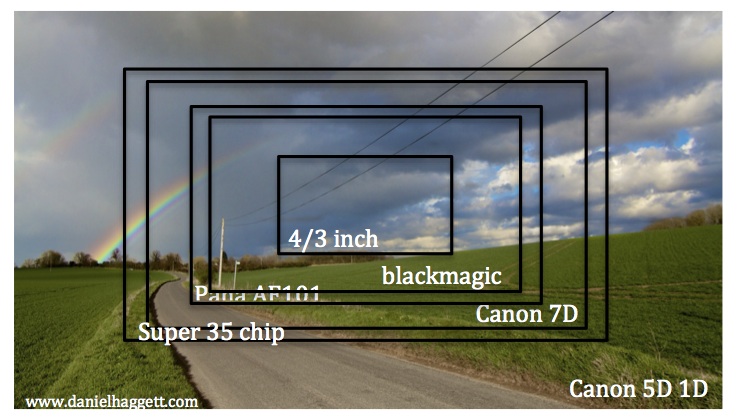
The only advantage to making an APS-C telephoto lens would be that some of the elements in the body could be a bit smaller (as they need to project a smaller image circle), but that's not going to significantly affect either the weight, the size or the cost of the lens as it's the front element which constrains all that. Now, Canon, Nikon and everyone else almost certainly could design an APS-C telephoto lens - but given the advantages would be marginal over the full-frame lens, they just make the one lens so they don't need to duplicate the R&D effort.