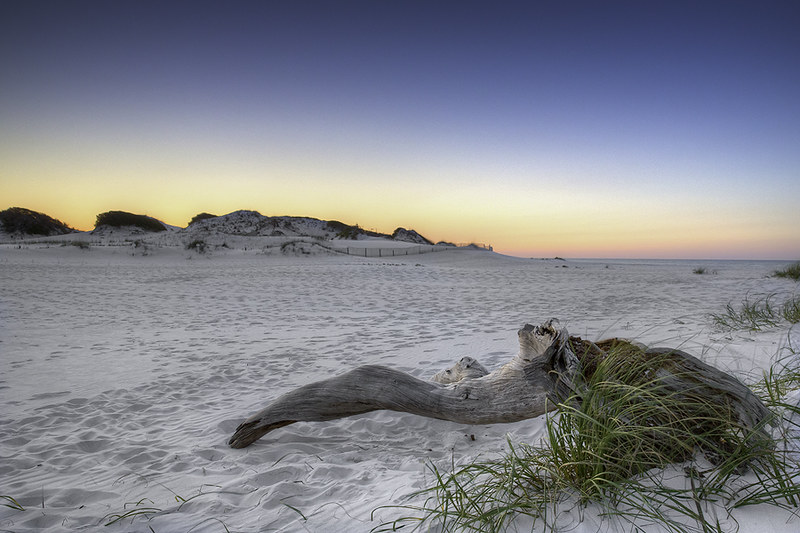
anthonyd said:
Anthony - I think that is a great shot and not too artificial. There are days or moments when the light can be almost that perfect - HDR just makes that moment "now".
Upvote
0
anthonyd said:
anthonyd said:
RGF said:+1000.
Hesbehindyou said:Cannon Man said:I haven't seen any HDR picture that looks anywhere near natural.
Really? You probably just haven't noticed them then.
LewisShermer said:infared said:Zv said:I don't have a copy of this image on my ipad but this is a link to one I did in Yogyakarta while staying at a hotel. I bracketed a few very dark exposures to get the reflection and lights the right color.
http://www.flickr.com/photos/zanjum/6852135367/#in/set-72157628661905185
Very nice balance!
Yeah, everything looks natural on that. I wouldn't have even guessed it was HDR, just a real nicely exposed night scene
Grumbaki said:so just to /thread:
HDR is fine as long as it's made so realisticly than you can barely tell it's HDR. Artistic attemps of over cooking might have good intentions but even well done quite a few people hate them.
Can we all agree on that? Group hug!
Grumbaki said:so just to /thread:
HDR is fine as long as it's made so realisticly than you can barely tell it's HDR. Artistic attemps of over cooking might have good intentions but, even well done, quite a few people hate them.
Can we all agree on that? Group hug!
infared said:Grumbaki said:so just to /thread:
HDR is fine as long as it's made so realisticly than you can barely tell it's HDR. Artistic attemps of over cooking might have good intentions but, even well done, quite a few people hate them.
Can we all agree on that? Group hug!
Yes...and the other end of that spectrum is....if I wanted all of my images to look like Kodachrome 25 from 1967 (with no fill flash). Then I would not have spent all of this money on a digital camera system and a powerful computer. We can do so much more now....I love to bring more tonal range out of images with the new tech...
SiliconVoid said:(btw - HDR processing/printing isn't new, hence the curiosity people have over its new found popularity, it is almost as old as photography itself. We just did it in the dark room back in the day..)
As far as I am concerned, just give me a camera that can capture the same light my eyes can see. If I have a need to artificially boost shadows and color and can't do so by 3+ stops - so be it.
agierke said:As far as I am concerned, just give me a camera that can capture the same light my eyes can see. If I have a need to artificially boost shadows and color and can't do so by 3+ stops - so be it.
No dslr or film stock has ever come close to recording what the human eye is capable of seeing. We are capable of seeing 256 shades of grey total. In optimal conditions the average human eye can see up to 100 shades of grey at once with that number falling lower depending on lighting conditions. Every single variance of photographic format and technique is simply a representation of what we see as human beings.
The terms "accurate" and "realistic" are highly subjective when it comes to photography representing what we see.
I use 2 different techniques when I want to expand the range of tones in a scene in the digital format. The first being a manual merging of bracketed shots in photoshop (if I am going for the "realistic" look) and the second being the automated HDR technique via plugin software (when I want a more stylized look).
Both require a ton of effort in post to pull off successfully. Most "HDR" photos that I see suffer from 1 or 2 critical mistakes. Either mishandling of the technique (wether it be inappropriate lighting, insufficient bracketing, or straight up slider delirium ie overcooked file) or unfinished post-production after the file emerges from the HDR process (halos not corrected, noise not being corrected, localized color shifting not being addressed, etc )
The only attempts I find egregious are the files where the tonal range ends up getting anhialated and file photo looks like a chalky washed out mess. Whenever I use either method I try to protect and enhance my tones throughout the scene (zone 1 through 10) making sure that I still have rich shadows, rich highlights, and pure blacks and whites.
In the hands of a proficient photographer these techniques can be very useful and successful.

gferdinandsen said:Natural looking HDR is just like dodging and burning a B&W print. You over expose the shadows and under expose the highlights. It's been done in the wet darkroom for decades.
silvestography said:gferdinandsen said:Natural looking HDR is just like dodging and burning a B&W print. You over expose the shadows and under expose the highlights. It's been done in the wet darkroom for decades.
I beg to differ. Don't you think dodging and burning is much more analogous to tweaking a RAW file? Without doing anything too crazy technique-wise, there wasn't really any equivalent to HDR in the film days.