
You are using an out of date browser. It may not display this or other websites correctly.
You should upgrade or use an alternative browser.
You should upgrade or use an alternative browser.
Your best animal shots!
- Thread starter Frodosbigtoe
- Start date



dpc said:Black bear cub in the wild, checking out the environment
Awesome shot. I would be very concerned trying to take a picture of a bear cub if I did not know where the mother was.
(did I just hear a twig snap behind me?)
Upvote
0
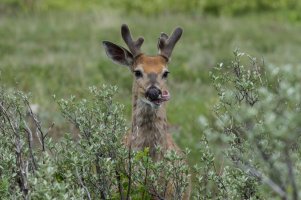
5D3 + 135mm 2L

Simba Safari por murilomms, no Flickr

Simba Safari por murilomms, no Flickr

Simba Safari por murilomms, no Flickr
Simba Safari por murilomms, no Flickr
Simba Safari por murilomms, no Flickr
Simba Safari por murilomms, no Flickr
Upvote
0
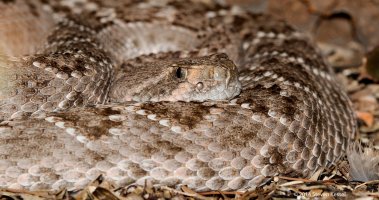
Western Diamondback Rattlesnake. Photographed in a friend's front yard, where the snake lives in peace and undisturbed by passersby.
Canon 5Diii, 180 f3.5L Macro Lens, ISO 320 "M" setting, f7.1 @ 1/60, scene lighted by Canon 600 EX-RT Speedlight, with diffuser.
Canon 5Diii, 180 f3.5L Macro Lens, ISO 320 "M" setting, f7.1 @ 1/60, scene lighted by Canon 600 EX-RT Speedlight, with diffuser.
Attachments
Upvote
0

Hi Steven.
Cool shot, I like the detail you captured.
Does your friend have a "BEWARE OF THEDOG RATTLER" sign? ;D
I like the idea of leaving nature be, but not sure I would like to live with something so easily pissed of and so deadly when it is, in the proximity! Does he keep it well fed?
Cheers Graham.
Cool shot, I like the detail you captured.
Does your friend have a "BEWARE OF THE
I like the idea of leaving nature be, but not sure I would like to live with something so easily pissed of and so deadly when it is, in the proximity! Does he keep it well fed?
Cheers Graham.
steven kessel said:Western Diamondback Rattlesnake. Photographed in a friend's front yard, where the snake lives in peace and undisturbed by passersby.
Canon 5Diii, 180 f3.5L Macro Lens, ISO 320 "M" setting, f7.1 @ 1/60, scene lighted by Canon 600 EX-RT Speedlight, with diffuser.
Upvote
0

Valvebounce said:Hi Steven.
Cool shot, I like the detail you captured.
Does your friend have a "BEWARE OF THEDOGRATTLER" sign? ;D
I like the idea of leaving nature be, but not sure I would like to live with something so easily pissed of and so deadly when it is, in the proximity! Does he keep it well fed?
Cheers Graham.
steven kessel said:Western Diamondback Rattlesnake. Photographed in a friend's front yard, where the snake lives in peace and undisturbed by passersby.
Canon 5Diii, 180 f3.5L Macro Lens, ISO 320 "M" setting, f7.1 @ 1/60, scene lighted by Canon 600 EX-RT Speedlight, with diffuser.
I would never leave a full grown diamondback anywhere near my property....you're just asking for trouble by doing that.
But, to each their own!
Nice detail in that photo!
Upvote
0
Rattlers are common where I live (southeastern Arizona) and one learns a thing or two about them after a while. First, they are utterly uninterested in people. Rattlesnakes don't "attack" people, they defend themselves when interfered with. Yes, it's possible to get bitten if you put your feet or your hands where they shouldn't be or if you forget to watch where you walk, but statistically, more than 2/3 of rattlesnake bites occur when people deliberately interfere with the snake. The basic rule is: leave the snake alone and it won't bother you. The second rule is: always stay outside of striking range, which is a minimum of 2/3 the length of the snake. Stay 3 feet away from a 3-foot rattler and it can't reach you.
These are also highly beneficial reptiles in that they keep down the rodent population. Arizona has many times more packrats than rattlers and packrats can do a lot of damage to property whereas rattlesnakes do none.
I see rattlesnakes here at least a couple of times a month, especially during the warmer months. They're everywhere. Seeing so many of them is conducive to developing a "live and let live" attitude about these beautiful animals. I might add that snakebite is a very rare phenomenon even though there are many snakes living here. In a state with a population of about 9 million people -- augmented by several million tourists each year -- we experience only about 300 rattlesnake bites per year. One has a much bigger chance of being hit by a car while out walking than being bitten by a snake.
That said, I'd never leave a snake in a location where there is a risk that someone could blunder into it. A snake on a sidewalk or on the front doorstep needs to be moved to a safer location. Don't try doing that if you see one, call a professional to do it for you. In my community the local fire department will gladly remove troublesome snakes.
These are also highly beneficial reptiles in that they keep down the rodent population. Arizona has many times more packrats than rattlers and packrats can do a lot of damage to property whereas rattlesnakes do none.
I see rattlesnakes here at least a couple of times a month, especially during the warmer months. They're everywhere. Seeing so many of them is conducive to developing a "live and let live" attitude about these beautiful animals. I might add that snakebite is a very rare phenomenon even though there are many snakes living here. In a state with a population of about 9 million people -- augmented by several million tourists each year -- we experience only about 300 rattlesnake bites per year. One has a much bigger chance of being hit by a car while out walking than being bitten by a snake.
That said, I'd never leave a snake in a location where there is a risk that someone could blunder into it. A snake on a sidewalk or on the front doorstep needs to be moved to a safer location. Don't try doing that if you see one, call a professional to do it for you. In my community the local fire department will gladly remove troublesome snakes.
Upvote
0
Hi Steven.
I imagine that your friends yard is a fair size if they are far enough out of the town to have a snake, our friends in Phoenix have quite a large yard, and they are far enough out of the city to be close to wildlife.
If we had a 3ft rattler in our front yard it would be difficult not to get in range of it whilst walking to the door! Ours is called a yard because it is! ;D
Well ok it's about 4 yds by 3yds!
Thanks for the education on the risk involved, I know we were told to watch where we walked if we went out in the natural environment, and to stop if we heard a rattle, not move until it was located then back away slowly so as not to alarm it further, I was aware that they only bite in defence if threatened. I have been led to understand some of the rattlesnake species are more prone to bite than others, or they feel threatened more easily.
Cheers Graham.
I imagine that your friends yard is a fair size if they are far enough out of the town to have a snake, our friends in Phoenix have quite a large yard, and they are far enough out of the city to be close to wildlife.
If we had a 3ft rattler in our front yard it would be difficult not to get in range of it whilst walking to the door! Ours is called a yard because it is! ;D
Well ok it's about 4 yds by 3yds!
Thanks for the education on the risk involved, I know we were told to watch where we walked if we went out in the natural environment, and to stop if we heard a rattle, not move until it was located then back away slowly so as not to alarm it further, I was aware that they only bite in defence if threatened. I have been led to understand some of the rattlesnake species are more prone to bite than others, or they feel threatened more easily.
Cheers Graham.
Upvote
0
steven kessel said:Rattlers are common where I live (southeastern Arizona) and one learns a thing or two about them after a while. First, they are utterly uninterested in people. Rattlesnakes don't "attack" people, they defend themselves when interfered with. Yes, it's possible to get bitten if you put your feet or your hands where they shouldn't be or if you forget to watch where you walk, but statistically, more than 2/3 of rattlesnake bites occur when people deliberately interfere with the snake. The basic rule is: leave the snake alone and it won't bother you. The second rule is: always stay outside of striking range, which is a minimum of 2/3 the length of the snake. Stay 3 feet away from a 3-foot rattler and it can't reach you.
These are also highly beneficial reptiles in that they keep down the rodent population. Arizona has many times more packrats than rattlers and packrats can do a lot of damage to property whereas rattlesnakes do none.
I see rattlesnakes here at least a couple of times a month, especially during the warmer months. They're everywhere. Seeing so many of them is conducive to developing a "live and let live" attitude about these beautiful animals. I might add that snakebite is a very rare phenomenon even though there are many snakes living here. In a state with a population of about 9 million people -- augmented by several million tourists each year -- we experience only about 300 rattlesnake bites per year. One has a much bigger chance of being hit by a car while out walking than being bitten by a snake.
That said, I'd never leave a snake in a location where there is a risk that someone could blunder into it. A snake on a sidewalk or on the front doorstep needs to be moved to a safer location. Don't try doing that if you see one, call a professional to do it for you. In my community the local fire department will gladly remove troublesome snakes.
Glad to hear that the FD will remove it at no cost to you.
Upvote
0


Gorilla from the Memphis Zoo. 6d, Tamron 150-600 at 600mm f6.3, 1/125s, ISO 4000
 Staring into your Soul by jmn804, on Flickr
Staring into your Soul by jmn804, on Flickr
Upvote
0

ifp said:Gorilla from the Memphis Zoo. 6d, Tamron 150-600 at 600mm f6.3, 1/125s, ISO 4000
Just excellent and fascinating!
Upvote
0
ifp said:Gorilla from the Memphis Zoo. 6d, Tamron 150-600 at 600mm f6.3, 1/125s, ISO 4000
intense! nice job!
Upvote
0
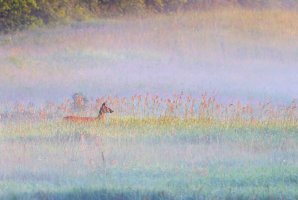
Northstar said:early morning fog and a doe hidden in the tall grasses...
300mm 2.8 at 420mm.
Very nice done!
Upvote
0
Similar threads


- Replies
- 0
- Views
- 559

- Replies
- 55
- Views
- 4K


