
Sigma 12mm f/1.4 DC Specifications for Canon RF-S

Richard Cox
3 Min Read

When you purchase through links on our site, we may earn an affiliate commission. Here's how it works.

Some more details have emerged just before the release date of the Sigma 12mm f1.4. This lens will be available for the Canon RF mount as well as Fuji, L-mount, and Sony E-mount. We previously talked about this back in June, and finally, we have some more information.

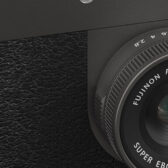
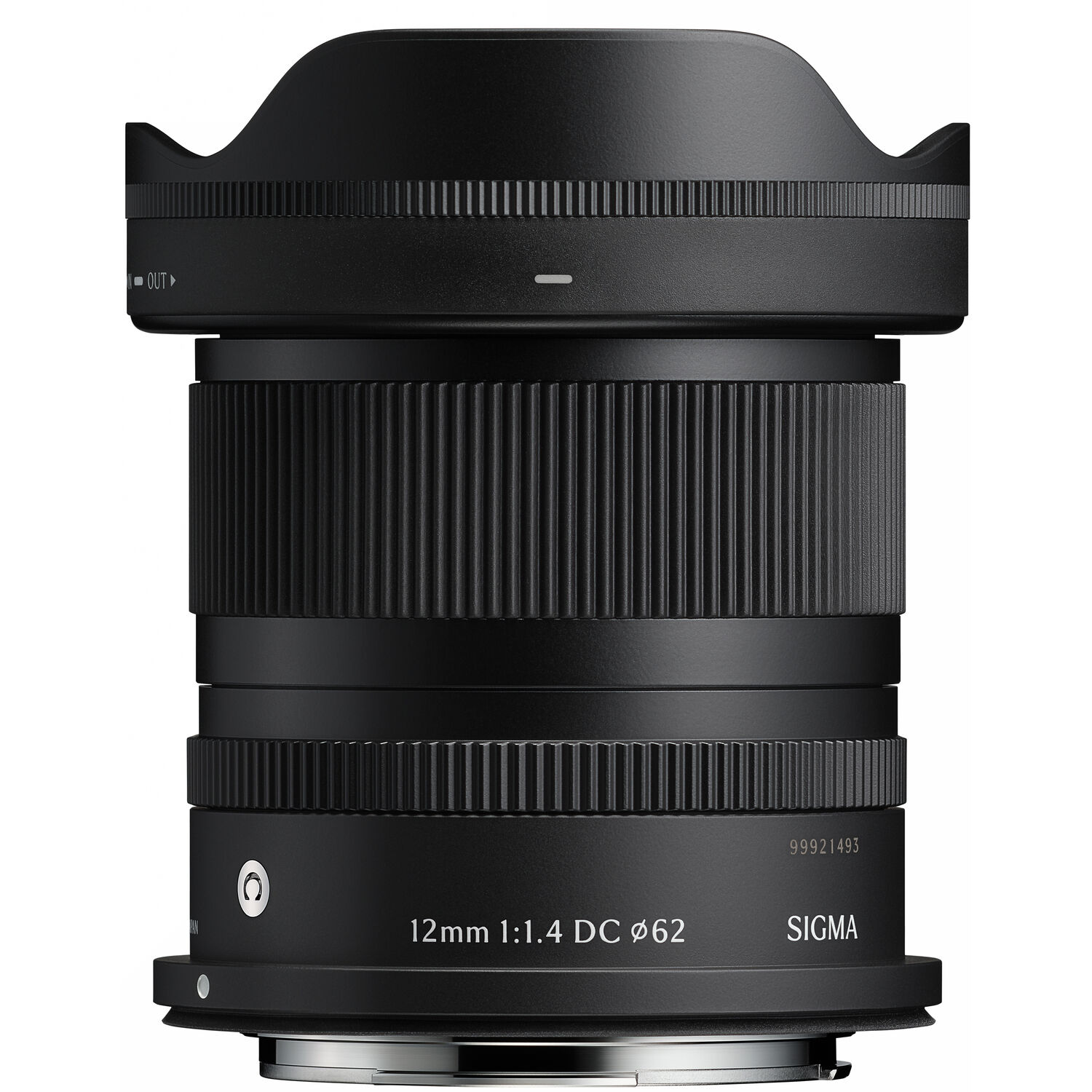
This will be a nice, fast ultra-wide lens for those who want to use a smaller camera and perhaps dabble in astrolandscape photography. The optical formula is relatively complex at 12 groups and 14 elements, and includes a 9-blade aperture. The Canon RF mount lens will also feature a control ring. The Sigma 12mm will also feature weather sealing and should be a perfect complement to Canon's higher-end APS-C cameras, such as the EOS R7.
Sigma 12mm f/1.4 DC
Sigma 12mm f/1.4 DC Contemporary
  • APS-C | f/1.4 to f/16
  • 19.2mm (Full-Frame Equivalent)
  • Fast & Lightweight Wide-Angle Prime
  • Stepping Motor AF System
  • Rounded 9-Blade Diaphragm
  • Control Ring
  • 3 Aspherical Elements, 2 SLD Elements
  • Minimum Focusing Distance: 6.8"
  • Water- and Oil-Repellent Coating
  • Dust- and Splash-Resistant Construction
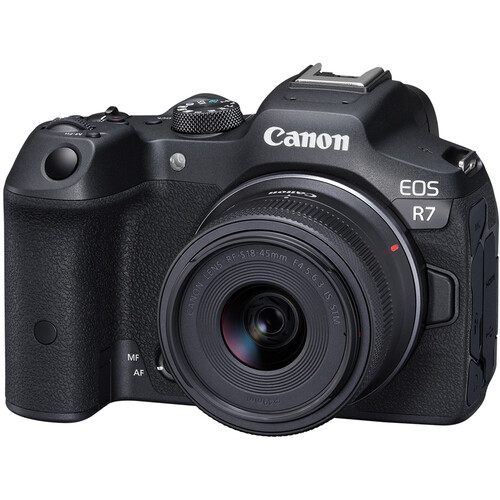
Canon's EOS R7

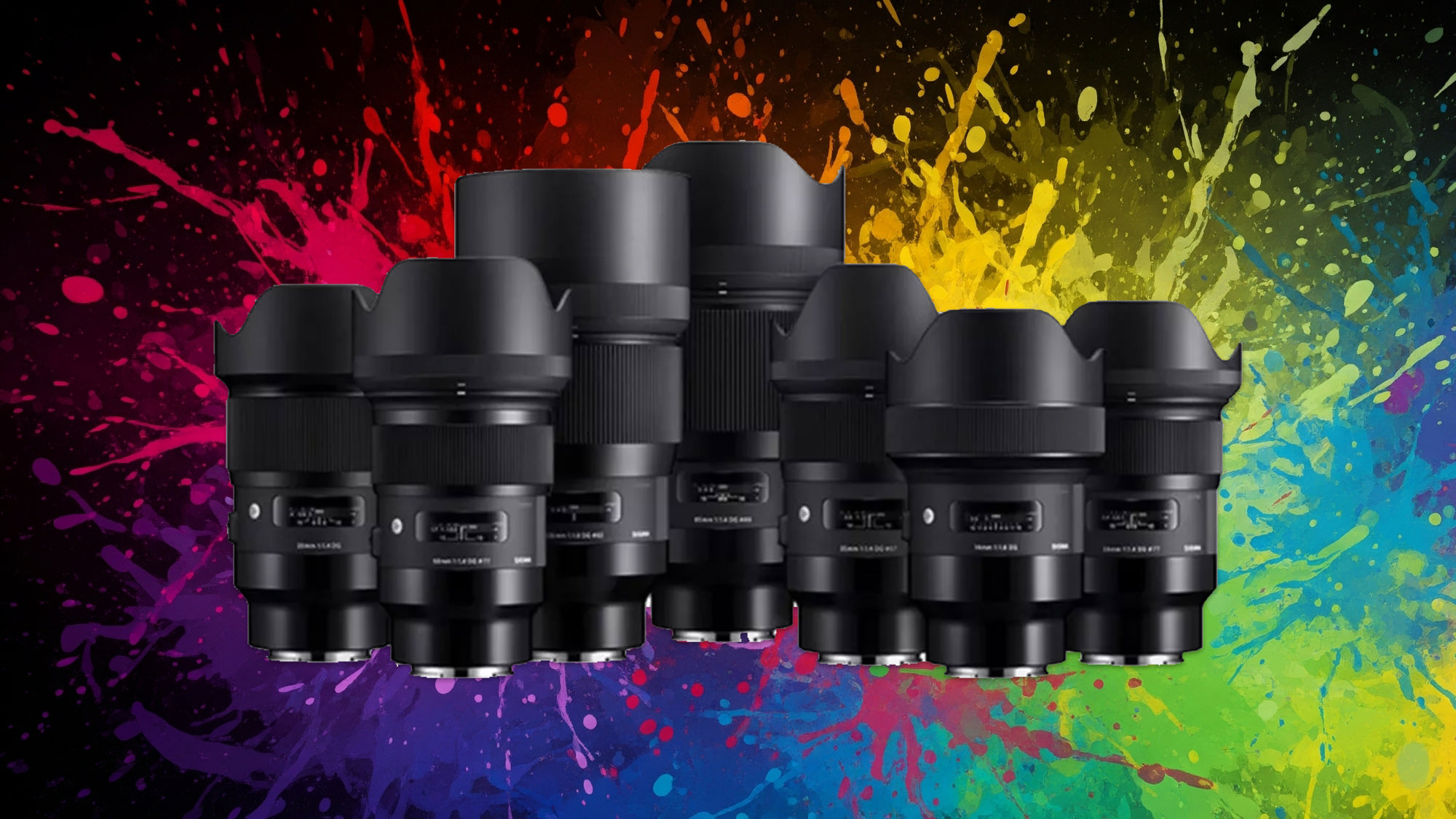
This latest addition to the Sigma RF lineup will make it a nice 5-lens prime kit of f/1.4 primes from Sigma that will include primes of 12, 16, 23, 30, and 55mm. The 12mm is not going to be inexpensive, with the price expected to be around $700 USD for the prime lens. Then again, for a 12mm f/1.4 – this is a rather unique lens, that requires an above-average price.

Tomorrow, Sigma should be announcing two lenses. The Sigma 200mm F2 DG OS and 12mm f/1.4 DC DN are expected to launch.

Sigma's APS-C prime lenses are pretty good, and this lens should be no exception. I look forward to the announcement tomorrow. While they are certainly niche lenses, having more options is never a bad thing.
Sigma 12mm f/1.4 DC Specifications

Lens mountE/X/L/RF
Compatible sensorsAPS-C
focal length12mm
Lens construction14 elements in 12 groups
Maximum apertureF1.4
Minimum apertureF16
Aperture blades9 blades
Minimum focusing distance17.2cm
Maximum magnification1:8.
Filter diameter62mm
Image stabilization
Teleconverter
coatingWater and oil repellent
sizeφ68.0×69.4mm
weight225g
Dustproof and waterproofSimple
AFSTM
Aperture ringEquipped
(except RF mount)
Other controlsControl ring
(RF mount)
accessoriesLens cap
hood
Sigma 12mm f/1.4 DC
Sigma 12mm f/1.4 DC Contemporary
  • APS-C | f/1.4 to f/16
  • 19.2mm (Full-Frame Equivalent)
  • Fast & Lightweight Wide-Angle Prime
  • Stepping Motor AF System
  • Rounded 9-Blade Diaphragm
  • Control Ring
  • 3 Aspherical Elements, 2 SLD Elements
  • Minimum Focusing Distance: 6.8"
  • Water- and Oil-Repellent Coating
  • Dust- and Splash-Resistant Construction

Go to discussion...

SOURCES:Asobinet
Share This Article
Follow:
Richard has been using Canon cameras since the 1990s, with his first being the now legendary EOS-3. Since then, Richard has continued to use Canon cameras and now focuses mostly on the genre of infrared photography.

21 comments

  1. Nice to see Sigma chugging along with some excellent ASP-C options for the R mount. I just wish Canon would open up the full frame mount so we could see reworks of Sigma lenses that Canon never seemed to care about. Specifically, fast UWA for astrophotography and landscape. One can always dream.
  2. I am tired of APS-C lenses from third parties... when is it time for FF?
    When Canon decides that they benefit by allowing FF lenses from third parties. How about a $2000 licensing fee per 200 f/2 lens?
  3. When Canon decides that they benefit by allowing FF lenses from third parties. How about a $2000 licensing fee per 200 f/2 lens?
    At least it would make them show their true color. Right now they are just ignoring the issue and many people still believe it will happen.

    Would they still be willing to wait if they added a fee and allowed it? Probably they would skip to another manufacturer.
  4. I'm really on the fence for this and the 56mm. Do I want to spend serious money on RF-S lenses for the R50V or accept that for some things I'll need the bigger R8 and bigger lenses?
  5. I'm really on the fence for this and the 56mm. Do I want to spend serious money on RF-S lenses for the R50V or accept that for some things I'll need the bigger R8 and bigger lenses?

    I think with "normal" prime lenses with very good optics, it's not a bad choice going with these SIGMA's. They're built well, don't weigh a lot and the full frame Canon primes of good/great image quality are big, heavy and expensive. (The VCM's are good value for what they cost).

    I like having a seperate carry everywhere small camera and lens/lenses.
  6. When Canon decides that they benefit by allowing FF lenses from third parties. How about a $2000 licensing fee per 200 f/2 lens?
    Or Canon could just make an RF-S 12mm 1.4 and similar lenses for a little more than Sigma. Not sure why it's not worth for them.
  7. I am tired of APS-C lenses from third parties... when is it time for FF?


    FFFFuck Canon
    When Sony started mirrorless long before Canon they had but a handfull of lenses for the first 5 years for all their mirrorless. Everyone used "adapters". Zeiss, Sigma and even Canon lenses were used. 90% of users were content. You can read SAR archives. The average consumer can actually care less nowadays because the digital camera with or without native lenses are exceptional devices.
  8. Nice to see Sigma chugging along with some excellent ASP-C options for the R mount. I just wish Canon would open up the full frame mount so we could see reworks of Sigma lenses that Canon never seemed to care about. Specifically, fast UWA for astrophotography and landscape. One can always dream.
    Personally, I really don't care. My Canon EF lenses work just fine. Clients nor anyone can tell if I used a Canon EF or an RF. I have but maybe 2 Canon RF lenses. And Canon is aware of this. There are millions of EF lenses out there still working just fine.
  9. Personally, I really don't care. My Canon EF lenses work just fine. Clients nor anyone can tell if I used a Canon EF or an RF. I have but maybe 2 Canon RF lenses. And Canon is aware of this. There are millions of EF lenses out there still working just fine.
    I use my closet full of EF lenses for photography on RF bodies. However, when I tried to use them for video, they were too noisy and generally didn't work well. Hence, the R50V and 5 Sigma DC primes and zooms.
  10. I use my closet full of EF lenses for photography on RF bodies. However, when I tried to use them for video, they were too noisy and generally didn't work well. Hence, the R50V and 5 Sigma DC primes and zooms.
    Use a separate mic or wireless off camera mic. If you care about sound quality, never use the internal mic for video....
  11. Use a separate mic or wireless off camera mic. If you care about sound quality, never use the internal mic for video....
    I had tried a separate mic and it helped but some of my lenses are 15 and 20 years old. I'm pretty committed. My limited experience has convinced me that getting good video is much easier than getting good audio to go with it. A local historical museum hosted a small movie production a few years ago. The sound person's station had what looked like a dozen receivers for wireless mics.
  12. Why is it that Sigma, a much smaller company than Canon, can release multiple amazing lenses for APS-C, FF - anything from bright ultra-wide to supertele zoom, and for multiple lens mounts, while Canon (with a single mount to focus on) moves at a snail's pace?

Leave a comment

Please log in to your forum account to comment