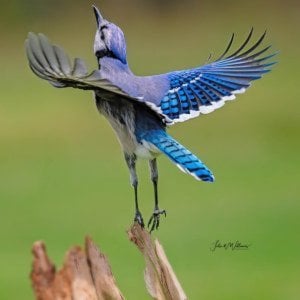
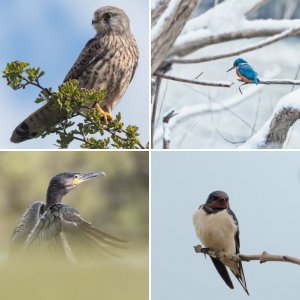
BIRD IN FLIGHT ONLY -- share your BIF photos here

- By Click
- Animal Kingdom
- 8486 Replies
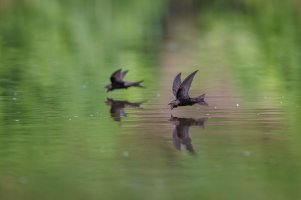
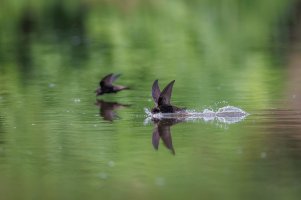
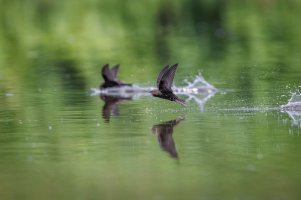
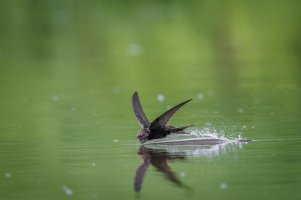
R52 + RF600/4, Apus apus
Nice dynamic shots . I really like the last one. Well done!
Upvote
0
R52 + RF600/4, Apus apus
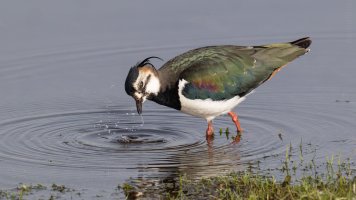
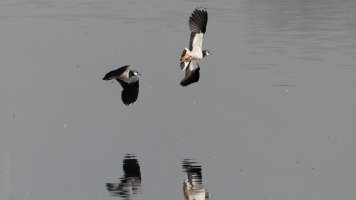
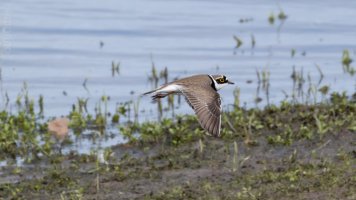
Just because it is a bird in the water doesn't make it a duckLapwings
R5m2 + RF 200-800 + 1.4 TC
View attachment 228941View attachment 228942View attachment 228943


@AlanF stated, "The R5ii combo resolves at least as well - in terms of pixels, not pov, the R7 is only 1.4x not 1.6x." Apparently that was lost on you. Since your previous statement mentioned 'better resolving', he was pointing out that the R7 provides 1.4x more pixels on target than the R5II. He was not talking about only the 'crop factor'.The crop ratio on the APS-C is 1.6x



Alan compares a 45mpx FF to the 32mpx APS-CThe crop ratio on the APS-C is 1.6x
Of cause he knows the crop ratio FF/APS-C.in terms of pixels, not pov
Thank You, Alan! I used tracking.Congratulations on excellent shots! Were you tracking them or could you use pre-capture?
My favorite is FlußseeschwalbeGerman bird names are often very, very weird.

No! The German name of the familiy Charadriidae is "Regenpfeifer" .So it's "Regen river Plover"
So many lies, boasting and exaggerations by Sony's fanboyz make it hard to recognize an April fools post.Remember that Nikon has over half a century's experience in space. They've been providing NASA with space cameras since 1971 during the Apollo program and have been the standard cameras on Apollo (Command Module, not Lunar Module), Apollo/Soyuz, the Shuttle, Skylab and the International Space Station. It's rumored that all the major vendors do submit proposals every time a new camera is called for but fifty years' experience gives Nikon an edge in knowing what is needed and how to build and deliver it.
However, the embarrassing one was that some Sony fans released a fake press release that Sony had been chosen as the new Artemis camera complete with photos of executives, fake quotes and a photo of a Sony camera on a lunar-like background as an April Fools post. It actually got believed by some news sources.

Sorry, but that was painful to read with the massive run-on sentence and no paragraphs.I feel like I missed the boat with canon by going to its mirrorless system . I've been a loyal Canon customer for years and feel like canon is holding me hostage by not allowing third party full frame autofocus lenses like every other manufacture of cameras has done and regretting not purchase and now feel like I should have gone to Nikon when I upgraded to mirrorless and would never again recommend canon to any new photographer now getting started or someone who's looking to upgrade I sold my mirrorless system camera and lenses and that was the time I should have made the move because although I've shown my brand loyalty to canon they have not done the same to its customer loyalty is a two way street canon should have opened up its lenses to third party for its full frame sytem including allowing them to make lens with autofocus but instead looked at it loyal customers as cash cows and not returned the same loyalty to us instead they are beating us up with high prices and no other options and the reason why I recommend other brands now other than Canon particularly Nikon which gives its customers the option of third party and why after years of showing Canon my support and loyalty I'm thinking of making the switch and will never recommend Canon again
To make the things little bit more complicated

 Thanks for sharing, ISv.
You are not the first coming to this forum and in the first post express disappointment about no third party lenses on Canon FF R-system. Just switch.I feel like I missed the boat with canon by going to its mirrorless system . I've been a loyal Canon customer for years and feel like canon is holding me hostage by not allowing third party full frame autofocus lenses like every other manufacture of cameras has done and regretting not purchase and now feel like I should have gone to Nikon when I upgraded to mirrorless and would never again recommend canon to any new photographer now getting started or someone who's looking to upgrade I sold my mirrorless system camera and lenses and that was the time I should have made the move because although I've shown my brand loyalty to canon they have not done the same to its customer loyalty is a two way street canon should have opened up its lenses to third party for its full frame sytem including allowing them to make lens with autofocus but instead looked at it loyal customers as cash cows and not returned the same loyalty to us instead they are beating us up with high prices and no other options and the reason why I recommend other brands now other than Canon particularly Nikon which gives its customers the option of third party and why after years of showing Canon my support and loyalty I'm thinking of making the switch and will never recommend Canon again
That's not why I find with our lenses and bodies. My wife takes the R7 and RF 100-500mm and I take the R5ii and the RF 200-800mm out birding so we frequently compare shots. The R5ii combo resolves at least as well - in terms of pixels, not pov, the R7 is only 1.4x not 1.6x. Both are very satisfactory. She finds it more difficult to focus in tricky conditions. I also use the R7+ RF 100-500mm frequently and find the AF is not as good as as the R5ii combination, especially closer. Here are two typical extreme crops from this week at the limits of resolution where you do expect to see differences. The Wheatear is only 490 px high from the R5ii (bottom inage) and 430 px from the R7 (top image). There's little between them.I've been using the RF 100-500 on an R7 body. The crop factor of the R7 provided an equivalent POV to the 800mm, at 500mm. but is able to also provide 160mm and faster and better resolving.