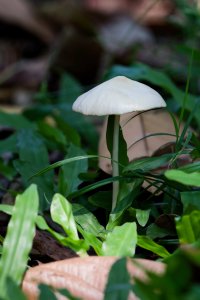
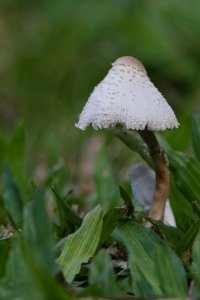
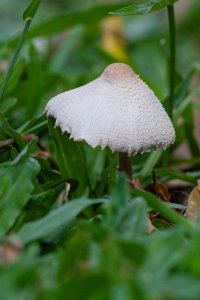
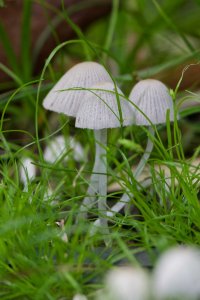
I like the last one best, as the fungus is very well isolated. Great!more stacks
R5 + RF 100L macro
Upvote
0
I like the last one best, as the fungus is very well isolated. Great!more stacks
R5 + RF 100L macro

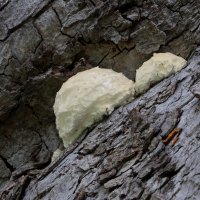
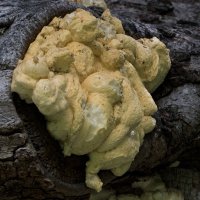
Arborists sometimes use this sort of thing to fill holes etc in damaged trees that could otherwise lead to borers etc getting in. Maybe that's it. I immediately thought of slime mould too - but it doesn't look like it in close-up!It still could be polyurethane! I have to talk with the personnel of the botanical garden. This things are so high on the tree, I can't take a sample...
Problem solved: I took a trip to the same garden and talk with the only gardener that was present - it's a PU spray! They used it to prevent the bees to make a nests on that tree (it has happened in the past resulting in some problems for the visitors/stuffArborists sometimes use this sort of thing to fill holes etc in damaged trees that could otherwise lead to borers etc getting in. Maybe that's it. I immediately thought of slime mould too - but it doesn't look like it in close-up!
 ). Took some fast photos when cursing the garden in search for a gardener.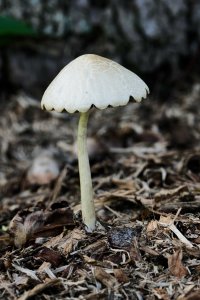
Beautiful little fellow and beautiful bokeh and highlights.A tiny (2mm) one from this afternoon:
Judging by the size and the white lamellae it's probably a species of Mycena.
Thank you! It's on a particular fallen moss-covered log on a walk a little way from my house. The light and angles from it are just tailor-made for shots like this. I've had a lot of good results from it over the years.I really like this picture. Very nice composition.
Well done, Jethro.
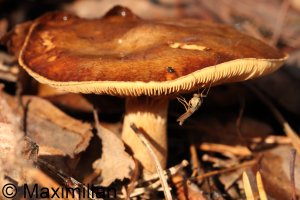
?!: it looks Like a Lactarius (Milchling) but isn't it so early? If you have an opportunity to pass around again could you scratch the gills to see if there is some "milk" drops to appear?
Thanks once again, ISv, for sharing your knowledge.?!: it looks Like a Lactarius (Milchling) but isn't it so early? ...