PART 1:
The Arctic has always had a special place in my heart with pristine landscapes, elusive wildlife, and invigorating solitude. I am no stranger to Svalbard, having been in March 2019 for a land-based expedition, and in April 2024 for a cruise around the Archipelago with Norwegian travel company Arctic Wildlife Tours.
Both times I chose to come in the winter, as it is my favourite season from a wildlife photography perspective, so when the team at Arctic Wildlife Tours offered me to join their summer voyage, I did not know what to expect!
The regulations on Svalbard have gone through a seismic shift at the start of 2025 with new rules in place making close wildlife encounters much more difficult.
Not wanting to get into a debate on the pros and cons of the new rules, but they seem to be a blanket “one size fits all” hard line despite a completely clean track record of wildlife welfare from the more reputable small scale expedition companies.
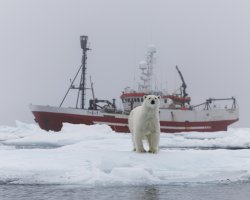
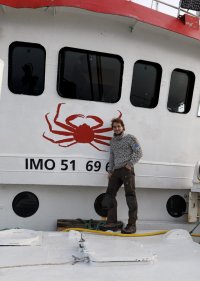
This is important context to both the season choice, and the new star of the show, M/S Kvitungen, a snow crab fishing vessel chartered for the 2025 season.
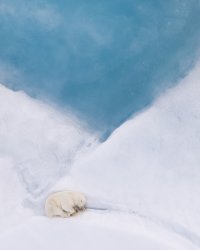
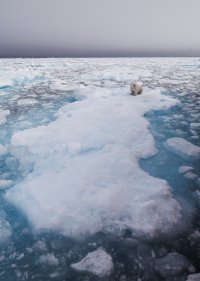
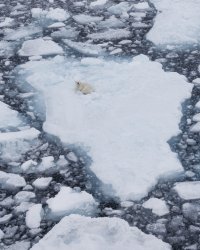
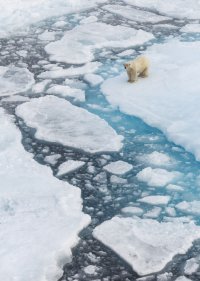
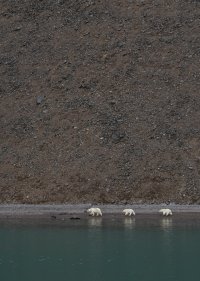
Prior to the new regulations, boats could sail around Svalbard on the lookout for wildlife and, whenever possible, launch smaller boats to get up close for great photographic opportunities. With the introduction of the new rules, from March 1st to June 30th a minimum distance of 500 meters from polar bears is mandated. This distance drops to 300 meters the rest of the year. Whilst this is still acceptable for environmental shots (we will see an example later below), you will never get a frame filler, even with the largest lens.
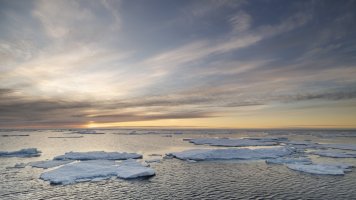
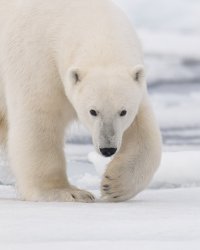
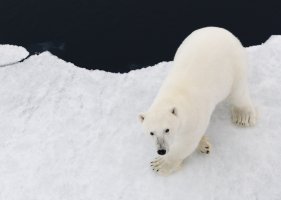
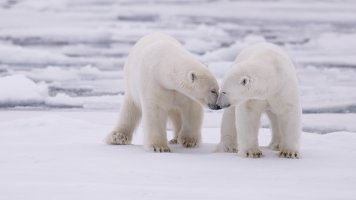
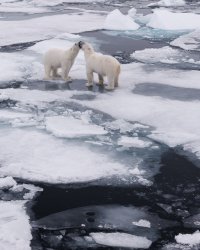
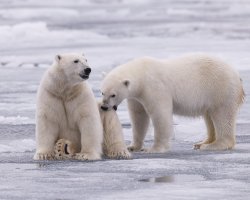
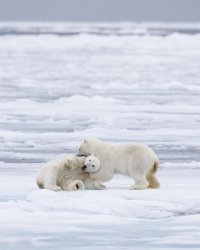
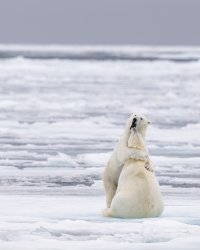
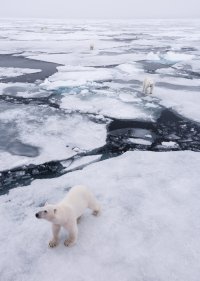
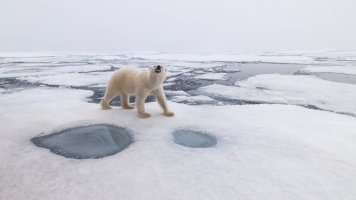
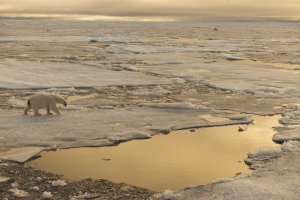
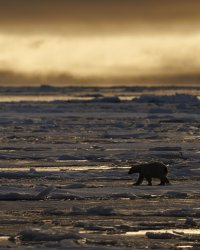
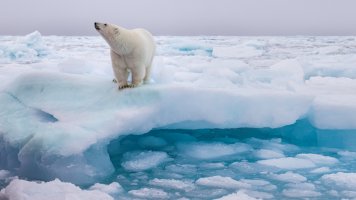
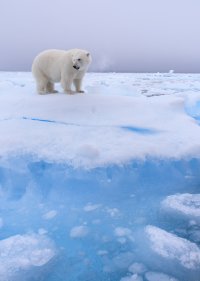
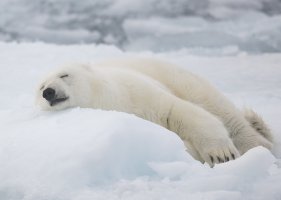
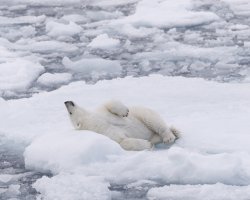
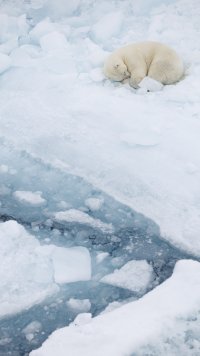
To experience polar bears up close, encounters must take place outside of the regulation framework up in international waters where, in the summer, the sea ice retreats and with it, a large population of polar bears.
There they can still hunt seals or scavenge on whale or seal carcasses, providing a healthy food source ahead of the harsh Arctic winter.
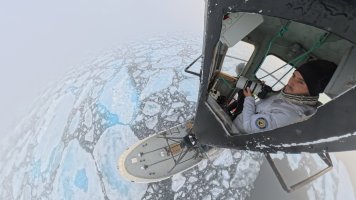
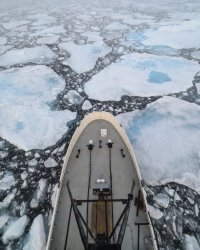
Having a boat with the ability to go deep into the pack ice without risking getting stuck is critical to successful encounters.
Arctic Wildlife Tour’s M/S Kvitungen is a powerful ship with a high ice class, allowing it to comfortably navigate in what is a deadly maze of ice for most of the other ships in her category.
Now as you have this background, here are the highlights of my summer 2025 trip to Svalbard and Arctic pack ice.
Phase 1: Longyearbyen
My two main worries with cruises are 1) missing a connection and arriving after the ship has departed 2) my luggage missing the connection and arriving after the ship has departed!
For these reasons, I often get there at least three days ahead of departure to allow a buffer for any calamity. This gives me ample time to explore the local area and search for wildlife.
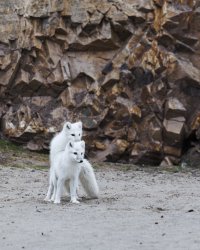
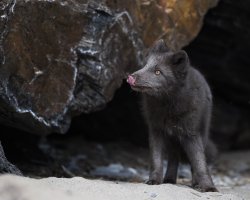
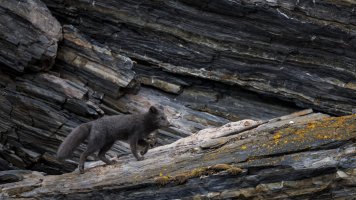
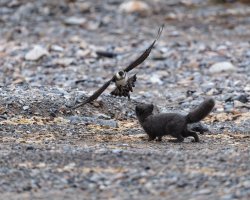
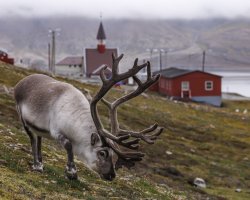
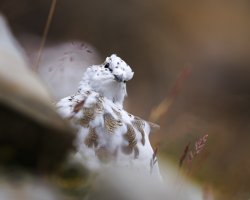
A “polar bear” safe zone covers most of Longyearbyen and is home to most of the iconic wildlife of the Archipelago. In the space of three days, I bumped into five reindeer (including one by the main church), more Svalbard rock ptarmigans and purple sandpipers than I can count, three arctic foxes and a family of red throated divers.
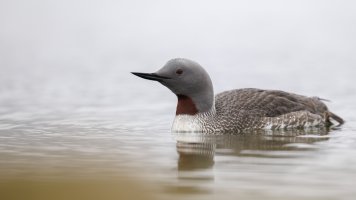
Canon EOS R5ii, RF 600mm f/4, f/4, 1/1000, ISO 800
The wildlife on Svalbard is not afraid of human presence and will get close as long as you abide by a few principles:
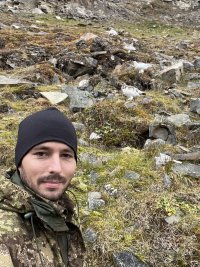
One with the Svalbard Rock Ptarmigans
Spotting wildlife in Longyearbyen can be luck of the draw, and if you are not finding what you are after there are plenty of reputable companies offering wildlife excursions in the surrounding wilderness.
Phase 2: Boarding and making our way up North
We boarded the ship at 4pm in the afternoon from the Longyearbyen pier. After a quick briefing on the general plan for the week, we all got to fill up the nooks and crannies of the ship with our camera gear. Misplacing lenses, batteries, camera bodies and others quickly became a recurring theme for this trip! With all the back and forth between deck and galley via the mess and cabins, the step count was just about enough to balance the delicious food cooked daily.
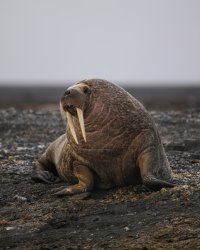
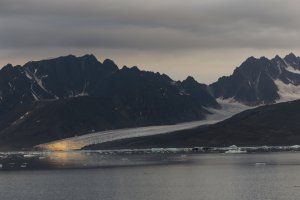
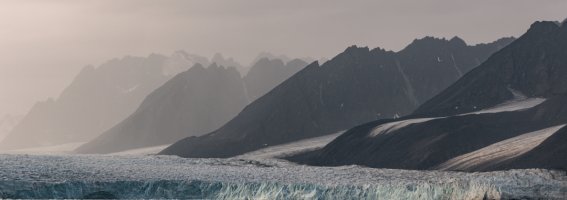
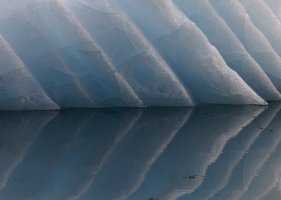
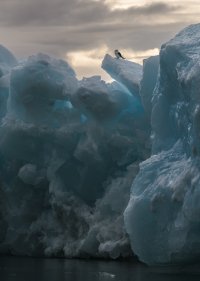
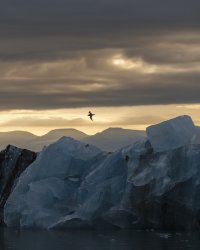
After a long night in moderate swell, we reached our first stop, Bjørnfjorden, a beautiful glacier front with deep blue ice and very relaxed walrus.
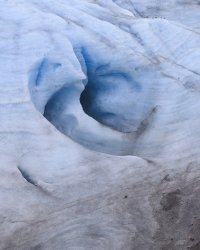
Canon EOS R5ii, RF 600mm f/4, f/6.3, 1/800, ISO 400 – notice the kittiwakes on top
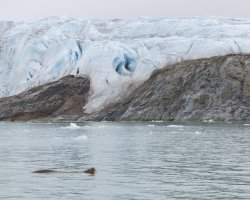
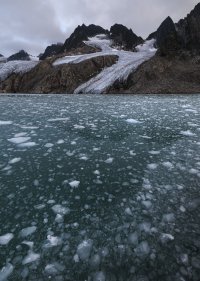
Canon EOS R3, RF 70-200mm f/2.8, f/5.6, 115mm, 1/160, ISO 100
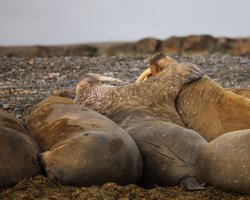
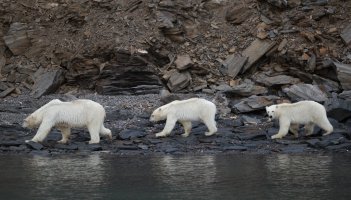
We then carried on North until we spotted our very first bear at 79º24N 10º23 E, facing off a small colony of Walruses. As this was still pretty much inside the Svalbard waters, we could only observe the scene from a distance.
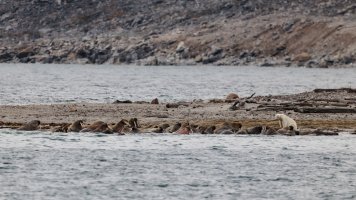
Canon EOS R5ii, RF 600mm f/4 + 1.4x, 840mm, f/5.6, 1/800, ISO 800
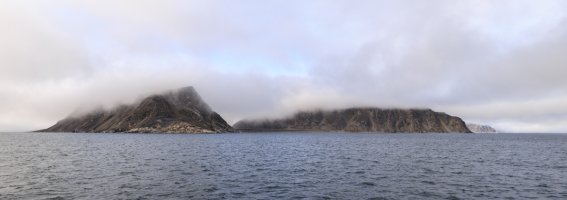
The rest of the day was spent at sea, making our way towards Lågøya, a Walrus haul out spot which we would reach the next day at 3AM.
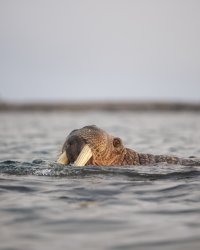
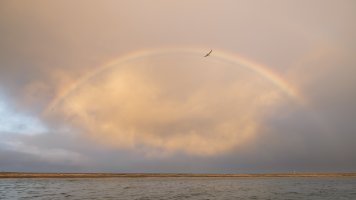
This was our first Zodiac outing, and we were greeted with great light but little Walrus activity!
The Arctic has always had a special place in my heart with pristine landscapes, elusive wildlife, and invigorating solitude. I am no stranger to Svalbard, having been in March 2019 for a land-based expedition, and in April 2024 for a cruise around the Archipelago with Norwegian travel company Arctic Wildlife Tours.
Both times I chose to come in the winter, as it is my favourite season from a wildlife photography perspective, so when the team at Arctic Wildlife Tours offered me to join their summer voyage, I did not know what to expect!
The regulations on Svalbard have gone through a seismic shift at the start of 2025 with new rules in place making close wildlife encounters much more difficult.
Not wanting to get into a debate on the pros and cons of the new rules, but they seem to be a blanket “one size fits all” hard line despite a completely clean track record of wildlife welfare from the more reputable small scale expedition companies.
This is important context to both the season choice, and the new star of the show, M/S Kvitungen, a snow crab fishing vessel chartered for the 2025 season.
Prior to the new regulations, boats could sail around Svalbard on the lookout for wildlife and, whenever possible, launch smaller boats to get up close for great photographic opportunities. With the introduction of the new rules, from March 1st to June 30th a minimum distance of 500 meters from polar bears is mandated. This distance drops to 300 meters the rest of the year. Whilst this is still acceptable for environmental shots (we will see an example later below), you will never get a frame filler, even with the largest lens.
To experience polar bears up close, encounters must take place outside of the regulation framework up in international waters where, in the summer, the sea ice retreats and with it, a large population of polar bears.
There they can still hunt seals or scavenge on whale or seal carcasses, providing a healthy food source ahead of the harsh Arctic winter.
Having a boat with the ability to go deep into the pack ice without risking getting stuck is critical to successful encounters.
Arctic Wildlife Tour’s M/S Kvitungen is a powerful ship with a high ice class, allowing it to comfortably navigate in what is a deadly maze of ice for most of the other ships in her category.
Now as you have this background, here are the highlights of my summer 2025 trip to Svalbard and Arctic pack ice.
Phase 1: Longyearbyen
My two main worries with cruises are 1) missing a connection and arriving after the ship has departed 2) my luggage missing the connection and arriving after the ship has departed!
For these reasons, I often get there at least three days ahead of departure to allow a buffer for any calamity. This gives me ample time to explore the local area and search for wildlife.
A “polar bear” safe zone covers most of Longyearbyen and is home to most of the iconic wildlife of the Archipelago. In the space of three days, I bumped into five reindeer (including one by the main church), more Svalbard rock ptarmigans and purple sandpipers than I can count, three arctic foxes and a family of red throated divers.
Canon EOS R5ii, RF 70-200mm f/2.8, 115mm, f/5.6, 1/400, ISO 200
Canon EOS R5ii, RF 600mm f/4, f/4, 1/500, ISO 800
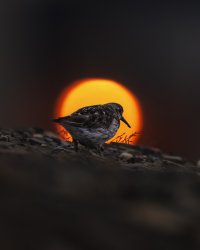
Canon EOS R5ii, RF 600mm f/4, f/4, 1/1000, ISO 6400
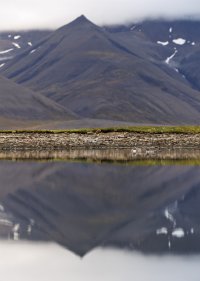
Canon EOS R5ii, RF 70-200mm f/2.8, f/4.5, 135mm, 1/200, ISO 200
Canon EOS R5ii, RF 600mm f/4, f/4, 1/1000, ISO 6400
Canon EOS R5ii, RF 70-200mm f/2.8, f/4.5, 135mm, 1/200, ISO 200
Canon EOS R5ii, RF 600mm f/4, f/4, 1/1000, ISO 800
The wildlife on Svalbard is not afraid of human presence and will get close as long as you abide by a few principles:
- Don’t chase, look at the direction of travel, position yourself ahead, sit and wait. Let the wildlife approach you
- No sudden movement, loud noise or erratic behaviour. Be mindful of Velcro, straps, filters, shutter sounds etc
- Do not obstruct obvious exits/escape routes. Stand out of the way and chances are they will walk right past you
- Take your time when leaving. Your exit should be as slow and steady as your approach and the wildlife might not even notice you!
One with the Svalbard Rock Ptarmigans
Spotting wildlife in Longyearbyen can be luck of the draw, and if you are not finding what you are after there are plenty of reputable companies offering wildlife excursions in the surrounding wilderness.
Phase 2: Boarding and making our way up North
We boarded the ship at 4pm in the afternoon from the Longyearbyen pier. After a quick briefing on the general plan for the week, we all got to fill up the nooks and crannies of the ship with our camera gear. Misplacing lenses, batteries, camera bodies and others quickly became a recurring theme for this trip! With all the back and forth between deck and galley via the mess and cabins, the step count was just about enough to balance the delicious food cooked daily.
After a long night in moderate swell, we reached our first stop, Bjørnfjorden, a beautiful glacier front with deep blue ice and very relaxed walrus.
Canon EOS R5ii, RF 600mm f/4, f/6.3, 1/800, ISO 400 – notice the kittiwakes on top
Canon EOS R3, RF 70-200mm f/2.8, f/5.6, 115mm, 1/160, ISO 100
We then carried on North until we spotted our very first bear at 79º24N 10º23 E, facing off a small colony of Walruses. As this was still pretty much inside the Svalbard waters, we could only observe the scene from a distance.
Canon EOS R5ii, RF 600mm f/4 + 1.4x, 840mm, f/5.6, 1/800, ISO 800
The rest of the day was spent at sea, making our way towards Lågøya, a Walrus haul out spot which we would reach the next day at 3AM.
This was our first Zodiac outing, and we were greeted with great light but little Walrus activity!
Canon EOS R3, RF 15-35mm f/2.8, f/6.3, 18mm, 1/125, ISO 400