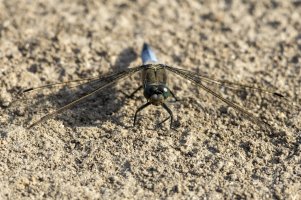
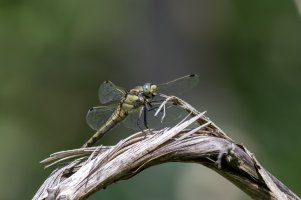
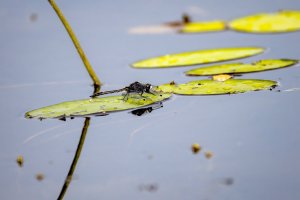
A newly hatched Emperor dragonfly.
Really great catches, guys.
I rarely come across dragons during hatching.
Well done

Upvote
0
A newly hatched Emperor dragonfly.
Really great catches, guys.
Hello everyone
Over the last few years, I’ve mostly taken macro shots with an Olympus – it’s lighter to carry – but I still have lots of photos taken with a Canon on my hard drive.
A newly hatched Emperor dragonfly.
Best regards
Helmut
Anax imperator by Helmut Gloor, auf Flickr
The translucency is interesting.Hello everyone
Over the last few years, I’ve mostly taken macro shots with an Olympus – it’s lighter to carry – but I still have lots of photos taken with a Canon on my hard drive.
A newly hatched Emperor dragonfly.
Best regards
Helmut
Anax imperator by Helmut Gloor, auf Flickr
Yes. That is typical as long as the chitin exoskeleton hasn't hardened.The translucency is interesting.
 Aeshna cyanea by Helmut Gloor, auf Flickr
 Kleine Zangenlibelle by Helmut Gloor, auf Flickr
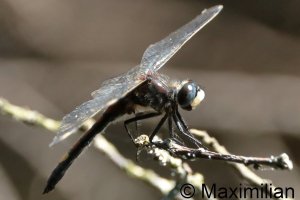
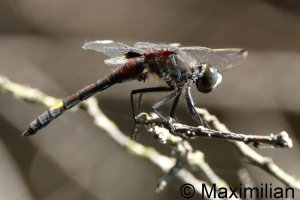
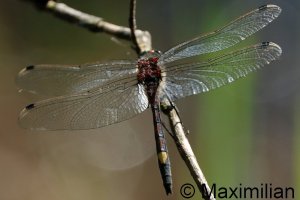
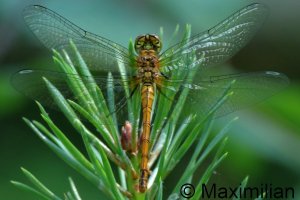
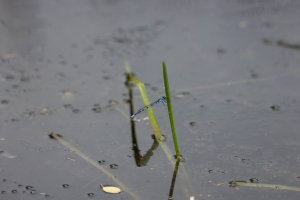
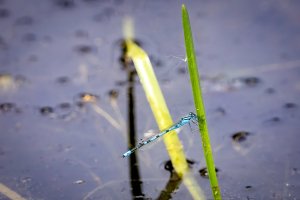
Nice catches. Do I remember right that you are located in Northern America?Damselflies, Insect, marsh bluet (Enallagma ebrium)

I am located in Maine USA. I have no idea how to UD these so I use iNaturalist app.Nice catches. Do I remember right that you are located in Northern America?
With my European POV and the Netherlands based App it is funny to look at its results:
The last one looks pretty much like a small whiteface (Leucorrhinia dubia).
But as you are not located in Europe it should be another member of Leucorrhinia, I'd guess a dot-tailed whiteface (L. intacta).
As you could read above, I was looking for European whitefaces lately and reading though the taxonomy.
The white face and the small yellow spot at the abdomen should be typical for L. dubia. ObsID gives it less than 50%.
For the first and second one ObsID thinks 87 and 100% that it is a common bluet (Enallagma cyathigerum).
Comparing E. ebrium with E. cyathigerum I can understand the confusion of ObsID. Pretty close.