
You are using an out of date browser. It may not display this or other websites correctly.
You should upgrade or use an alternative browser.
You should upgrade or use an alternative browser.
BIRD IN FLIGHT ONLY -- share your BIF photos here
- Thread starter Dylan777
- Start date
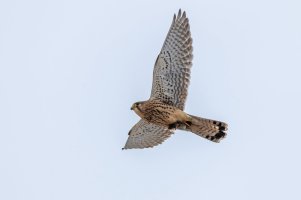
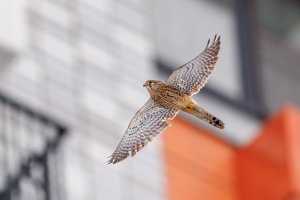
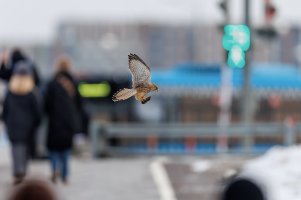


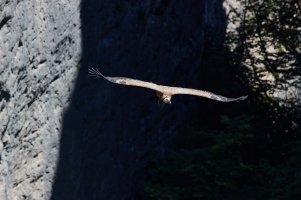


Great shots, even in an unusual enviroment!Falco tinnunculus in the city
How did You manage to use a big white in the city? Most people don't expect a wildlife shooter there!
Upvote
0
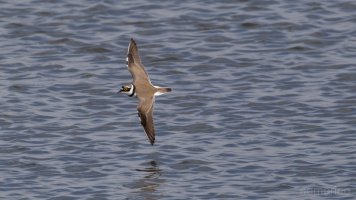
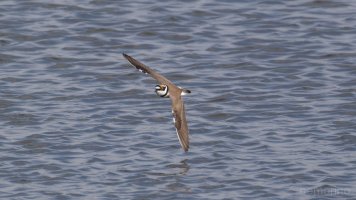
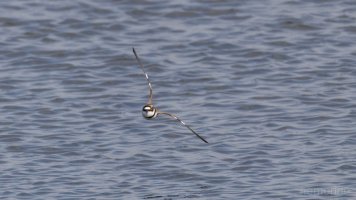
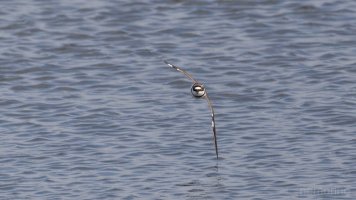
Well done! Those Little Ringed Plovers move very fast.Somewhere I read Ringed Plover.
R5 + RF 200-800 + 1.4TC
@ 1/4000s, f/13, iso 2500
View attachment 228884View attachment 228885View attachment 228886View attachment 228887
Upvote
0
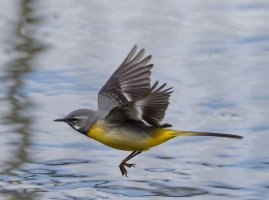
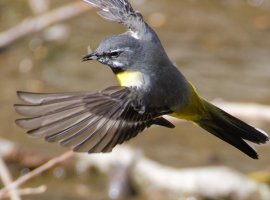

In Germany you have two species of Ringed Plovers: the rare Common Ringed and the more often Little Ringed. The first one has yellow bill with black tip in the breeding plumage. The Little ringed has a mostly black bill in all seasons/plumage. That yellow ring around the eyes is prominent for the Little Ringed and present (but very thin!) in the Common Ringed only in the breeding plumage and only on the males. As Alan says these are difficult to catch in flight!Somewhere I read Ringed Plover.
R5 + RF 200-800 + 1.4TC
@ 1/4000s, f/13, iso 2500
View attachment 228884View attachment 228885View attachment 228886View attachment 228887
Upvote
0
By coincidence I've been studying these for the past week. There's a new fenced off area with a flood close by, and 2 pairs of Little Ringed Plovers have been scurrying around, usually about 80-100m away. On Friday, a pair was on the near side, only some 80m away, and I got an adequate shot of one - in which the bird is only 330 px long with the RF 200-800mm on the R5ii. It does show clearly the eye ring.
and the beak. I posted it on one of the gear threads so here it is again. Yesterday, as they were far away again I had to use the 1.4x on the lens to get to 1120mm, and actually got one flying off from the other. They are ridiculously small but good enough for my records.
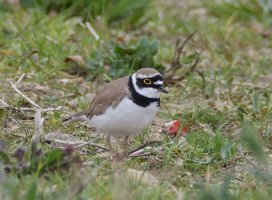
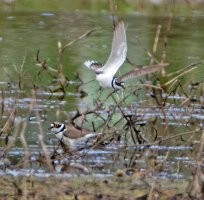
and the beak. I posted it on one of the gear threads so here it is again. Yesterday, as they were far away again I had to use the 1.4x on the lens to get to 1120mm, and actually got one flying off from the other. They are ridiculously small but good enough for my records.
Upvote
0
Somewhere I read Ringed Plover.
I really like the steep turn angle on the last one.

Upvote
0
The German names are more different: Common - Sandregenpfeifer and Little - Flußregenpfeifer.In Germany you have two species of Ringed Plovers: the rare Common Ringed and the more often Little Ringed.
Thank you, Alan! The R5m2 and the RF 200-800 is a good combo to catch them. And I had good luck as they have been close enough.Well done! Those Little Ringed Plovers move very fast.
Some more!

R5m2 + Rf 200-800 + 1.4 TC
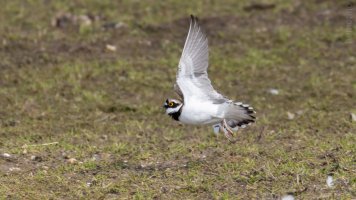
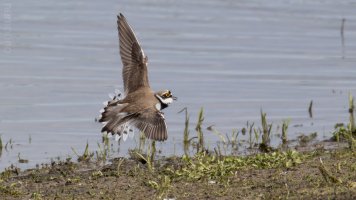
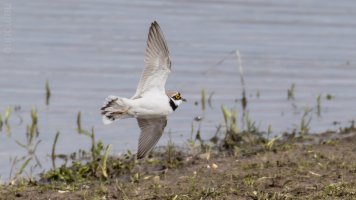
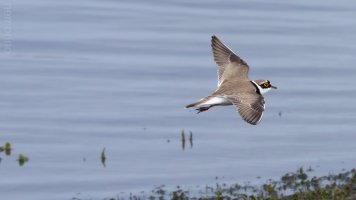
Upvote
0
They are very sharp images considering their size and you were at 1120mm. Congratulations on excellent shots! Were you tracking them or could you use pre-capture?The German names are more different: Common - Sandregenpfeifer and Little - Flußregenpfeifer.
Thank you, Alan! The R5m2 and the RF 200-800 is a good combo to catch them. And I had good luck as they have been close enough.
Some more!
R5m2 + Rf 200-800 + 1.4 TC
View attachment 228916View attachment 228917View attachment 228918View attachment 228919
Upvote
0
So it's "Regen river Plover"The German names are more different: Common - Sandregenpfeifer and Little - Flußregenpfeifer.
Thank you, Alan! The R5m2 and the RF 200-800 is a good combo to catch them. And I had good luck as they have been close enough.
Some more!
R5m2 + Rf 200-800 + 1.4 TC
View attachment 228916View attachment 228917View attachment 228918View attachment 228919
 . I suspect you are not chasing them around Regen river...
Upvote
0
To make the things little bit more complicatedBy coincidence I've been studying these for the past week. There's a new fenced off area with a flood close by, and 2 pairs of Little Ringed Plovers have been scurrying around, usually about 80-100m away. On Friday, a pair was on the near side, only some 80m away, and I got an adequate shot of one - in which the bird is only 330 px long with the RF 200-800mm on the R5ii. It does show clearly the eye ring.
and the beak. I posted it on one of the gear threads so here it is again. Yesterday, as they were far away again I had to use the 1.4x on the lens to get to 1120mm, and actually got one flying off from the other. They are ridiculously small but good enough for my records.
View attachment 228900View attachment 228901
: Semipalmated plover (Charadrius semipalmatus). Non breeding plumage.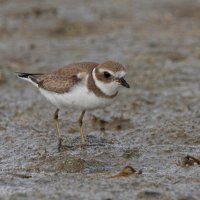
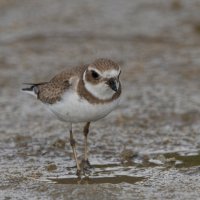
Upvote
0
Regen translates to "rain". I cannot tell you though why that's the translation... I assume they not only come out during rain ;-) German bird names are often very, very weird.So it's "Regen river Plover"
Upvote
0


