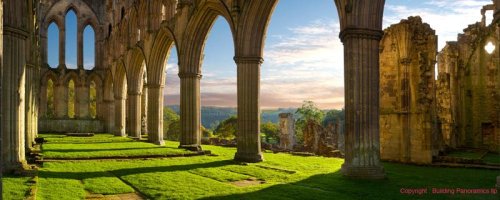
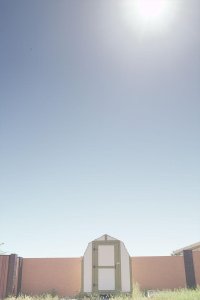
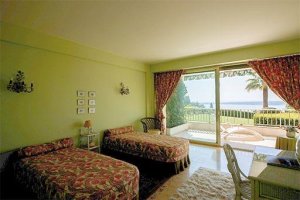
Here is an example of a scene with extreme dynamic range that perfectly demonstrates the "window test" that Art_d mentioned a page or two back:
http://www.flickr.com/photos/26562595@N02/7043690229/#lightbox/
Nearly-blown highlights as well as areas that appear to be completely black, as the scene had around 13 stops of DR. I want to contrast this against the underexposed shed shot...which did not really have even moderately-bright highlights...I think pretty much every pixel was below a middle toned gray in the shed shot. That indicates it was not a DR-limited scene. The scene above, however, is definitely a DR-limited scene...you have every level from near total black to near pure white (and the pixels on the seat of the chair outside on the patio may indeed be clipped whites). This is exactly the kind of scene where having more DR than the 5D III offers is valuable.
The D800's additional two stops of DR allow both the highlights and the deep shadows to be recovered, and recovered completely cleanly, cleanly, devoid of any noise:
http://www.flickr.com/photos/26562595@N02/6897594964/#lightbox/
There was a long period of time where I wasn't really sure of the true value of the extra two stops of DR that the D800 offered until I saw these two shots. I'd seen Fred Miranda's examples, and they were pretty amazing, and that was the first time I'd seen a real-world example of Canon's ugly shadow banding noise. But it was this scene that really blew my mind. Seeing these really demonstrated the value of a near-noiseless sensor...at least 75% of the above scene would fall into "zones 1-3" (maybe only zones 1-2), and yet they recover not only well, but beautifully, and with very good color fidelity!
The RAW files for this scene used to be available here. The link is apparently dead now (they were posted a year ago), but it was amazing messing with these files. Pushing exposure around like it was entirely, losslessly fluid...the only thing I ever saw was a little bit of luminance grain in the deepest shadows (i.e. along the bed fringe of the near lower-left corner bed)...and that was it. It was a little difficult to cleanly correct both the highlights and the shadows as well as the person who posted the versions I linked above (they must have spent some careful time on them), but still...the most amazing example of shadow recovery I think I've seen.
When I first saw these photos was when I decided to wait before I bought any new Canon DSLRs for my landscape photography, and see if they could come out with something that would be capable of something similar. Even the amazing 1D X couldn't recover that scene that cleanly at ISO 100...not without visible banding and blotchy color noise.
http://www.flickr.com/photos/26562595@N02/7043690229/#lightbox/
Nearly-blown highlights as well as areas that appear to be completely black, as the scene had around 13 stops of DR. I want to contrast this against the underexposed shed shot...which did not really have even moderately-bright highlights...I think pretty much every pixel was below a middle toned gray in the shed shot. That indicates it was not a DR-limited scene. The scene above, however, is definitely a DR-limited scene...you have every level from near total black to near pure white (and the pixels on the seat of the chair outside on the patio may indeed be clipped whites). This is exactly the kind of scene where having more DR than the 5D III offers is valuable.
The D800's additional two stops of DR allow both the highlights and the deep shadows to be recovered, and recovered completely cleanly, cleanly, devoid of any noise:
http://www.flickr.com/photos/26562595@N02/6897594964/#lightbox/
There was a long period of time where I wasn't really sure of the true value of the extra two stops of DR that the D800 offered until I saw these two shots. I'd seen Fred Miranda's examples, and they were pretty amazing, and that was the first time I'd seen a real-world example of Canon's ugly shadow banding noise. But it was this scene that really blew my mind. Seeing these really demonstrated the value of a near-noiseless sensor...at least 75% of the above scene would fall into "zones 1-3" (maybe only zones 1-2), and yet they recover not only well, but beautifully, and with very good color fidelity!
The RAW files for this scene used to be available here. The link is apparently dead now (they were posted a year ago), but it was amazing messing with these files. Pushing exposure around like it was entirely, losslessly fluid...the only thing I ever saw was a little bit of luminance grain in the deepest shadows (i.e. along the bed fringe of the near lower-left corner bed)...and that was it. It was a little difficult to cleanly correct both the highlights and the shadows as well as the person who posted the versions I linked above (they must have spent some careful time on them), but still...the most amazing example of shadow recovery I think I've seen.
When I first saw these photos was when I decided to wait before I bought any new Canon DSLRs for my landscape photography, and see if they could come out with something that would be capable of something similar. Even the amazing 1D X couldn't recover that scene that cleanly at ISO 100...not without visible banding and blotchy color noise.
Upvote
0