
You are using an out of date browser. It may not display this or other websites correctly.
You should upgrade or use an alternative browser.
You should upgrade or use an alternative browser.
Show your Bird Portraits
- Thread starter 1982chris911
- Start date

Best viewed on any Apple device or IPS display.
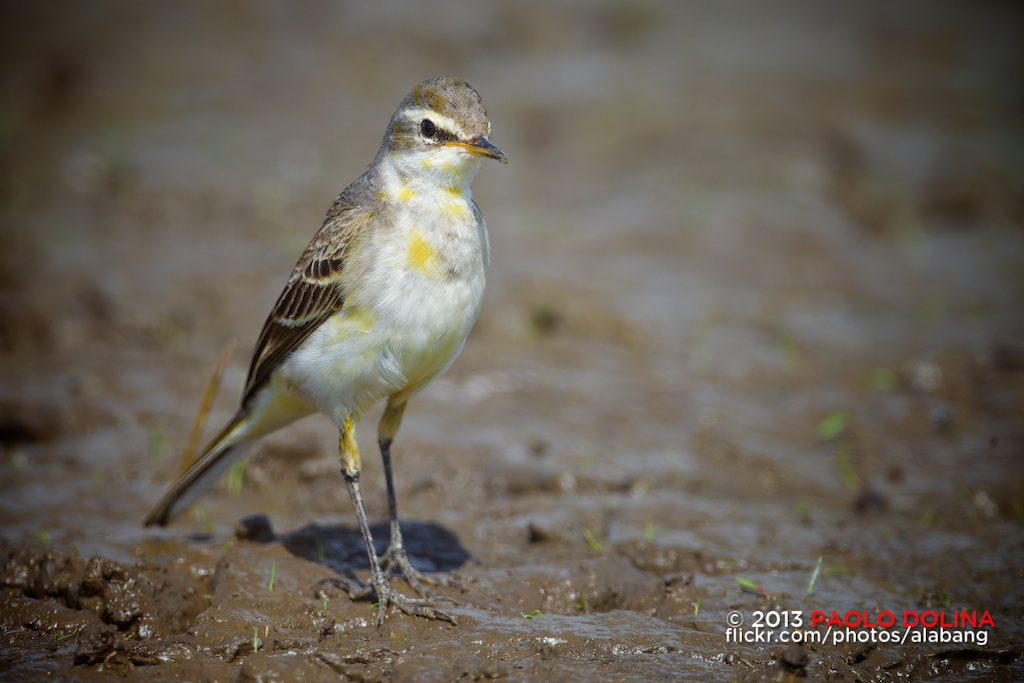
Eastern Yellow Wagtail (Motacilla tschutschensis) by alabang, on Flickr
The Eastern Yellow Wagtail (Motacilla tschutschensis) is a small passerine in the wagtail family Motacillidae, which also includes the pipits and longclaws.
This species breeds in temperate Asia and has a foothold in North America in Alaska. Populations migrate to south Asia and Australia.
Vagrant individuals occur around the winter quarters at migration time. For example, on Palau in Micronesia migrant flocks of this species – apparently of the Bering Sea Yellow Wagtail, and including many adult males – are regularly seen, while further north on the Marianas, only the occasional stray individual – usually females or immatures as it seems – is encountered.[1]
It is a slender 15–16 cm long bird, with the characteristic long, constantly wagging tail of its genus. The breeding adult male is basically olive above and yellow below. In other plumages, the yellow may be diluted by white. The heads of breeding males come in a variety of colours and patterns depending on subspecies.
The call is a characteristic high-pitched jeet.[2]
This insectivorous bird inhabits open country near water, such as wet meadows. It nests in tussocks, laying 4-8 speckled eggs.
Source: http://en.wikipedia.org/wiki/Eastern_Yellow_Wagtail
Location: http://en.wikipedia.org/wiki/Los_Baños,_Laguna
Settings: 1/640 ƒ/5.6 ISO 160 800mm
Eastern Yellow Wagtail (Motacilla tschutschensis) by alabang, on Flickr
The Eastern Yellow Wagtail (Motacilla tschutschensis) is a small passerine in the wagtail family Motacillidae, which also includes the pipits and longclaws.
This species breeds in temperate Asia and has a foothold in North America in Alaska. Populations migrate to south Asia and Australia.
Vagrant individuals occur around the winter quarters at migration time. For example, on Palau in Micronesia migrant flocks of this species – apparently of the Bering Sea Yellow Wagtail, and including many adult males – are regularly seen, while further north on the Marianas, only the occasional stray individual – usually females or immatures as it seems – is encountered.[1]
It is a slender 15–16 cm long bird, with the characteristic long, constantly wagging tail of its genus. The breeding adult male is basically olive above and yellow below. In other plumages, the yellow may be diluted by white. The heads of breeding males come in a variety of colours and patterns depending on subspecies.
The call is a characteristic high-pitched jeet.[2]
This insectivorous bird inhabits open country near water, such as wet meadows. It nests in tussocks, laying 4-8 speckled eggs.
Source: http://en.wikipedia.org/wiki/Eastern_Yellow_Wagtail
Location: http://en.wikipedia.org/wiki/Los_Baños,_Laguna
Settings: 1/640 ƒ/5.6 ISO 160 800mm
Upvote
0
serendipidy said:Beautiful shot of a lovely bird. Well composed and great work.
Many thanks for the kind words serendipidy

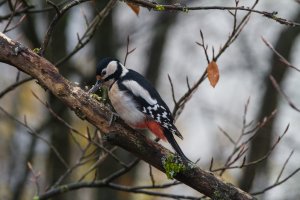
Here's another one (dendrocopos major) from neighbourhood.
Attachments
Upvote
0

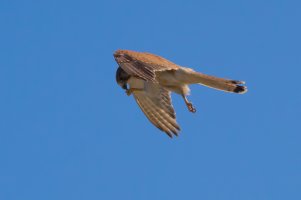
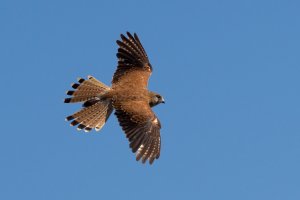
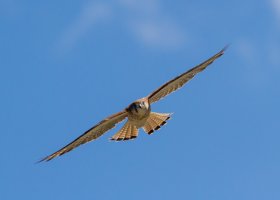

They are all good, but number 4, and particularly number 2, show the timing that turns it from a good photo to a great photo....Skatol said:Just a few from November. 5D3/600mm w/ 1.4TC
Upvote
0
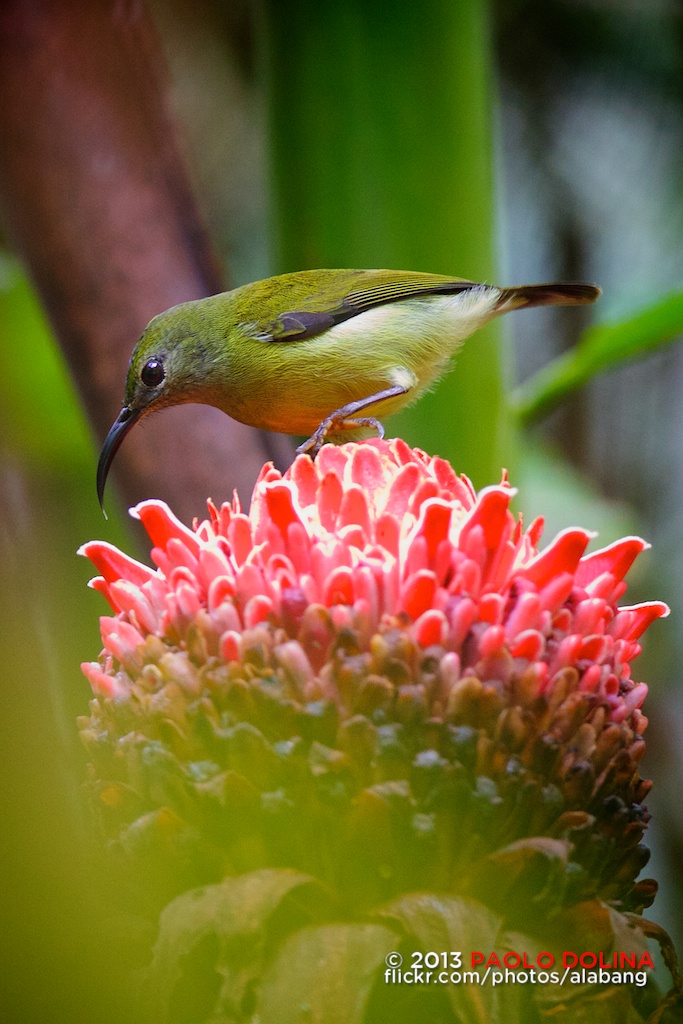
Flaming Sunbird (Aethopyga flagrans) by alabang, on Flickr
The Flaming Sunbird (Aethopyga flagrans) is a species of bird in the Nectariniidae family. It is endemic to the Philippines.
Its natural habitat is subtropical or tropical moist lowland forests.
Male: Very colourful feathers.
Female: Less colourful feathers.
Philippine Birds
Source: http://en.wikipedia.org/wiki/Flaming_Sunbird
Location: http://en.wikipedia.org/wiki/Los_Ba%C3%B1os,_Laguna
Settings: 1/60 ƒ/5.6 ISO 5000 800mm
Upvote
0
Thanks Click and Don. It has been a very good season thus far. I am hoping to get back for some snow shots.Don Haines said:They are all good, but number 4, and particularly number 2, show the timing that turns it from a good photo to a great photo....Skatol said:Just a few from November. 5D3/600mm w/ 1.4TC
Upvote
0

Click said:Skatol said:Just a few from November. 5D3/600mm w/ 1.4TC

I especially love this one. Well done Skatol .
Agreed, 1 & 4 are very nicely captured!
Upvote
0
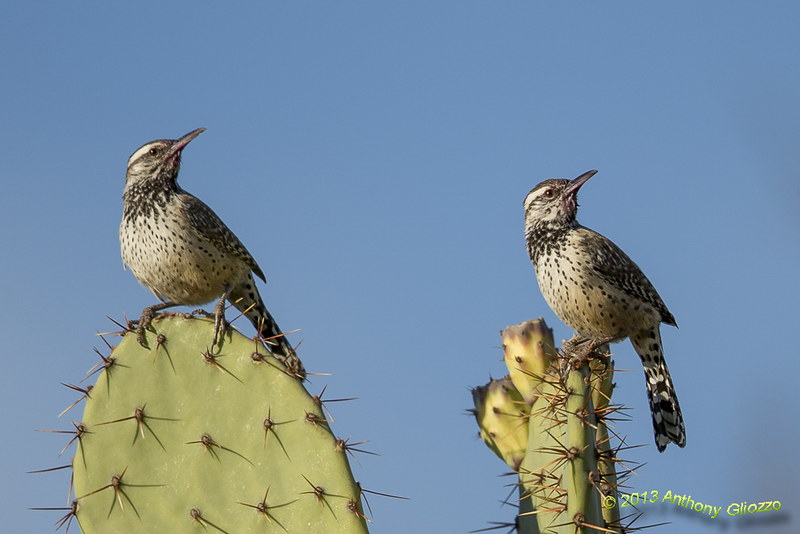
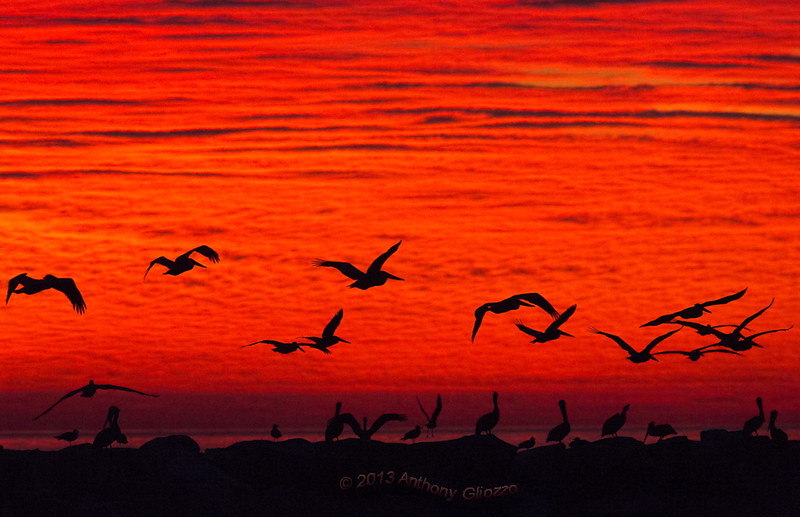
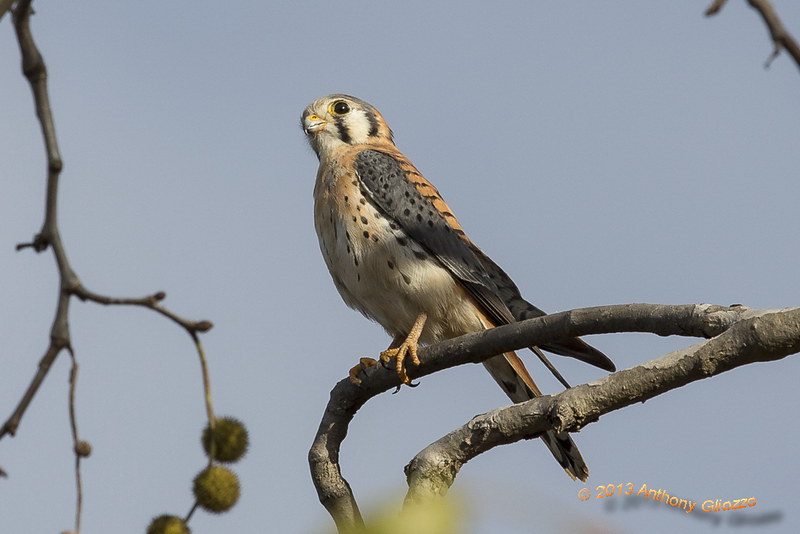
Nice job Rev! I love that in the composition of the 1st image that both the Wrens are looking the same direction, nice! I also love the Kestrel image, I'm partial to them, as you may remember! Nice series, the sunset image is great too! Well done!revup67 said:Here's a few taken with the 600mm IS II F4 on a 5D Mark III. All shots hand held without color modifications
Enjoy!
Two Cactus Wrens - note fruit juice (prickly pears from cactus) around their bill. Their call is most unique and easy to ID as it sounds like a car having a tough time starting up on a cold morning. Since 1931, they have been the Arizona State bird. All shots taken in southern California.
Two Cactus Wrens (11878) by Revup67, on Flickr
"Ridin' The December Sky at 5:05" by Revup67, on Flickr
American Kestrel (11848) by Revup67, on Flickr
Townsend's Warbler (11679) by Revup67, on Flickr
Note rows of "narrowly" drilled holes and protruding sap which attracts insects as well as Rufous Hummingbirds (dependent on season and regional location). The Sapsucker returns for its dinner (sap and insects) while they cling to the sap.
Red-breasted Sapsucker (11710) by Revup67, on Flickr
The Ruby-crowned Kinglet (male) with its crowned raised. The bird is next to impossible to find (though of Least Concern)..tiny and well camouflaged within the branches seeking aphids, caterpillars and the like. The timing has to be precise as its crown is typically flattened and shows as sort of a red speck on its cap.
Ruby-crowned Kinglet (male) 11612 by Revup67, on Flickr


Upvote
0
PhilippP74 said:Great shots everyone!
Here's one of my first attempts at birds. This little fellow (parus major) stopped by this morning.
Canon 7D, 70-200 2.8 MK II with a Kenko 1.4 extender, f4 1/250 ISO 100
Nice job Phillip!
Upvote
0
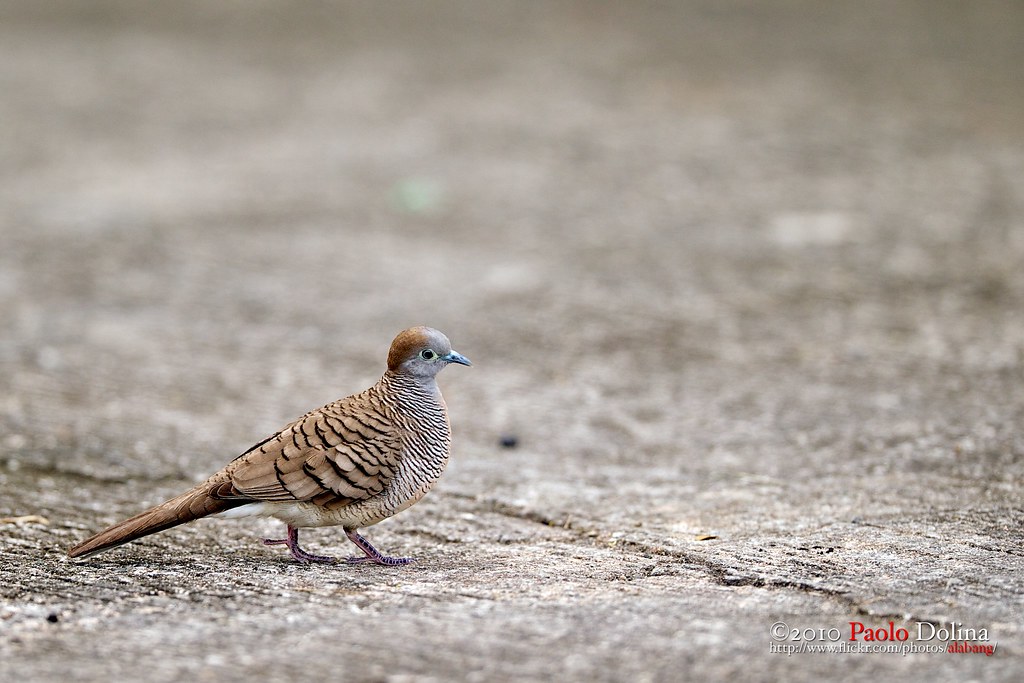
Zebra Dove Geopelia striata by alabang, on Flickr
The Zebra Dove Geopelia striata, also known as Barred Ground Dove, is a bird of the dove family Columbidae, native to South-east Asia. It is closely related to the Peaceful Dove of Australia and New Guinea and the Barred Dove of eastern Indonesia. These two were classified as subspecies of the Zebra Dove until recently and the names Peaceful Dove and Barred Dove were often applied to the whole species.
Source: http://en.wikipedia.org/wiki/Zebra_Dove
Location: http://en.wikipedia.org/wiki/Muntinlupa
Settings: 1/800 ƒ/2.0 ISO 320 200mm
Upvote
0
Yellow Tailed Black Cockatoo. As I arrived home this evening, 3 of them flew up to a nearby tree. I realised that it was 2 parents and a young one (the young one makes a constant calling sound). One of the parents had a cone from a Banksia tree (located in my front garden). They were stripping the cone for the seeds (much like a pine cone). This one, a parent, patiently sat in a tree, as I raced inside to collect the camera and tripod. 2min after this pic, they flew off to a neighbors Hakea bush to continue feeding 
5D3 with 300mm f4 + 1.4x TC

5D3 with 300mm f4 + 1.4x TC
Upvote
0
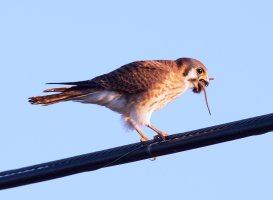
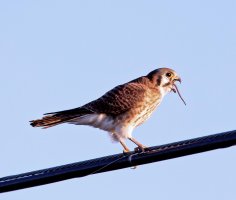
Nice one Steven! Such a hard capture with these little guys! Did you grab this one with your 400mm? I find that the Kestrels are flighty and not real tolerant of company!steven kessel said:I'm tentatively calling this one "Mouse performing endoscopy on American Kestrel, Part I."
That second image, he could just be the Gene Simmons version of Kestrels!
Upvote
0
Mr Bean said:Yellow Tailed Black Cockatoo. As I arrived home this evening, 3 of them flew up to a nearby tree. I realised that it was 2 parents and a young one (the young one makes a constant calling sound). One of the parents had a cone from a Banksia tree (located in my front garden). They were stripping the cone for the seeds (much like a pine cone). This one, a parent, patiently sat in a tree, as I raced inside to collect the camera and tripod. 2min after this pic, they flew off to a neighbors Hakea bush to continue feeding
5D3 with 300mm f4 + 1.4x TC
Nice one Bean!
Upvote
0
I find kestrels to be almost impossible to photograph. 99x out of a hundred they fly long before I can set up to take a picture. Yesterday I was out with a friend photographing hawks. It was late in the day -- just about sunset -- when we saw this kestrel fly up to a wire with a mouse in its talons. My friend was driving and he pulled to a stop almost underneath the bird. The bird was plainly reluctant to fly and, perhaps, surrender its dinner and so, instead of flying it gobbled the entire mouse down, head first. I took these photos out of the passenger side window of the car, with a 5Diii and a 400DO. The ISO was 640, and it was set to 1/1000 at f6.3.
Upvote
0
Similar threads
- Replies
- 118
- Views
- 99K
