Not for those of us who have been using the traditionally placed rear wheel on camera after camera for decades. Especially if our thumbs don't quite reach the position of the thumbwheel and 8-way on the R7.
That's certainly the conventional thinking around here, but then why would they omit it? A strategic error?
FWIW I came to "proper" photography from a phone, before touch screens in cameras, and it didn't deter or confuse me. And since getting my R6 I use the touchscreen so seldom that I tend to forget it's there - even though I still shoot 99% of my images with a smartphone. I think people are more adaptable than often presumed.
Anyhow I fully expect the omission to be rectified in the next iteration.
The R50V body was $520 when I got it. That's what an R100 “touchscreen” refresh would cost; just a hair over the current r100 body in the $400s.
It’s kinda what a cost reduced body you’re describing would look like. Light, plasticky, touchscreen centric. The R50V is much pricier with its kit lens, but that’s because its kit lens is really nice compared to the 18-45mm.
…Historically, Canon does update the entry level pretty regularly though, and the R100 is behind schedule. It just makes me wonder what an R100 refresh would even look like while somehow staying cheaper than an R50V.
That was before zillions of people started photography by taking photos with a smartphone. If you want a smartphone user to upgrade to a "conventional camera" I think a touch screen is an important feature.
That's certainly the conventional thinking around here, but then why would they omit it? A strategic error?
FWIW I came to "proper" photography from a phone, before touch screens in cameras, and it didn't deter or confuse me. And since getting my R6 I use the touchscreen so seldom that I tend to forget it's there - even though I still shoot 99% of my images with a smartphone. I think people are more adaptable than often presumed.
Anyhow I fully expect the omission to be rectified in the next iteration.
I think the implication is, while the average image quality (probably especially sharpness) of lenses is much better now, the RF 45 is has a number of flaws that were more common in the past (but I don't know how true that is).
Cute or not, I expect such camera to have nothing less than the autofocus of a R8, not to mention the R6 Mark III.
To me, they could remove video recording entirely, but photography-wise, it must have almost everything.
A photographer's camera that is decently paid must have photography features that suit its price.
Retro-styled is not retro-operational. If they wanted to make a retro digital camera, it would be worth less than a R8.
AE-1 was my first camera in 1980. i recently sold all my DSLR gear and bought an R5 and all RF lenses. I need a second camera and don't want/need video. the main thing to me is the sensor. the RE-1 sounds a great way to get that R6III sensor cheaper
That was before zillions of people started photography by taking photos with a smartphone. If you want a smartphone user to upgrade to a "conventional camera" I think a touch screen is an important feature.
Canon - if they're listening - could add an option to change the shooting information display on the rear LCD to red (instead of white) to help preserve night vision.
We'd all have so much fun (and overly complicated cameras) if we could make there requests to Canon.
My old 700D has the red info screen feature! My M5 also has a night mode LCD colour. When I got my 90D I messaged Canon saying I can't find this option and they said it doesn't have it I have no idea why they would even remove it.
I shoot only stills, and you don't mention the most important feature of the good mirrorless - superb tracking and rapid autofocus. If all you are doing is stills of nearly static large animals, then the old generation of Canon DSLRs were superb - I used a 5Div and 5DSR for a very satisfying safari in Tanzania. If you are doing birds in flight or getting good eye-AF on a far distant one, then an R5/R6 series blow them away as well as the R1/R3. And, despite negative comments from some, the R7 beats the 7Dii.
That being said, it's not unusable on old bodies. My 1000D will track birds in flight or moving small animals; not reliably, but it absolutely does it in servo mode. And I'd wager extremely affordable M-series mirrorless cameras would be far better than my XS.
As neutered as the R100 is in many ways, an $1000 electronics purchase is a TON of money for... well, the vast majority of people.
And a ton of technological advancement in upgrades like the R7 MKII is going into video performance, convenience, and ergonomics, not the quality of typical EFC stills.
***
...So I guess I'm just really taken by what Exploreshootshare mentioned here:
I keep in touch with my guide from a Safari in Kenya which I went to in 2022. He often posts Safari pics on his WhatsApp accounts and we sometimes chat about them. I often curiously ask about how took a photo, which camera gear etc... it is really surprising how many great pics are taken with entry level cameras, and yes, the R100 got a mention once.
It fits my personal experience. It made me think about how much hype is being built around the R7II for still wildlife shooting, when safari guides are out there getting the job done on comparatively ancient hardware. How my R50V raws (in spite of everything I know about the technical differences) don't look that different than my 1000D...
Perhaps R7II expectations should be tempered a bit.
That's because the R100 is incredible for safari stills!
If I only did stills, I wouldn't even look at R mirrorless cameras. Most advantages are for video shooting, or "ergonomic" features like more reliable autofocus, high ISO, IBIS, more resolution for cropping, HDR HEIFs and such.
But for SDR social media JPEGs? Old bodies are amazing at that.
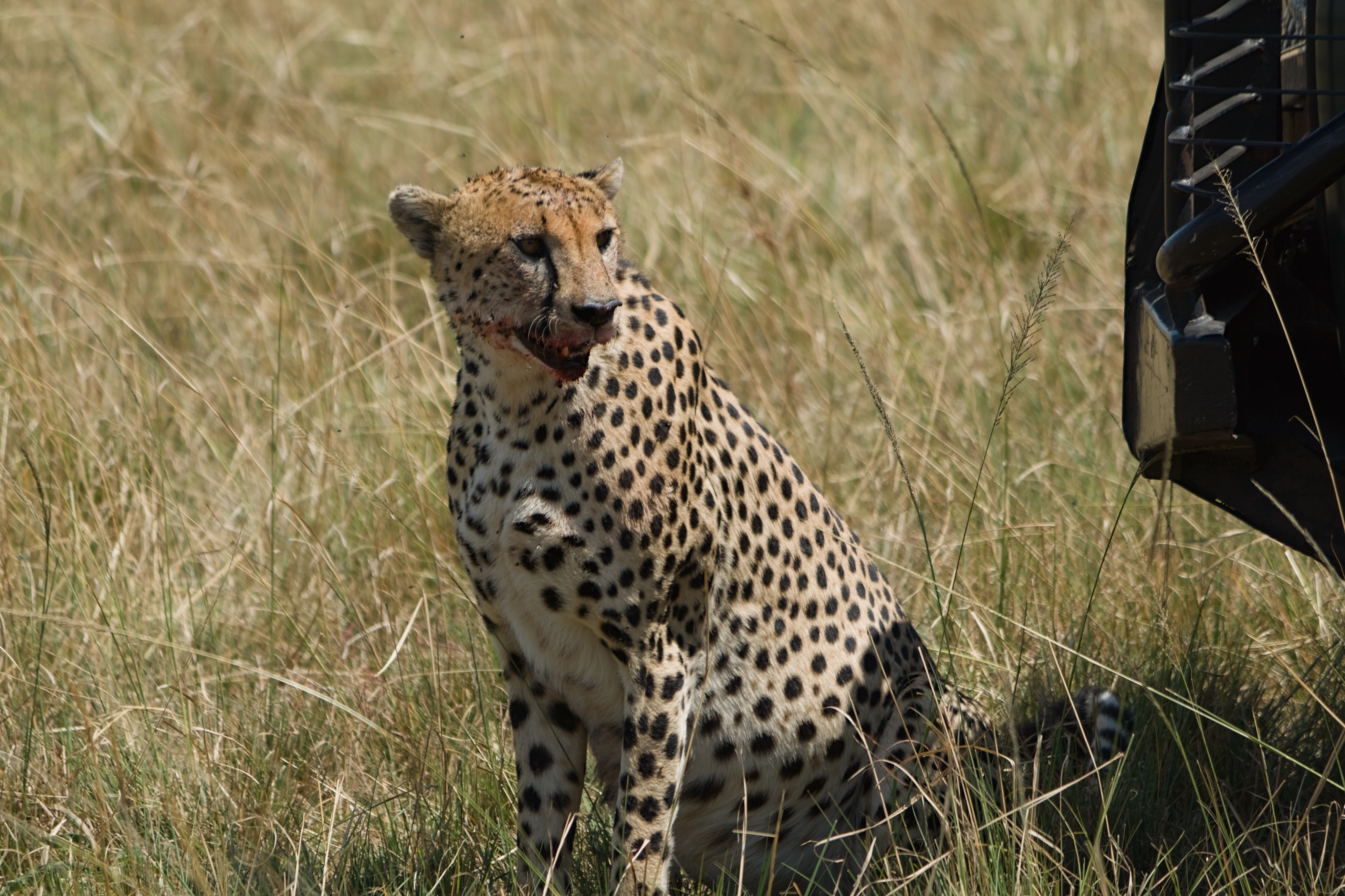
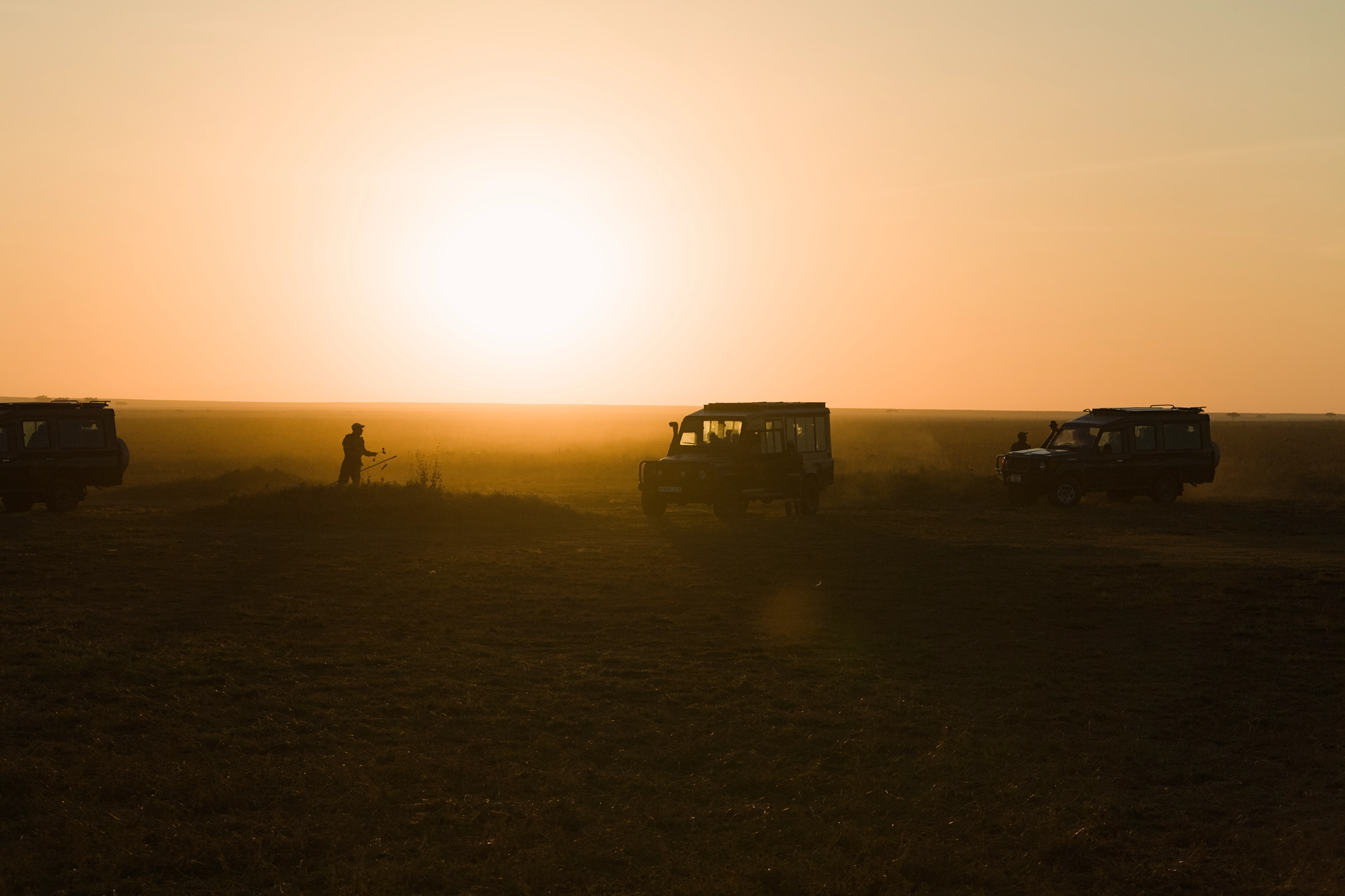
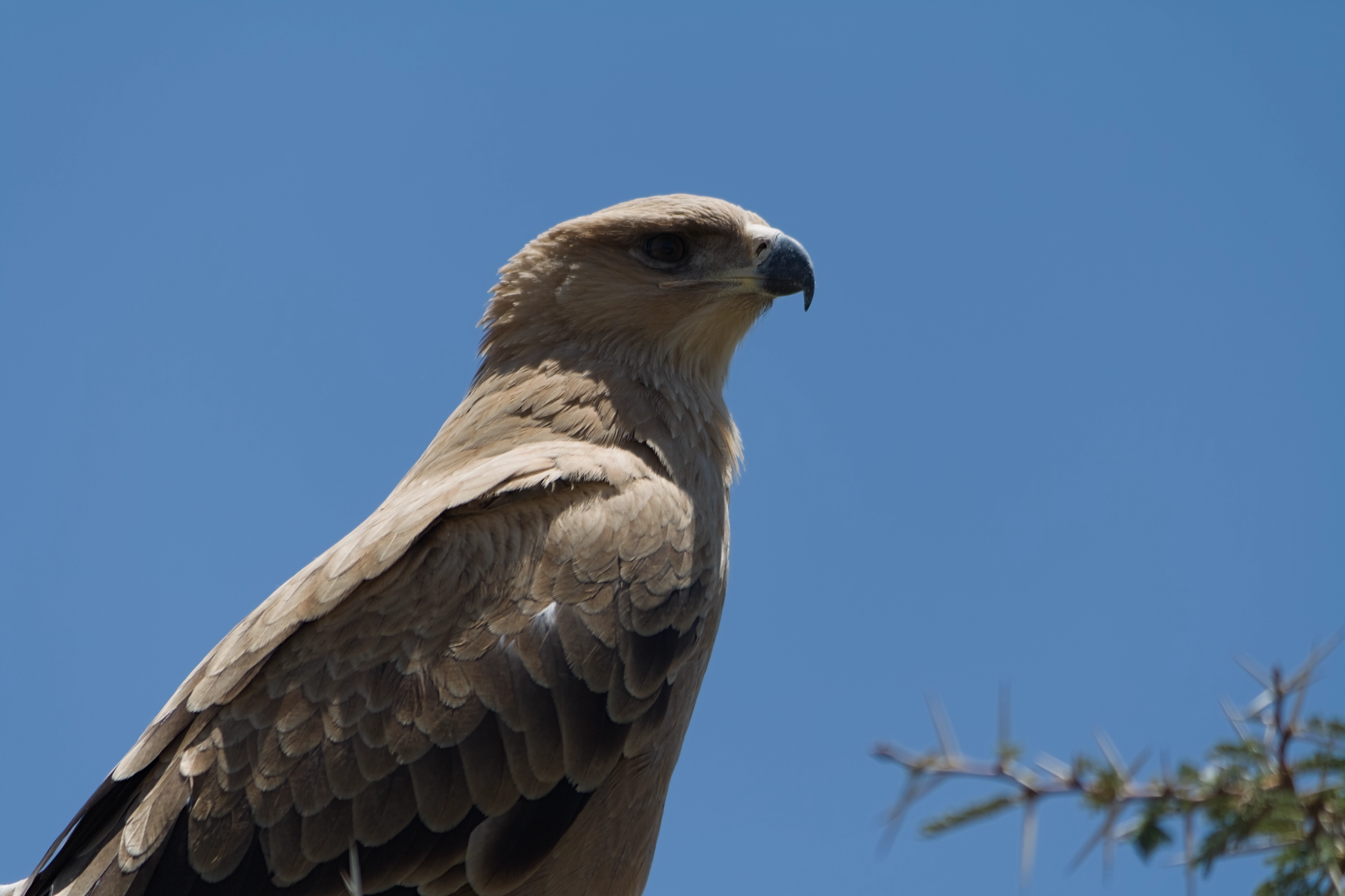
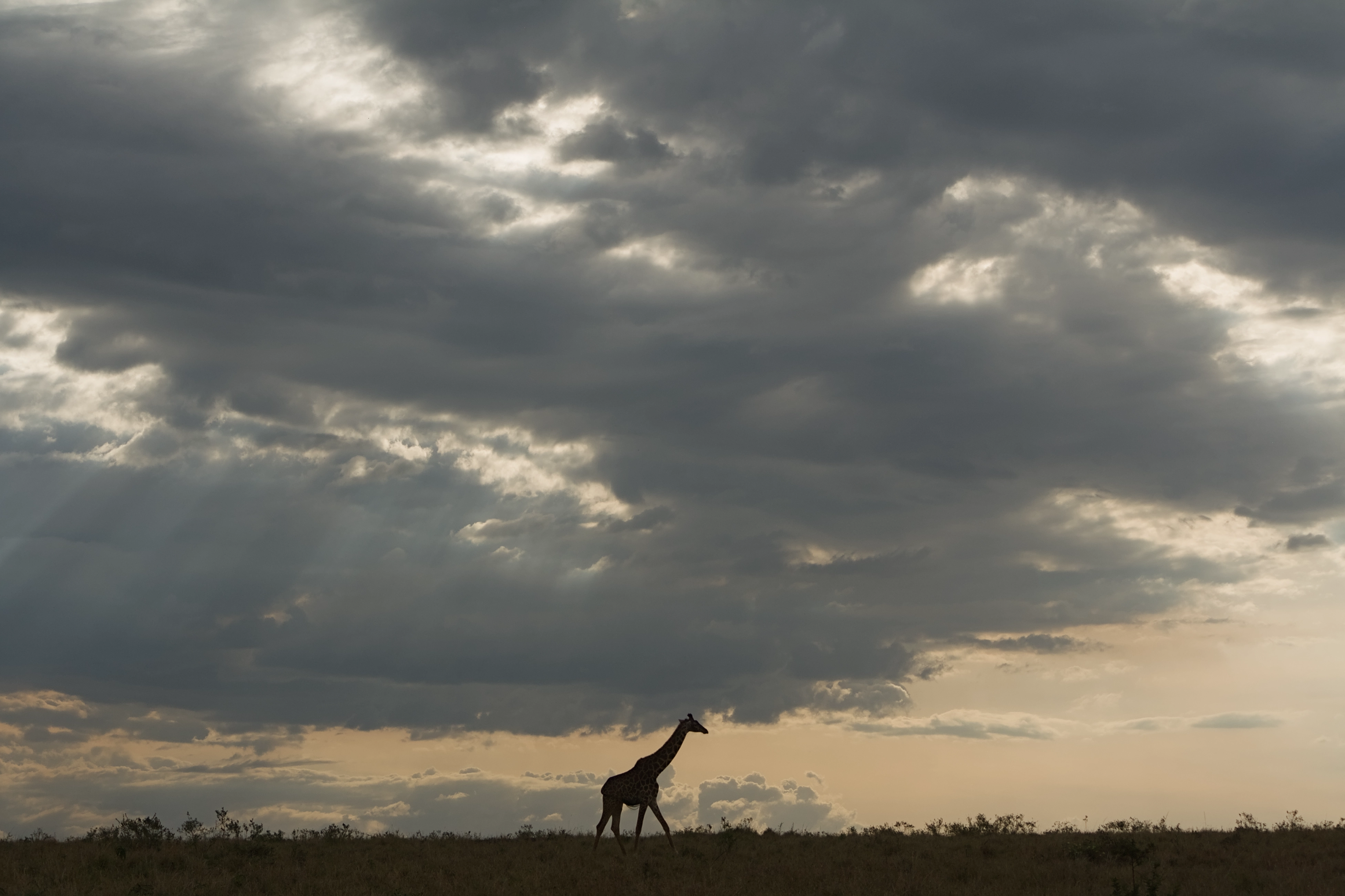
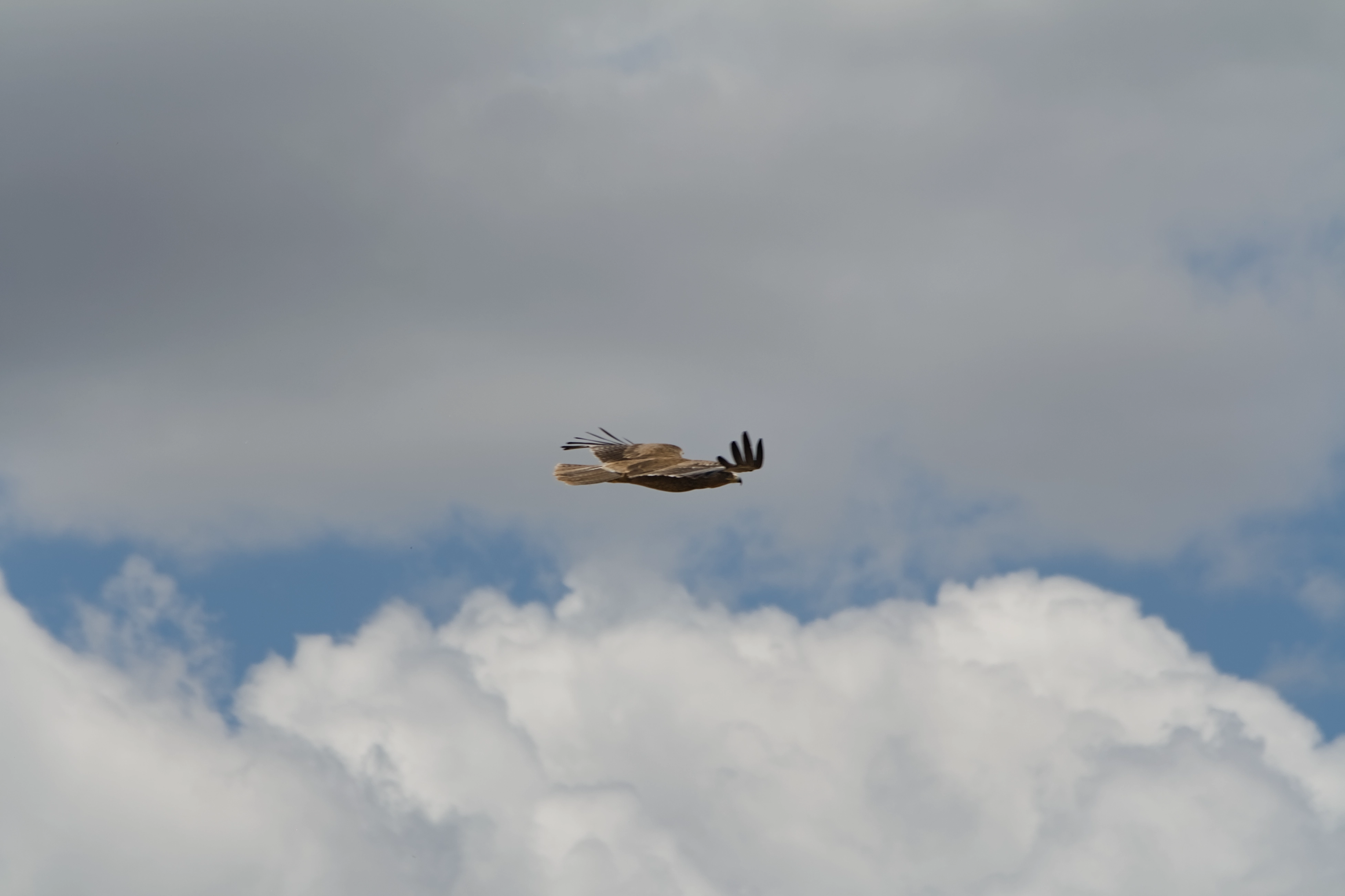
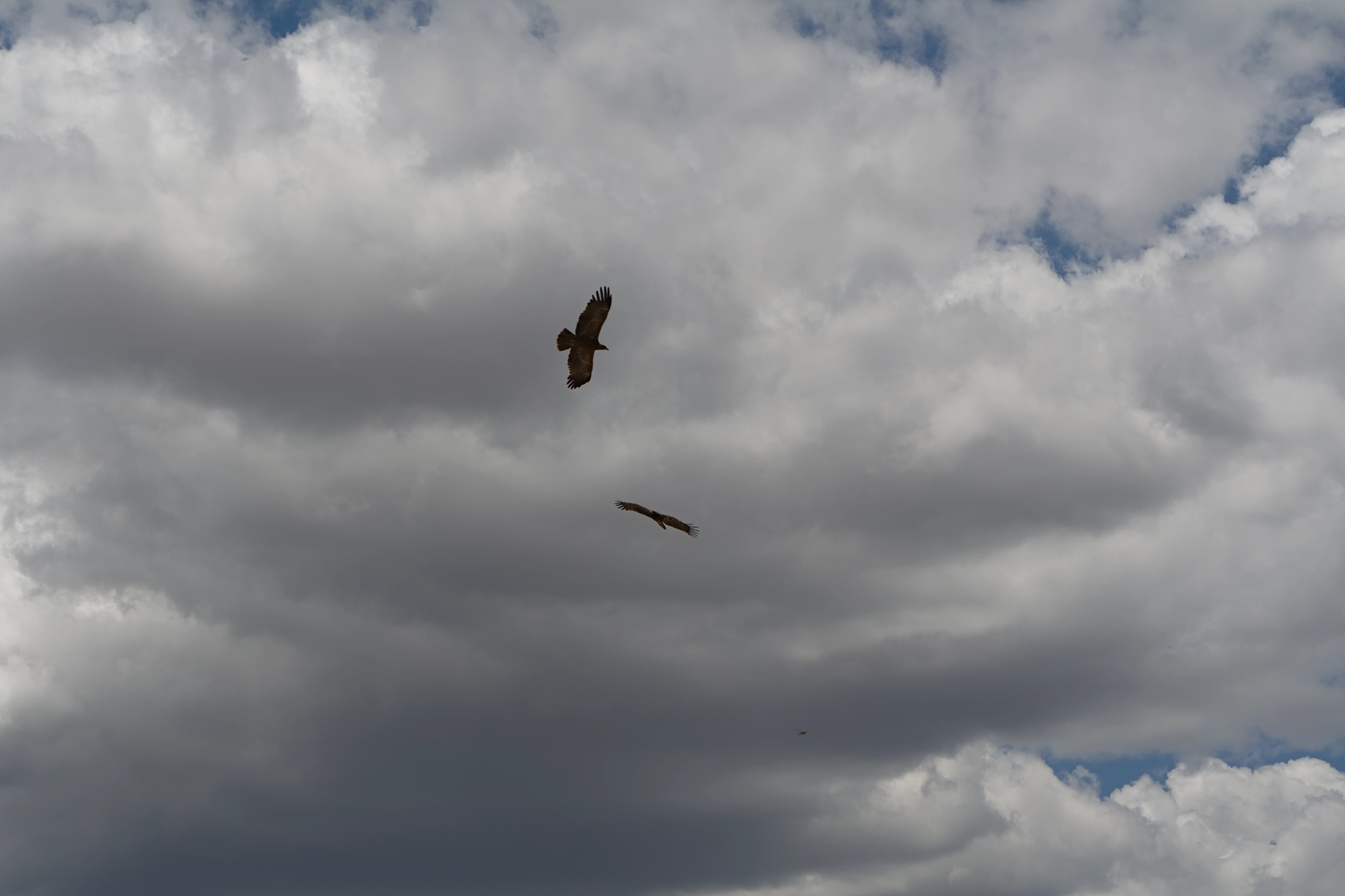
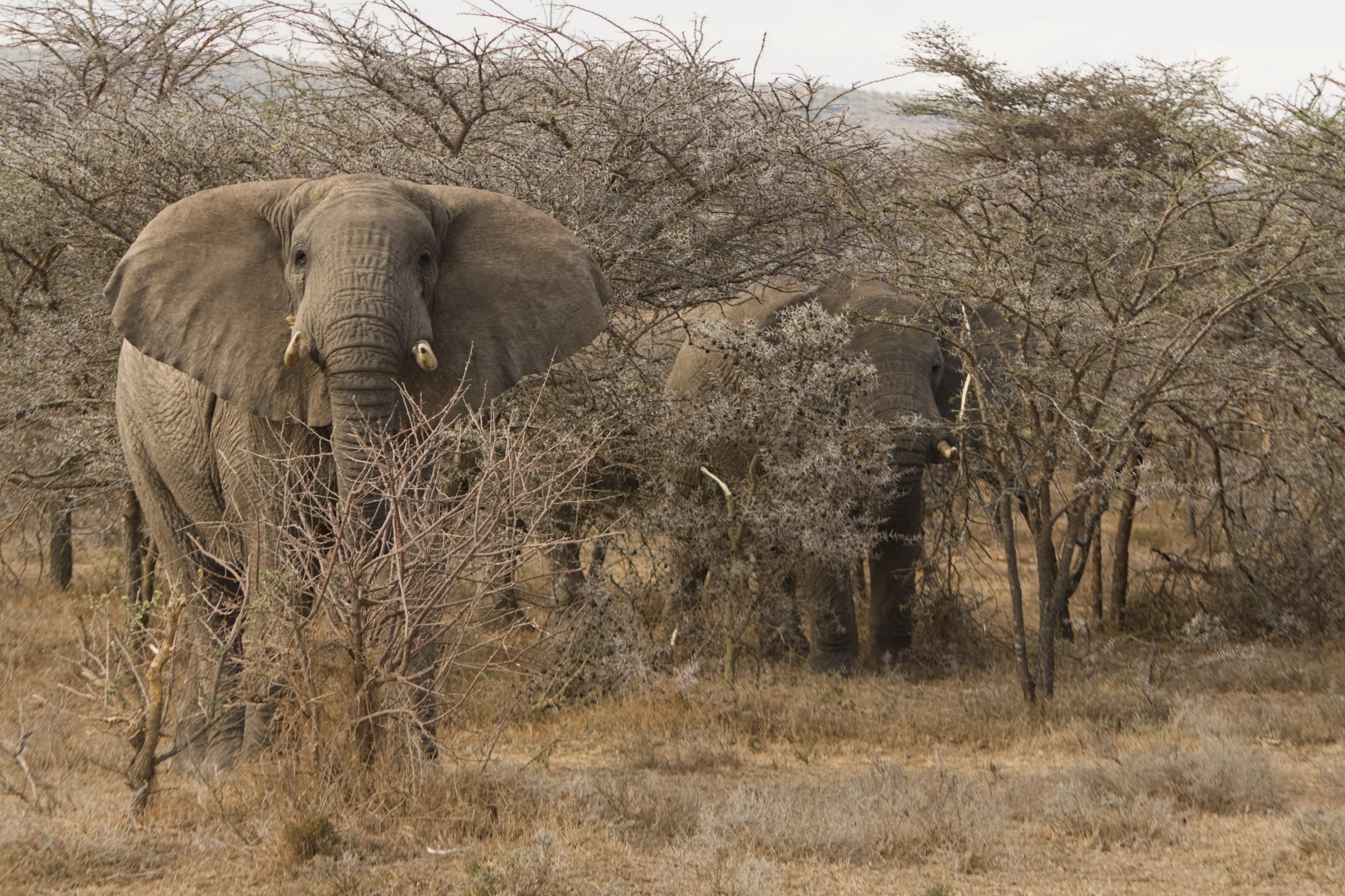
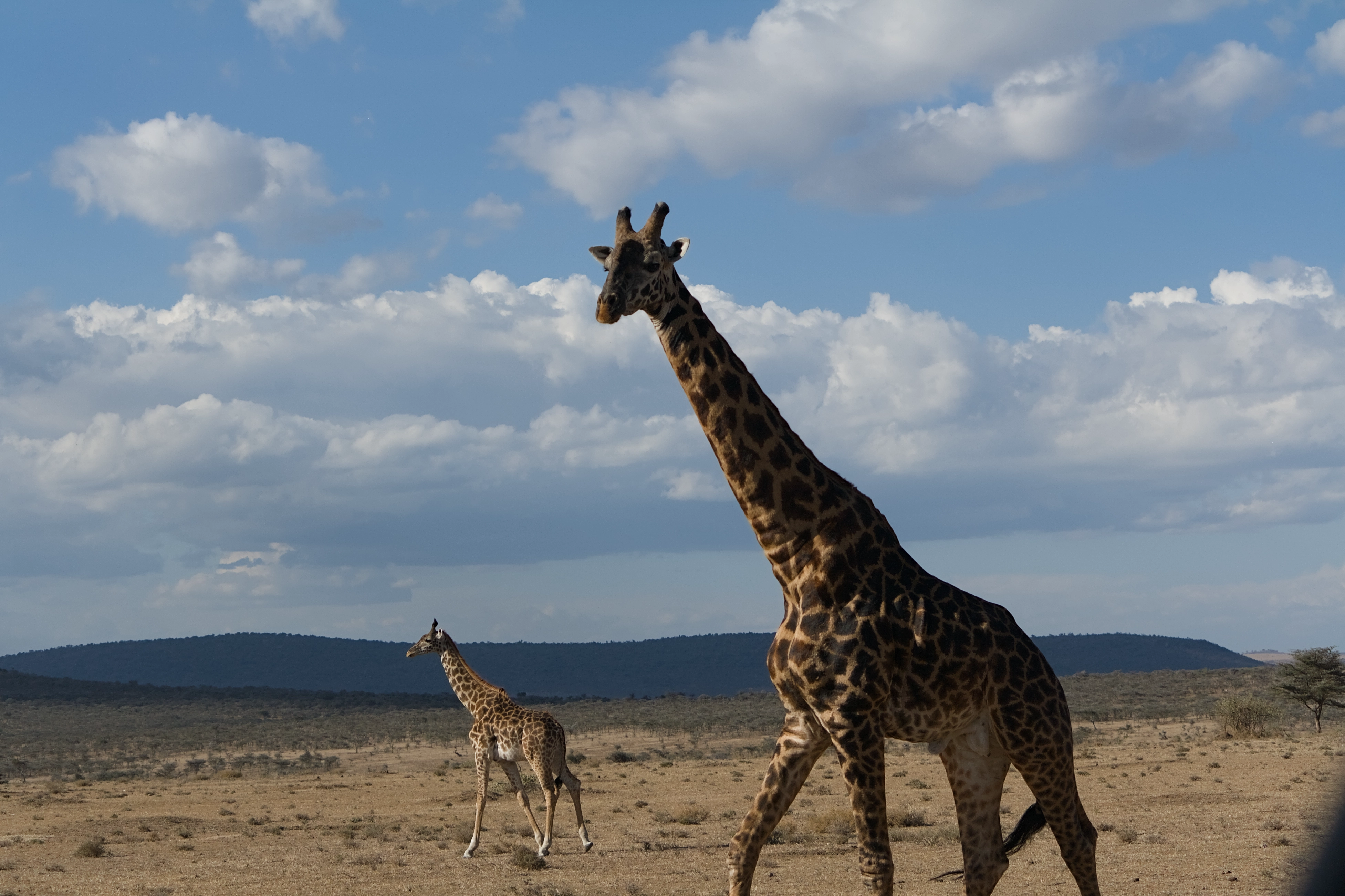
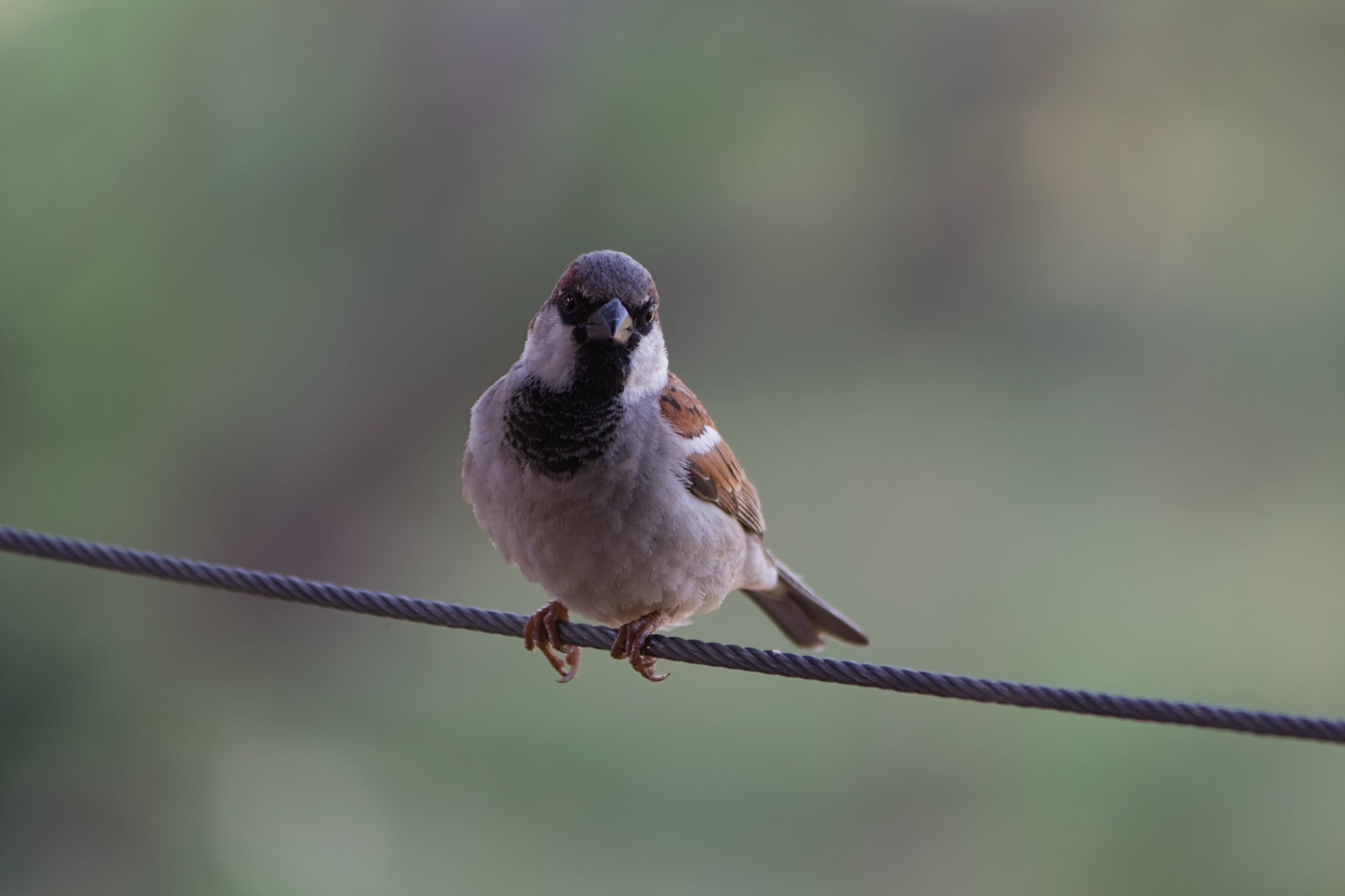
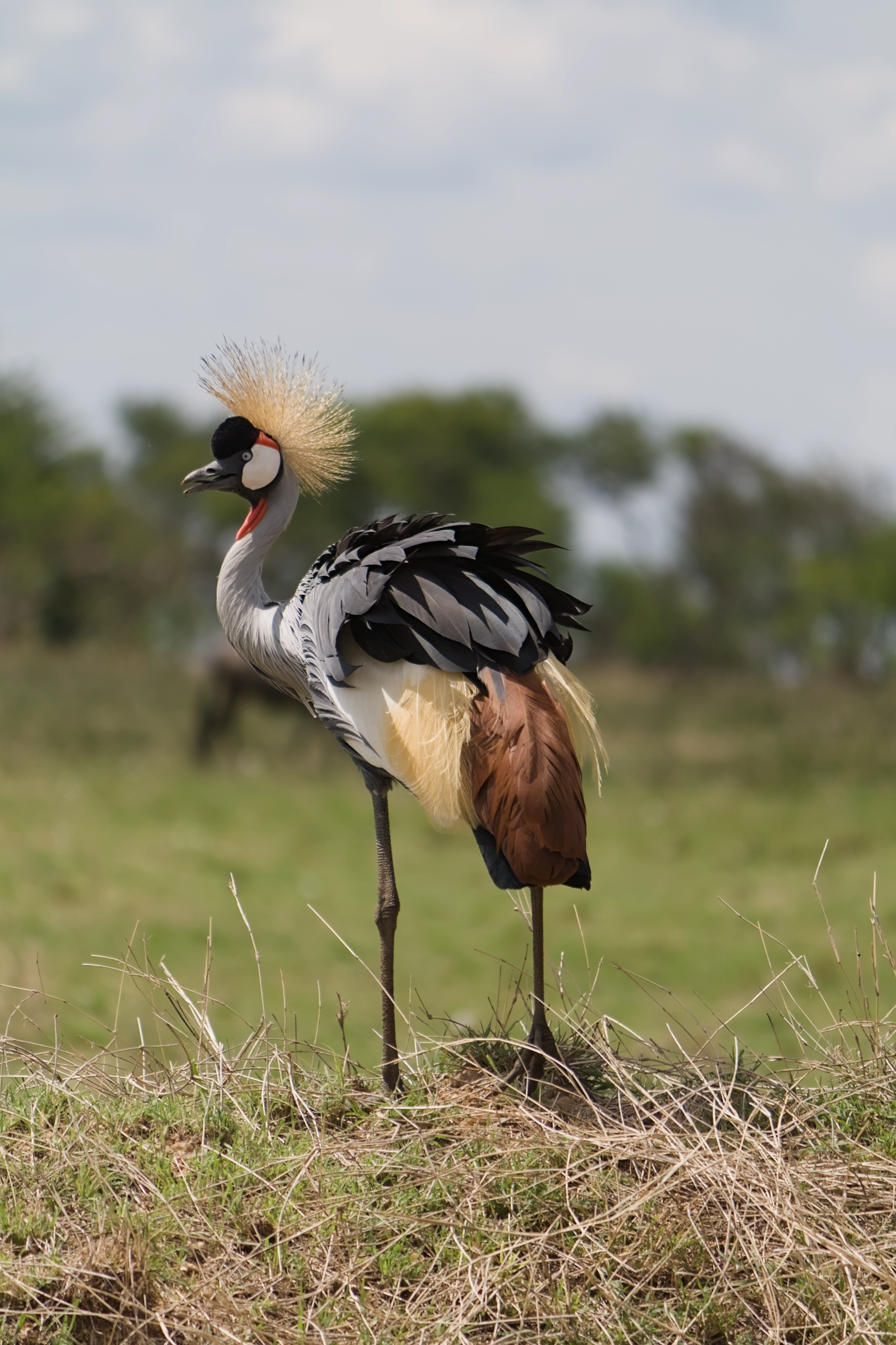
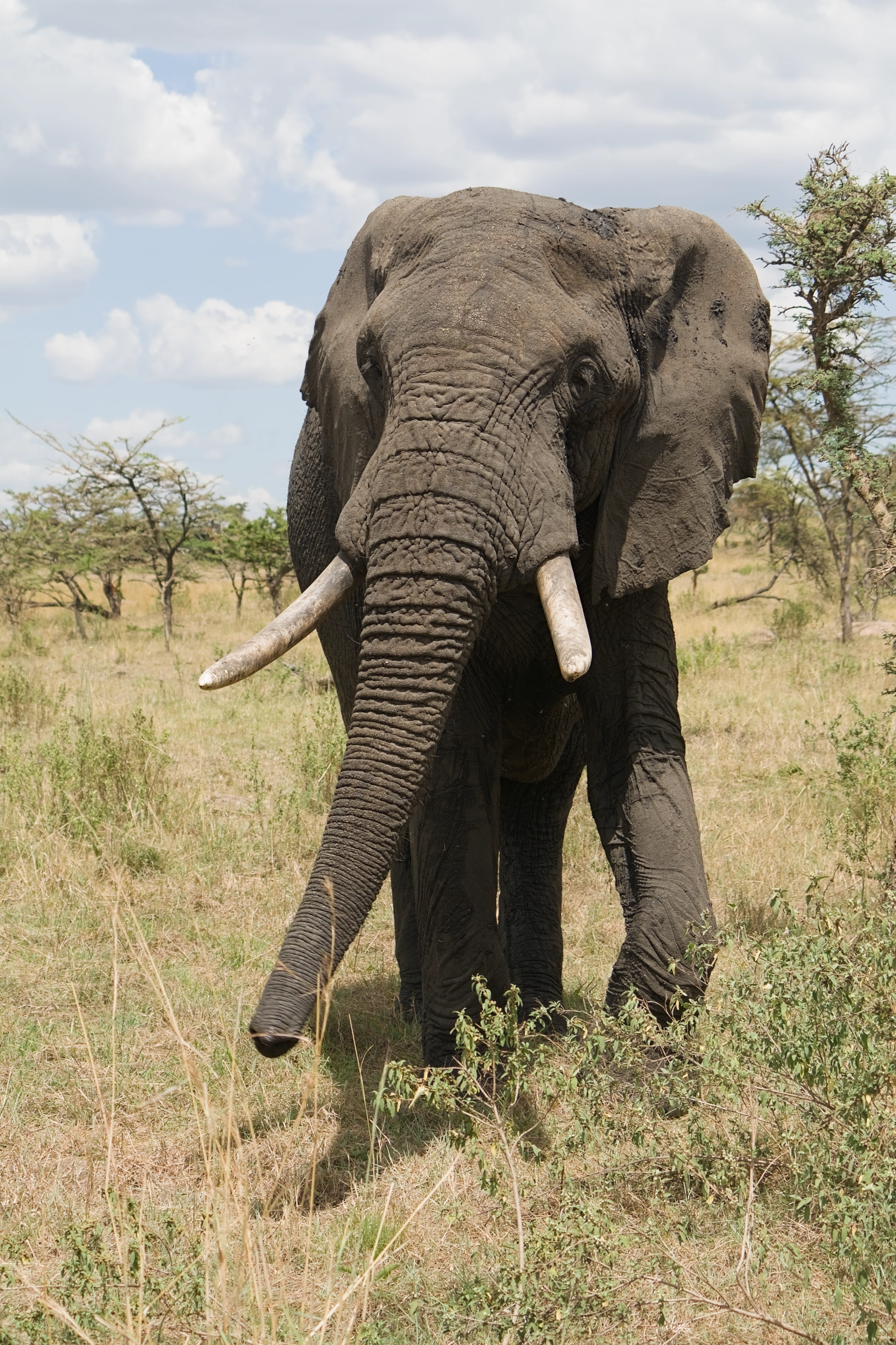
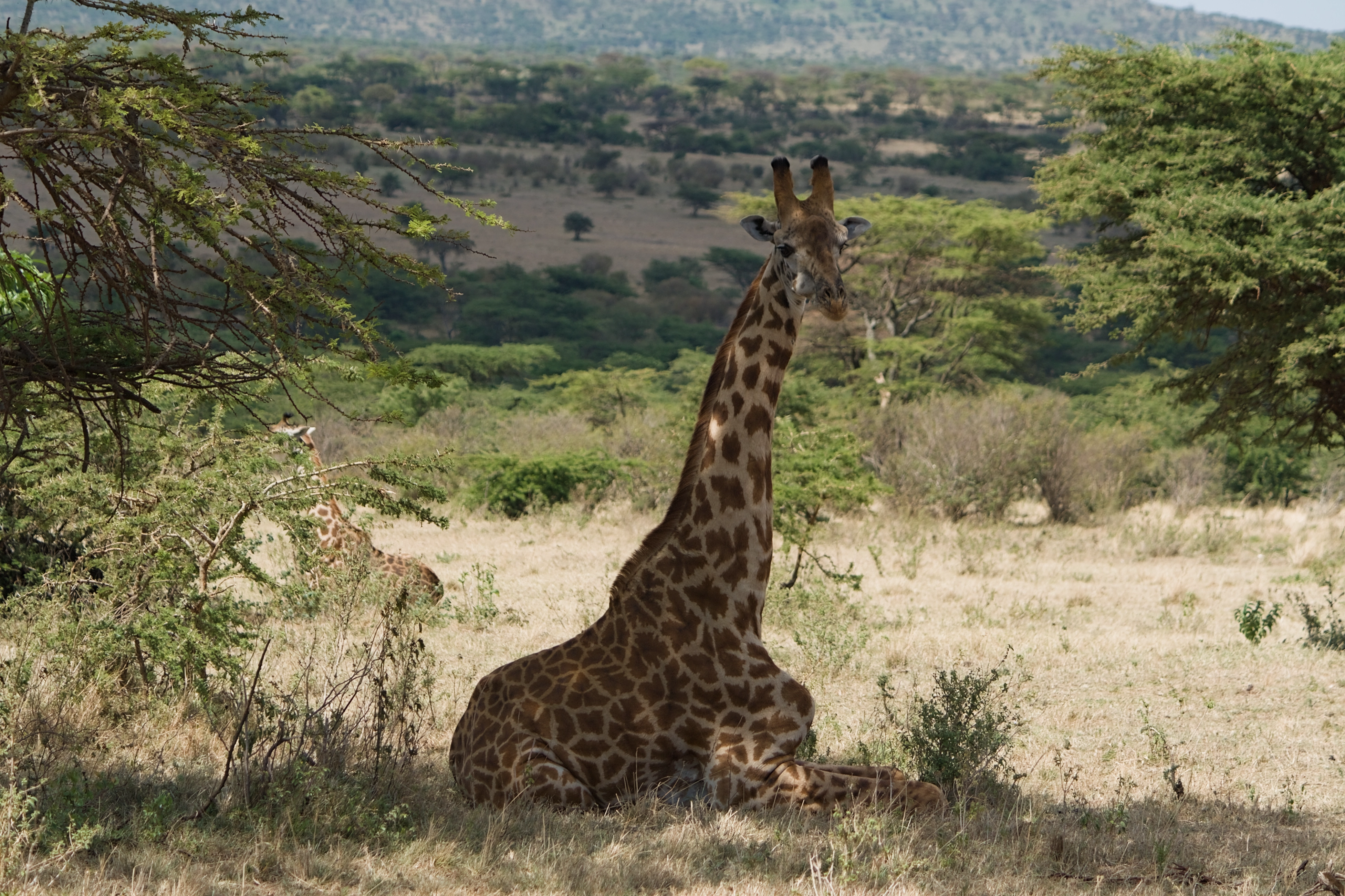
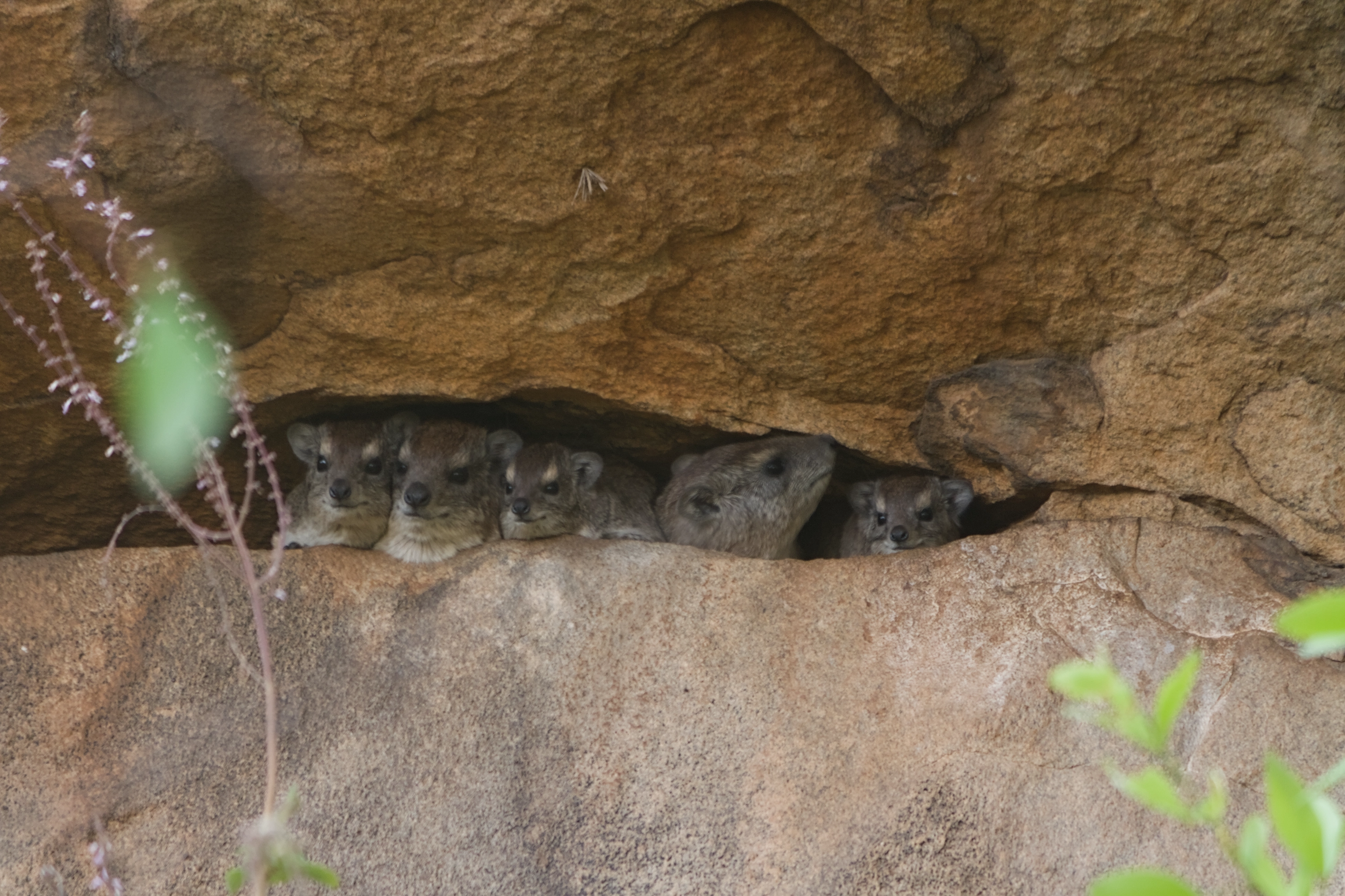
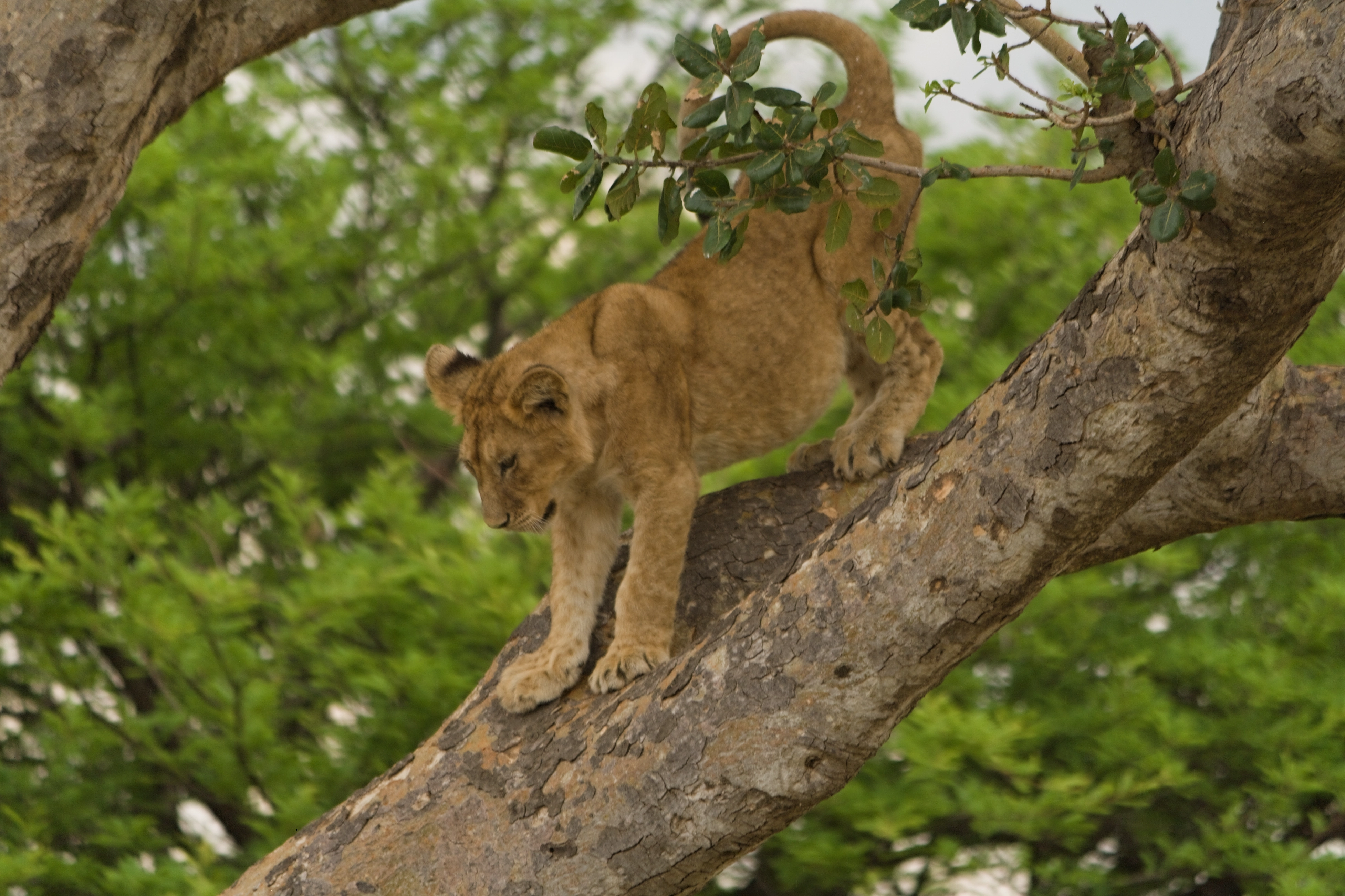
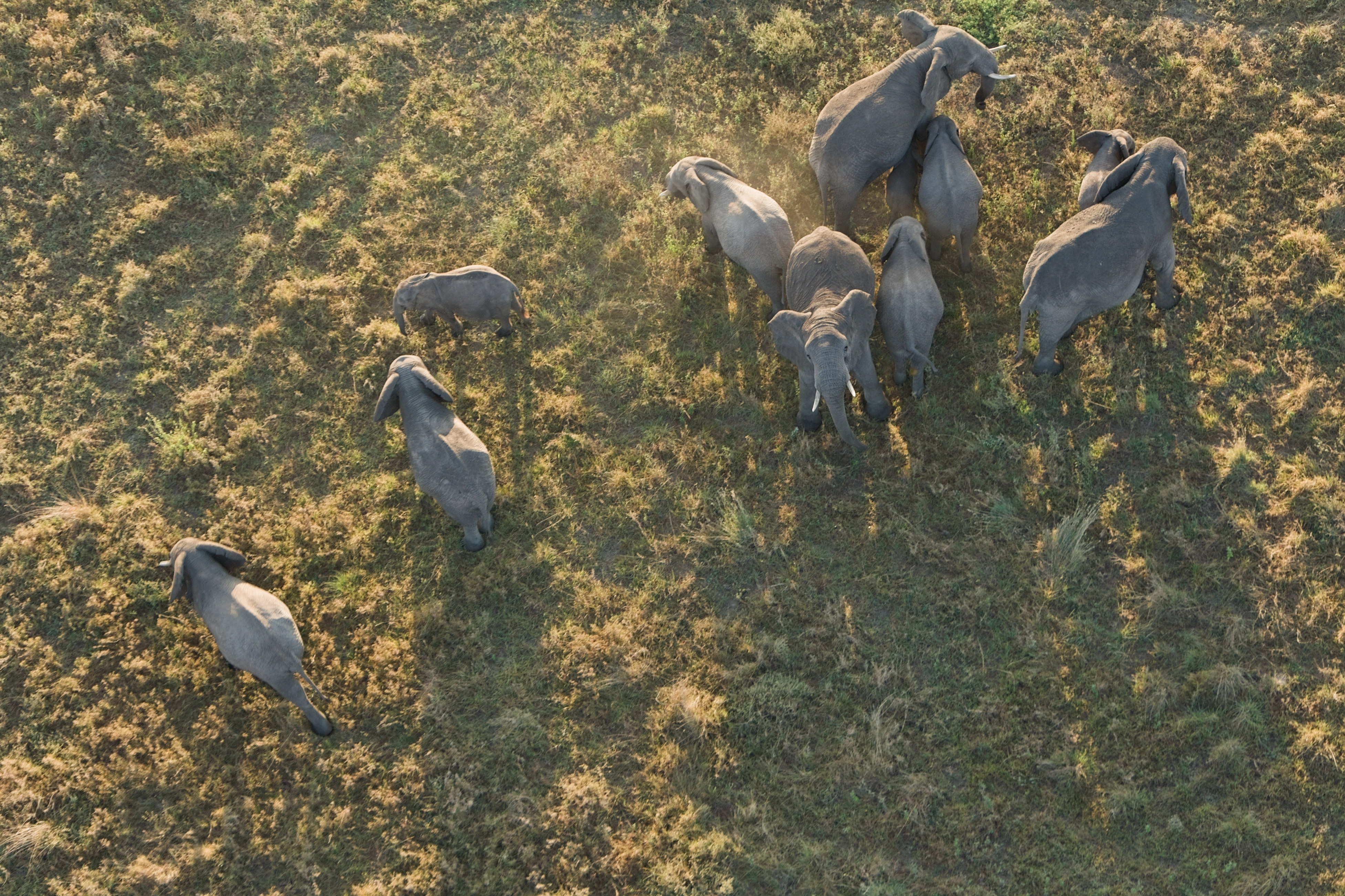
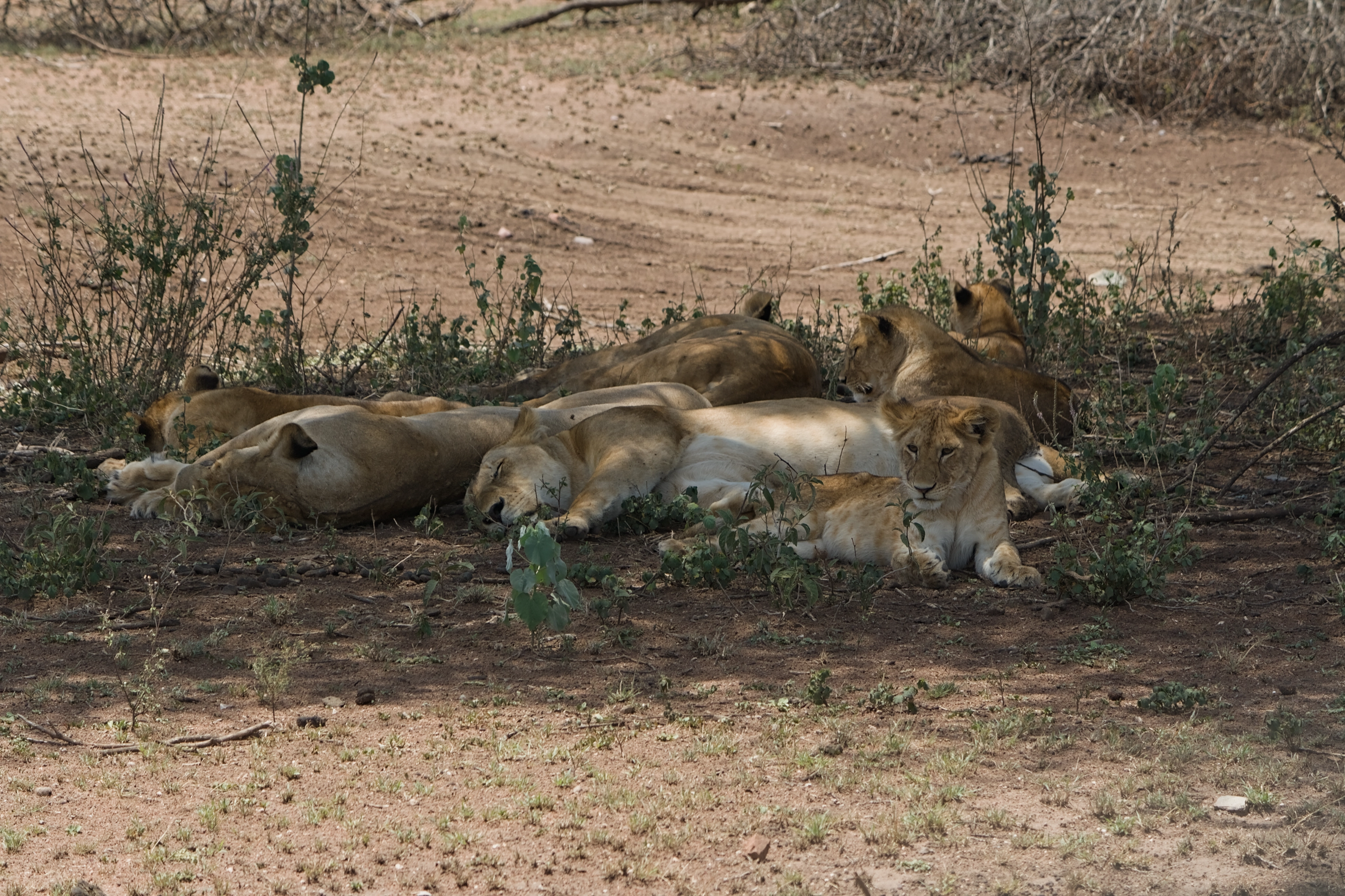
These are uncropped frames I took in Tanzania in 2025. I picked a few "suboptimal" situations with weird lighting, moving animals, shooting from a moving vehicle and such. You know, things you'd presumably need a fancy camera to compensate for. And my technique was pretty awful:
Those were taken on a 2008 Rebel XS (1000D), and a 50-250mm IS II. That's like a thrift store camera these days!
Would I have made more good shots on an R1? Or my new R50V? ...Yeah.
But for web-bound safari jpegs, it really not that different from a 1000D. Avoiding some technical mistakes I made would have made a much bigger difference.
What's more, I can process all these raws to HDR JXL photos. From a 2008 camera! Ironically, the internet hasn't even caught up to such ancient hardware (as CanonRumors won't let me upload any HDR files).
***
Point I'm trying to make is, for stills, the volume of criticism for budget bodies like the R100 is definitely unwarranted.
Being a little cramped can be lived with on a budget. But on the other hand, the R10 does feel "neither here nor there." Not uber compact like the R50/R50V, yet not big enough to feel ergonomic like the R8/R7.
The R50V is a fantastic "carry around" stills camera, FYI. Even if I didn't shoot video, I wouldn't even think of trading it for an R50 or R10.
I would do unspeakable things for an R7V though. Shrink the R7, take away the EVF, keep the IBIS, and I'd be in heaven.
I shoot only stills, and you don't mention the most important feature of the good mirrorless - superb tracking and rapid autofocus. If all you are doing is stills of nearly static large animals, then the old generation of Canon DSLRs were superb - I used a 5Div and 5DSR for a very satisfying safari in Tanzania. If you are doing birds in flight or getting good eye-AF on a far distant one, then an R5/R6 series blow them away as well as the R1/R3. And, despite negative comments from some, the R7 beats the 7Dii.
In some countries 50 $ more or less decided if a person can start with the hobby called photography. Also, revenue for photo services is much less and so cameras like the R100 and R50 are very, very important choices. I don´t think (although I don't prove) the R100 was mainly developed for USA, Japan and Europe, but more like for markets like southasia, Africa and south and middle America. Of course, it does sell in Europe, USA etc. as well because there is demand for it.
I keep in touch with my guide from a Safari in Kenya which I went to in 2022. He often posts Safari pics on his WhatsApp accounts and we sometimes chat about them. I often curiously ask about how took a photo, which camera gear etc... it is really surprising how many great pics are taken with entry level cameras, and yes, the R100 got a mention once.
In the end, I do not really comprehend (right word? "nachvollziehbar" in German) the hatred towards the R100. Imo, yes, a touchscreen should have been feasible or maybe even a floppy screen because R&D should been paid by all the cameras that have used and in order to get SP users to switch a touchscreen would've been more intriguing. Other than that, the cameras offers good value (sometimes great given the price point) for the money.
That's because the R100 is incredible for safari stills!
If I only did stills, I wouldn't even look at R mirrorless cameras. Most advantages are for video shooting, or "ergonomic" features like more reliable autofocus, high ISO, IBIS, more resolution for cropping, HDR HEIFs and such.
But for SDR social media JPEGs? Old bodies are amazing at that.
These are uncropped frames I took in Tanzania in 2025. I picked a few "suboptimal" situations with weird lighting, moving animals, shooting from a moving vehicle and such. You know, things you'd presumably need a fancy camera to compensate for. And my technique was pretty awful:
Those were taken on a 2008 Rebel XS (1000D), and a 50-250mm IS II. That's like a thrift store camera these days!
Would I have made more good shots on an R1? Or my new R50V? ...Yeah.
But for web-bound safari jpegs, it really not that different from a 1000D. Avoiding some technical mistakes I made would have made a much bigger difference.
What's more, I can process all these raws to HDR JXL photos. From a 2008 camera! Ironically, the internet hasn't even caught up to such ancient hardware (as CanonRumors won't let me upload any HDR files).
***
Point I'm trying to make is, for stills, the volume of criticism for budget bodies like the R100 is definitely unwarranted.
I was looking into the R10, but I didn't like the ergonomics. For me, the camera feels cramped maybe because it looks like a traditional camera design (concerning ergonomics) in a very small factor. I like what Canon did with the R50 V although with all the video features it is not for me.
Being a little cramped can be lived with on a budget. But on the other hand, the R10 does feel "neither here nor there." Not uber compact like the R50/R50V, yet not big enough to feel ergonomic like the R8/R7.
The R50V is a fantastic "carry around" stills camera, FYI. Even if I didn't shoot video, I wouldn't even think of trading it for an R50 or R10.
I would do unspeakable things for an R7V though. Shrink the R7, take away the EVF, keep the IBIS, and I'd be in heaven.



 I have no idea why they would even remove it.