Like the majority of us on this site, I tend to read something about photography on a daily basis and I try to absorb as much as possible.
One of the things that I've noted, is the popularity of the 24mm focal length.
It certainly is a focal length that is present in many different lenses and as I'm typing here, I can think of at least 8 lenses that have 24mm in it's range.
I have one lens which incorporates this focal length and that is my 24-70 mkii.
But I have a confession to make, I can't 'see' photography in 24mm and I think I'm losing out on what may be the most versatile focal length in digital photography. In fact, I would ask, is 24mm to digital photography what 35mm was to film?
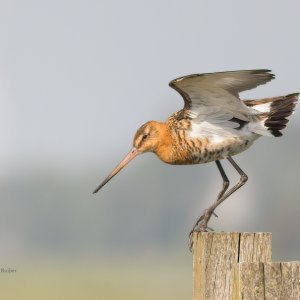
What I mean by 'see' is that when I'm shooting with my 100mm macro or 400mm, I can envision what I want to capture and snap the shot.
I think a big reason for this is that I know what appeals to macro photography and bird/wildlife photography so I kinda have a feel for the 'psychology' of these focal lengths.
I am however stumped as to what I can do with the 24mm focal length.
Is it best as a people lens? What does it bring for landscapes? What other genres benefits from shooting at 24mm?
This may be somewhat of an odd question and I can imagine many wouldn't find this topic interesting but I fear I bought the 24-70 in a question to own the holy trinity but I never envisioned what to do with the lens.
I'm looking for that EUREKA moment where I get what this lens and specifically 24mm is about and will know instinctively to use this lens in a specific scenario.
Once again, I understand if this thread only returns a few replies (actually I'm hoping for just one

) but I'm looking to explore different aspects of photography this year as opposed to being fixated on gear talk and tech babble.
What do you guys 'see' when you reach for your 24mm? What do you expect from the final image?



 It's just a hobby, really...well, a hobby that assists me in my other hobby, really.