
You are using an out of date browser. It may not display this or other websites correctly.
You should upgrade or use an alternative browser.
You should upgrade or use an alternative browser.
Show your Bird Portraits
- Thread starter 1982chris911
- Start date


OK OskarB: I was suppose to hike today with my daughter but she got an emergency call from her work place and suddenly I got more time than expected today.The last set of birds from Celestun on or in the mangrove forest.
All R5 + RF 100-400
Great blue heron
View attachment 201814
Great egret
View attachment 201815
(Young adult?) green heron
View attachment 201816
(Neotropic?) cormorant
View attachment 201817
Here are yours birds: ignore the very first post - it was solved already...
After that on page 1244 you have:
1. Great Blue Heron
2. Great Egret - note the yellow bill, greenish around the eye and completely black legs
3. Magnificent Frigate Bird: adults are black with that red patch/balloon, the youngsters are with black wings and ~all the rest white! You have bunch of them.
4. Double-Crested Cormorant: the Neo-tropical Cormorant could be (and is) very similar but note the bare-skin yellow to orange patch in the two birds: all your photos are with a birds with orange patch around the eye - Double Crested!
Page 1245
1. Roseate Spoon Bill
2. One more Limpkin (with a Roseate Spoon bill)
3. Tiger Heron ( Bare-throated)
Page 1245 (last)
1. American Flamingo
Page 1246
1. Great Blue Heron
2. Great Egret
3. Tricolored Heron - Note the white belly, the dark upper mandible and yellow legs...
It was fun to work on these - since I had to skip the hike
 !
!
Upvote
0
You are awesome ISv!OK OskarB: I was suppose to hike today with my daughter but she got an emergency call from her work place and suddenly I got more time than expected today.
Here are yours birds: ignore the very first post - it was solved already...
After that on page 1244 you have:
1. Great Blue Heron
2. Great Egret - note the yellow bill, greenish around the eye and completely black legs
3. Magnificent Frigate Bird: adults are black with that red patch/balloon, the youngsters are with black wings and ~all the rest white! You have bunch of them.
4. Double-Crested Cormorant: the Neo-tropical Cormorant could be (and is) very similar but note the bare-skin yellow to orange patch in the two birds: all your photos are with a birds with orange patch around the eye - Double Crested!
Page 1245
1. Roseate Spoon Bill
2. One more Limpkin (with a Roseate Spoon bill)
3. Tiger Heron ( Bare-throated)
Page 1245 (last)
1. American Flamingo
Page 1246
1. Great Blue Heron
2. Great Egret
3. Tricolored Heron - Note the white belly, the dark upper mandible and yellow legs...
It was fun to work on these - since I had to skip the hike
Thanks a lot!
Upvote
0
Finally arrived to Holbox, our last station on the Yucatn tour. It was meant to be the "relaxing before going home" station.
Indeed it was a very relaxing place. We stayed at the end close to punta mosquito, where you have sandbanks and shallow sea. I already thought there could be birds there...
All R5 + RF 100-400
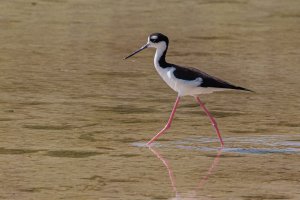
Black necked stilt (this was easy to ID)
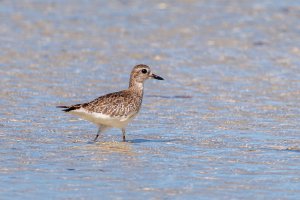
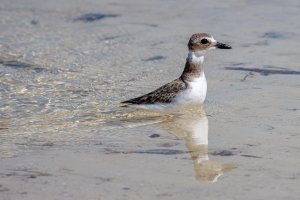
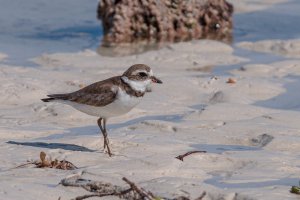
The next 4 look very similar, but I think they are different kinds. Maybe some kind of Ruff, Sandpiper or Sanderling?

This one was bigger than the 4 before. Could be a Willet?
Indeed it was a very relaxing place. We stayed at the end close to punta mosquito, where you have sandbanks and shallow sea. I already thought there could be birds there...
All R5 + RF 100-400
Black necked stilt (this was easy to ID)
The next 4 look very similar, but I think they are different kinds. Maybe some kind of Ruff, Sandpiper or Sanderling?
This one was bigger than the 4 before. Could be a Willet?

Upvote
0

Upvote
0
The weather here turned to bad - dark and according the forecast it's going to be even worst - into the next Year! I mean, if you have more photos for ID - now is the timeFinally arrived to Holbox, our last station on the Yucatn tour. It was meant to be the "relaxing before going home" station.
Indeed it was a very relaxing place. We stayed at the end close to punta mosquito, where you have sandbanks and shallow sea. I already thought there could be birds there...
All R5 + RF 100-400
Black necked stilt (this was easy to ID)
View attachment 201824
The next 4 look very similar, but I think they are different kinds. Maybe some kind of Ruff, Sandpiper or Sanderling?
View attachment 201825
View attachment 201826
View attachment 201827
View attachment 201829
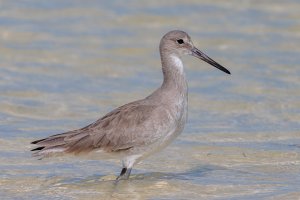
This one was bigger than the 4 before. Could be a Willet?
View attachment 201828
!Your series of Shore birds:
#1 - you did it
#2 - for this one I have no idea (or I have to work little bit more). The red base of the bill is kind of disturbing (or I really have to recall more possible birds. Anyway it's unfamiliar to me... Actually it resembles the Gray Plover but again that red base of the bill...)
#3 - this one is as easy as the #1 - Rudy Turnstone
#4 - Wilson's Plover (next time make sure you pull the bird out of the water before taking photos - I could see the color of the legs
 ).
).#5 - I bet for Semipalmated Plover in first non-breeding plumage. What is out of the diagnostic are the darker legs (like in the Snowy Plover) but the red base of the bill and somewhat darker colors are saying Semipalmated Plover (wash the legs of the birds before taking photos
 ). Also the ring around the eye is not completely yellow (I see only red in the upper part that could be result of the exposure). On other hand I see some red areas on the legs: 95% Semipalmated!
#6 - Willet
Last edited:
Upvote
0

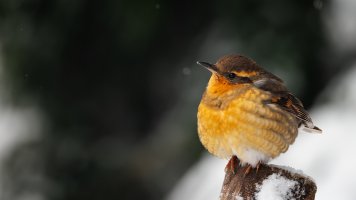
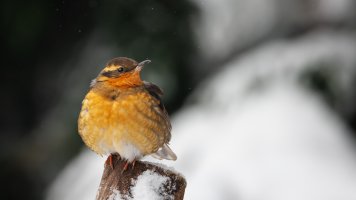
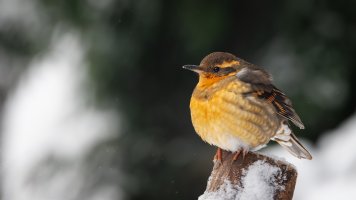
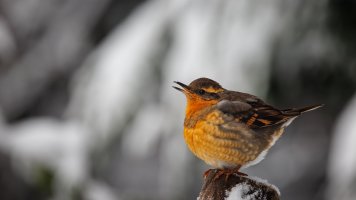
Sorry if this a lot for 1 bird but I was very excited to capture this bird (Varied Thrush). I've seen it since spring hanging out mostly with the American Robins and just as flighty. Had yet to capture a shot of it. We rarely get so much snow in the lowlands of easter Washington State but we got roughly 10 inches over Christmas weekend. I haven't been out much due to the typical rain and dark overcast skies we get. So once we got the snow I was excited to venture out and work on capturing some winter bird photos. Expecting to just capture some common Dark Eyed Juncos and Chickadees, as I went out this female Varied Thrush greeted me and showed no intentions of moving. I was able to get within 8 ft or so of her and rattle off some shots with the R5 and 100-500 lens before retreating to my hideout. Such a beauty. I was rewarded with more today but need to get through all the photos. I hope everyone had an amazing Christmas weekend! 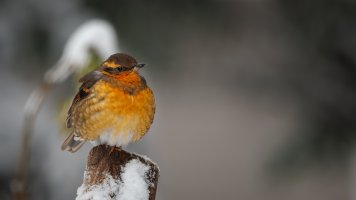

Upvote
0
Beautiful bird and great shots! And no! it's not a lot for one nice bird!Sorry if this a lot for 1 bird but I was very excited to capture this bird (Varied Thrush). I've seen it since spring hanging out mostly with the American Robins and just as flighty. Had yet to capture a shot of it. We rarely get so much snow in the lowlands of easter Washington State but we got roughly 10 inches over Christmas weekend. I haven't been out much due to the typical rain and dark overcast skies we get. So once we got the snow I was excited to venture out and work on capturing some winter bird photos. Expecting to just capture some common Dark Eyed Juncos and Chickadees, as I went out this female Varied Thrush greeted me and showed no intentions of moving. I was able to get within 8 ft or so of her and rattle off some shots with the R5 and 100-500 lens before retreating to my hideout. Such a beauty. I was rewarded with more today but need to get through all the photos. I hope everyone had an amazing Christmas weekend! View attachment 201833View attachment 201834View attachment 201835View attachment 201836View attachment 201837View attachment 201838
Upvote
0
Thanks for that! The pleasure is on my side!@OskarB, thank you for sharing all these photos from your trip! Looks like some of us have been living vicariously through your images!
I didn't expect to get so many birds photographed. I know they aren't as perfect as many others here, but I'm really happy with the results. And sometimes it's just to show birds which are seen rarely here.
Before that trip (and before I followed CR), I had maybe 20 photos of birds my whole life. Seems I found a new passion, and I like it.
This is the only place I can show the photos. If I would show them to my friends, they would ask "... and how was the beer and the chicas in mexico?" after the fifth photo.
Upvote
0
Thank you, ISv! I'm learning a lot from your IDs!The weather here turned to bad - dark and according the forecast it's going to be even worst - into the next Year! I mean, if you have more photos for ID - now is the time
Your series of Shore birds:
#1 - you did it
#2 - for this one I have no idea (or I have to work little bit more). The red base of the bill is kind of disturbing (or I really have to recall more possible birds. Anyway it's unfamiliar to me... Actually it resembles the Gray Plover but again that red base of the bill...)
#3 - this one is as easy as the #1 - Rudy Turnstone
#4 - Wilson's Plover (next time make sure you pull the bird out of the water before taking photos - I could see the color of the legs
#5 - I bet for Semipalmated Plover in first non-breeding plumage. What is out of the diagnostic are the darker legs (like in the Snowy Plover) but the red base of the bill and somewhat darker colors are saying Semipalmated Plover (wash the legs of the birds before taking photos
#6 - Willet
I looked for other photos of #2 and #4, but didn't find any. I tried to get #4 out of the water, but this little guy was faster than me...
The best ressource I found so far is https://www.allaboutbirds.org/ - but it was still impossible for me to ID those birds.
Upvote
0

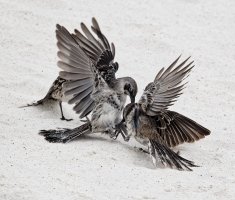
Here's another Mocking Bird, the Galapagos. First the Mexican standoff and then one from the protracted kickboxing fight - they are famously territorial.Just to finish what Alan mostly did: the Swallow is Mangrove Swallow (Tachycineta albilinea) and the Woodpecker is the Golden-fronted Woodpecker (Velasquez's), male. Note!!! - the Northern form/subspecies of this bird is looking pretty different!
I didn't check all of the Alan's IDs but just to notice: The Mocking Bird is the Tropical Mocking Bird (Mimus gilvus). I'm sure many in the Forum are more familiar with the Northern Mocking Bird (me included).
And BTW from now I'm going to ID only the birds you request! Not because I don't love the photos or the species included but some of them are not familiar to me and it takes a time to do it!

Upvote
0
You are welcome!Thank you, ISv! I'm learning a lot from your IDs!
I looked for other photos of #2 and #4, but didn't find any. I tried to get #4 out of the water, but this little guy was faster than me...
The best ressource I found so far is https://www.allaboutbirds.org/ - but it was still impossible for me to ID those birds.
You don't need to bother with #4 (the Wislson's Plover) - even if it was submerged to the head one can ID it by the heavy bill and rather angular head (both clearly visible on your photo).
Upvote
0
Very nice photos Alan!Here's another Mocking Bird, the Galapagos. First the Mexican standoff and then one from the protracted kickboxing fight - they are famously territorial.
View attachment 201839View attachment 201840
Upvote
0

Here’s a Kererū (NZ Wood Pigeo) in a pine tree on Xmas day at Redvale Auckland NZ
Last edited:
Upvote
0
This is a Pukeko (NZ swamp hen) on the mudflats of Ōrewa estuary at sunrise walking through light reflected from a house window. Auckland NZ 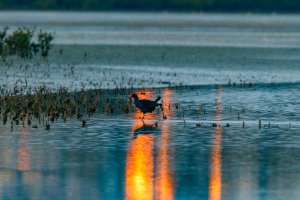
Last edited:
Upvote
0
This is a Riroriro (Grey Warble) in a Totara tree in Silverdale Auckland NZ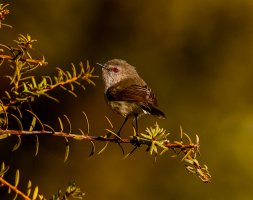
Upvote
0
Similar threads
- Replies
- 118
- Views
- 99K
