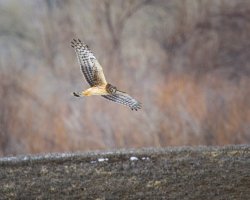
If the background is sufficiently far back, then no problem. I have no complaints!Thank you. Who says you can't have nice background separation at f/10? I'm really liking that lens.
Upvote
0
If the background is sufficiently far back, then no problem. I have no complaints!Thank you. Who says you can't have nice background separation at f/10? I'm really liking that lens.

Thanks, glad you are enjoying the photos. We ended up observing almost fifty species of hummingbirds on that trip, so there were plenty of photos to choose from.Foda, all your hummers are stunning. Did you do an article on this trip ?
Your photos are the stars! Did you take a back-up body and lens with you?Thanks, glad you are enjoying the photos. We ended up observing almost fifty species of hummingbirds on that trip, so there were plenty of photos to choose from.
Our guide wrote up a comprehensive trip report, which you can access online at https://www.birdingecotours.com/trip-report/very-best-of-colombia-trip-report/
Thank you. I usually travel with both the R5 and R5MkII, along with the RF100-500mm and RF200-800mm lenses. If I know that I will be needing some extra reach I will also take the R7, although that's rarely a necessity in the tropical forests.Your photos are the stars! Did you take a back-up body and lens with you?
My gear as well, and I would take all three bodies and both lenses on a trip like yours.Thank you. I usually travel with both the R5 and R5MkII, along with the RF100-500mm and RF200-800mm lenses. If I know that I will be needing some extra reach I will also take the R7, although that's rarely a necessity in the tropical forests.
Thanks, glad you are enjoying the photos. We ended up observing almost fifty species of hummingbirds on that trip, so there were plenty of photos to choose from.
Our guide wrote up a comprehensive trip report, which you can access online at https://www.birdingecotours.com/trip-report/very-best-of-colombia-trip-report/

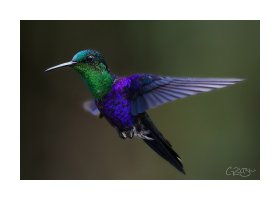

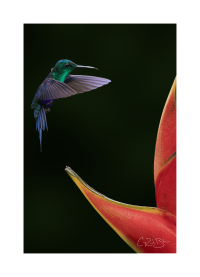

Great shots! More than good reason to wait for the "...still have another week to go"I'll only post 2 from this trip. I still have another week to go.
View attachment 227988
Crowned Woodnymph
Farallones National Park, Colombia
EOS R1 • RF 600 F4 L IS USM
1/4000 • F6.3 • ISO 8000