East Wind Photography said:
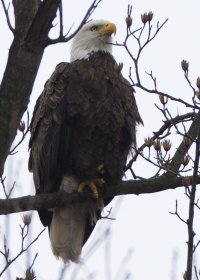
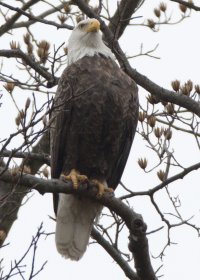
Yes I agree. These are not the best exposed images. As I said the lighting was awful and the shot with the 5DIII it had just started sleeting. It was overexposed by about 2 stops already. The 1DX was exposed about 1 stop over. I tried to find a couple of shots that were challenging in comparison.
I am not sure I would use the word "overexposed", if I understand what you are getting at. If you are referring to the EC scale in the viewfinder that the camera meter updates, then I would say the meter gravely MISS-METERED those images. Keep in mind, the camera meter is rather dumb...it generally aims for an ~18% gray average tone. Given the sky in those photos, the meter was actually
underexposing. I would actually say it probably under-exposed by two to three full stops!
We have exposure compensation for a reason, and if we have to boost exposure with EC, then that does not mean we are over exposing....it means we are correcting the meters incorrect automatic exposure settings. I would have happily blown the sky in those images entirely, if it allowed me to get better exposure on the eagle itself. I'd have pushed exposure as far as I could, to the point where the feathers of the eagles head were in the 240 RGB range, then corrected DOWN in post. By
literally over-exposing, then pushing exposure down in post, you actually mitigate noise. I have some examples of this with a dragonfly I photographed a while back...I accidentally overexposed the original shots by some three stops, and corrected in post. Compared to the later shots, the corrected ones that were overexposed had almost zero visible noise, while one that was "correctly" exposed in camera had a plenty of visible noise. I'll see if I can dig those up.
Noise is not actually caused by high ISO...it is caused by too little light. The ISO setting simply changes the readout whitepoint, which intrinsically limits the maximum exposure level. If you push to ISO 1000, but then expose such that your whites are below an RGB value of 200...you are simply exacerbating the problem of not having enough light. If you cannot use a longer shutter speed, then the best way to maximize exposure is to increase ISO. It doesn't get any more light down the lens, but it reads out the exposure you have in the least-noisy way. Higher in-camera ISO will almost always trump post-process exposure
push. Pushing a noisy exposure in post just makes the noise more apparent. Better to increase ISO, maximize the exposure in-camera (and even blow the sky such that it is entirely white when it is gray and overcast, since the sky isn't the subject and doesn't really matter), then
pull the exposure down in post. You'll increase your signal to noise ratio, which is preserved with the post-process pull.